
Technology Design Services for Long Island Architects
Technology Design Services for Long Island Architects and Builders
The most successful residential technology systems are not chosen at the end of a project. They are coordinated early enough to protect the architecture, clarify the work for each trade, and give the homeowner a finished experience that feels calm and intentional.
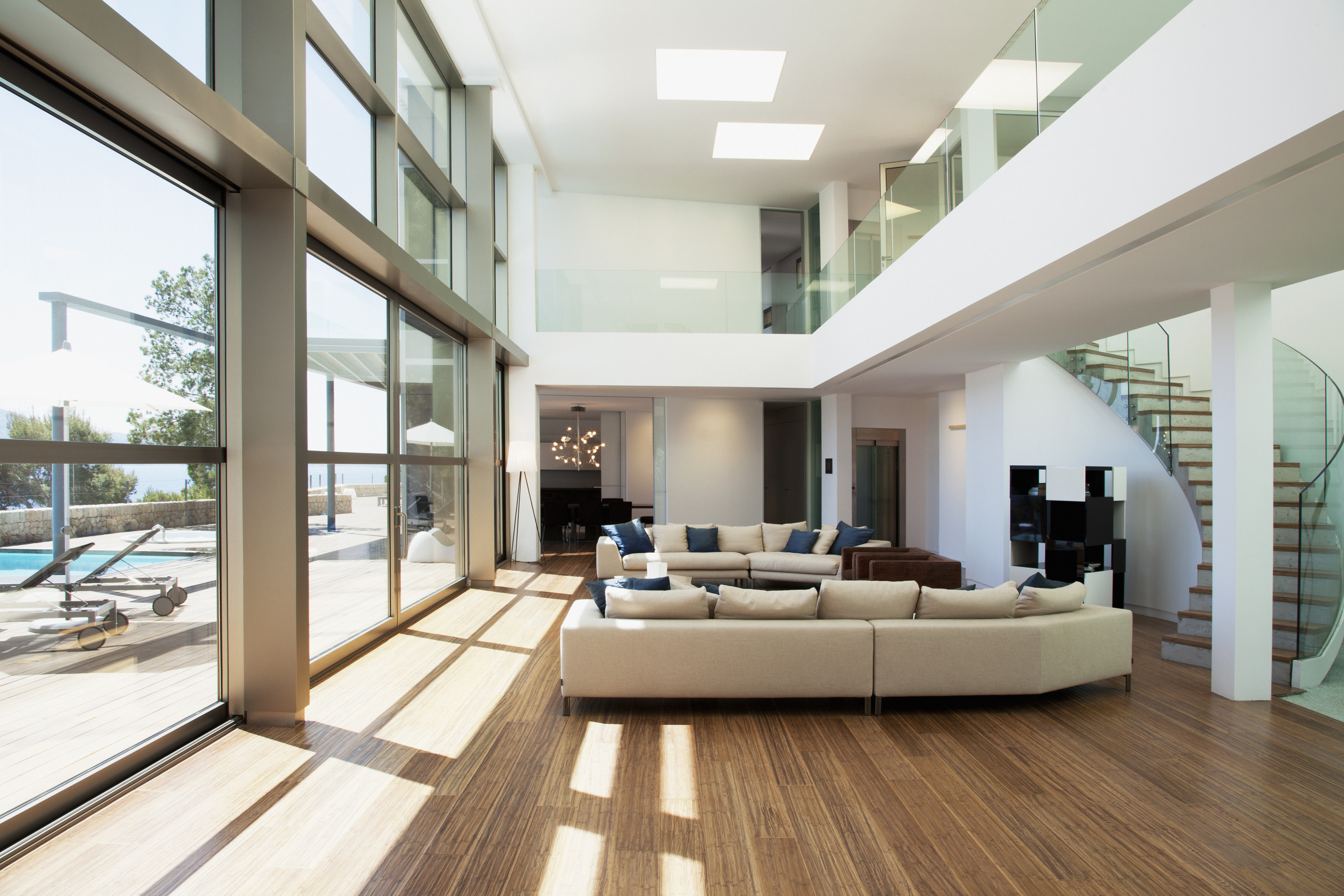
For Long Island architects and builders, technology is now part of the project conversation well before a homeowner selects an app, a television, or a control system. Network coverage affects ceiling plans. Lighting controls affect electrical design and wall conditions. Shades, speakers, surveillance, access, and equipment locations all need space, pathways, power, and a coordinated sequence.
Home Technology Experts works as a design and construction resource for those decisions. Our role is to help the project team establish a practical technology plan early, document what matters, and coordinate the scope so the home is easier to build, use, and support after move-in.
Early Specification Is a Design-Service Advantage
Early involvement does not mean forcing the homeowner to make every equipment decision during schematic design. It means identifying the infrastructure and coordination items that are difficult to solve later, while options are still open.
During design development, a technology review can address:
- network, Wi-Fi, and structured-wiring requirements
- lighting-control strategy, keypad locations, and panel space
- motorized-shade pockets, power, and control pathways
- speaker, display, camera, and access-control locations
- equipment-room size, ventilation, power, and service access
- conduit and pathways for detached structures, gates, exterior connectivity, and future needs
This lets the architect and builder make informed allowances without overcommitting the client to a premature product list. It also gives the electrical, mechanical, millwork, and low-voltage teams a shared point of reference before rough-in.
Technology That Supports the Architecture
A well-resolved project should not announce the infrastructure behind it. A clean ceiling plan may depend on speaker locations and Wi-Fi access points being considered before the finish schedule is set. A composed wall elevation may depend on reducing a bank of switches to a small number of properly located keypads. A concealed display or equipment rack needs more than a late instruction to “hide it.”
HTE approaches architectural technology design as a coordination discipline. We work through placement, pathways, and serviceability with the design team so technology supports the architectural intent instead of becoming a series of late compromises.
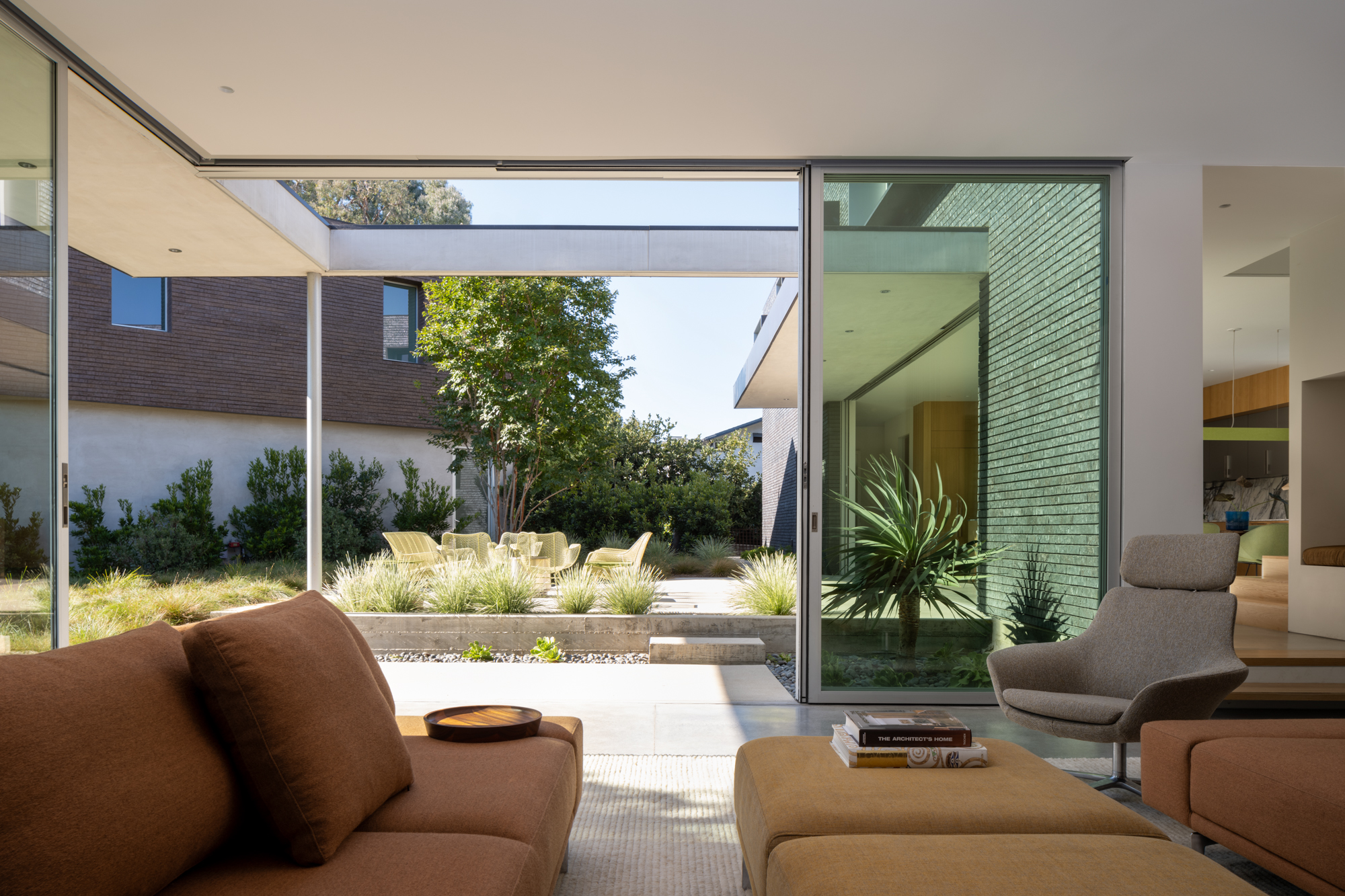
A Clearer Process for Builders and Trades
Builders do not need another open-ended scope arriving after framing. They need decisions that can be scheduled, coordinated, and executed without creating avoidable rework. HTE helps establish the sequence from design review through rough-in, trim-out, commissioning, and homeowner orientation.
That includes documentation around wiring pathways, equipment locations, control points, and dependencies with other trades. When questions come up, the goal is a timely, practical answer that keeps the project moving and protects finished work.
This same approach is useful on major renovations, where existing conditions require careful investigation. The scope may be more selective, but the coordination is no less important.
Design for Use, Not for a Product List
Architects and builders are often asked to make room for a growing list of systems. The better starting point is how the property will be used: arrival, entertaining, privacy, family routines, remote management, and day-to-day comfort. From there, the technology can be right-sized and organized around the home.
For example, lighting control and motorized shades can be coordinated with the lighting design, ceiling plan, and window treatments rather than added as separate selections. A reliable network plan can be shaped around the floor plan and exterior areas before coverage problems become visible after occupancy.
The homeowner benefits from technology that is straightforward to operate. The project team benefits from a system plan that is specific enough to build and flexible enough to evolve.
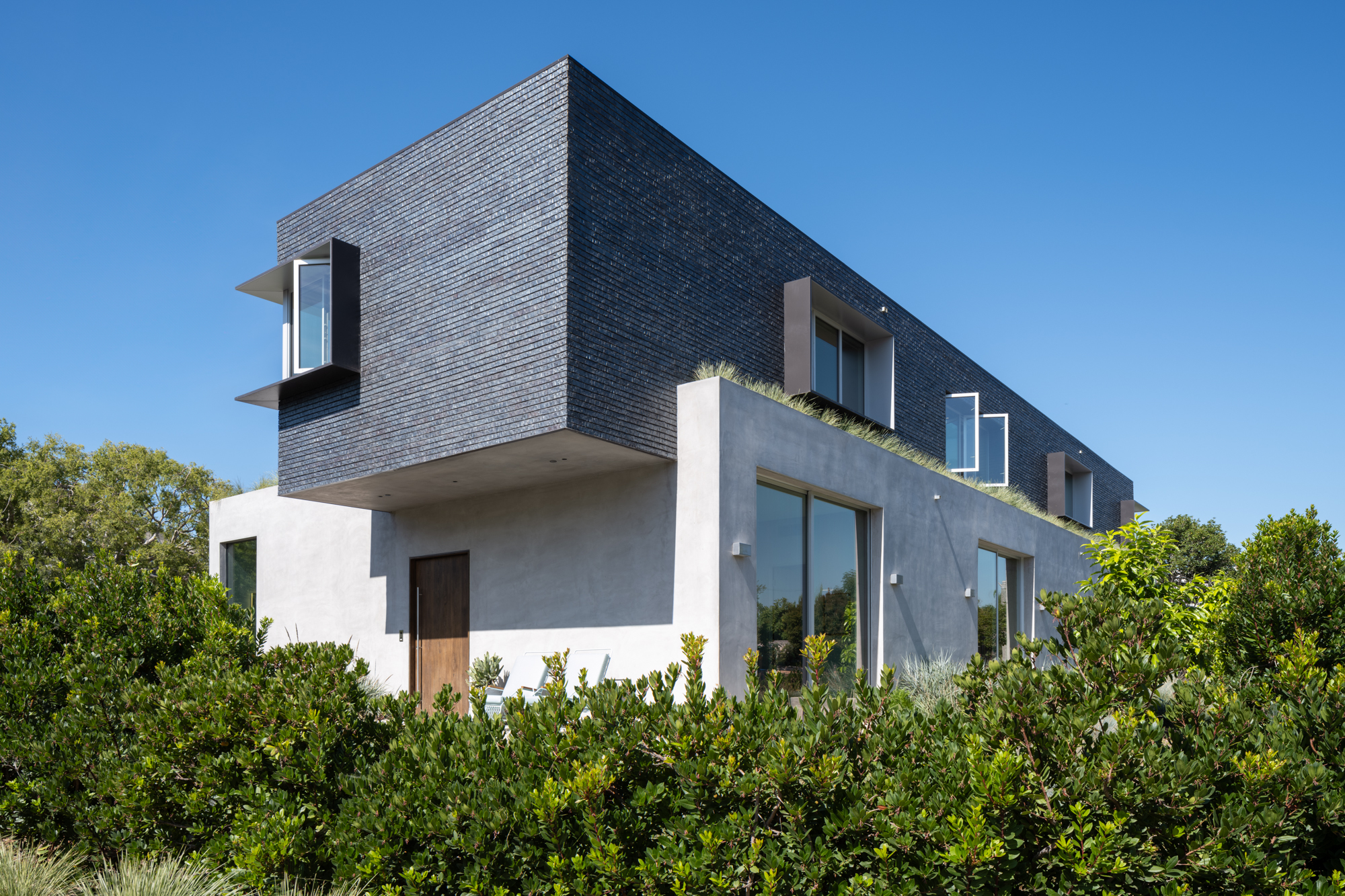
A Better Partner Relationship Begins Before the Bid
HTE values relationships with architects and builders because the best work is collaborative. We can join a project during early planning, provide technology-design support as the scope develops, and remain accountable through installation and ongoing service. The relationship is not limited to a homeowner referral or a last-minute equipment proposal.
For firms that want a more structured introduction to the topic, HTE also offers education for design partners. It is a useful way to discuss current options, coordination points, and the questions that should be answered before plans are finalized.
Frequently Asked Questions
When should an architect or builder involve a residential technology partner?
Ideally during design development, before electrical layouts, reflected ceiling plans, window treatments, millwork, equipment spaces, and exterior pathways are finalized. This preserves options and makes coordination more straightforward.
What does HTE provide during the planning phase?
HTE helps define the technology scope, infrastructure requirements, equipment and control locations, and trade dependencies. The level of detail is tailored to the project and can continue through rough-in, commissioning, and client handoff.
Does early technology planning require final product selections?
No. Early planning can focus on the decisions that affect construction, including pathways, power, space, control locations, and future flexibility. Specific products can be refined at the appropriate point in the schedule.
Can HTE support renovation projects on Long Island?
Yes. Renovation planning begins with existing conditions and aims to identify clean, practical options that protect finishes and avoid unnecessary disruption.