Smart Home Integration for Renovations
Renovation Integration: Timing and Coordination
Smart home integration works best when it’s planned early and coordinated carefully. The right timing reduces delays, avoids rework, and keeps the project aligned from start to finish.
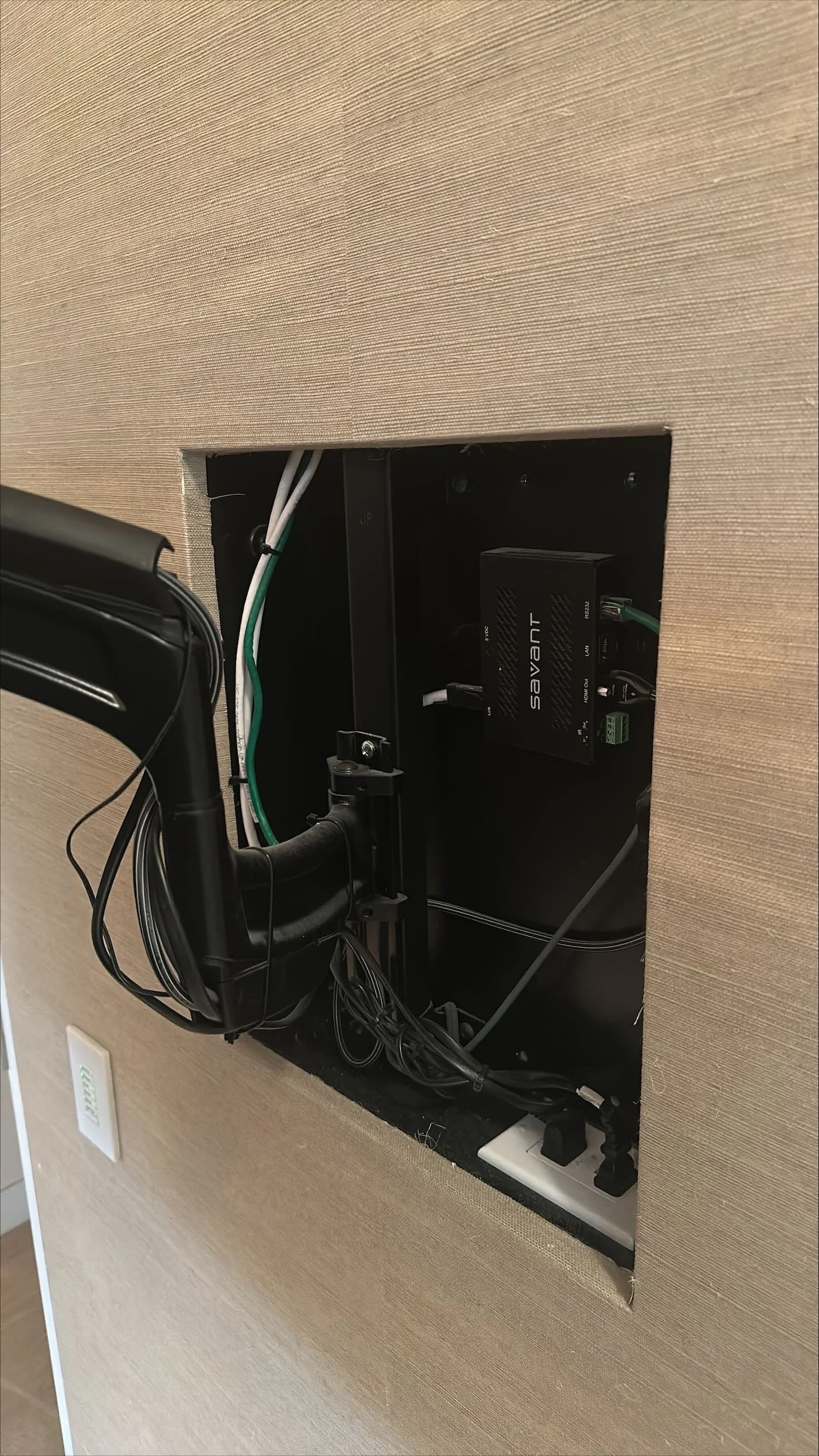
This is true for renovations, as well. Pre-planning reduces the cuts into walls, millwork, closets, and other spaces. A well thought out design will look as at home as integration done during construction.
Start Technology Planning Early
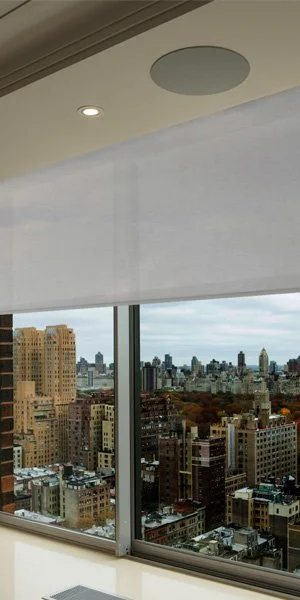
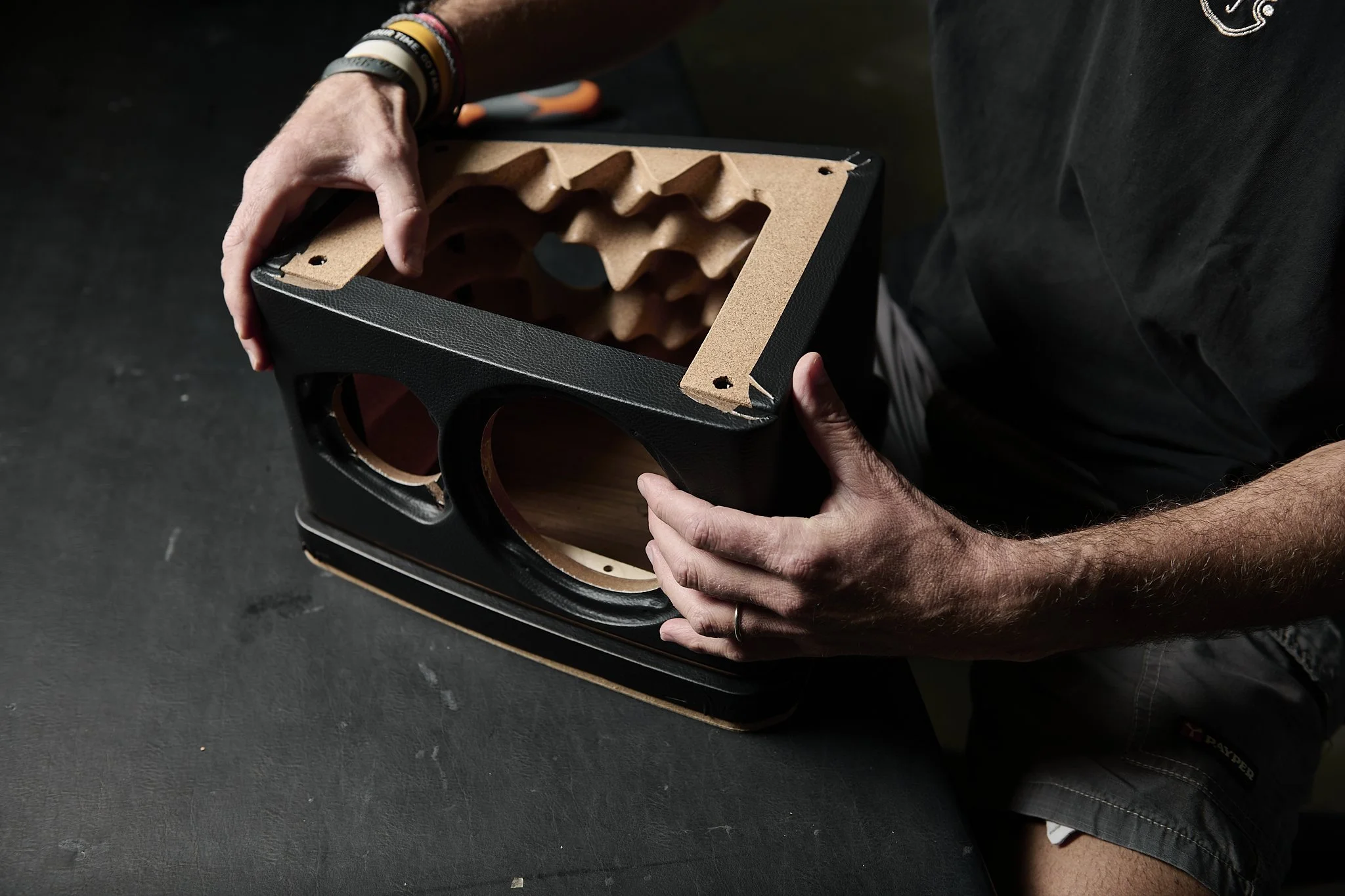
Technology should be addressed during design or pre-renovation—not after work begins. Early planning ensures lighting control, shading, audio, networking, and automation are accounted for before framing and electrical work, when changes are simple and predictable.
Coordinate with the Build Team
Integration depends on alignment with the general contractor and trades. We coordinate with electricians, HVAC, and other teams to ensure placements and pathways are practical, serviceable, and consistent with the overall design.
Use the Rough-In Phase Properly
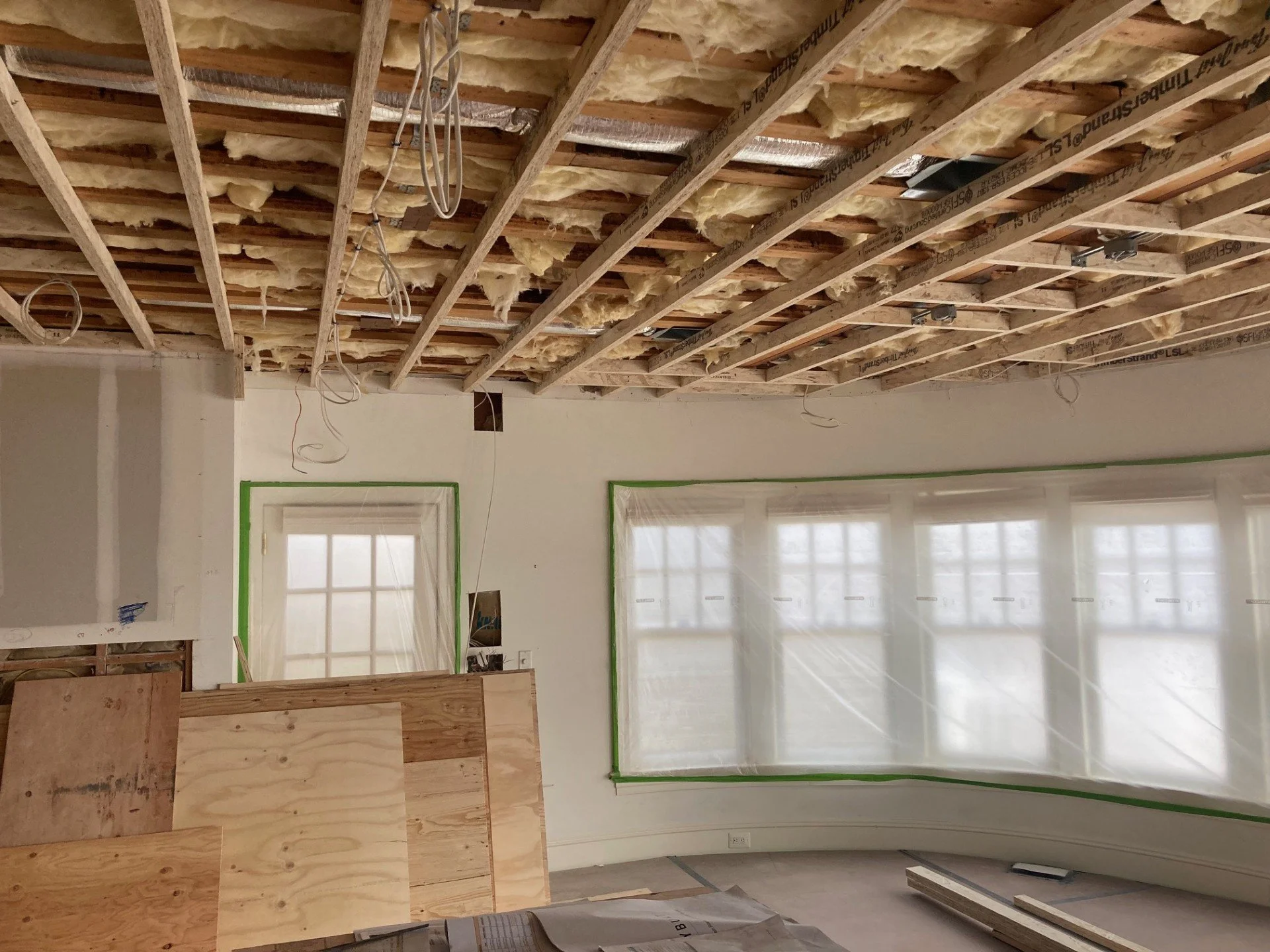
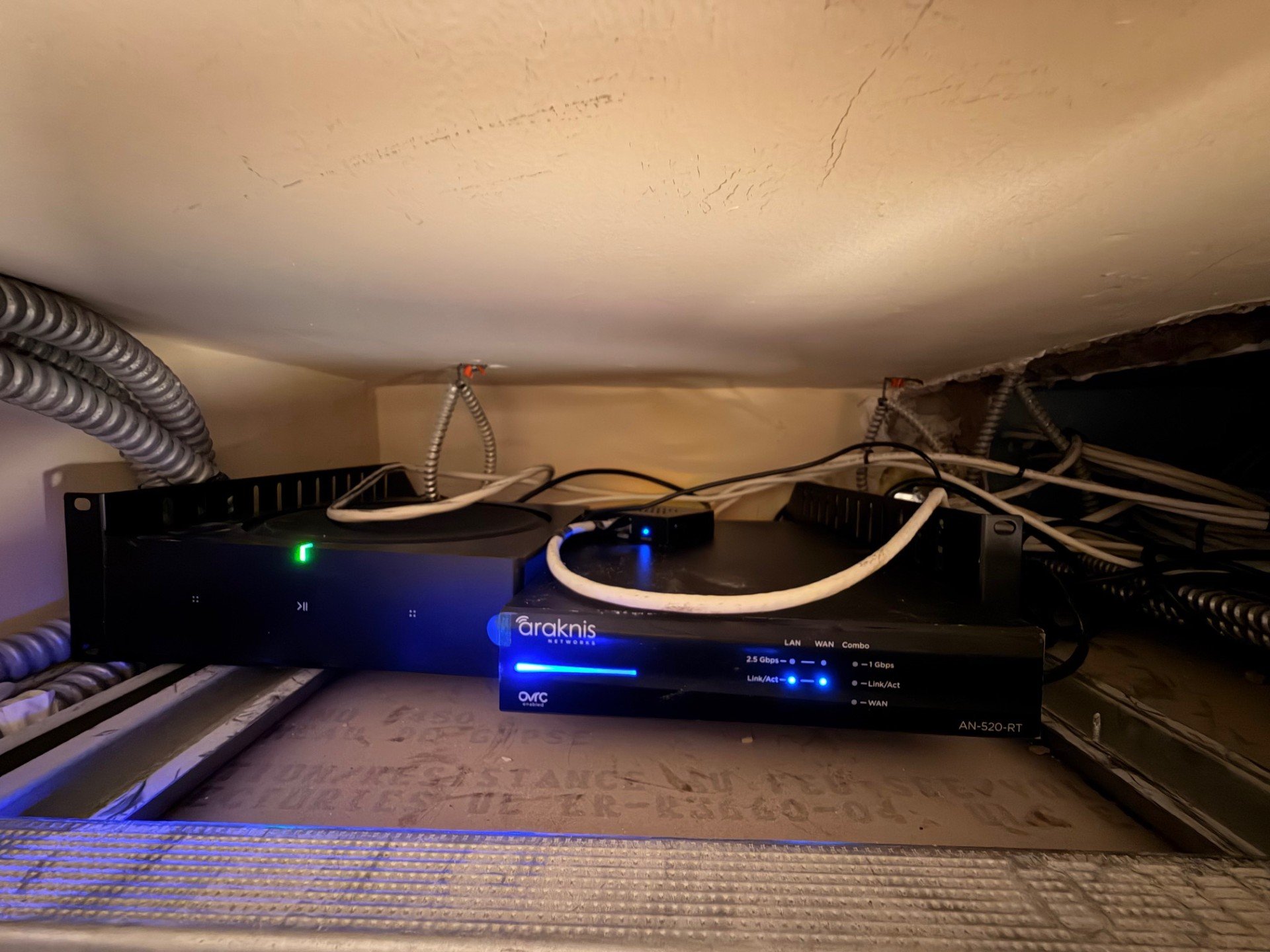
Low-voltage wiring, cabling, and system infrastructure, are installed during rough-in, before insulation and drywall. At this stage, Home Technology Experts (HTE) also defines equipment locations to ensure proper access, ventilation, and long-term reliability.
Reduce Change Orders
Late decisions introduce UNNECESSARY cost and complexity. A clear, well-documented plan established early helps avoid revisions and keeps the project moving without unnecessary disruption.
Work in Phases, Not All at Once
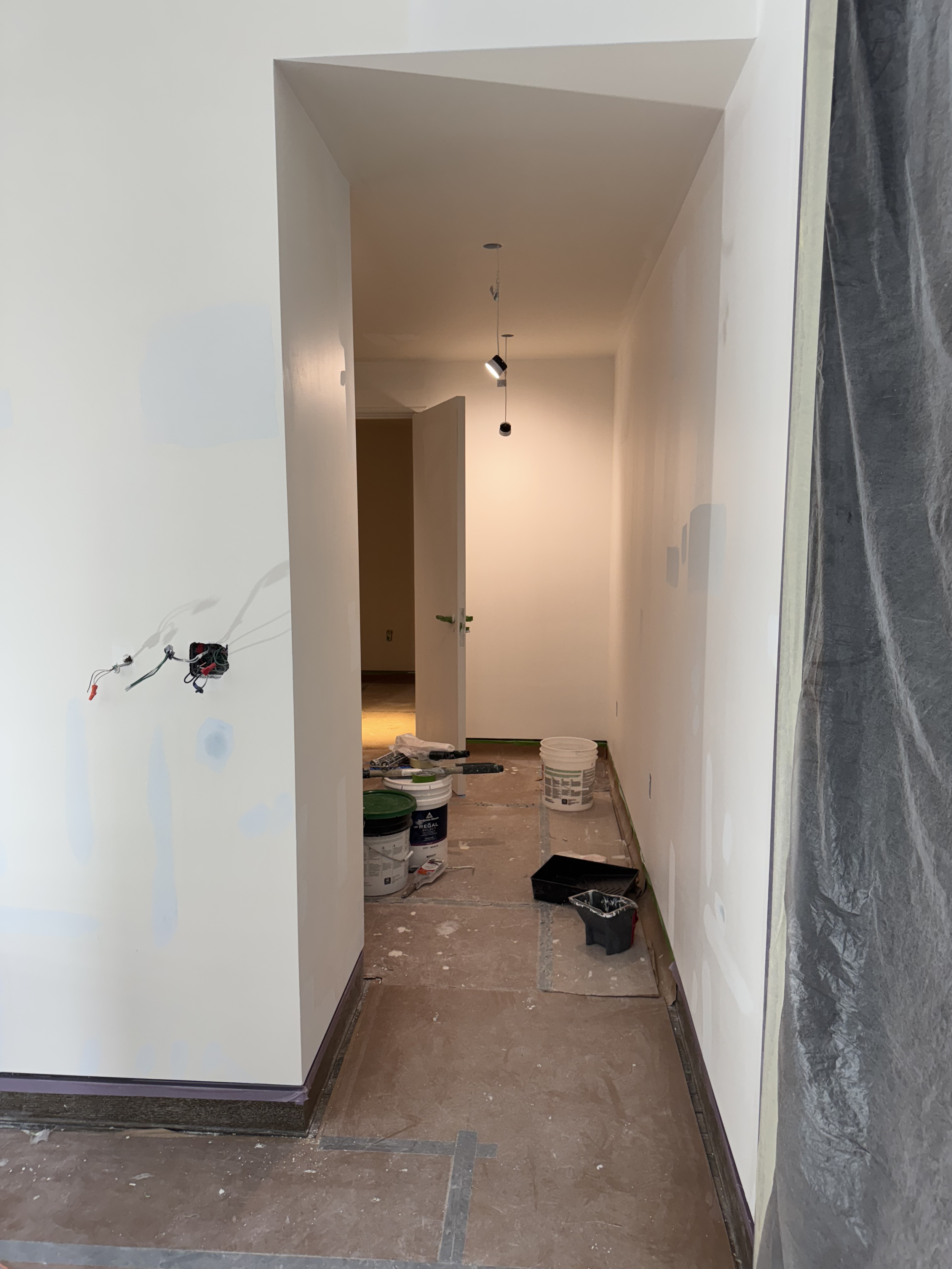
Integration follows a structured sequence: rough-in, trim-out, equipment installation, programming, and final testing. Coordinating access during each phase protects finished surfaces and maintains momentum.
Test Before Walls Close
All wiring and connections are tested prior to drywall. Verifying integrity and labeling at this stage prevents avoidable issues later, when fixes are more invasive.
A More Predictable Renovation
When technology is planned early and coordinated properly, the entire project runs more smoothly. The result is a system that’s reliable, serviceable, and built to be supported long after construction is complete.
Planning a renovation? Involve us early, so your technology is coordinated, predictable, and ready to support the home long-term.