
Pre-Construction Technology Planning
Smart Home Pre-Wiring: Avoid the Closed-Wall Tax.
Before the walls close, plan the systems that will live behind them. HTE coordinates the technology infrastructure for Hamptons and Manhattan residences before finished surfaces make every decision harder—and more expensive.
Plan the invisible work before the finishes arrive.
The Cost of Waiting
One decision. Two very different price tags.
Smart home pre-wiring and new-construction technology planning are easiest to design while the project team can still coordinate pathways, power, controls, shade pockets, equipment space, cooling, and service access. At that stage, technology is part of the plan—not a change to it.
After drywall, ceilings, cabinetry, millwork, and finished surfaces are installed, the same decisions may require demolition, patching, repainting, schedule changes, and renewed coordination across multiple trades. That avoidable burden is the closed-wall tax.
The cost is not only labor. Late planning can force visible devices into the wrong places, limit lighting and shading options, weaken home network performance, or leave no graceful path for future upgrades. Early technology design protects the architecture, the schedule, and the investment.
Before the Walls Close
Plan once.
Coordinate the infrastructure while framing is open and the team can make clean, deliberate decisions.
- Confirm cable pathways and power
- Coordinate keypads, controls, and device locations
- Reserve shade pockets and equipment space
- Plan ventilation, access, and future capacity
After the Walls Close
Open them again.
Add construction work and compromises to the same technology decision.
- Demolition, patching, and repainting
- Revised schedules and added coordination
- Visible devices where concealment is no longer possible
- Fewer choices for current and future systems
What Early Planning Protects
Smart home pre-wiring for Hamptons and Manhattan projects.
A complete residential technology plan considers the systems you want now, the architecture that must remain visually quiet, and the pathways that preserve future choices.
Architecture
Technology locations are coordinated with reflected ceiling plans, millwork, furnishings, and key sightlines so the finished home remains composed.
Schedule
Decisions are made before they become RFIs, change orders, or field conflicts that interrupt the sequence of construction.
Performance
Network and whole-property Wi-Fi coverage, equipment ventilation, power, and cable infrastructure are designed as systems rather than improvised room by room.
Budget
The project invests in planned infrastructure instead of paying for finished work to be removed and rebuilt.
Design Intent
Lighting control, architectural motorized shades, audio, displays, security, and climate controls support the interiors without competing for attention.
Future Choice
Thoughtful pathways and spare capacity make later upgrades possible without reopening the most carefully finished parts of the home.

One Technology Partner
At the table before decisions become construction changes.
HTE works with homeowners and its builder, architect, and interior-design partners, along with electricians, millworkers, and other trades, to translate lifestyle goals into coordinated technical requirements.
Our role extends from design through installation and long-term service. From discreet controls to integrated audio and video systems, that continuity matters: the team that understands why a pathway, equipment location, or control position was specified is also accountable for how the completed system performs.
For projects in Southampton, East Hampton, Bridgehampton, across the Hamptons, and in Manhattan, early coordination helps preserve the details that make the residence feel effortless.
The Right Sequence
Plan before the finish line.
Technology planning does not require every final product choice on day one. It requires timely decisions about infrastructure, coordination, and the experience the home should ultimately deliver.
01
Discover
Define how the owners want to live, entertain, work, secure, and manage the residence.
02
Design
Translate those priorities into system concepts, infrastructure requirements, locations, and documentation.
03
Coordinate
Align the technology plan with architecture, interiors, electrical, lighting, millwork, and construction milestones.
04
Support
Install, commission, explain, and maintain the systems with a team that knows the project from the beginning.
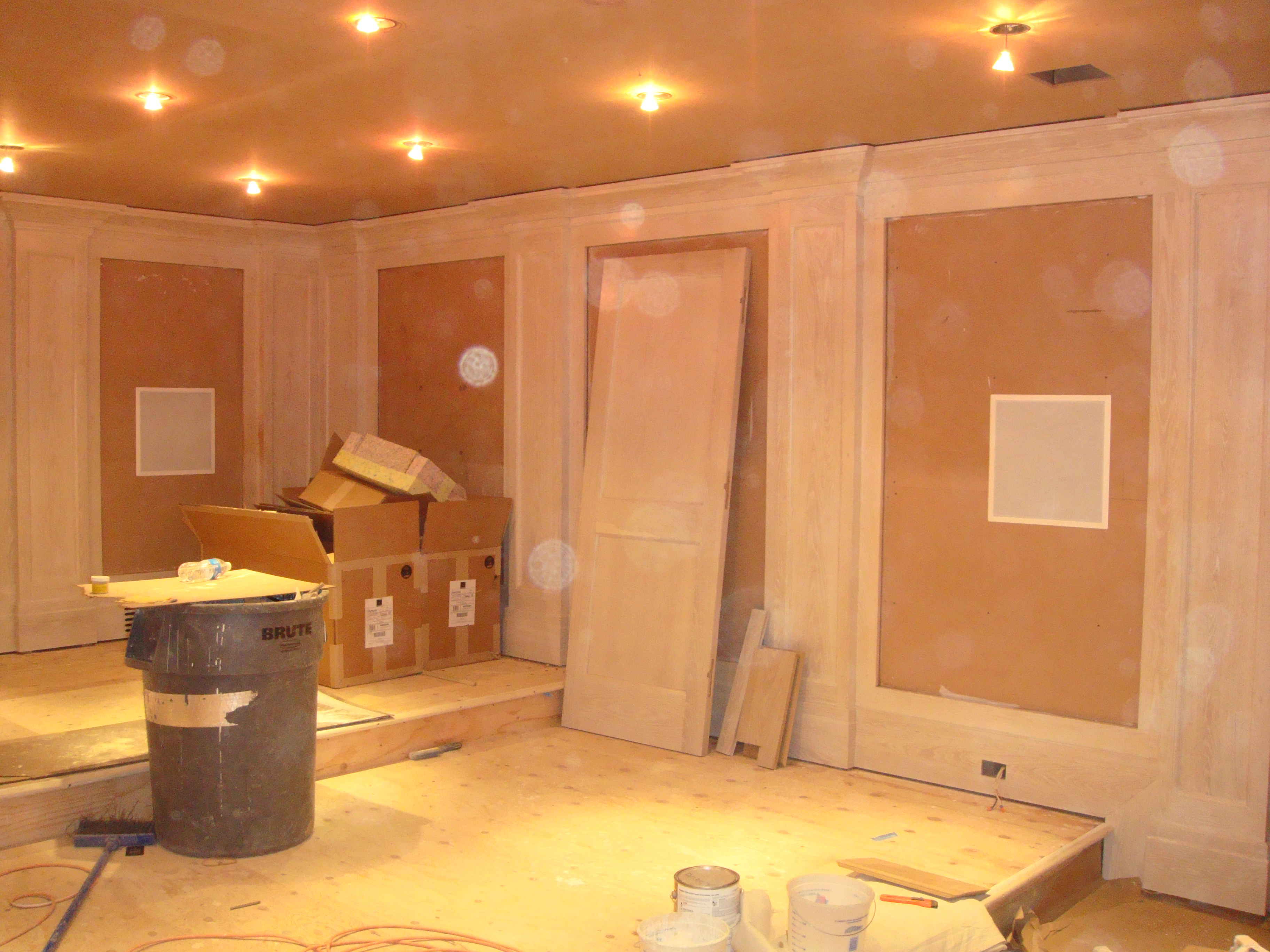
Before the Walls Close
Make technology part of the plan.
Bring HTE into your new construction or renovation project early enough to protect the architecture, schedule, and investment.
Common Questions