
Experience the Lutron Shade Gallery
Lutron shades are premium motorized window treatments (smart blinds and shades) produced by Lutron Electronics, a company best known for its high-end lighting control systems like dimmers and smart lighting. They specialize in automated shades that integrate seamlessly with smart home setups, offering precise control over natural light, privacy, energy efficiency, and ambiance in homes.
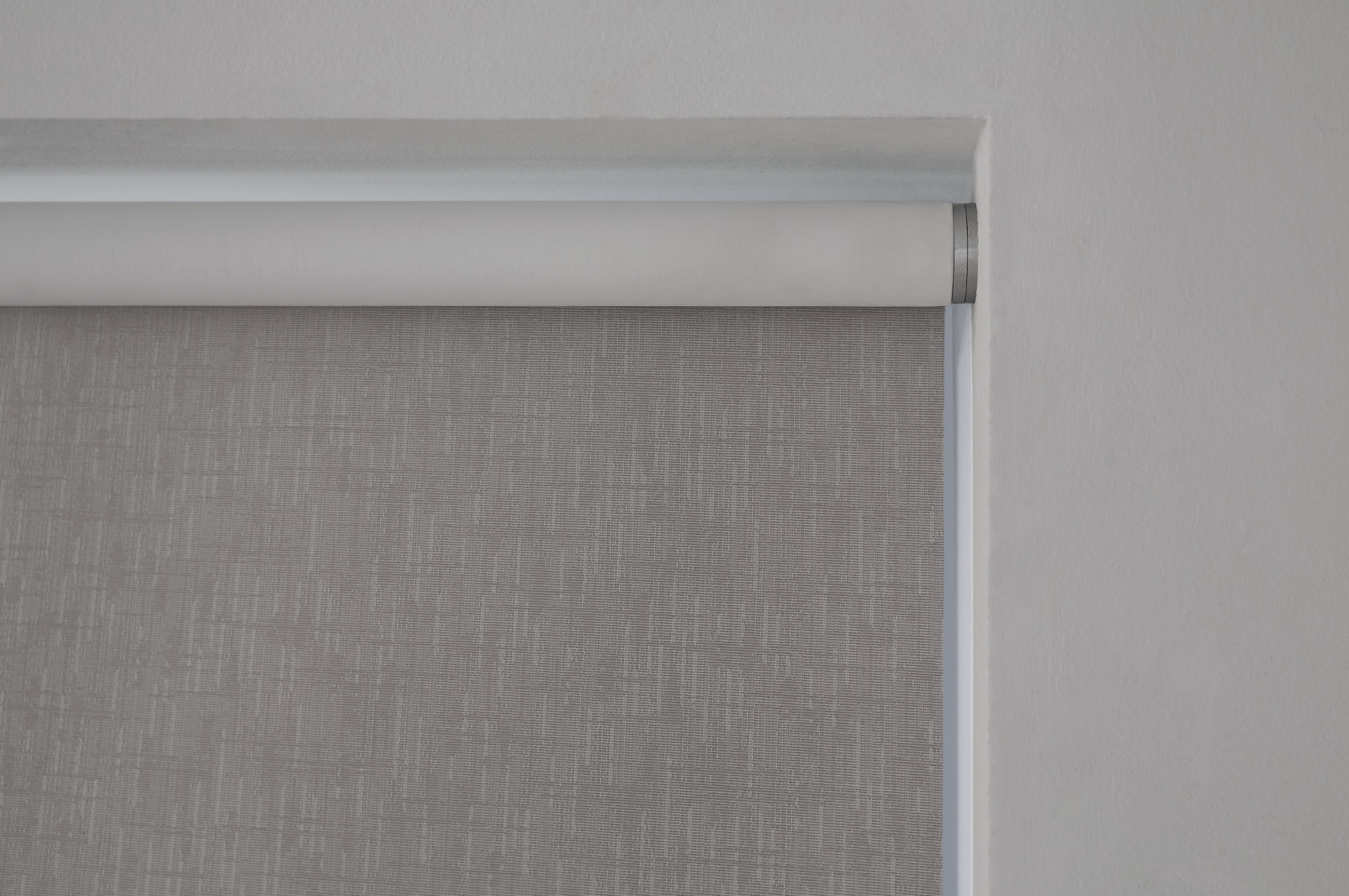
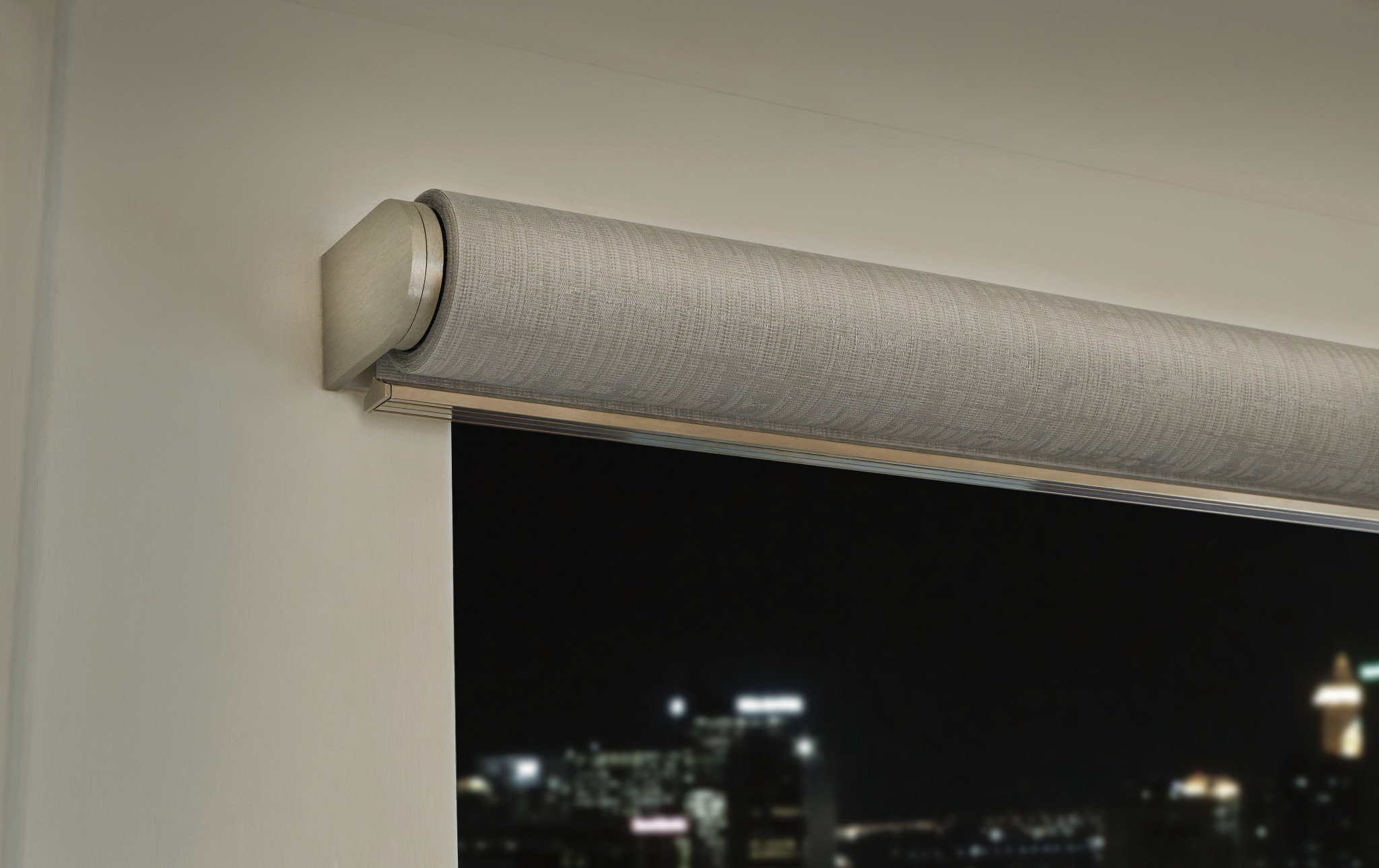
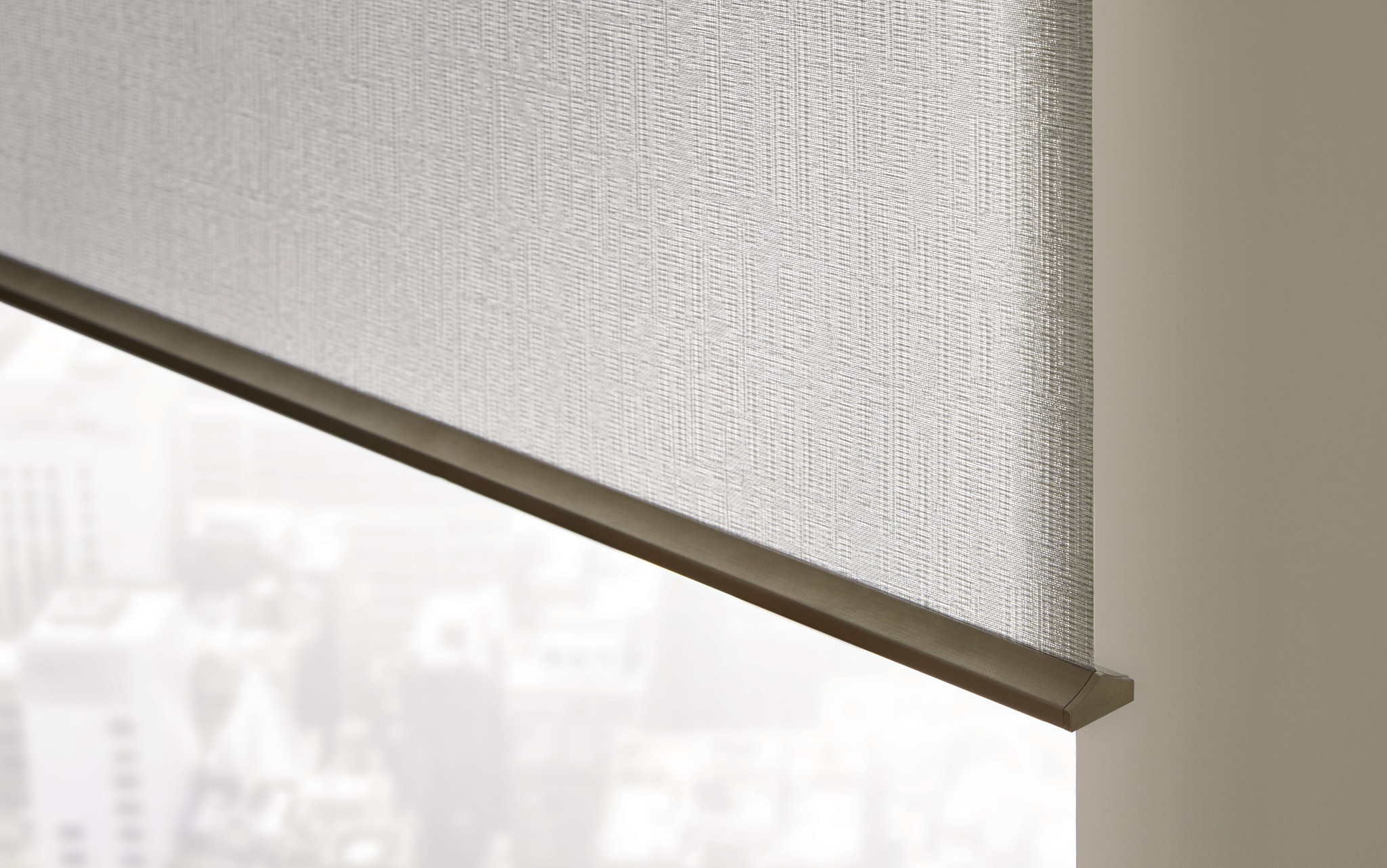
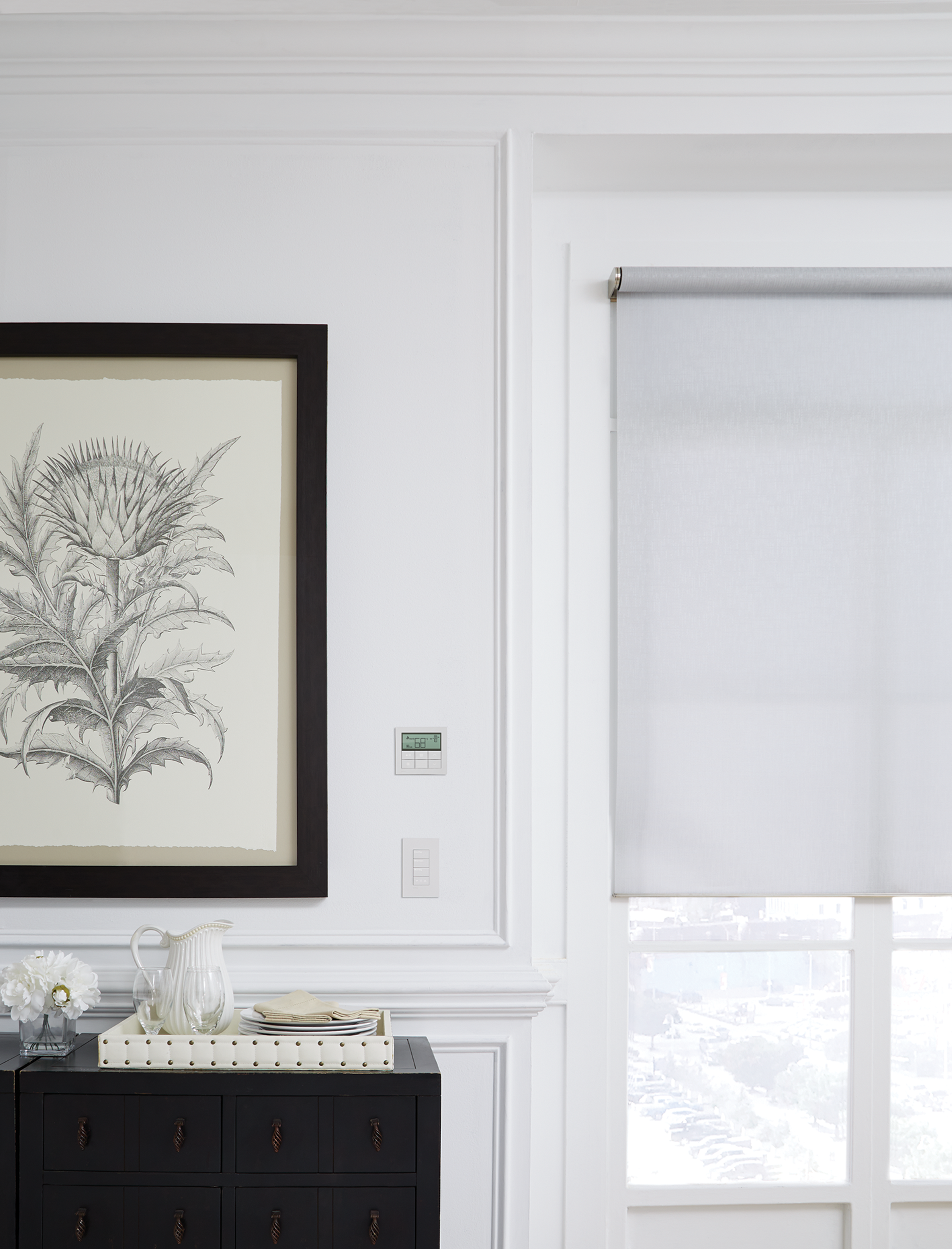
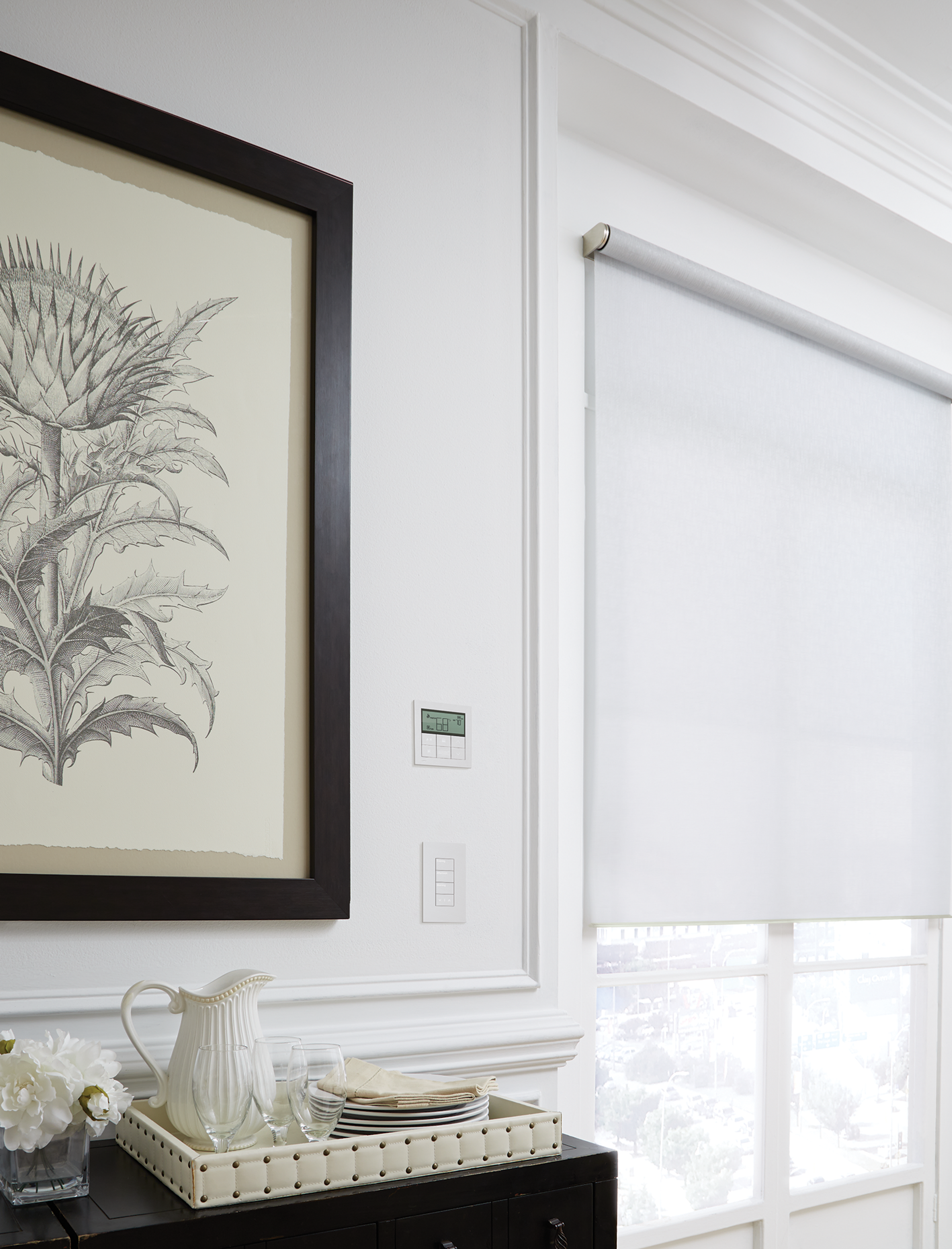
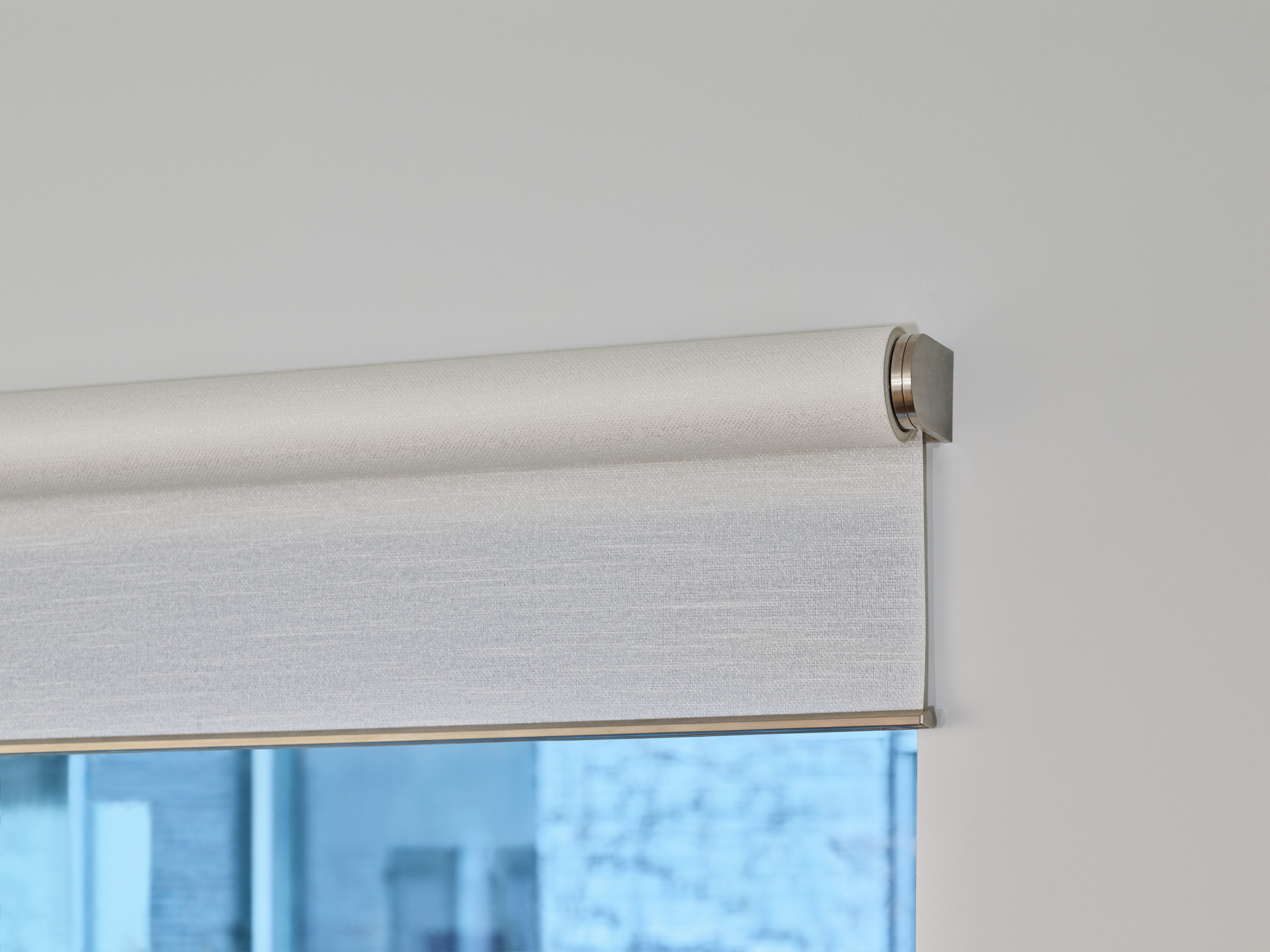
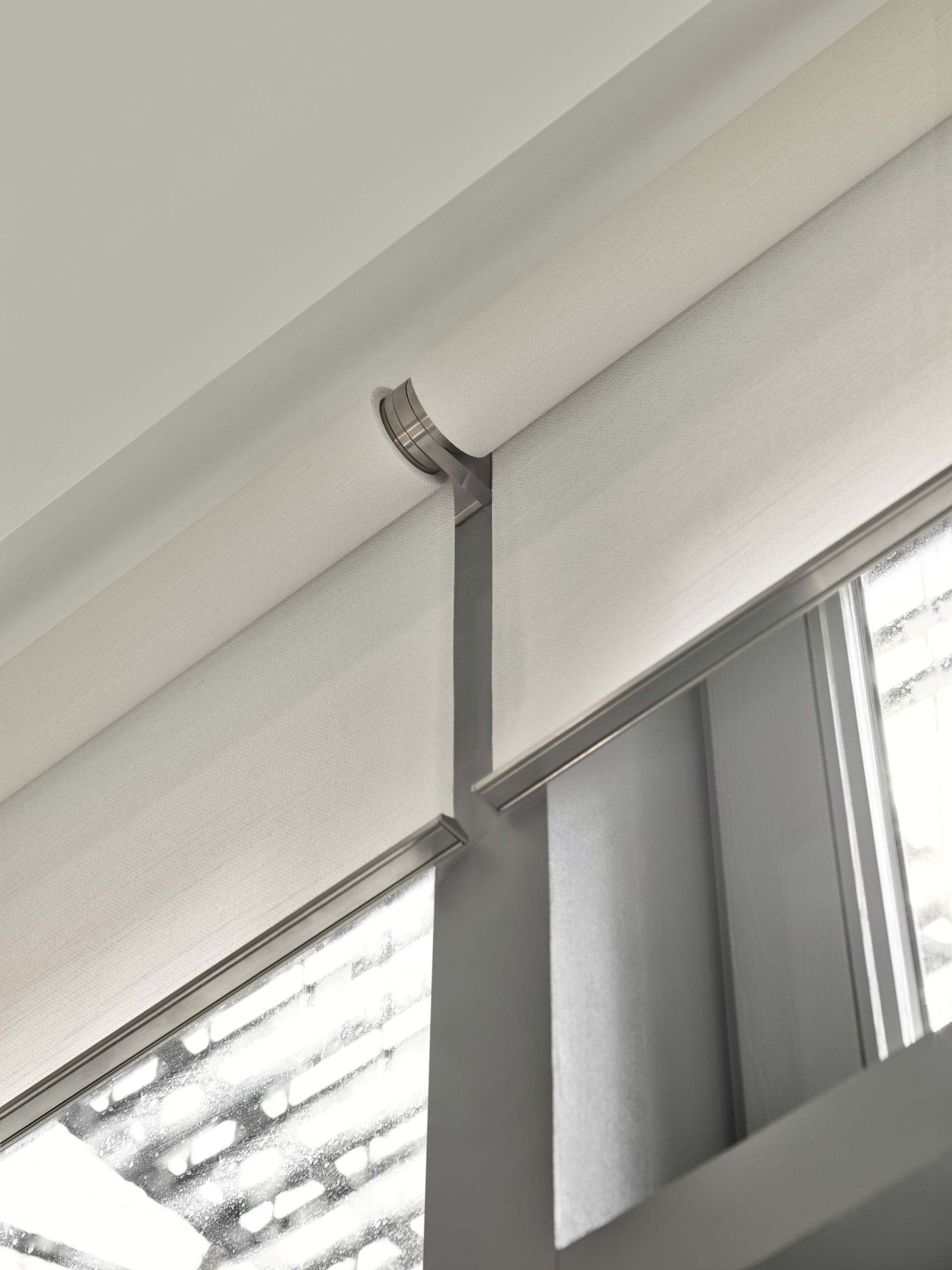
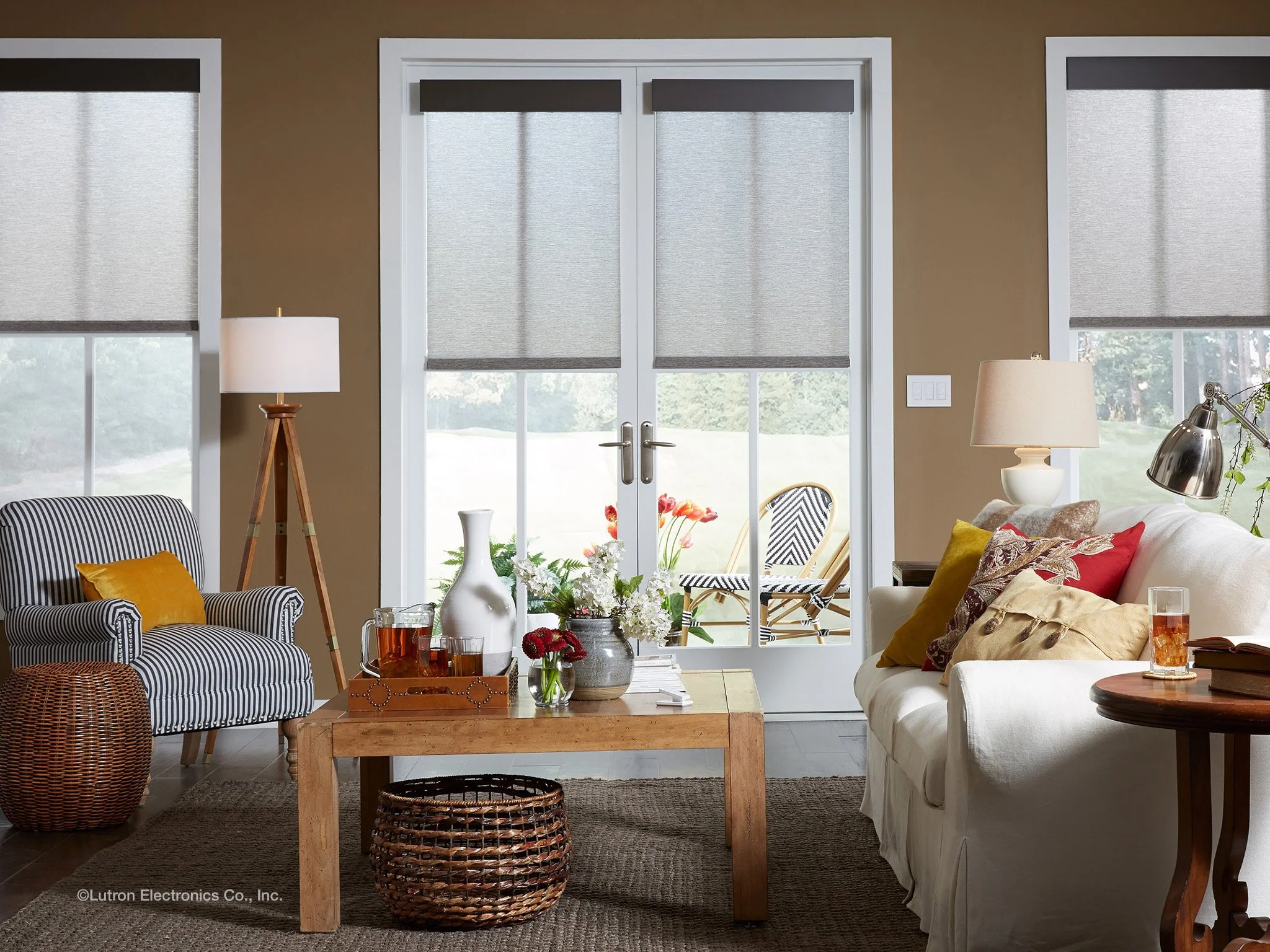
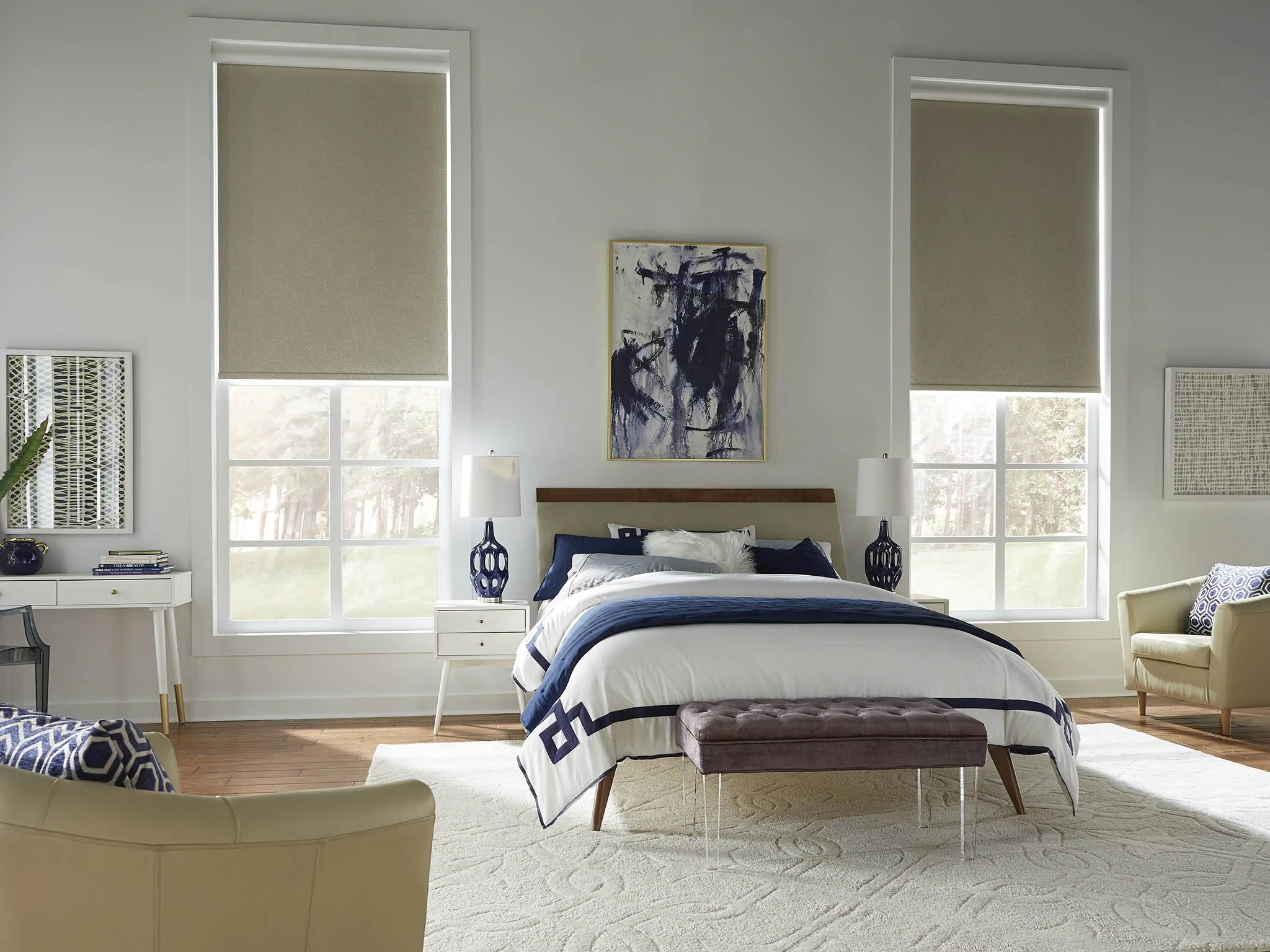
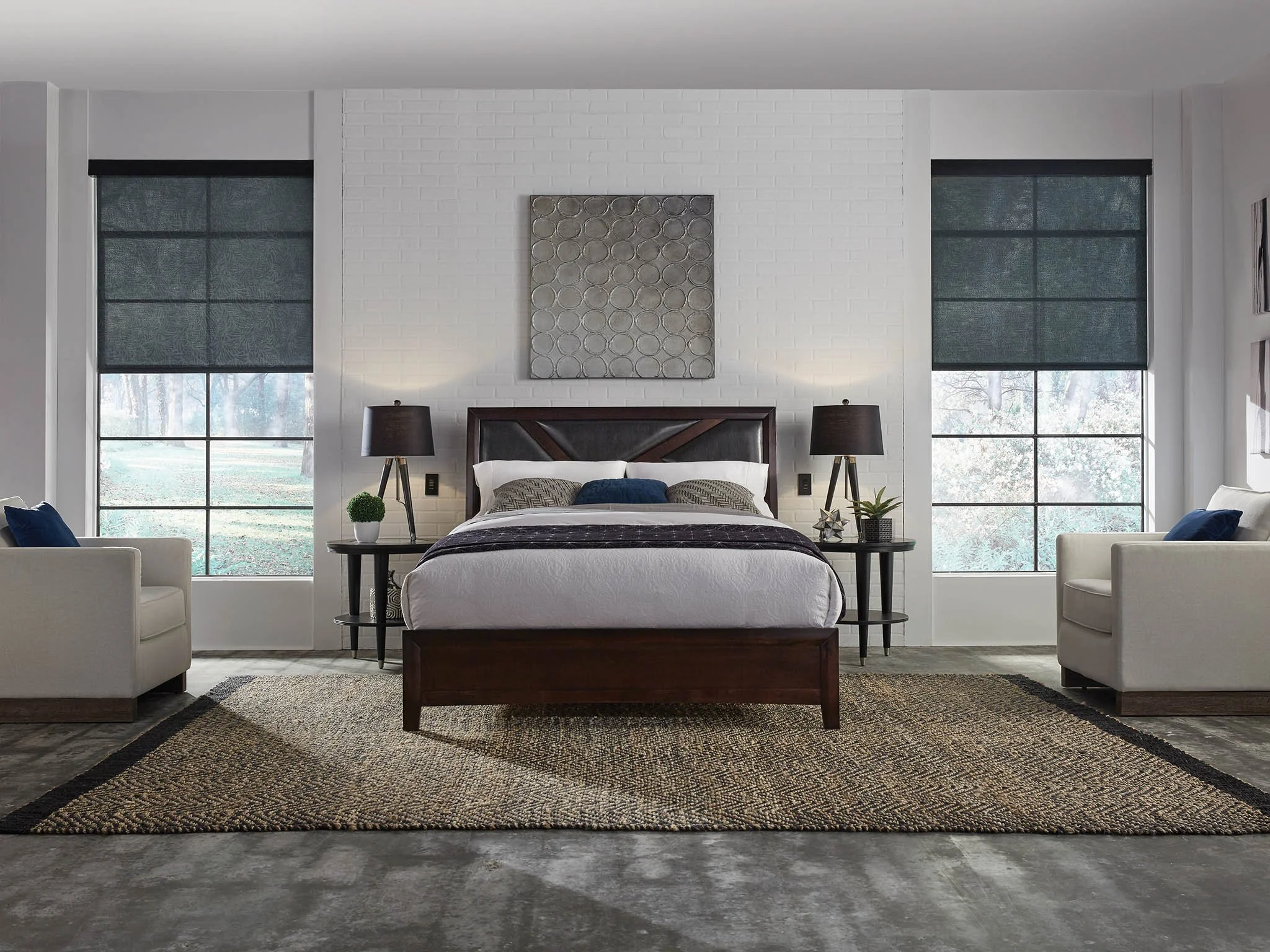
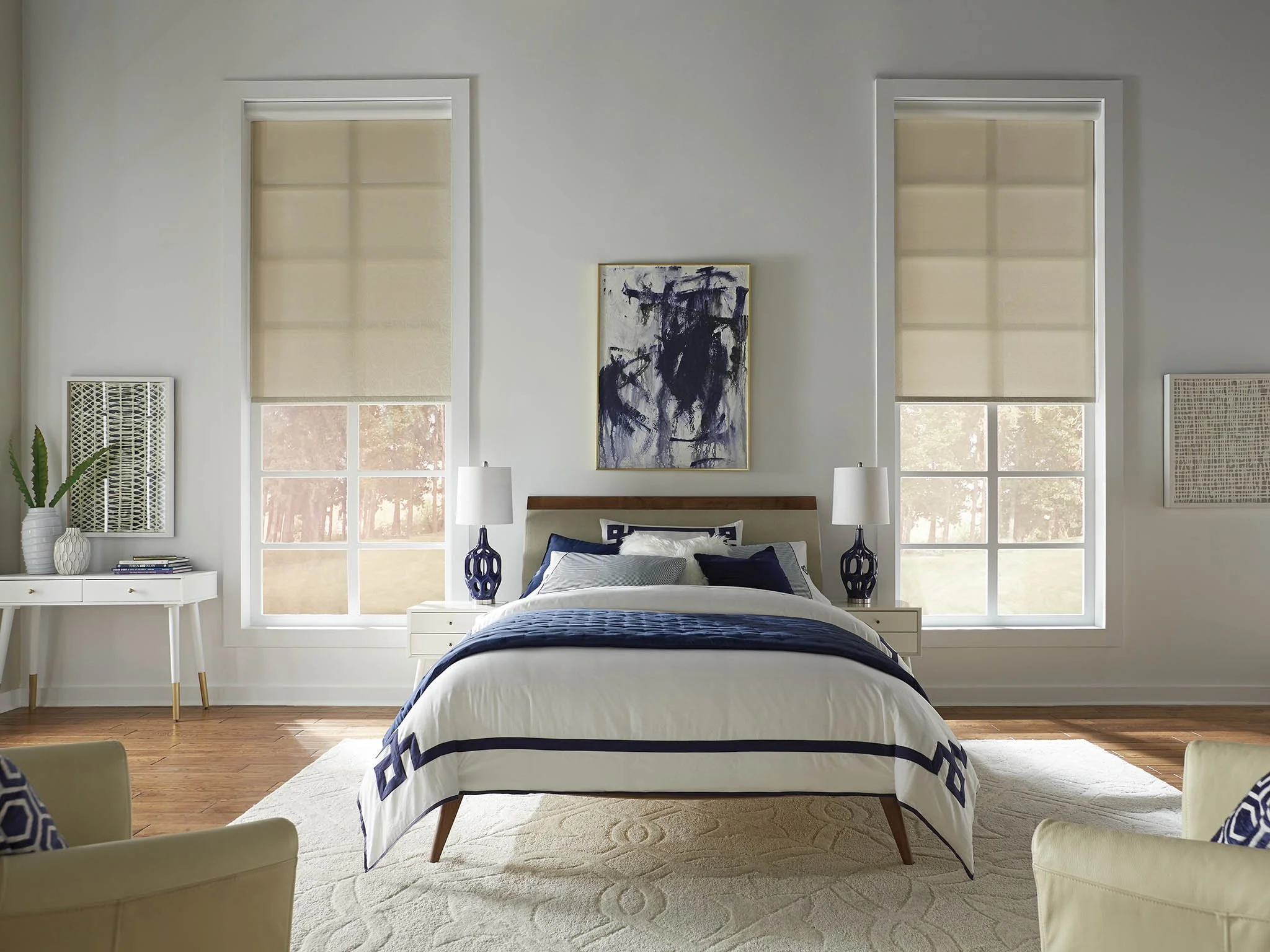
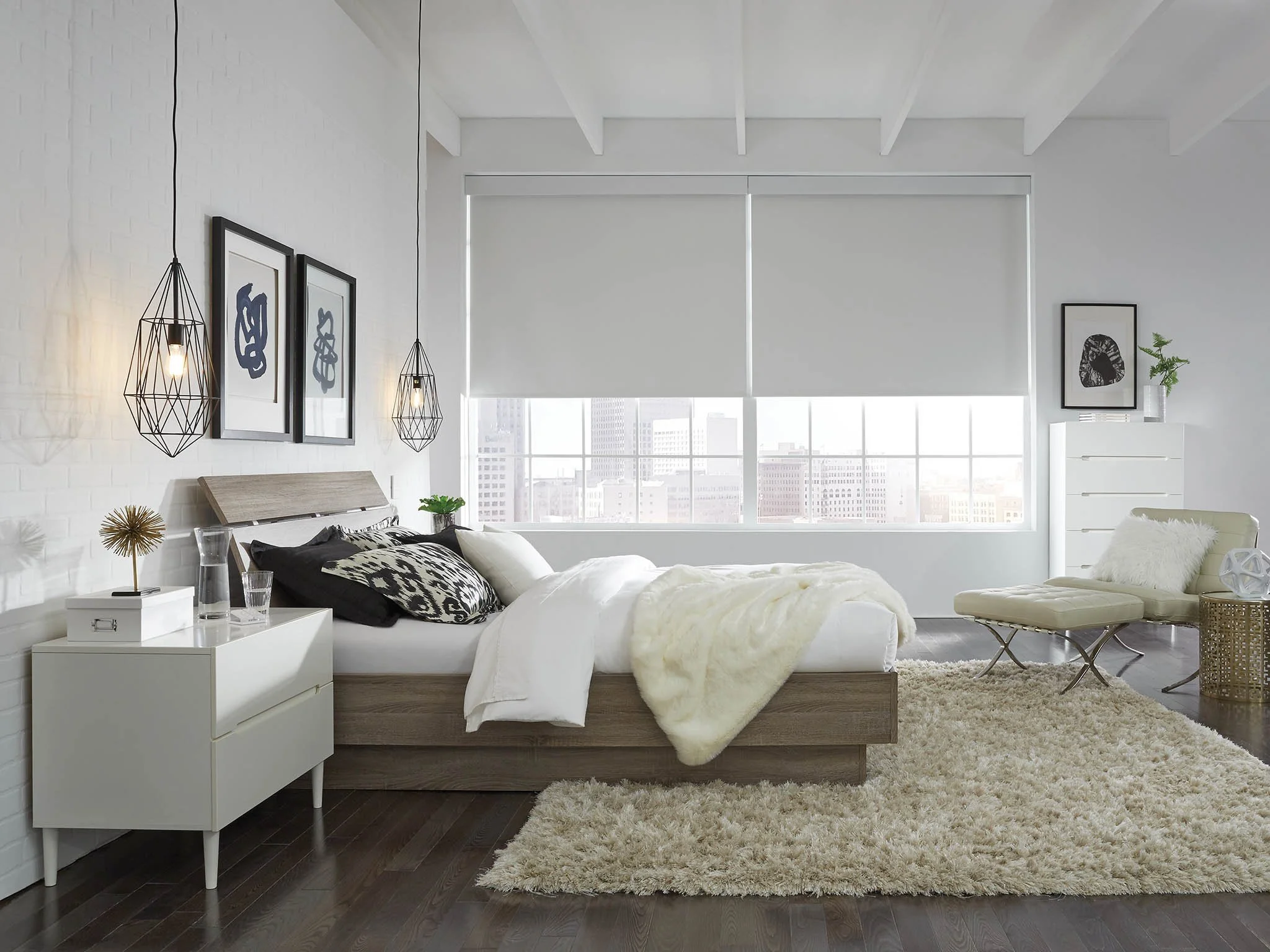
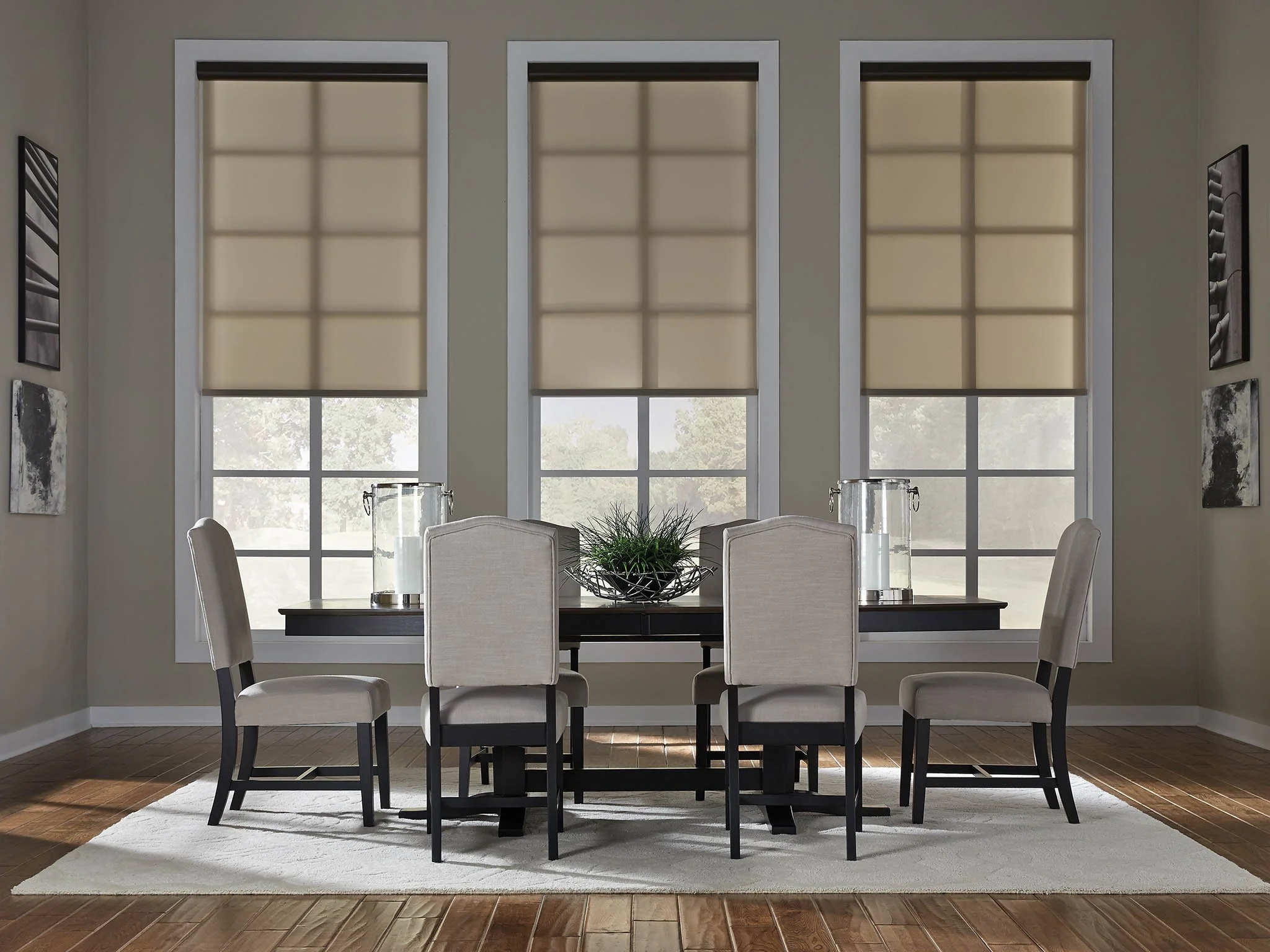
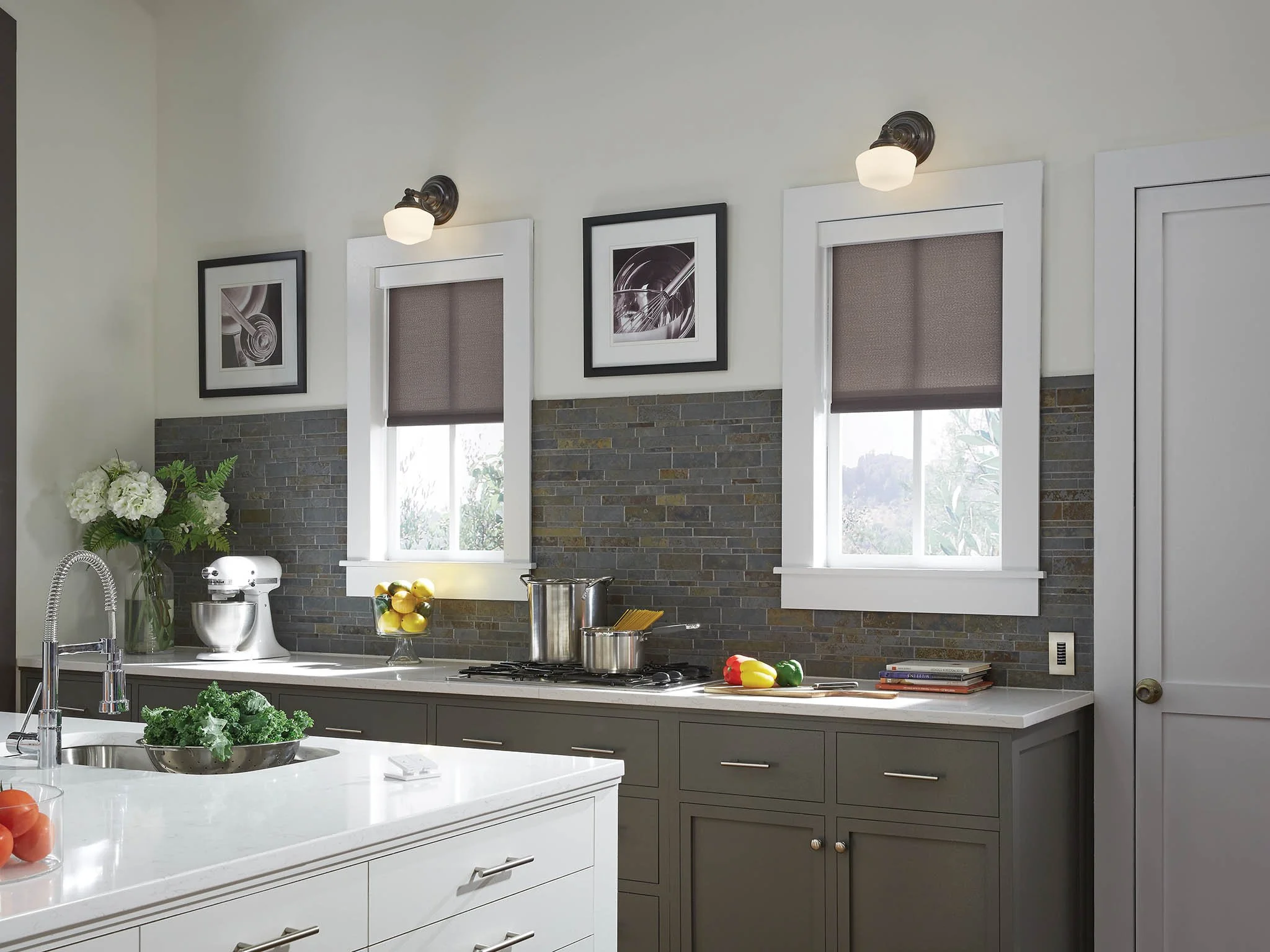
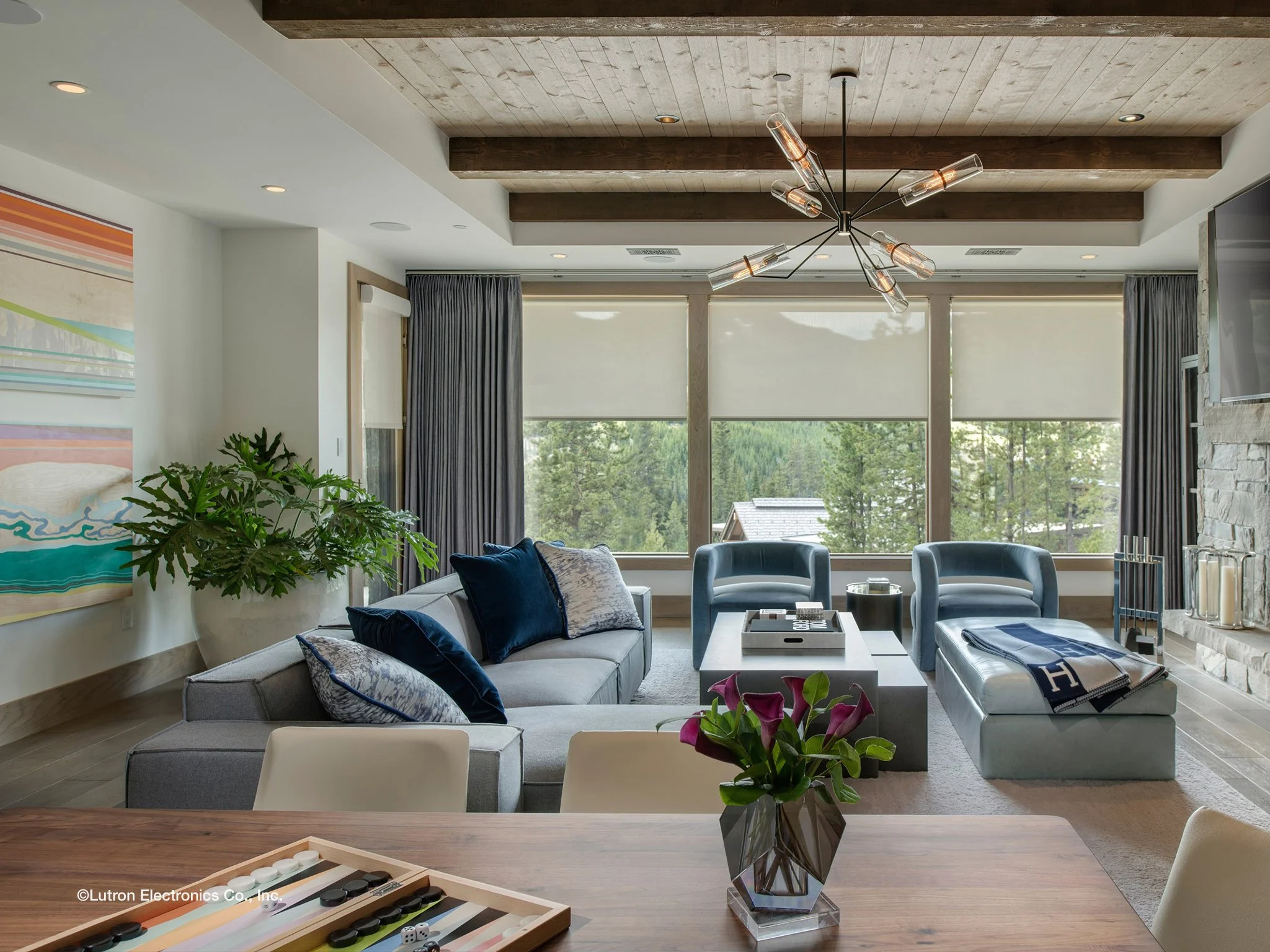

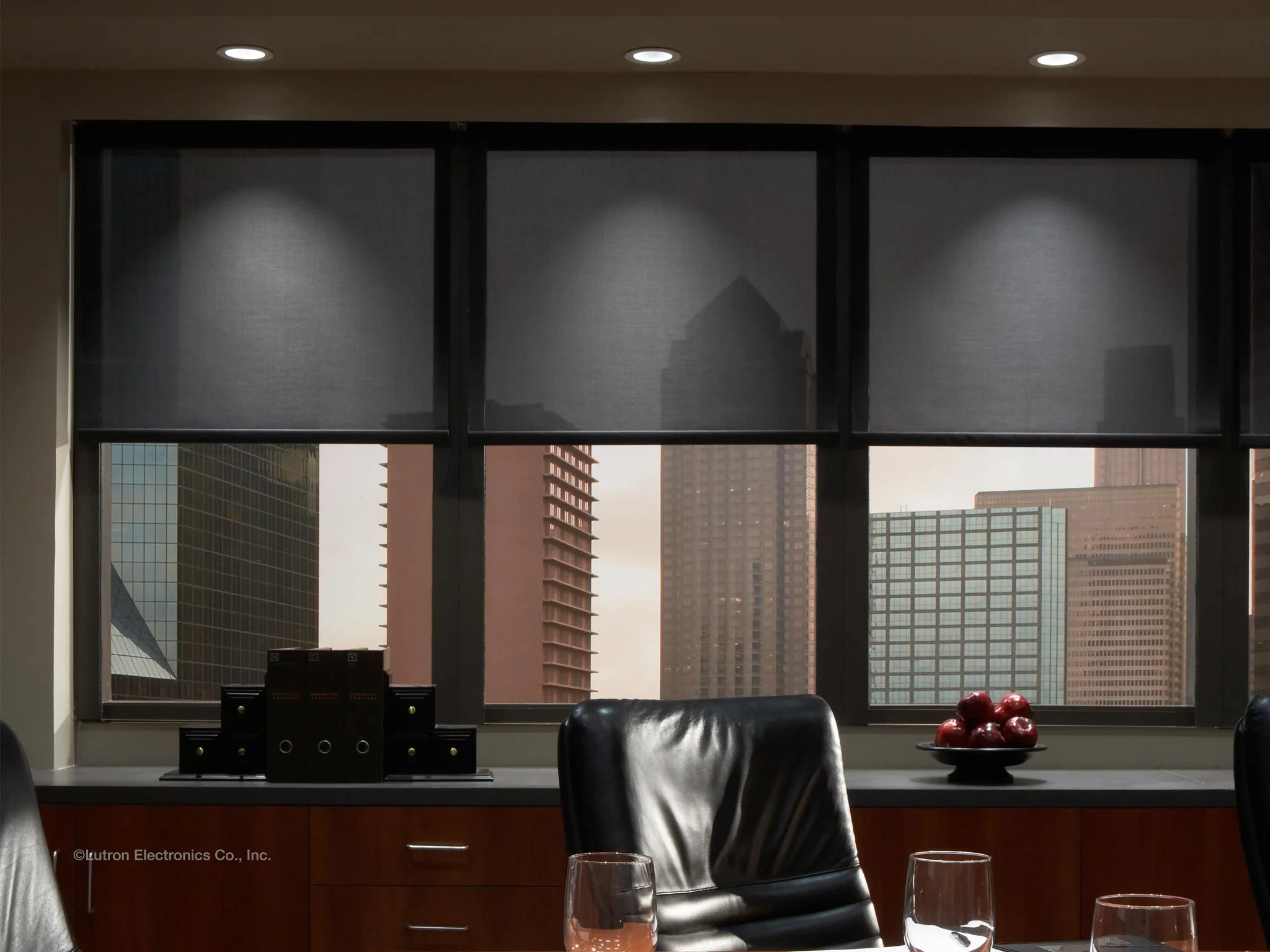
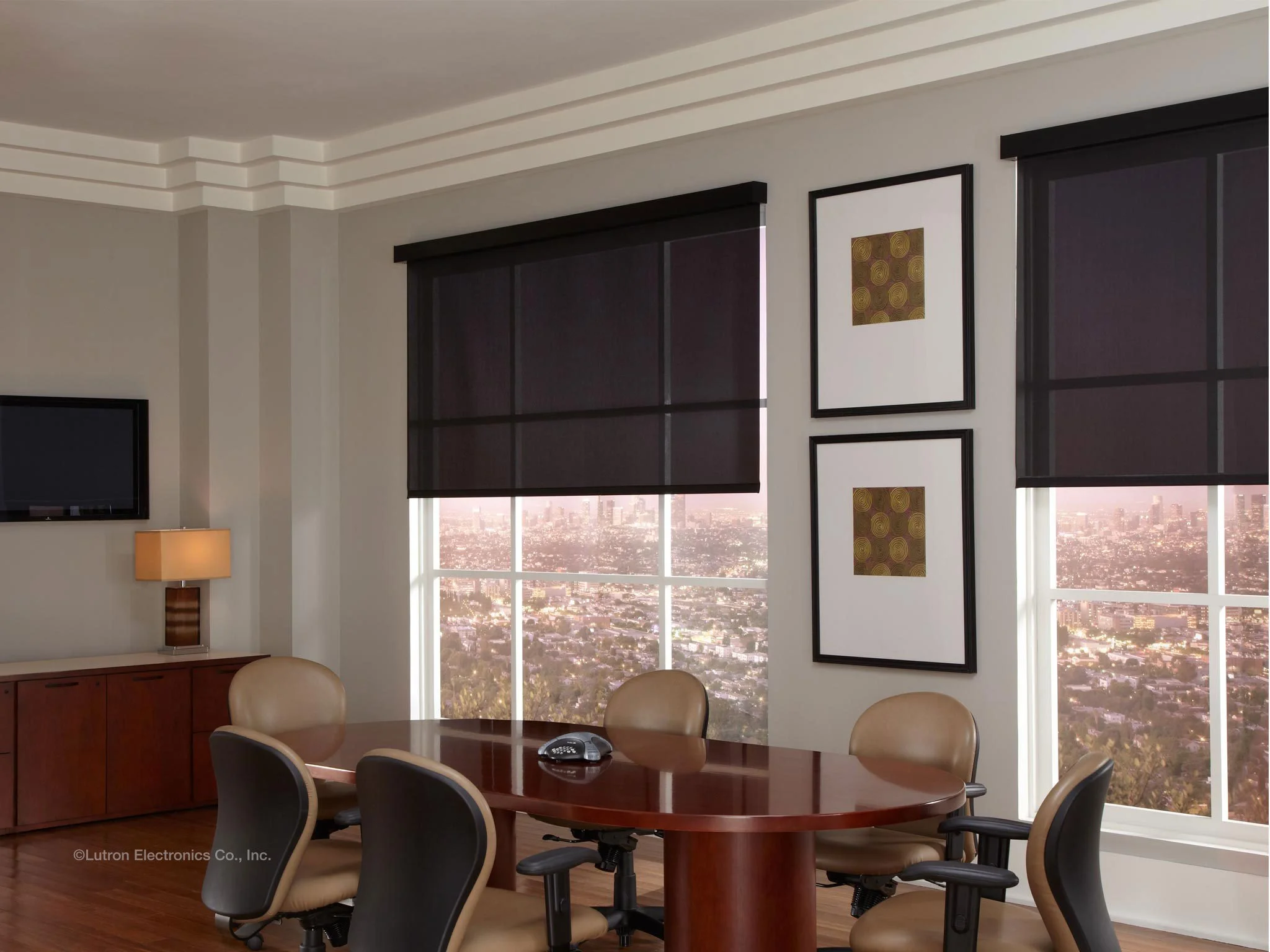

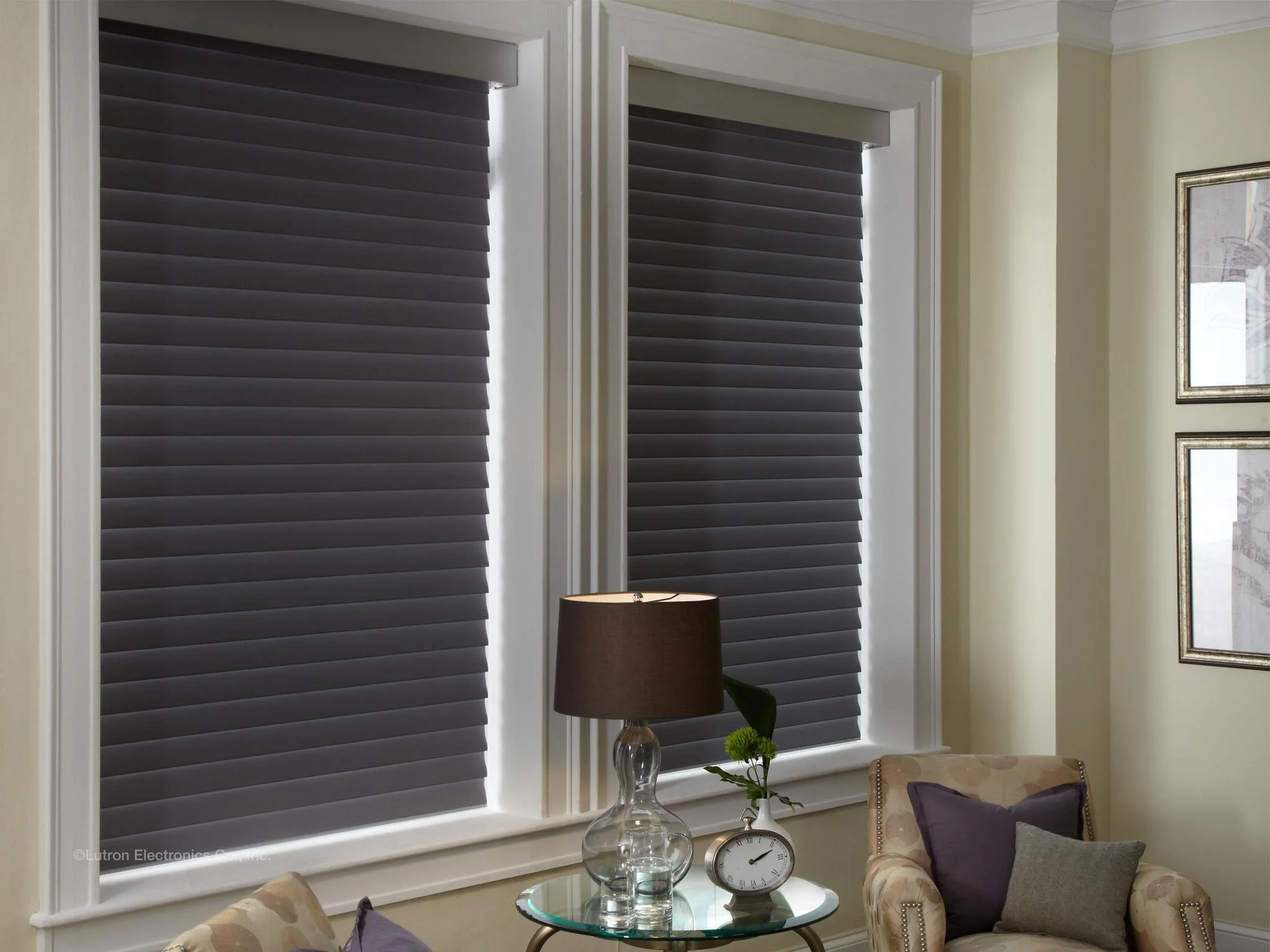
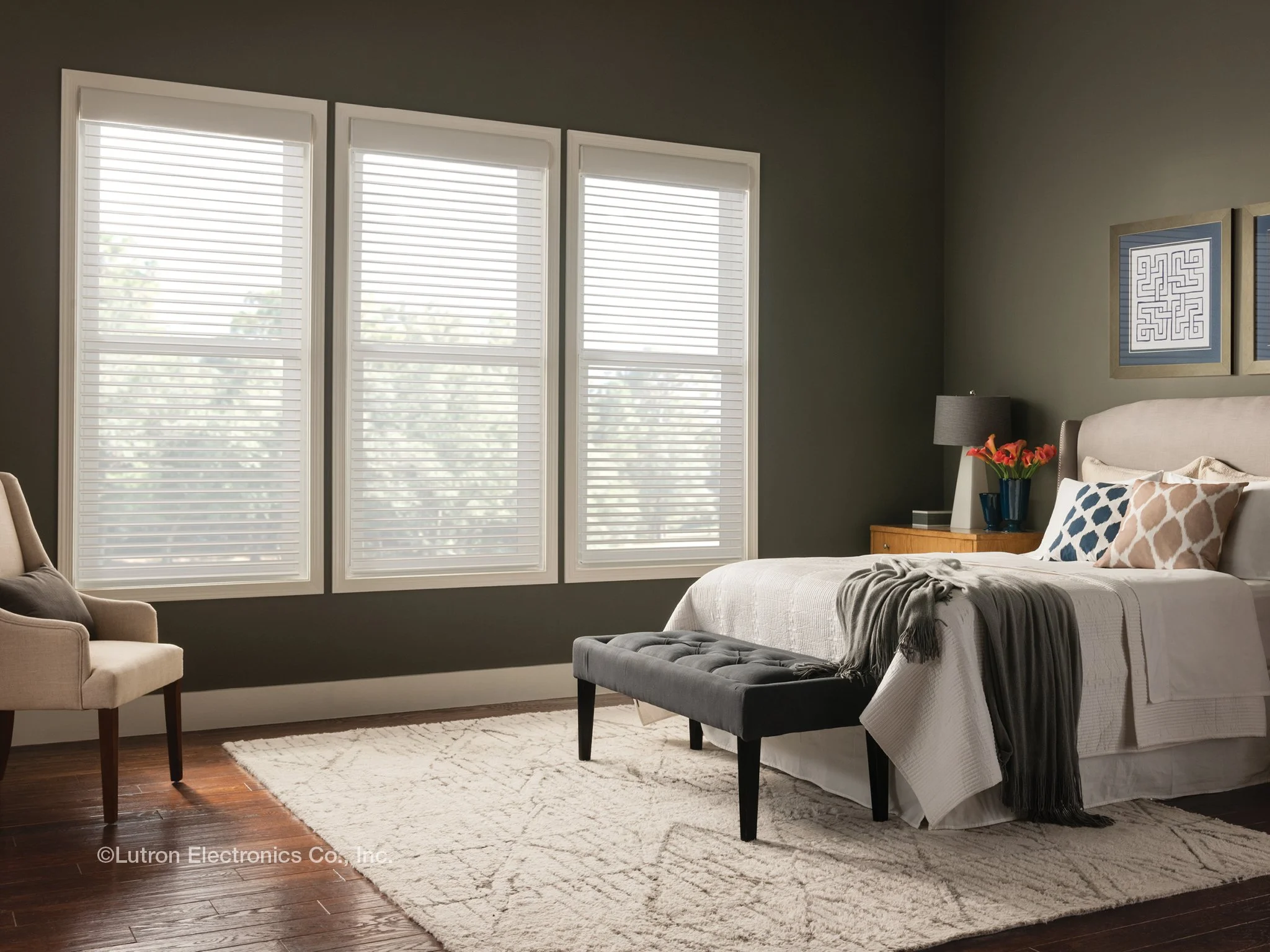
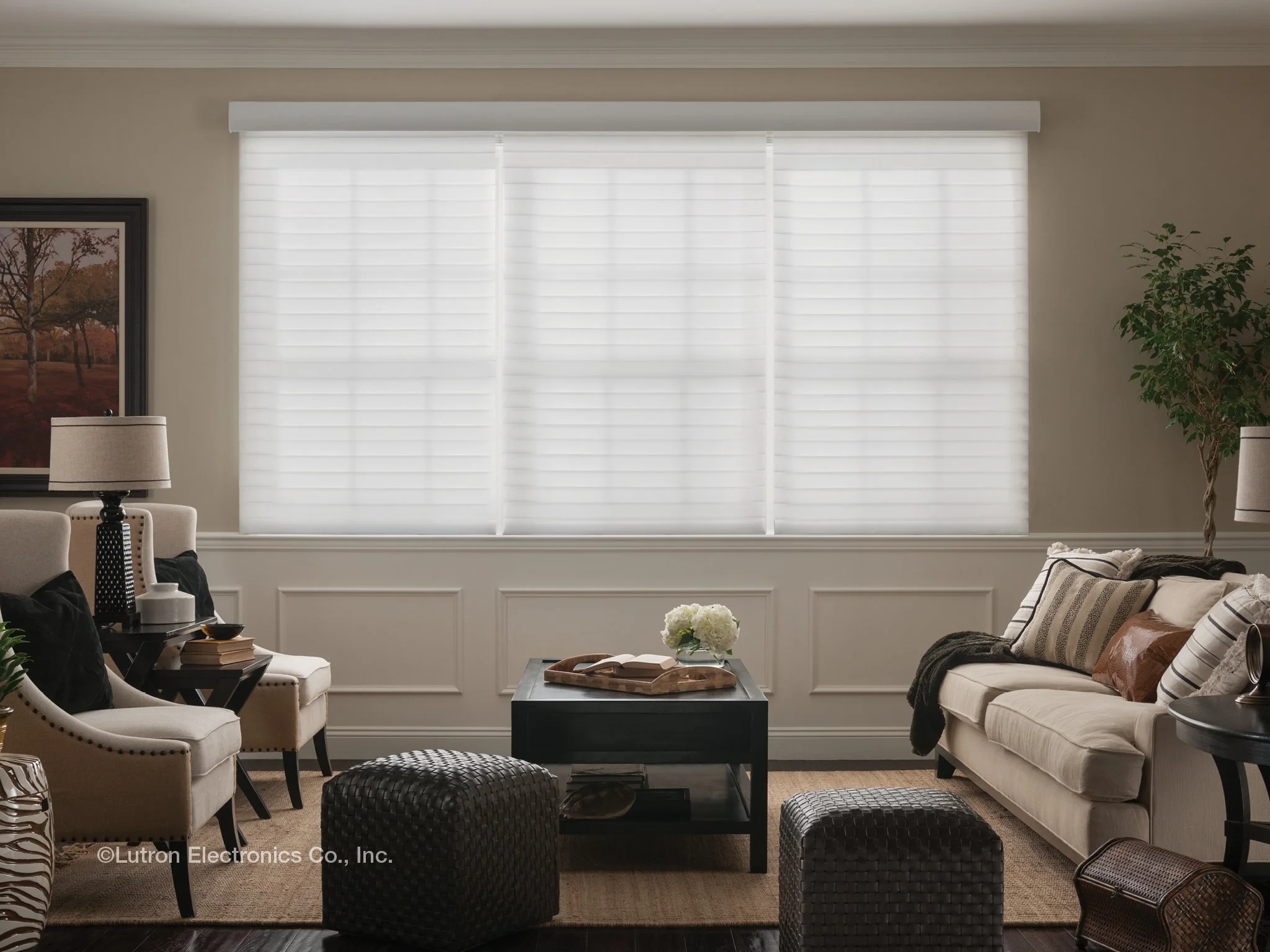
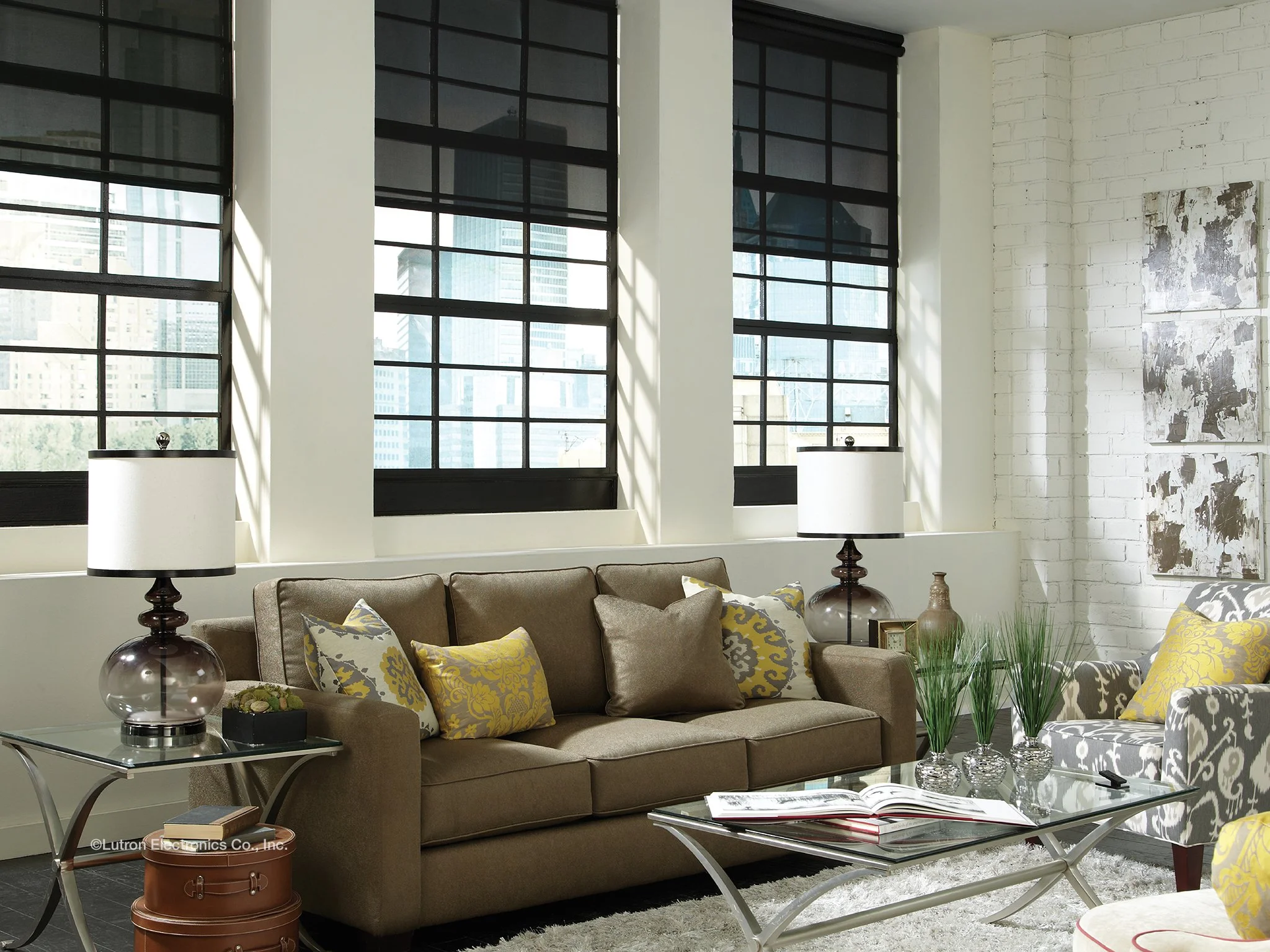
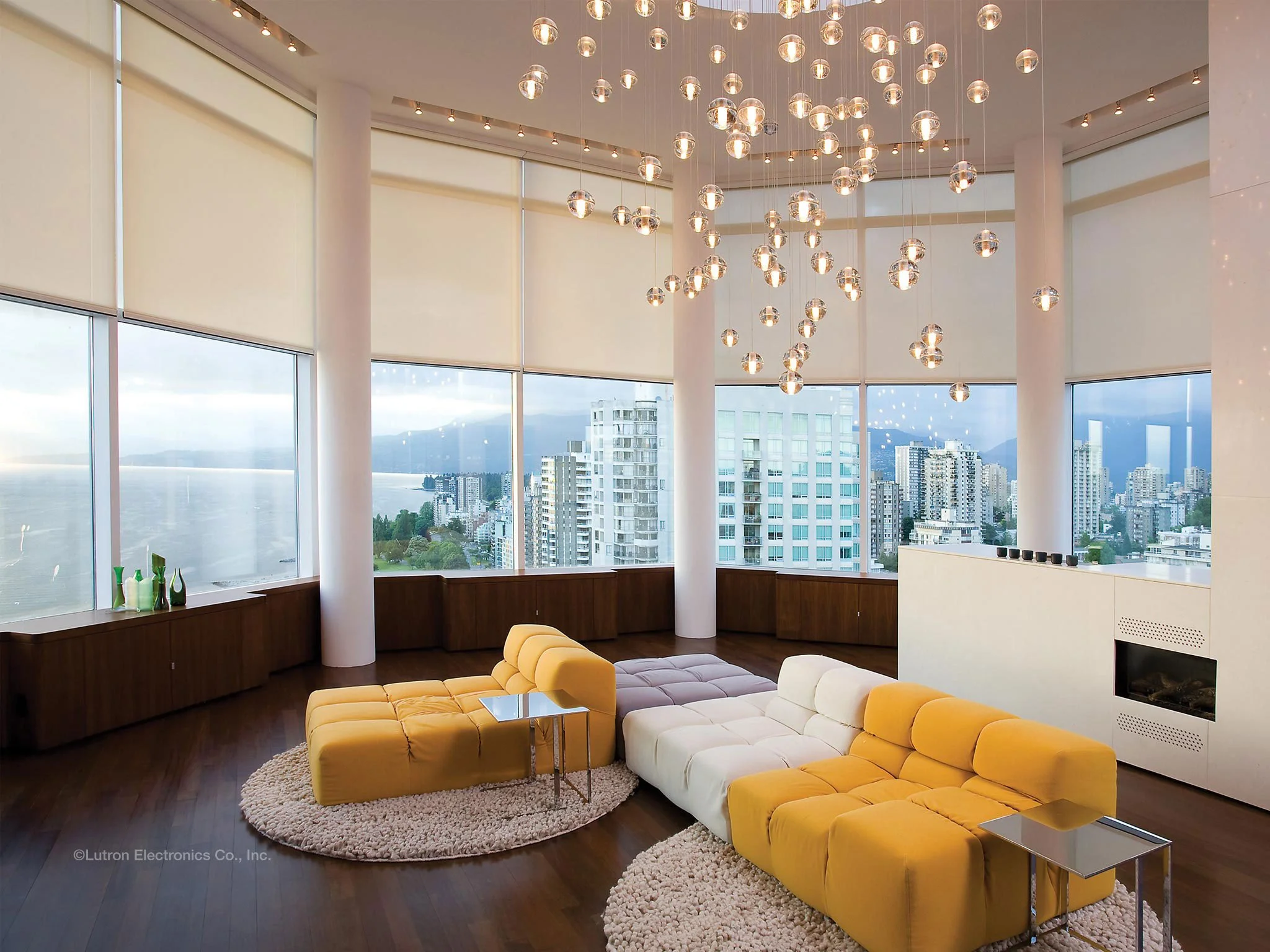
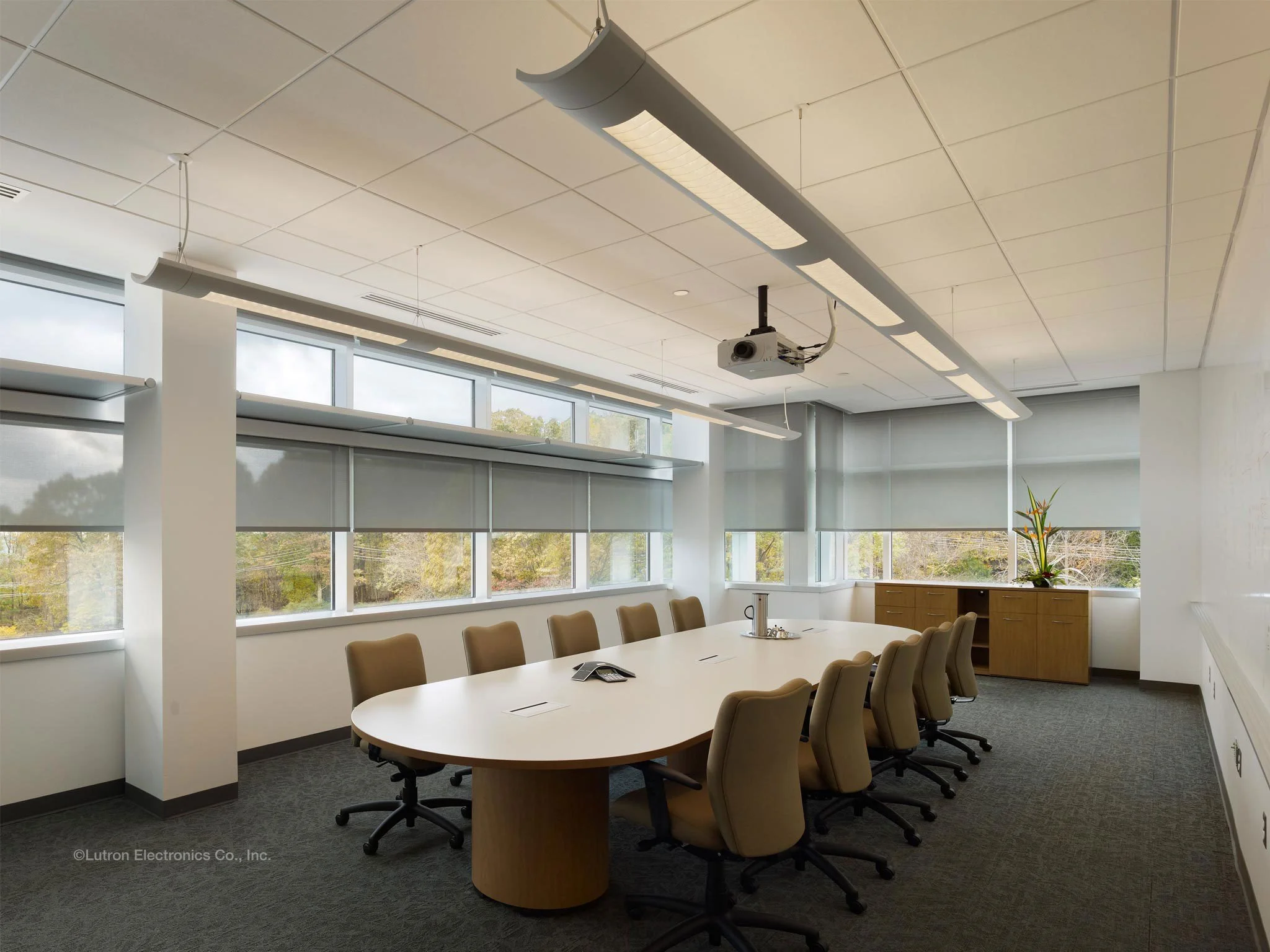
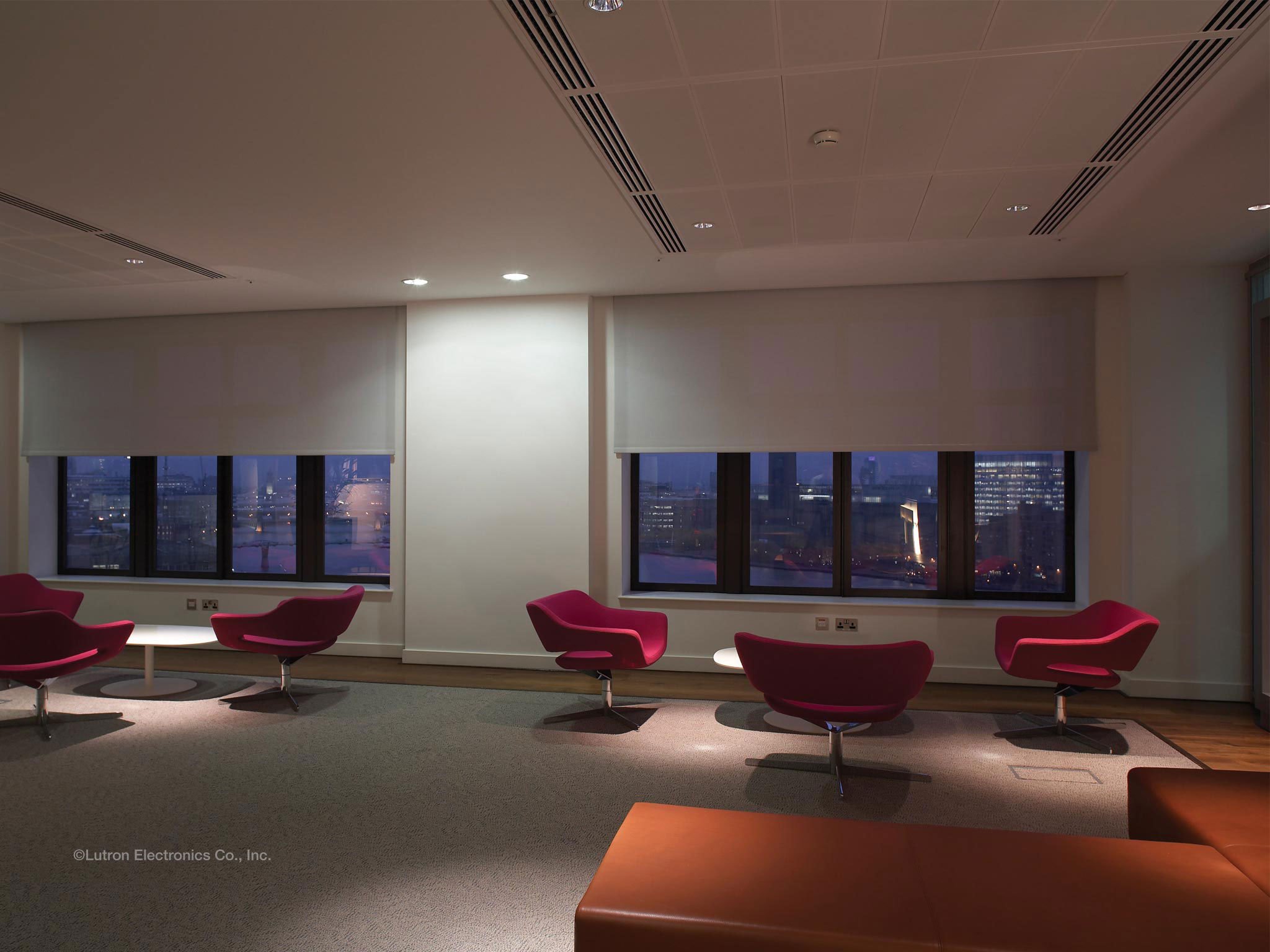
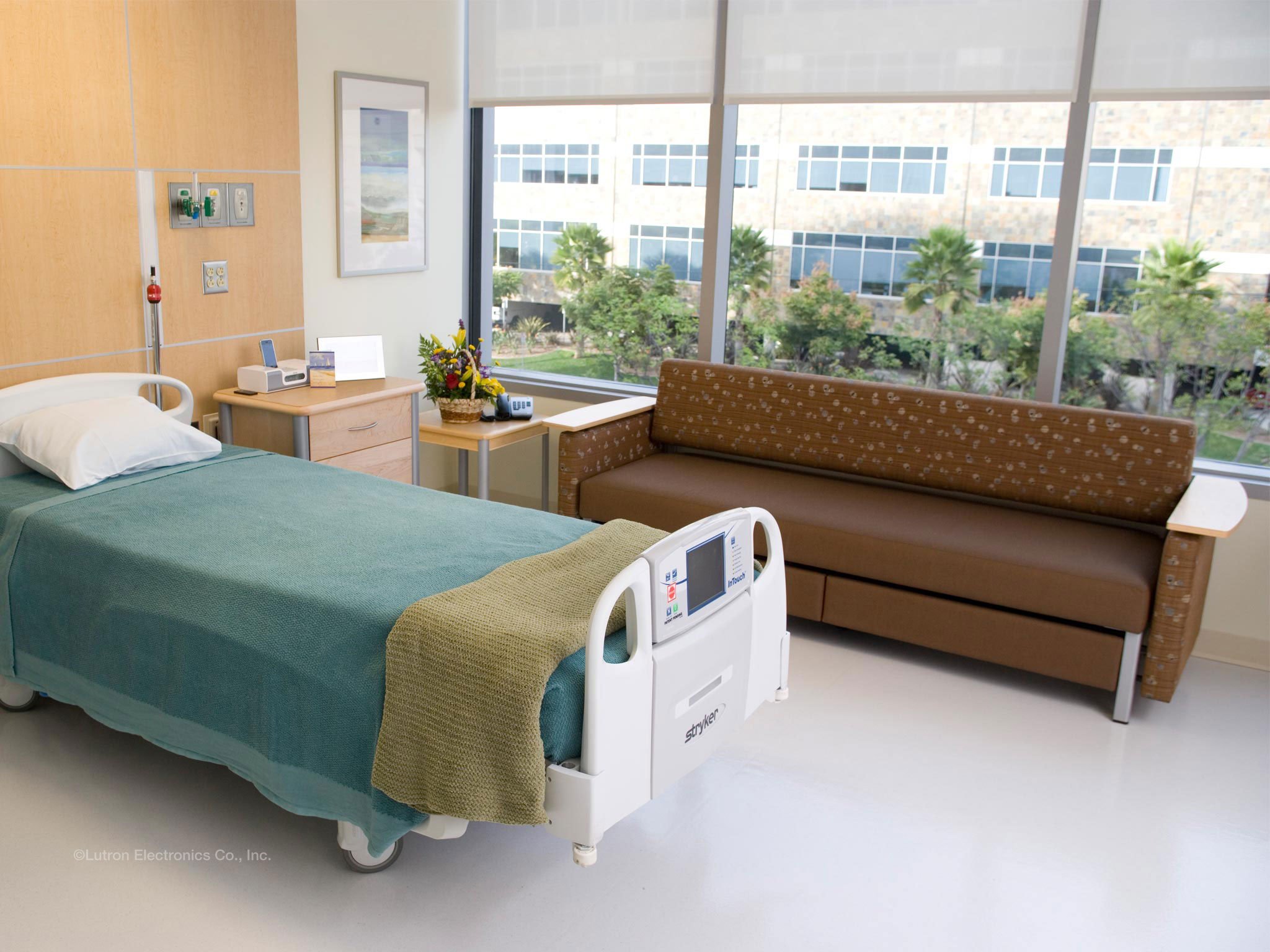
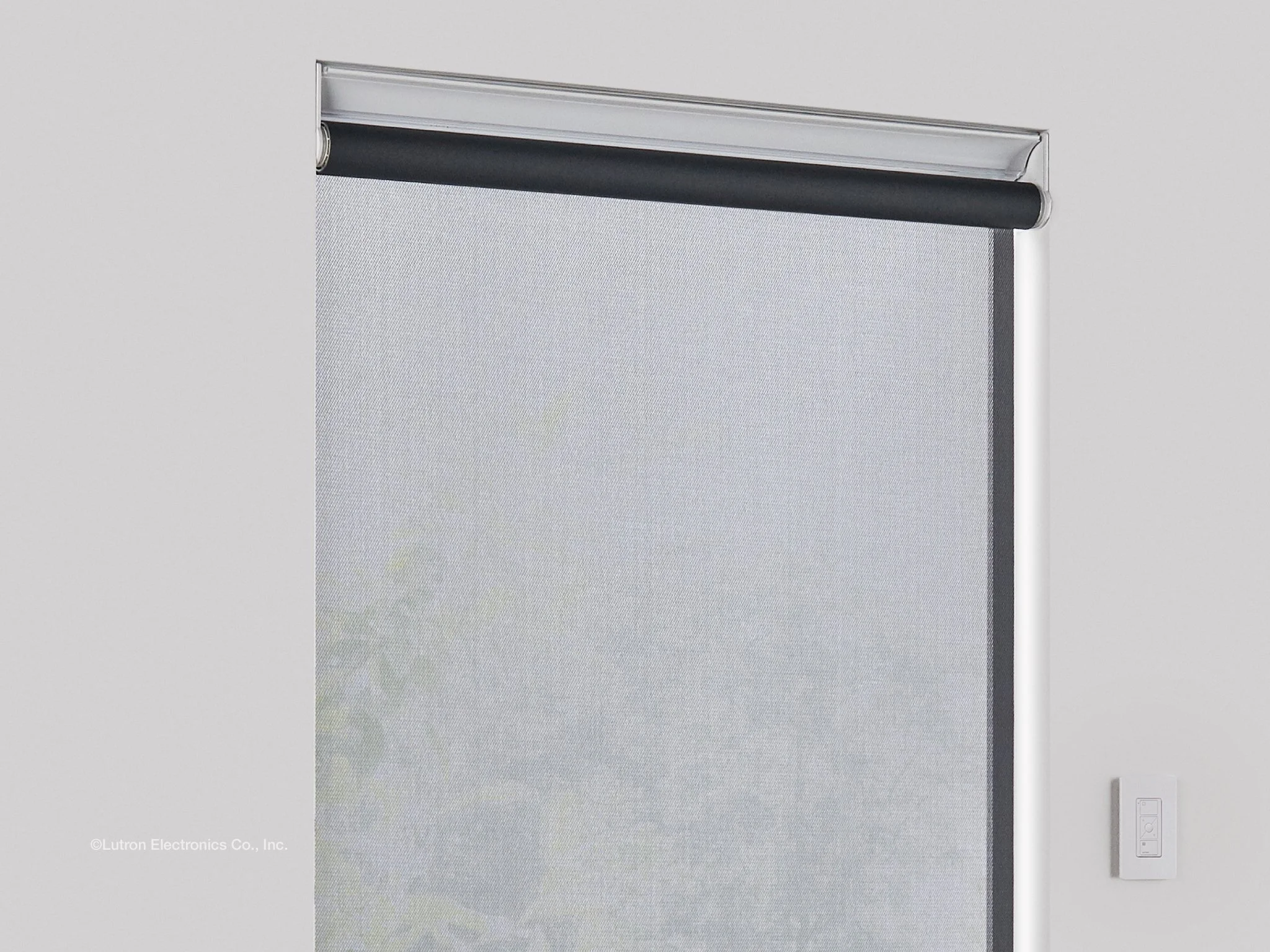
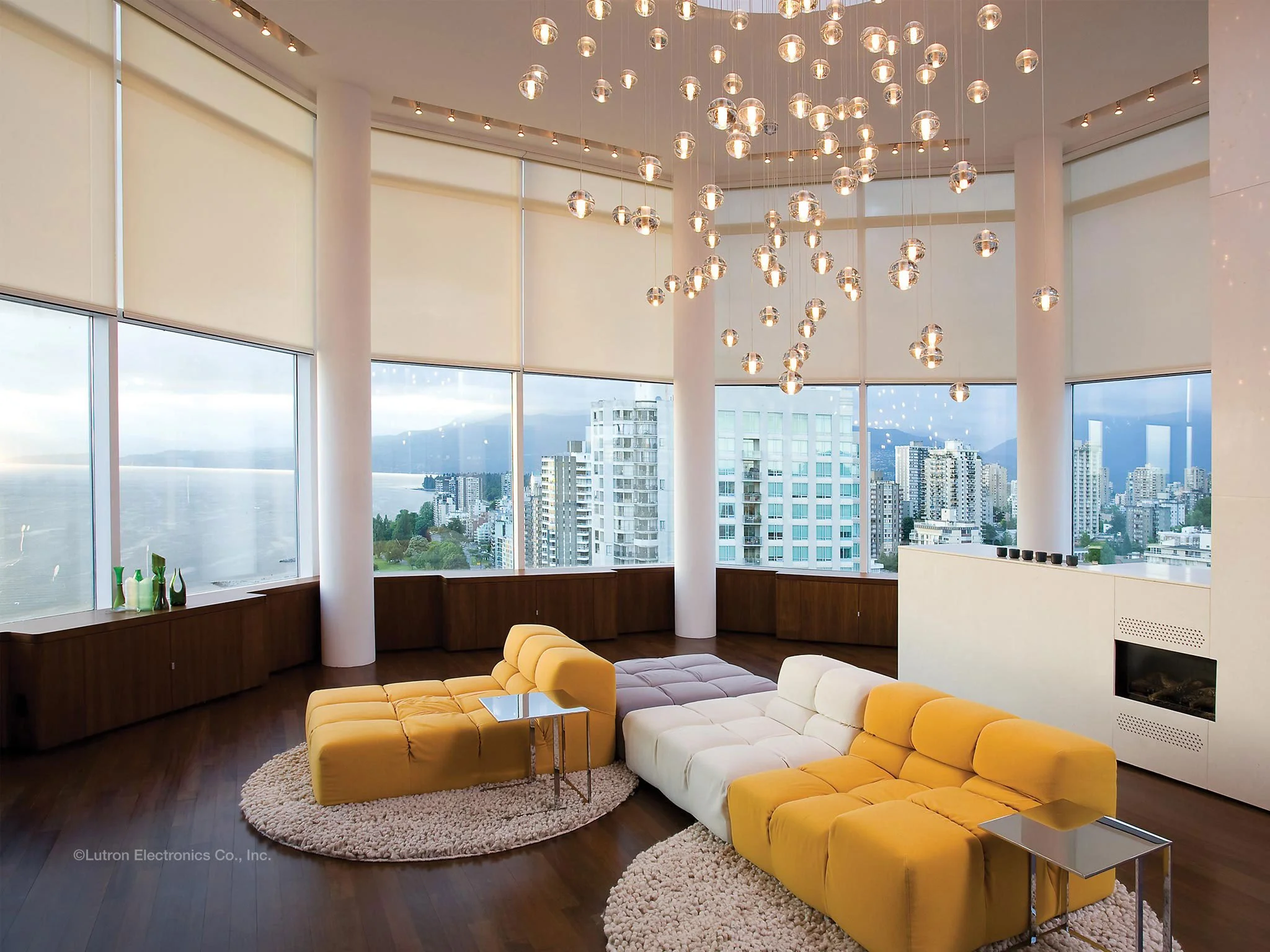

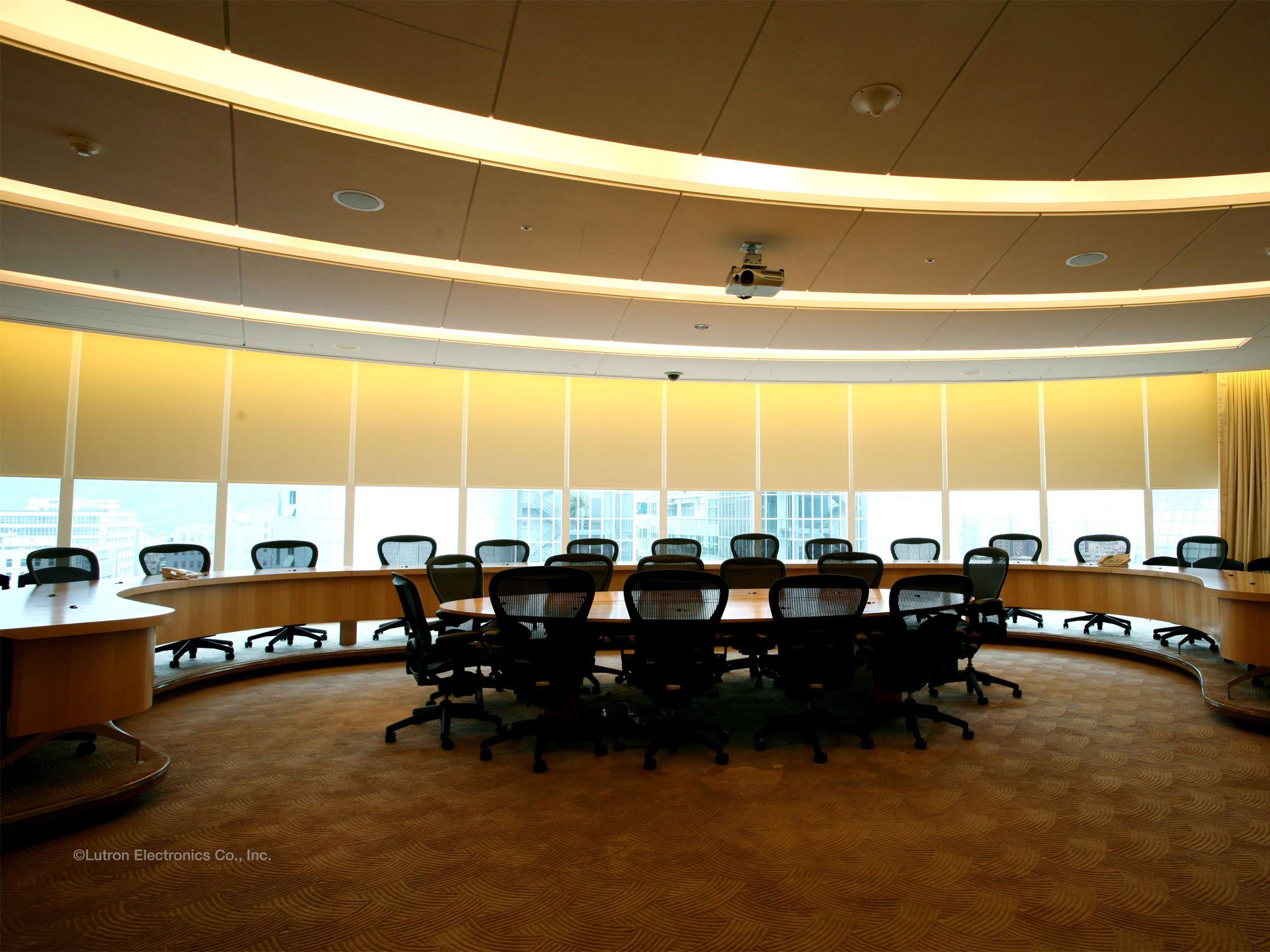

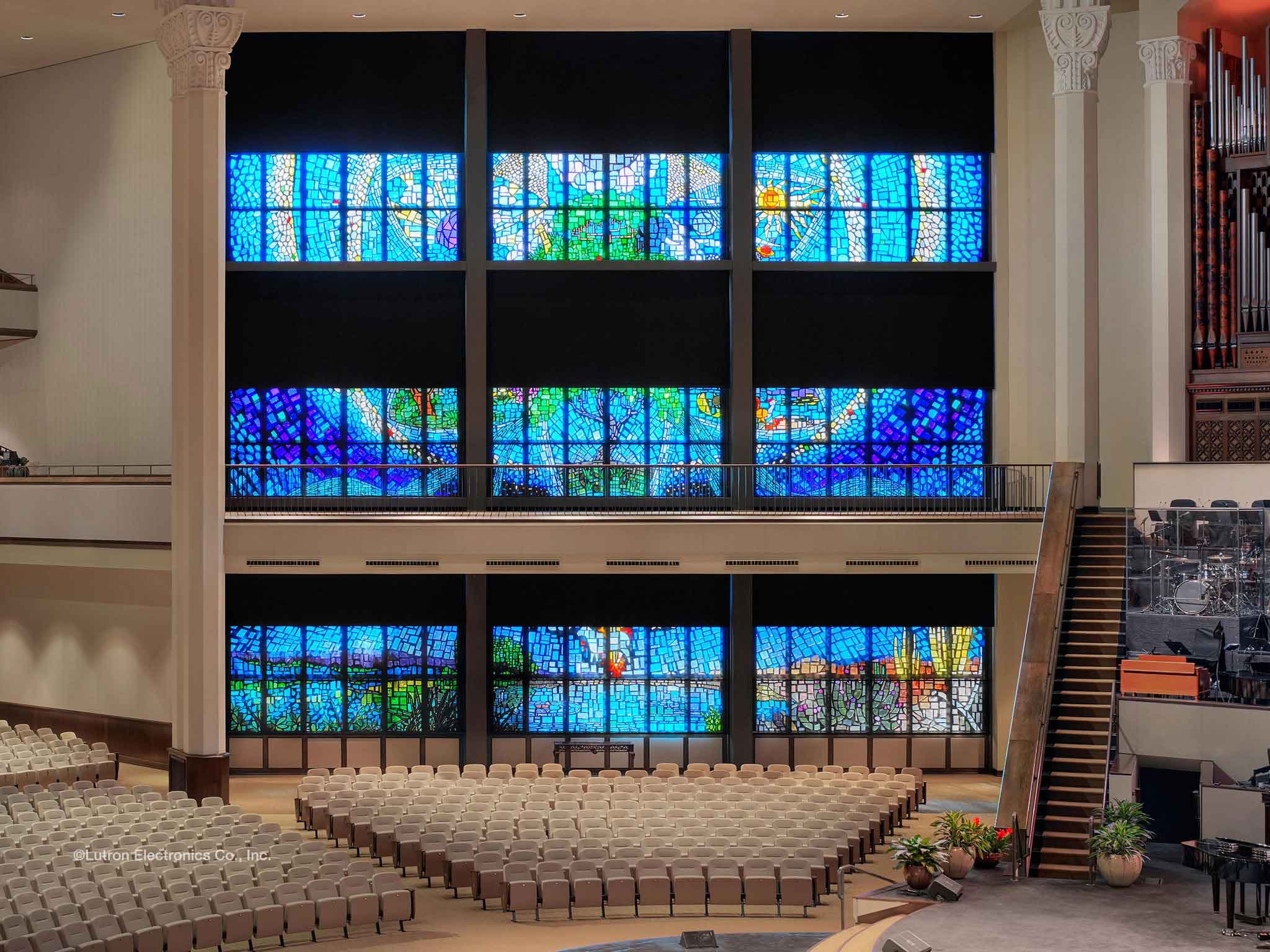


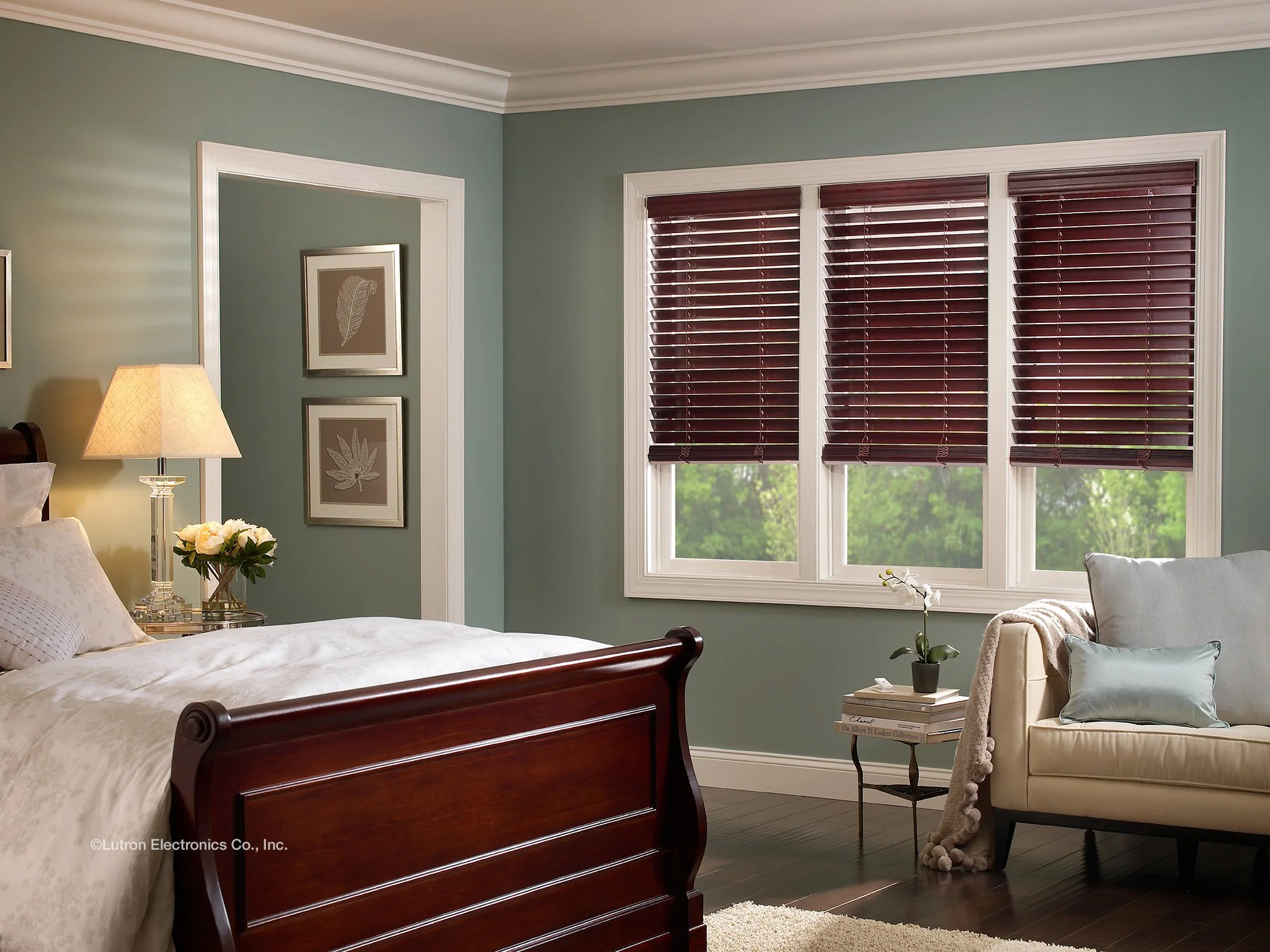
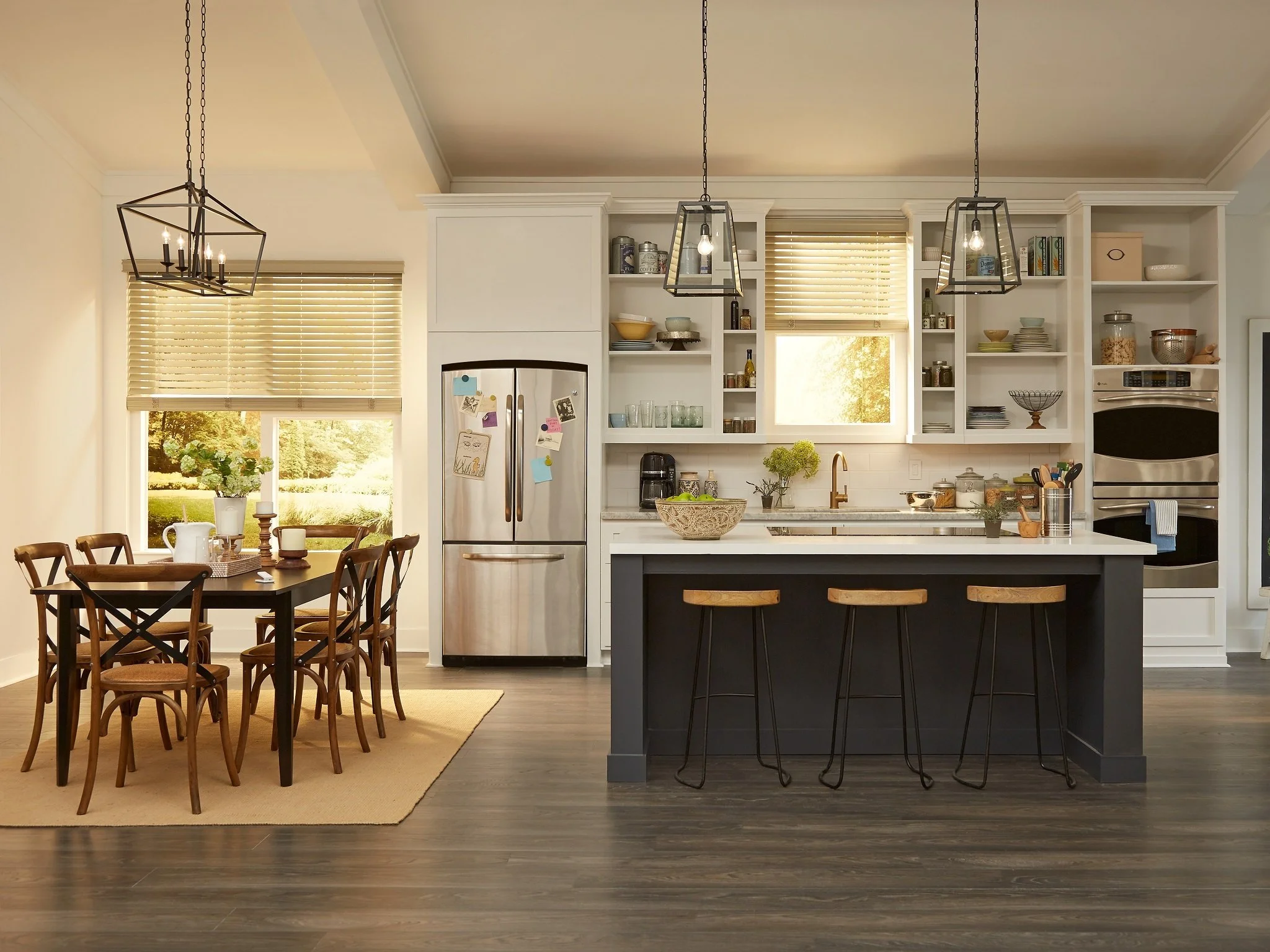
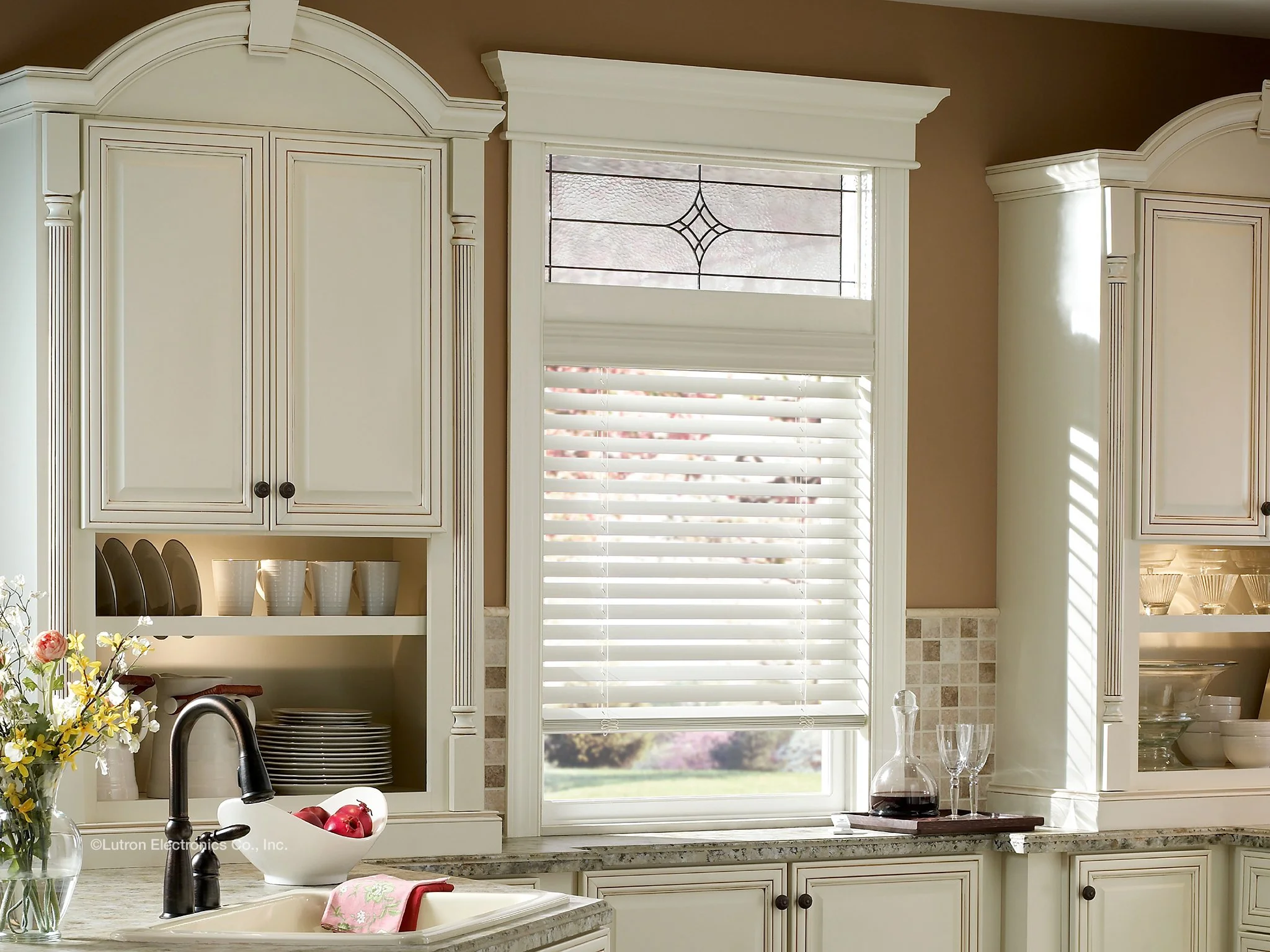
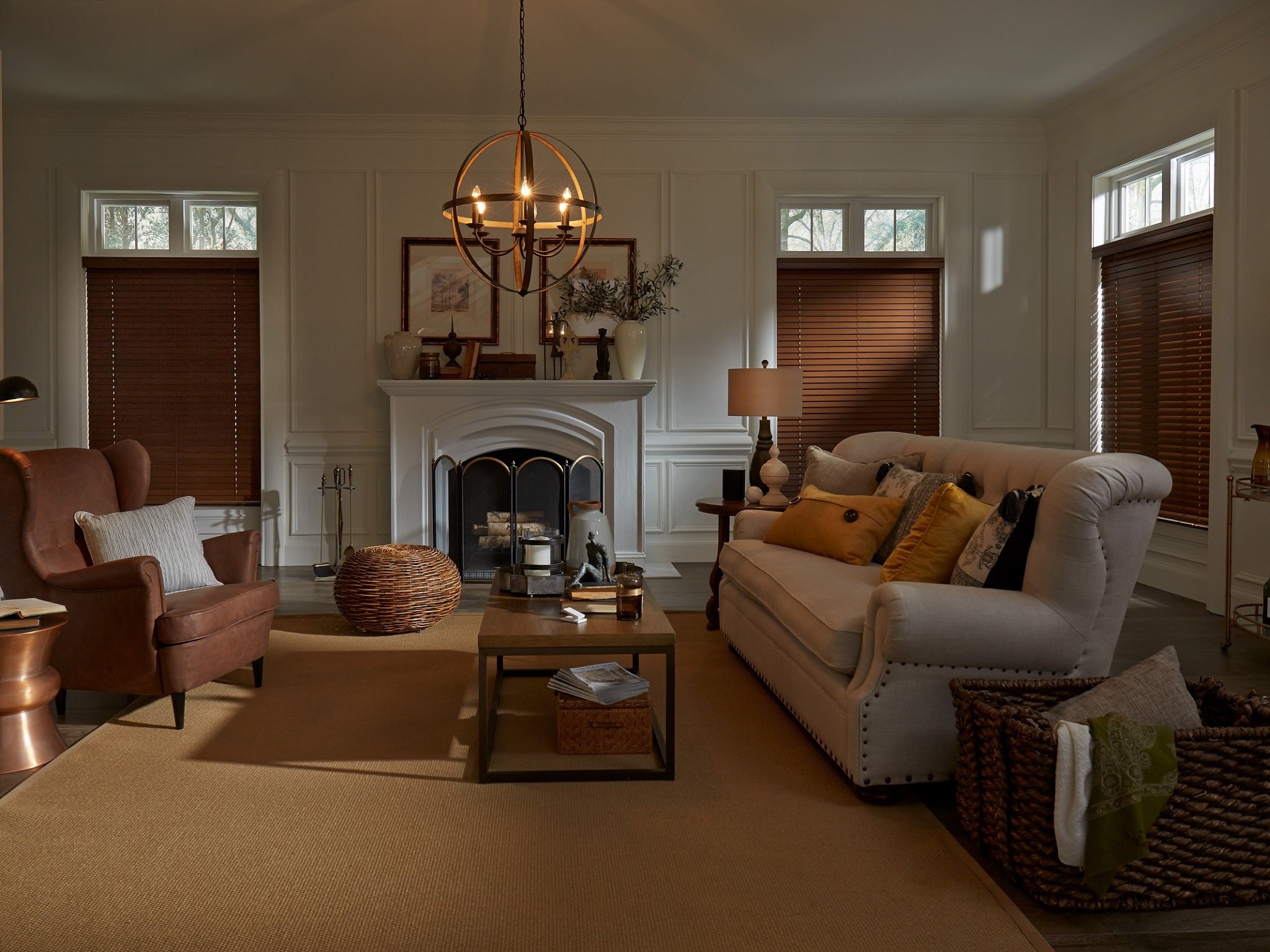
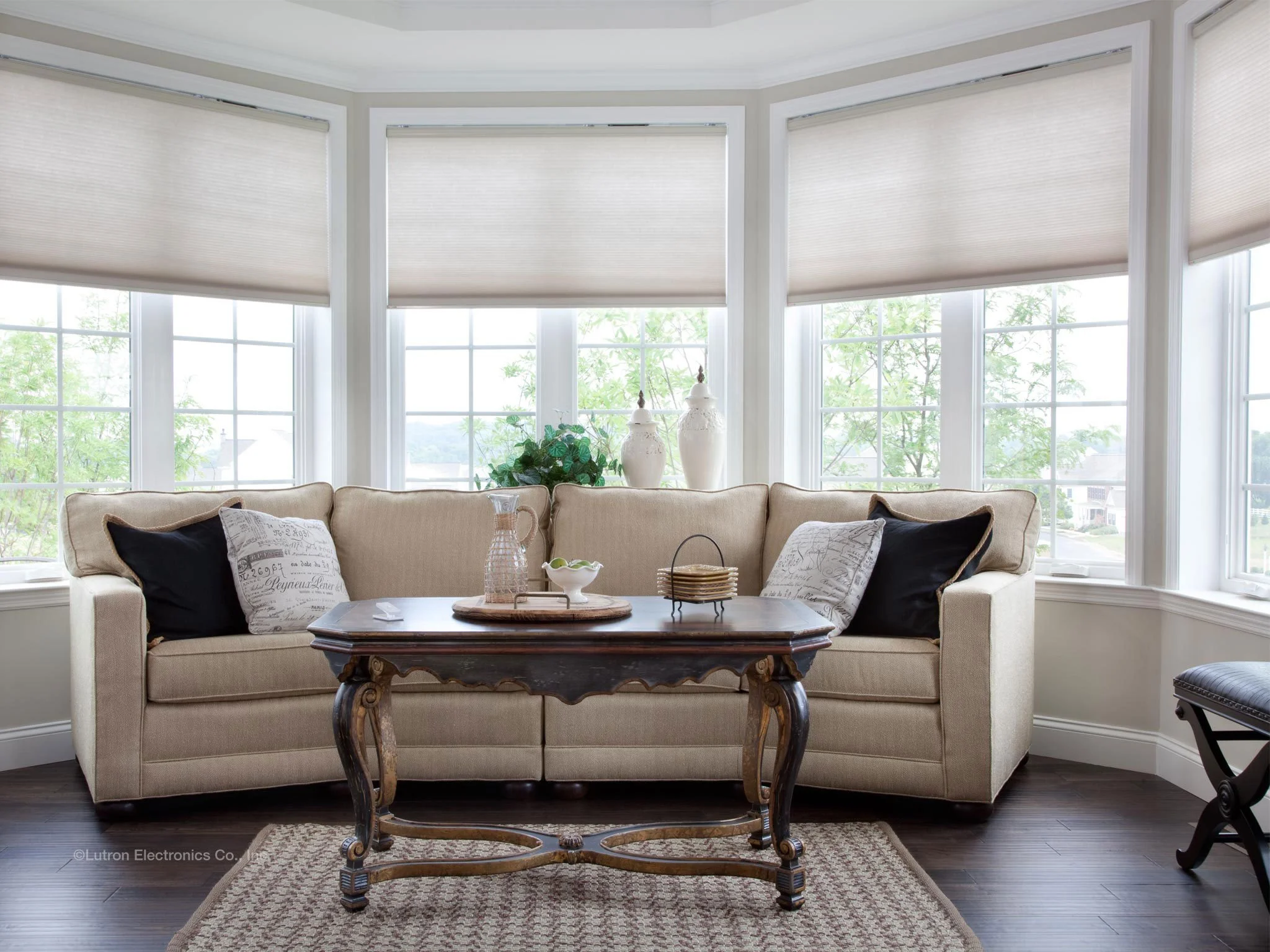
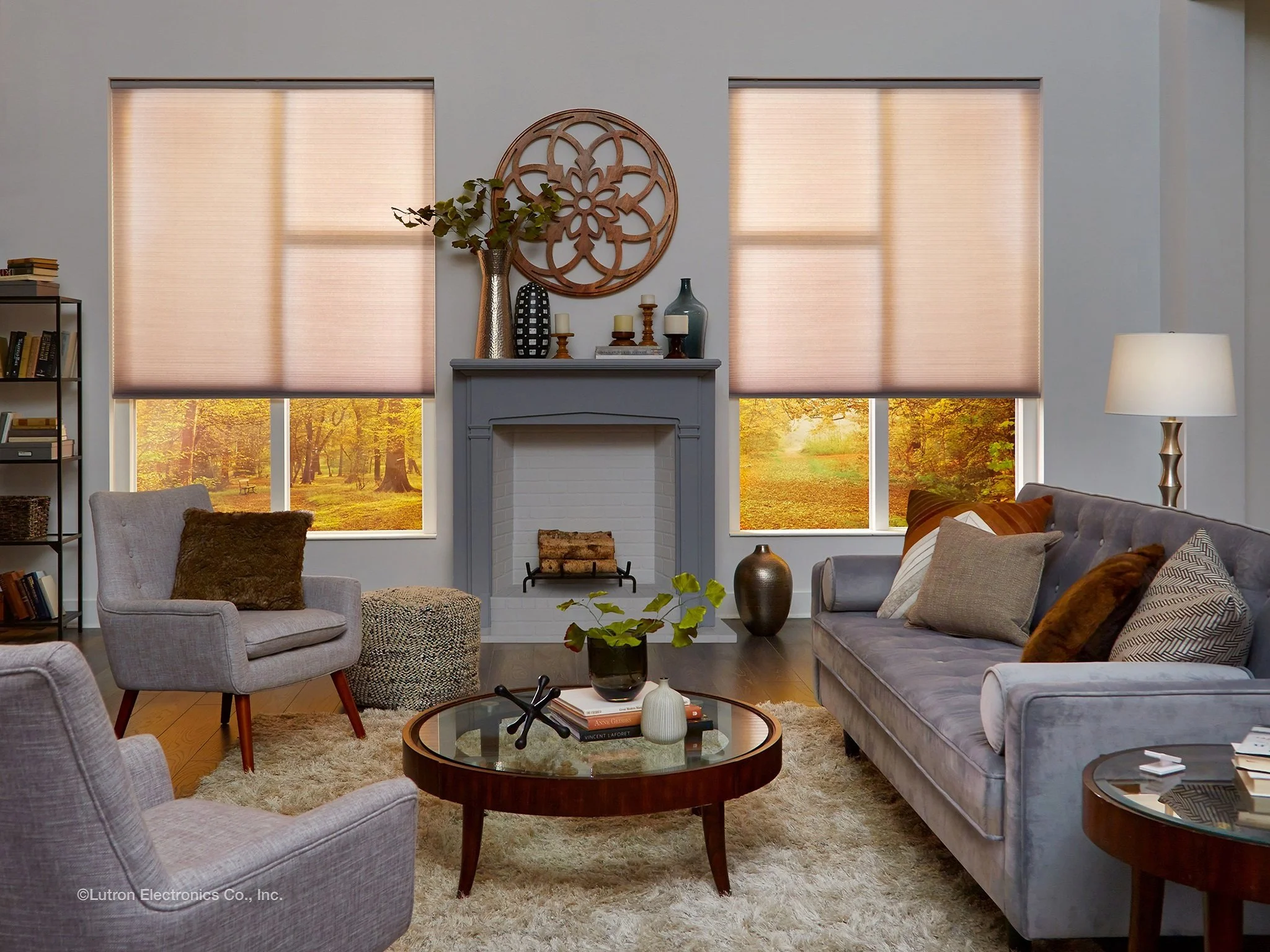
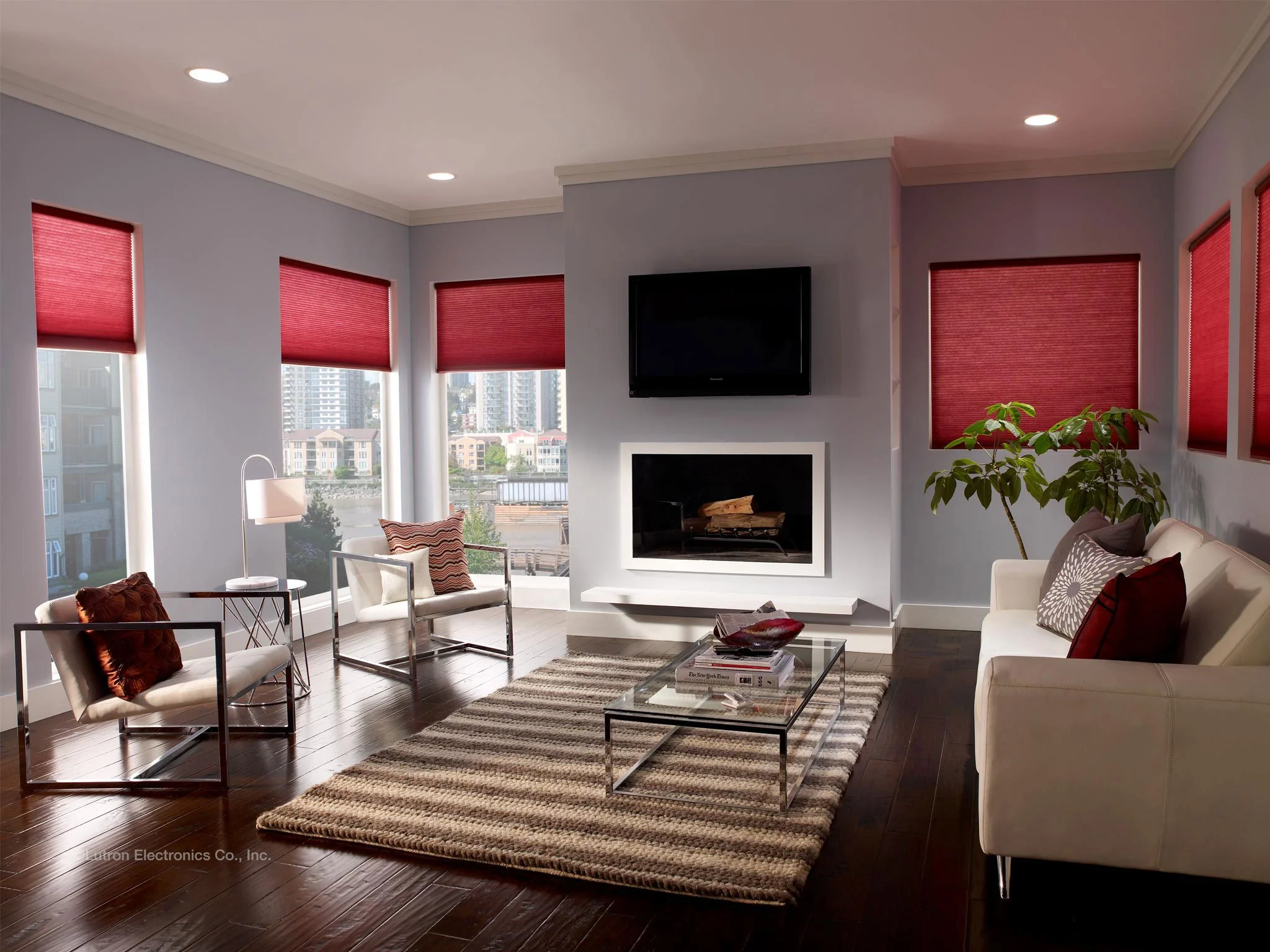
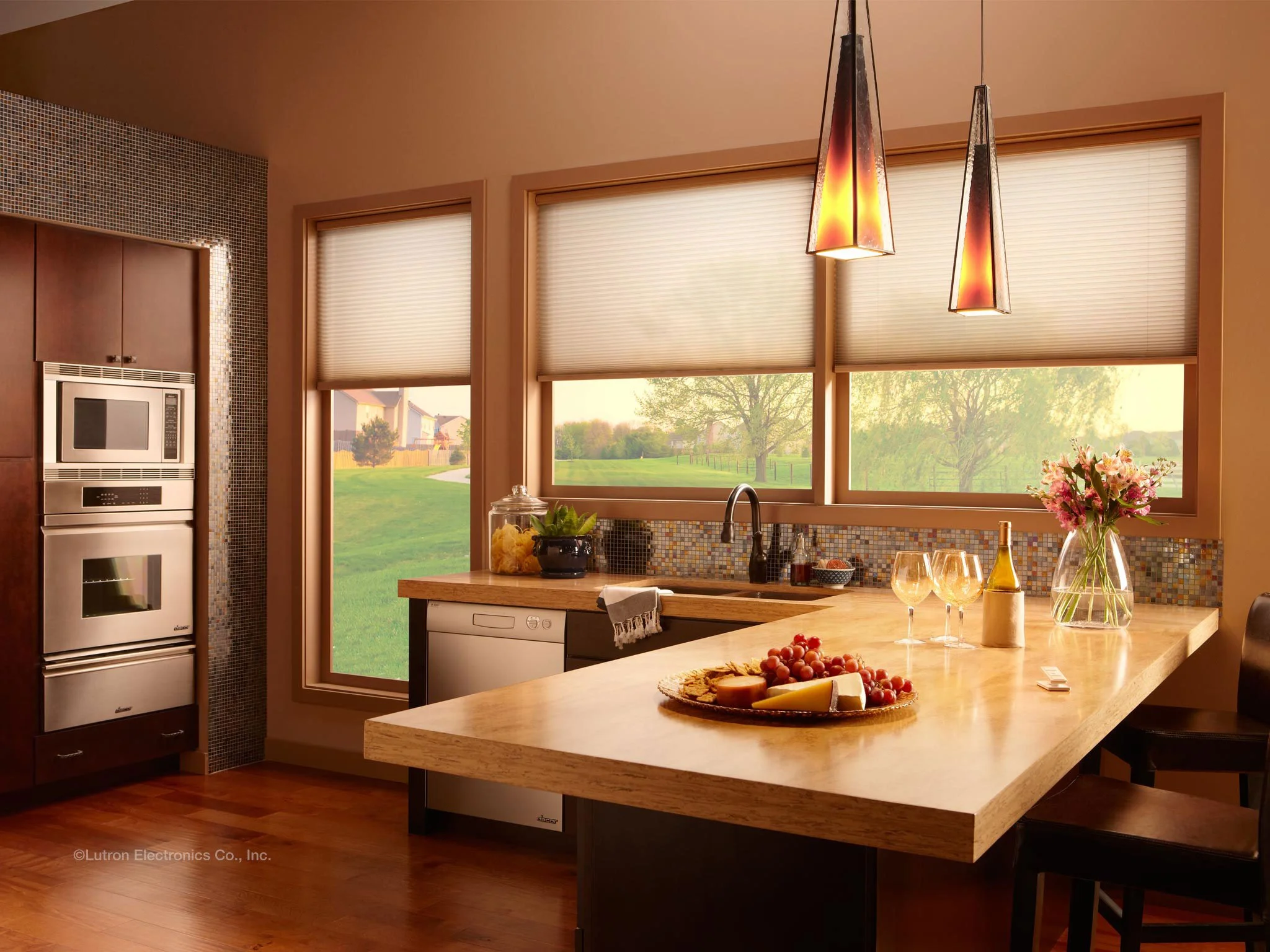
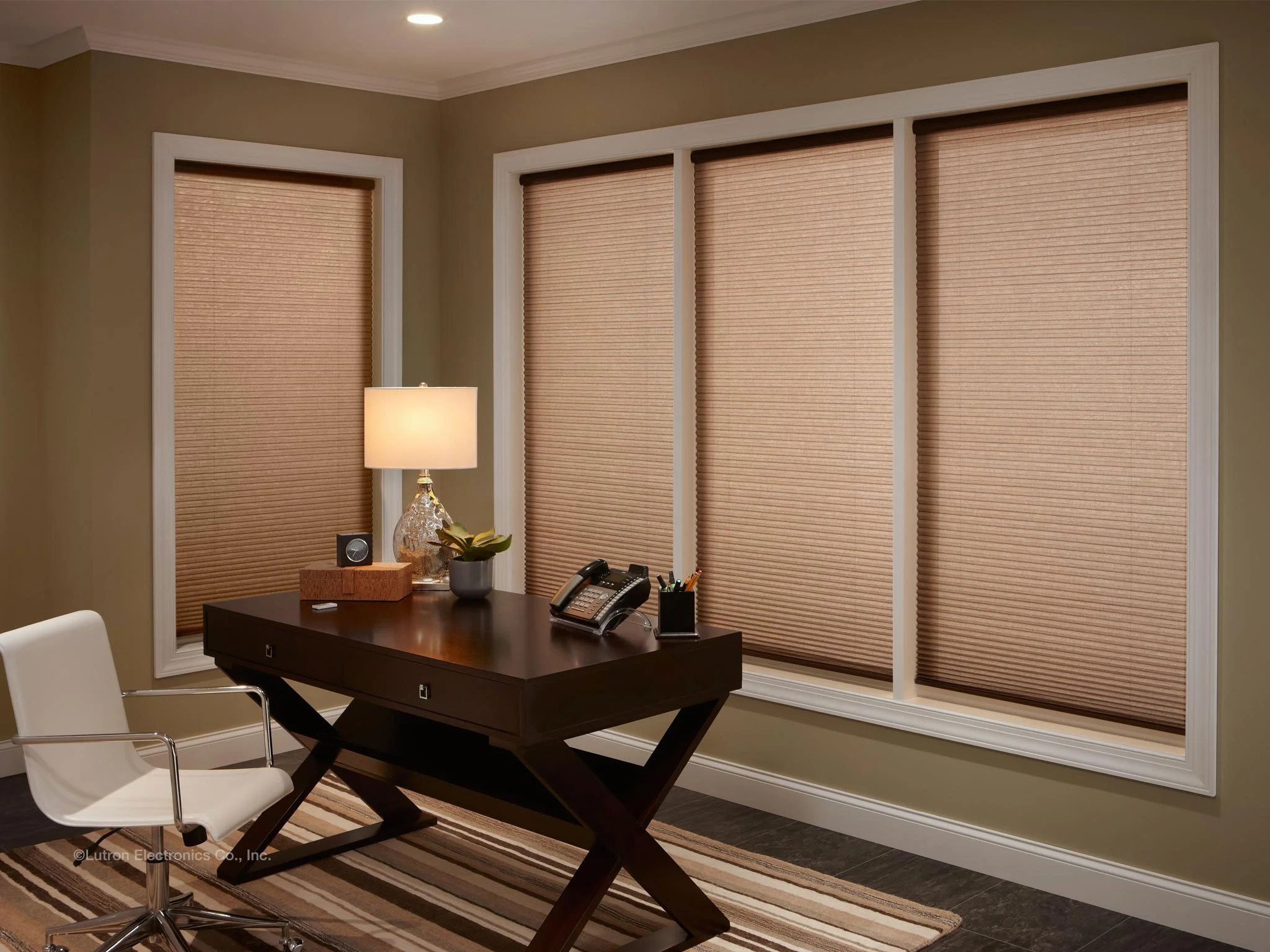
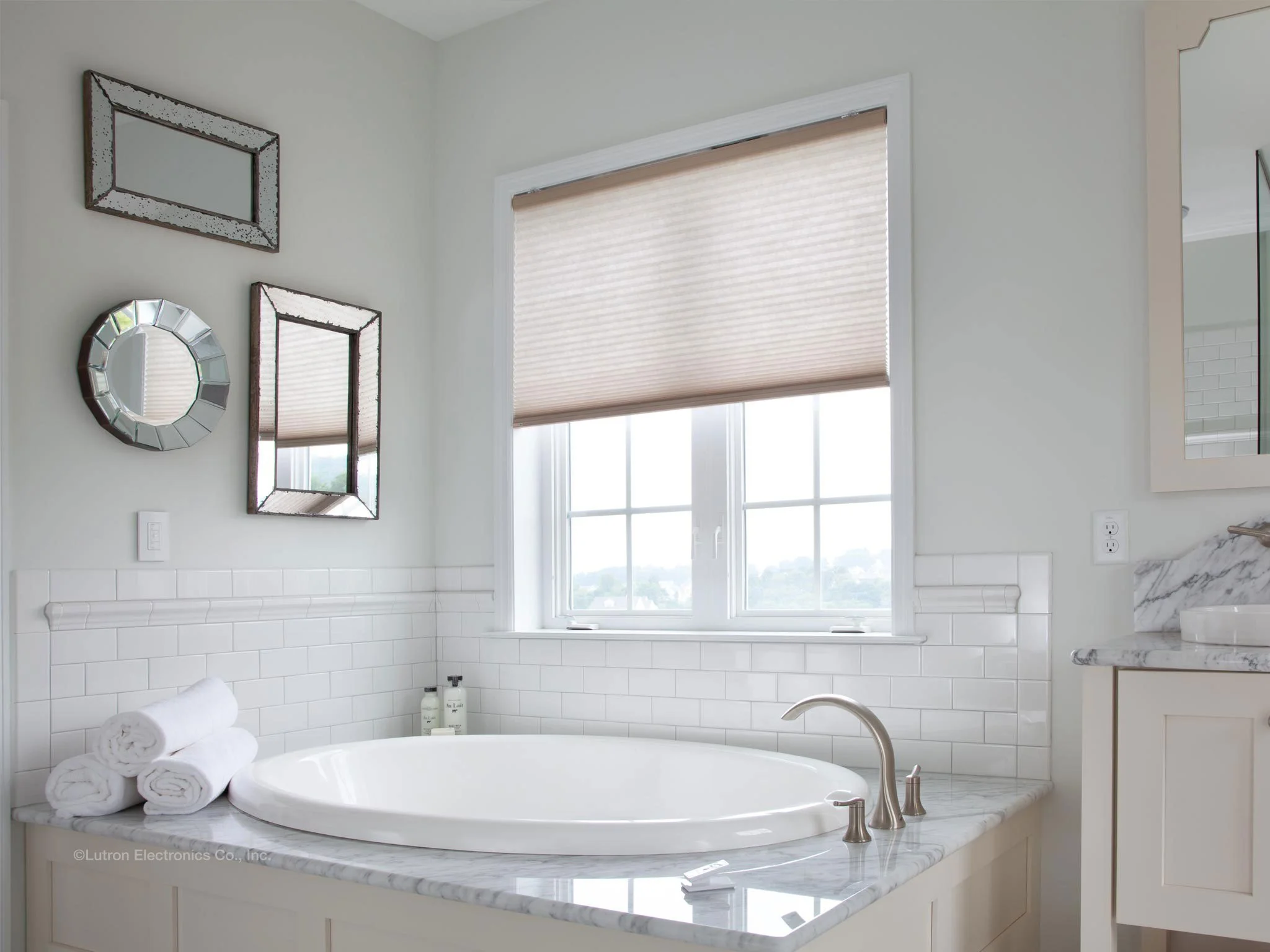
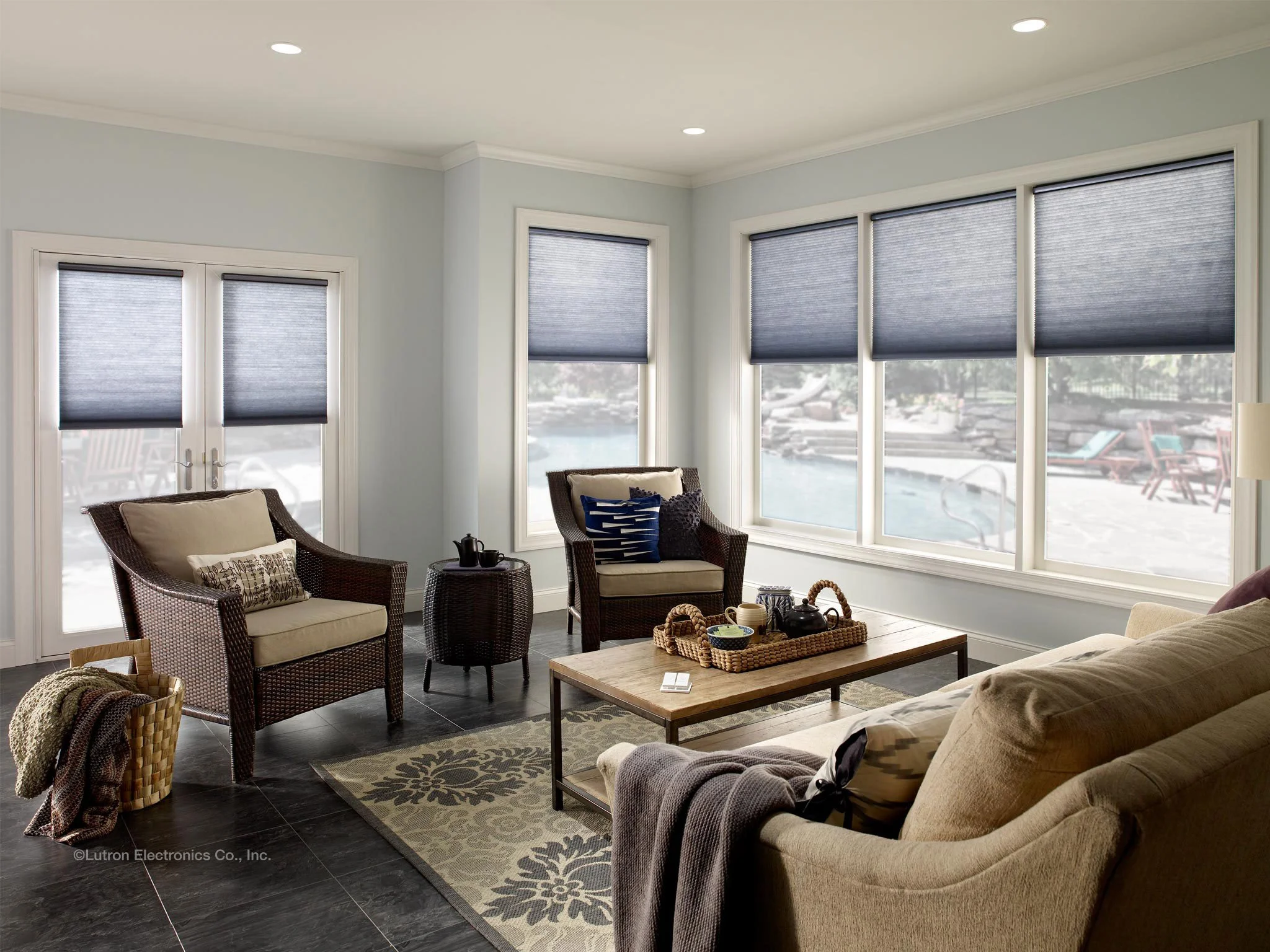
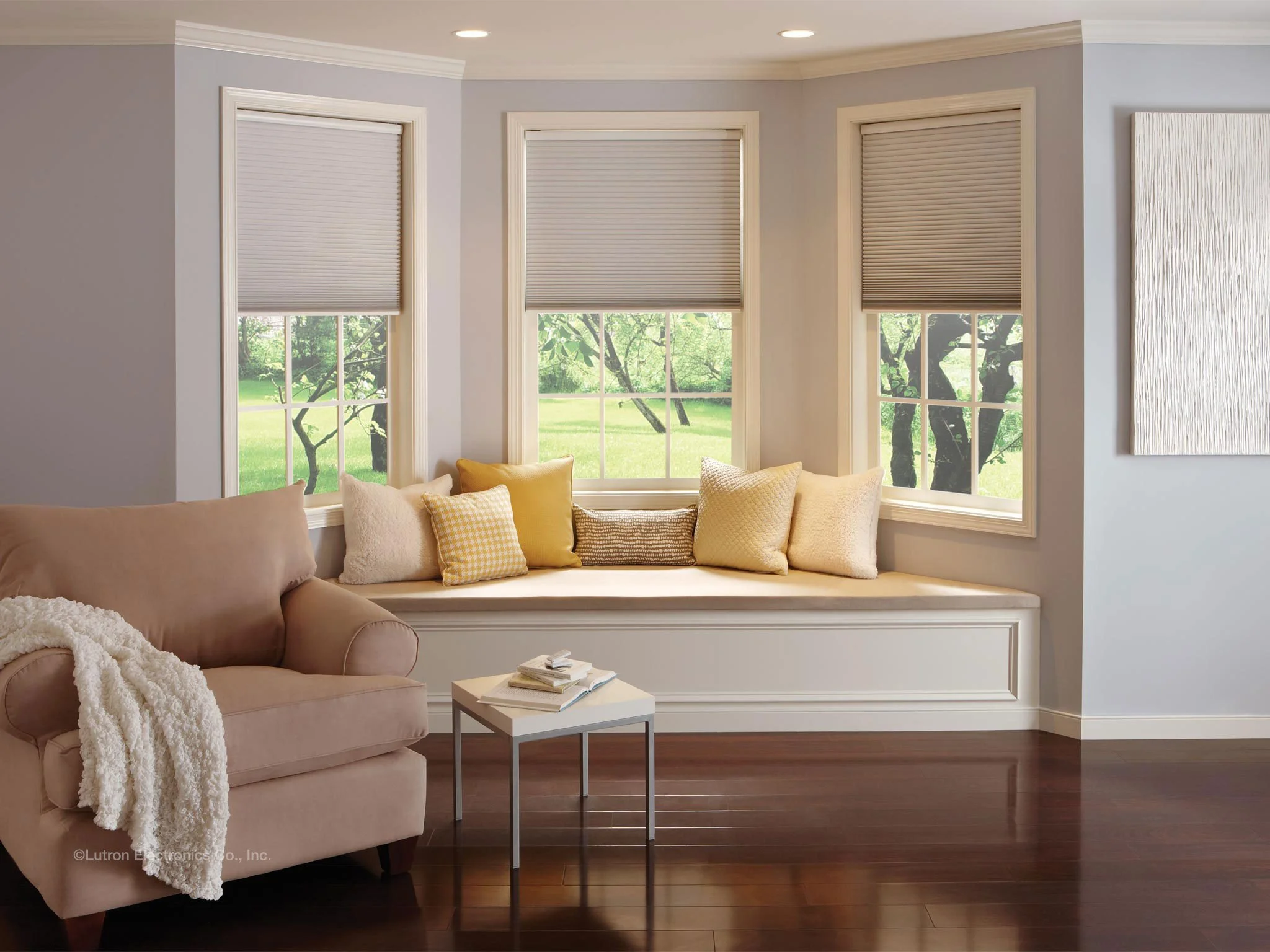
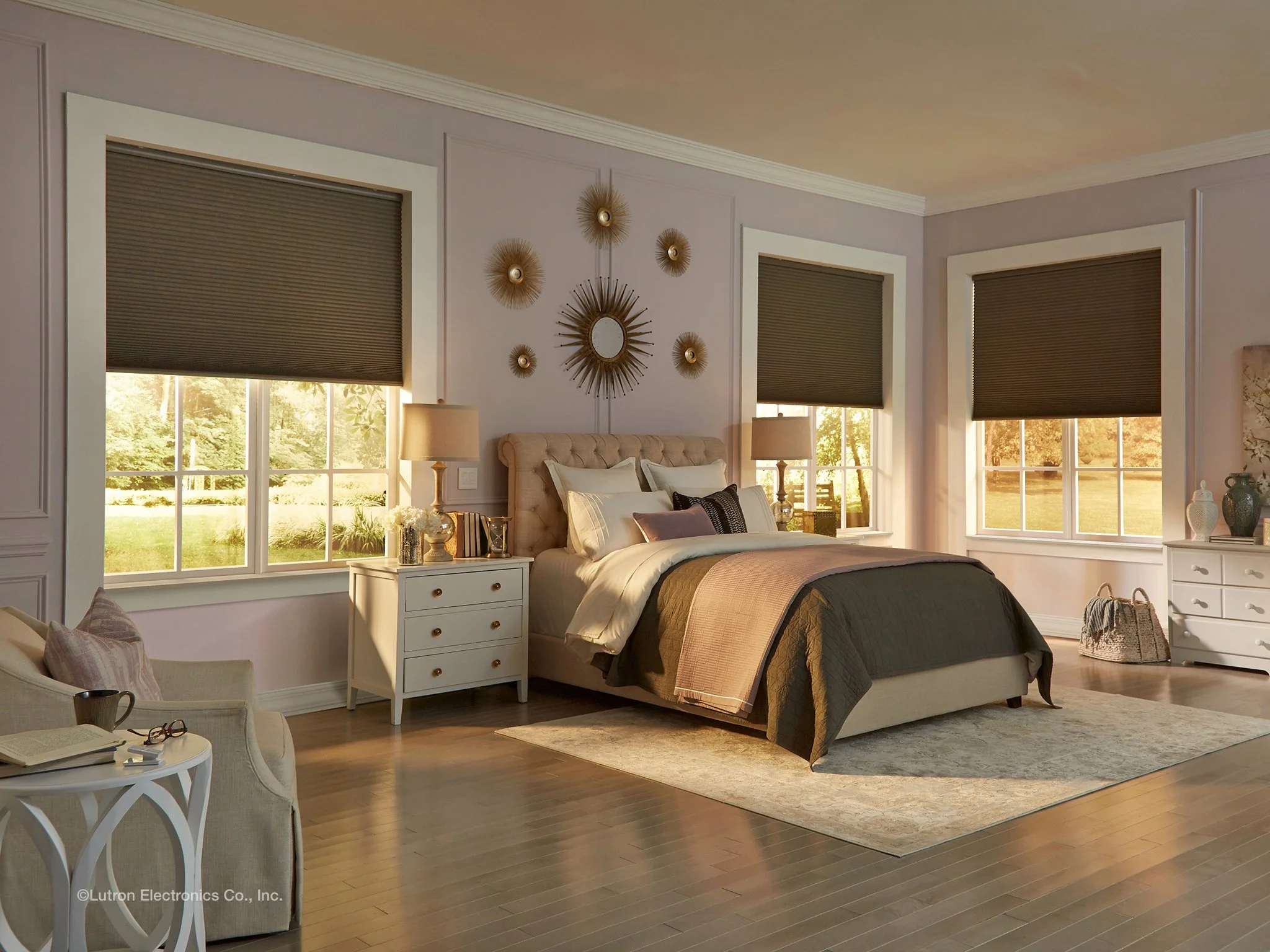
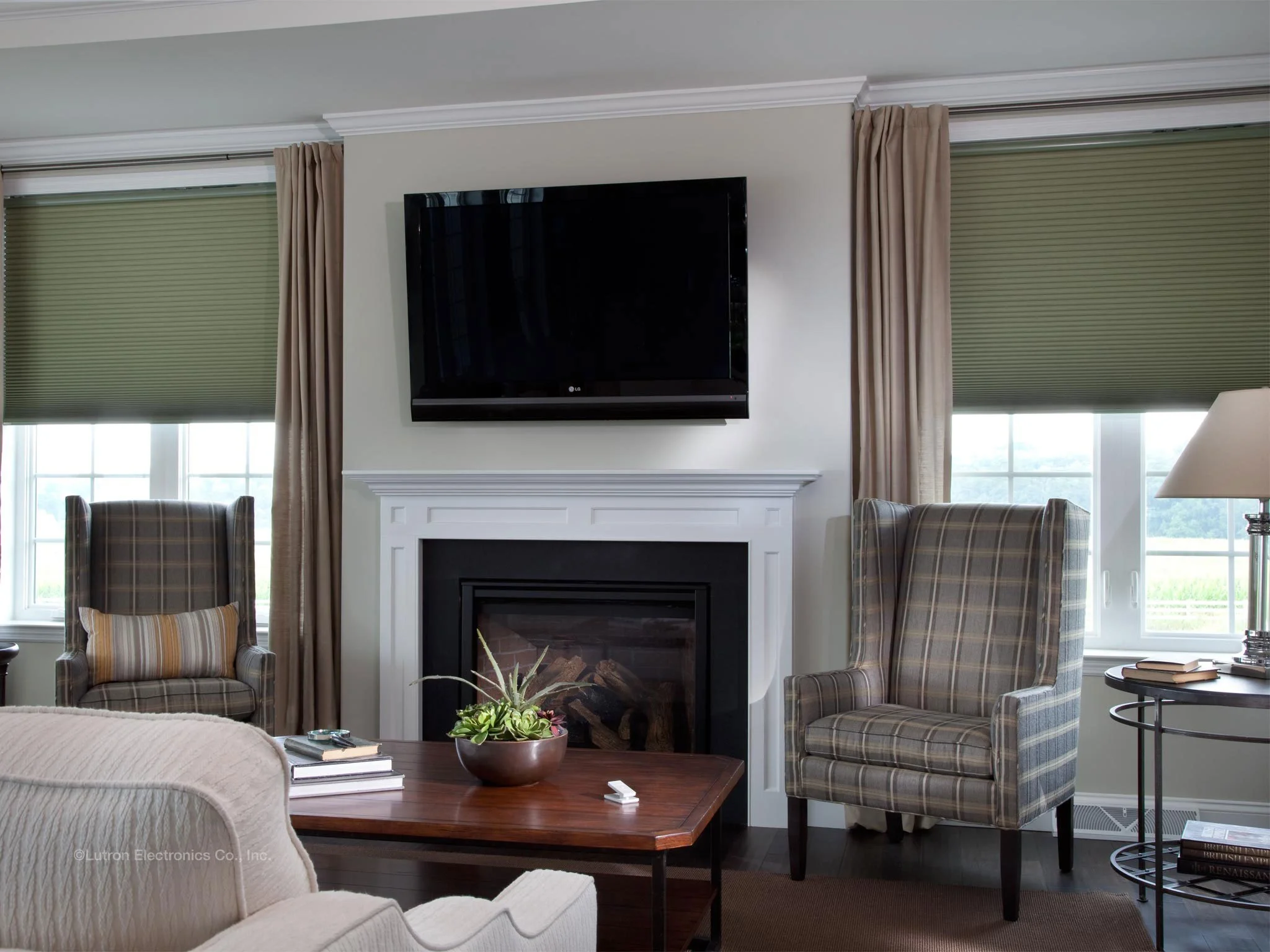
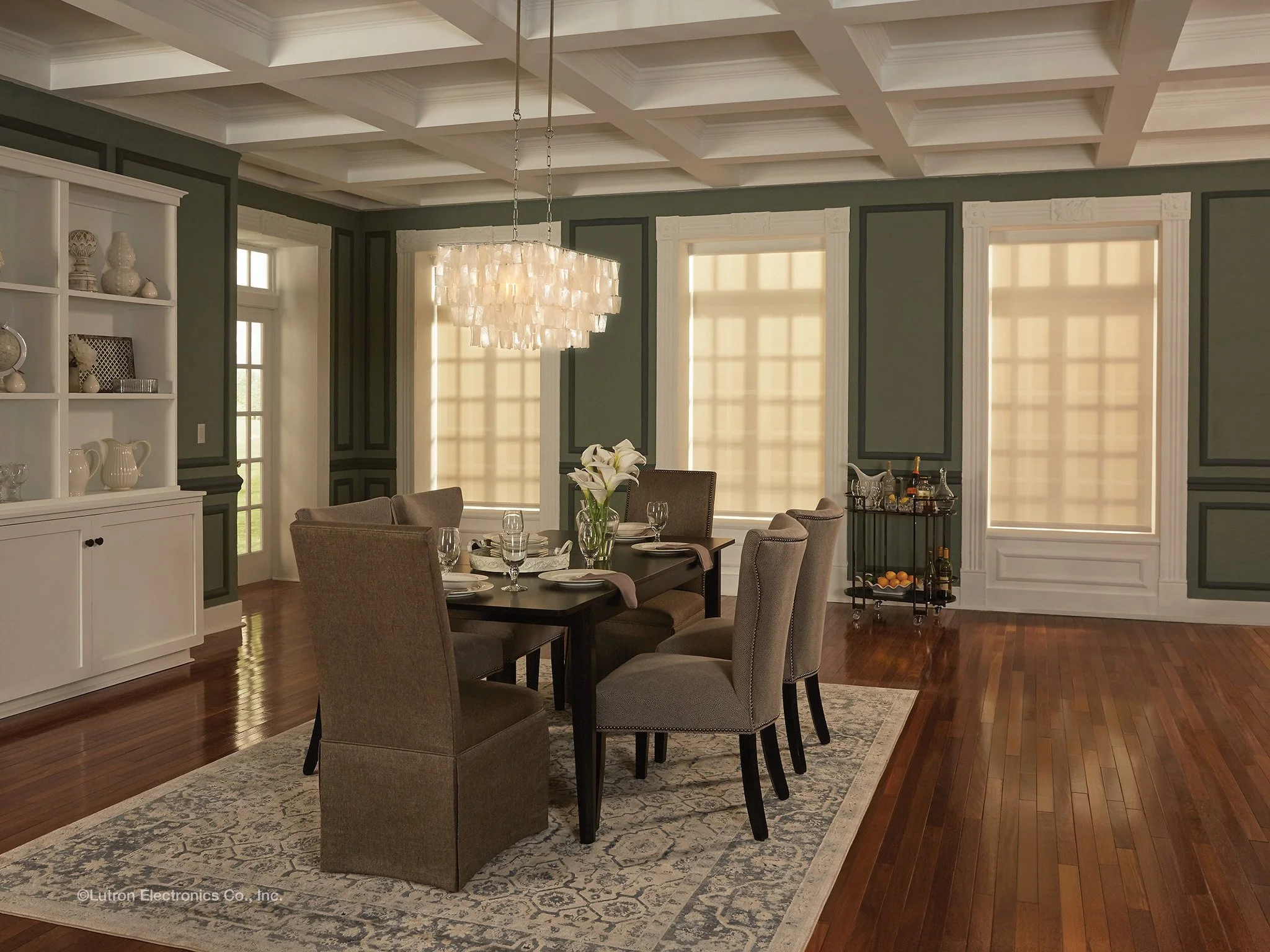
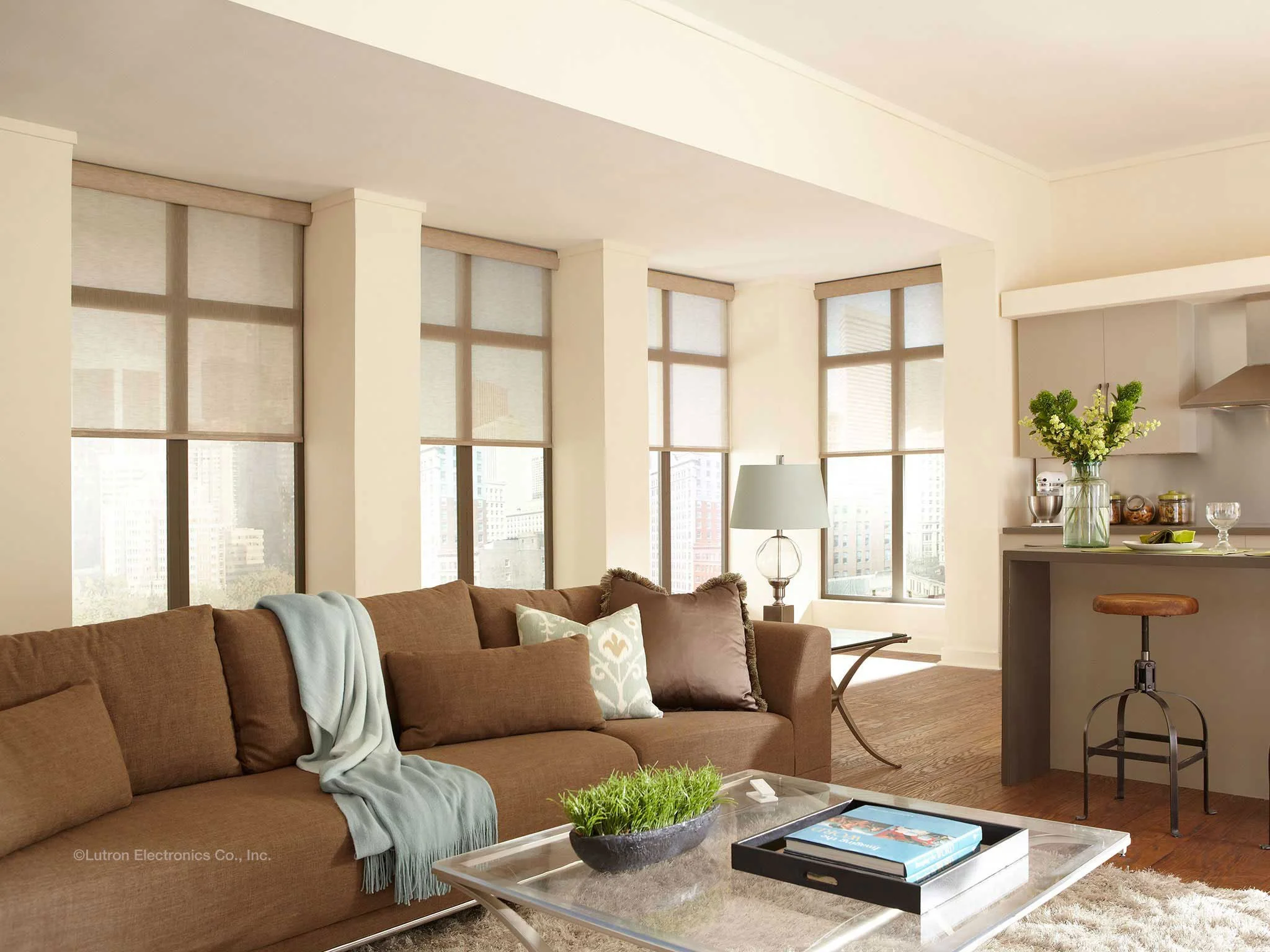
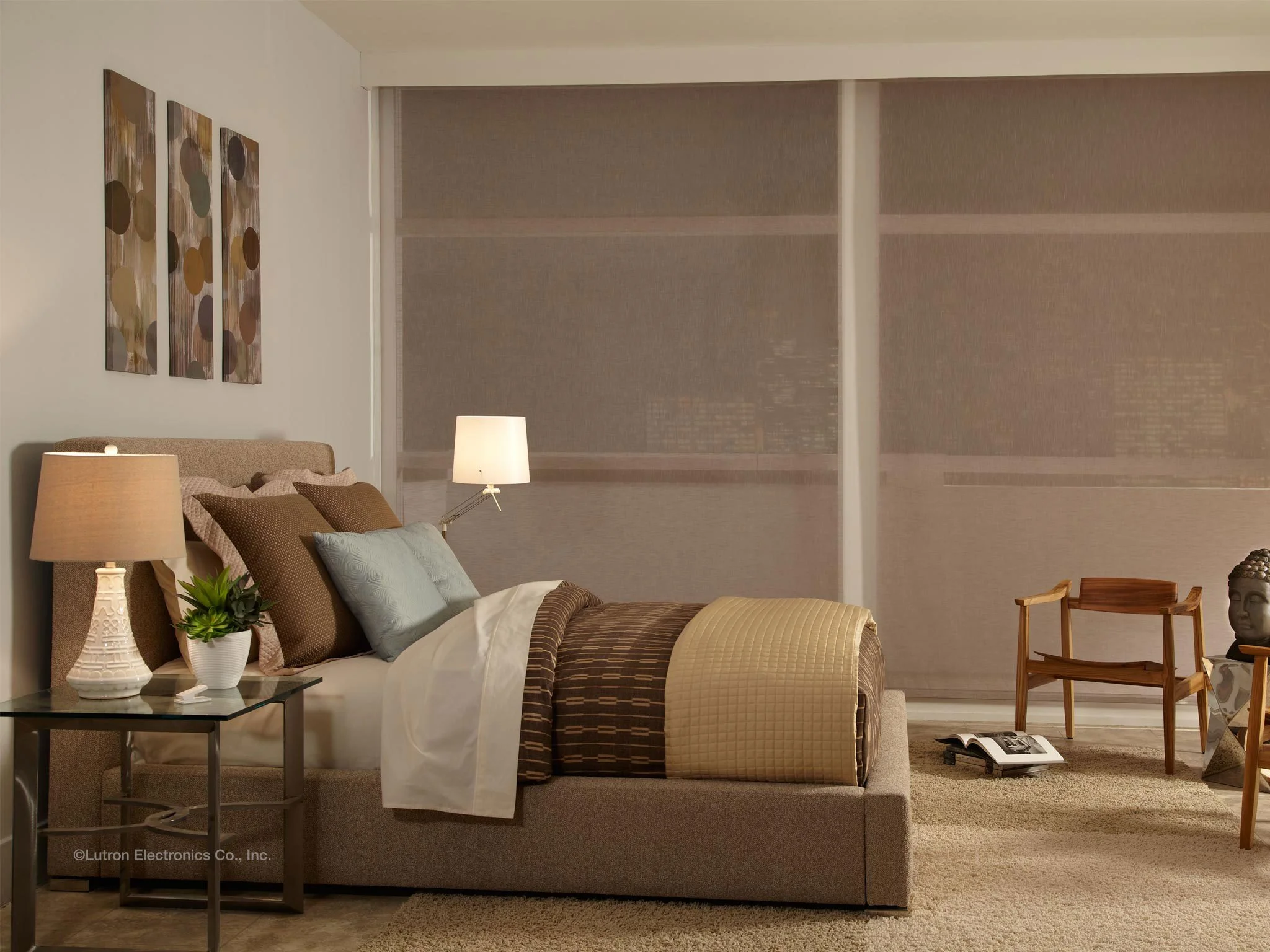
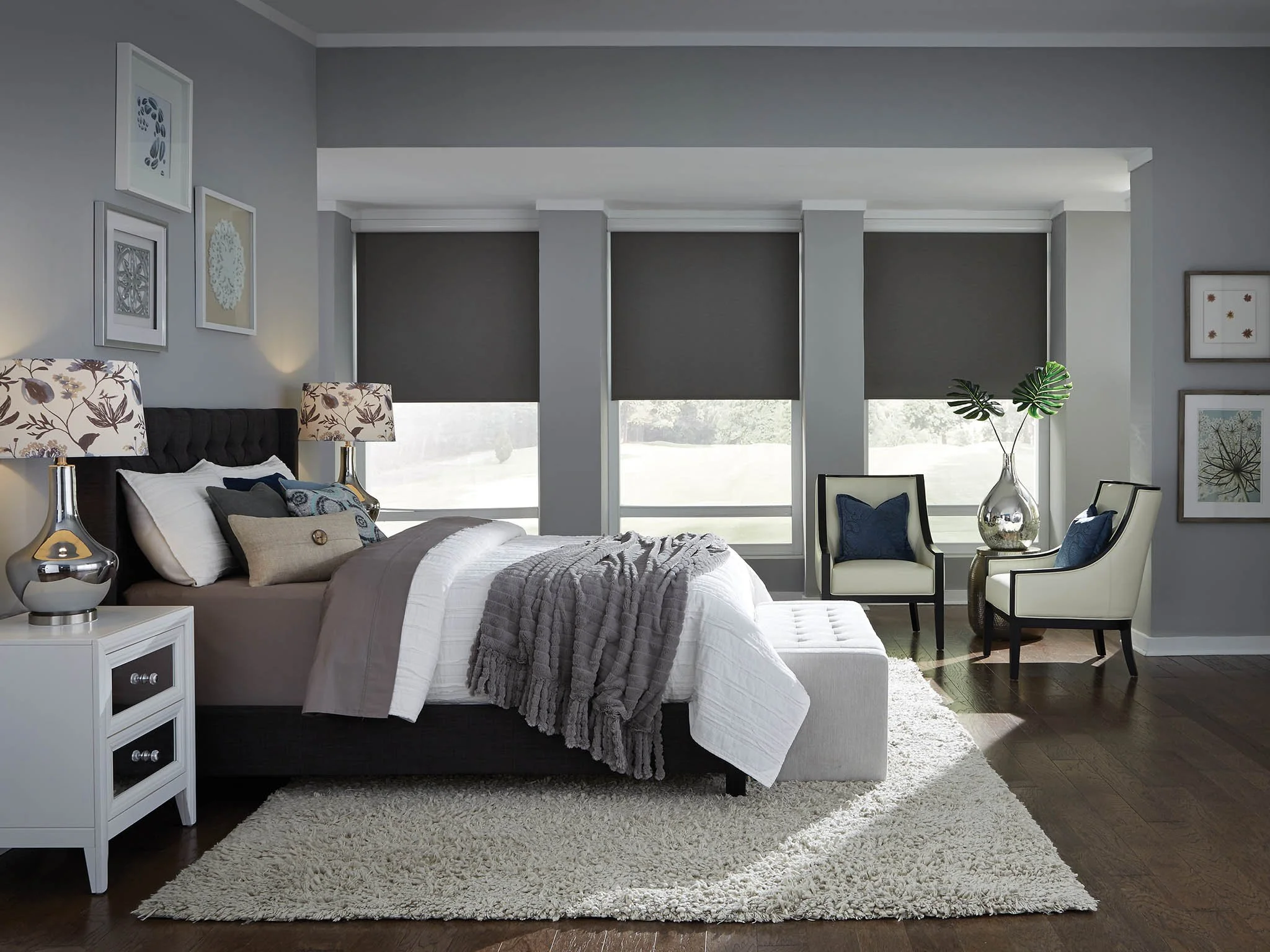
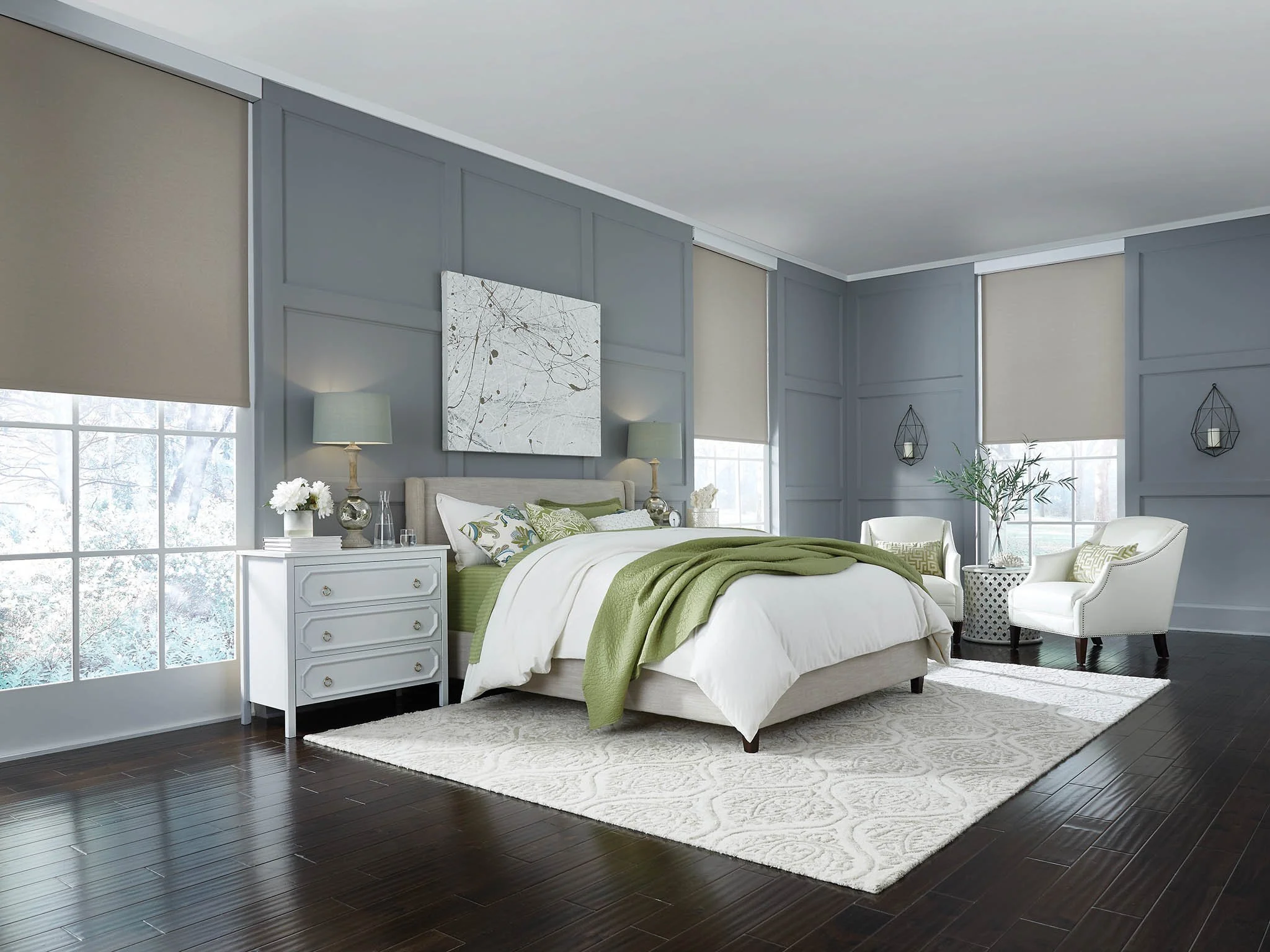
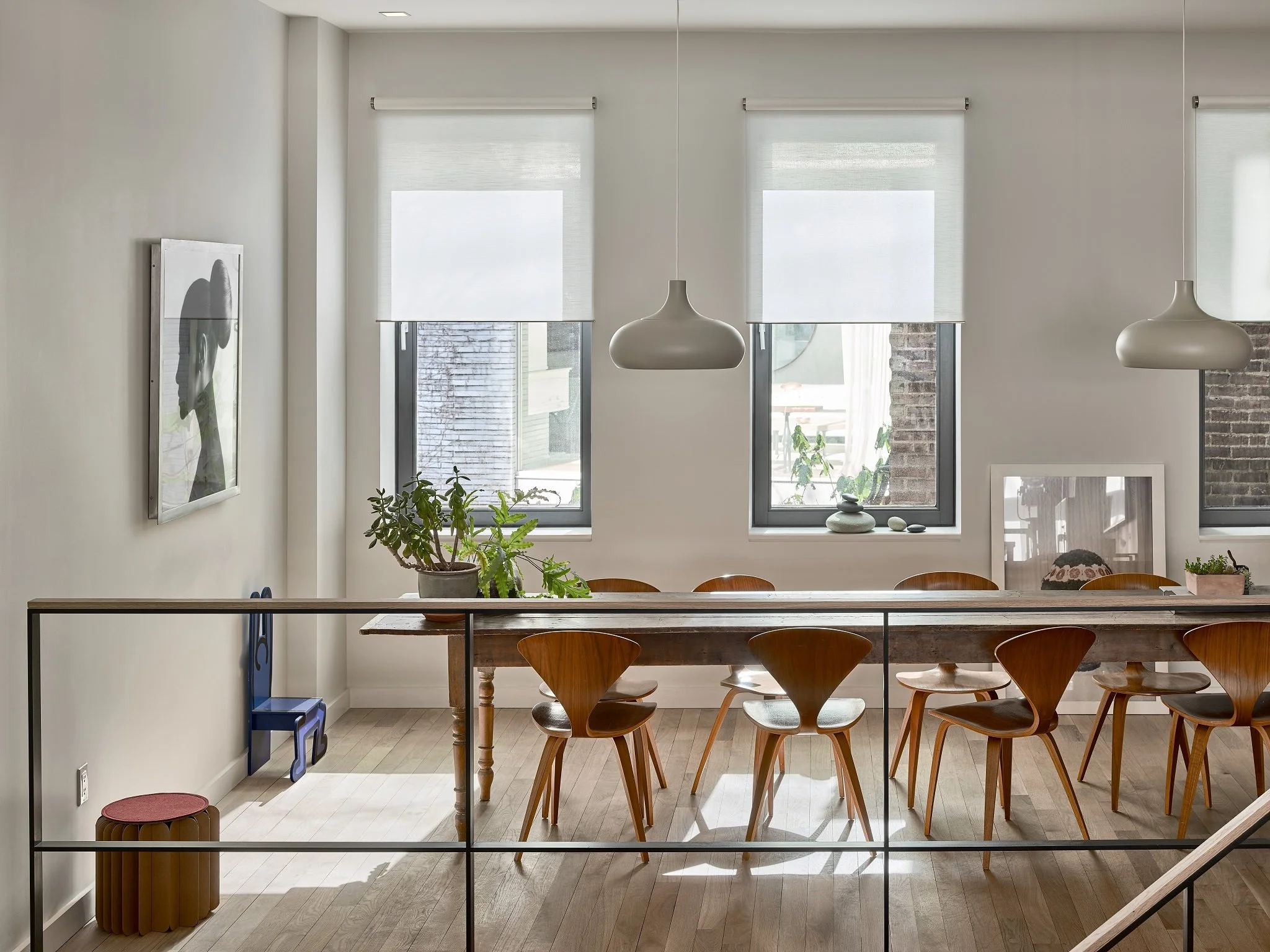
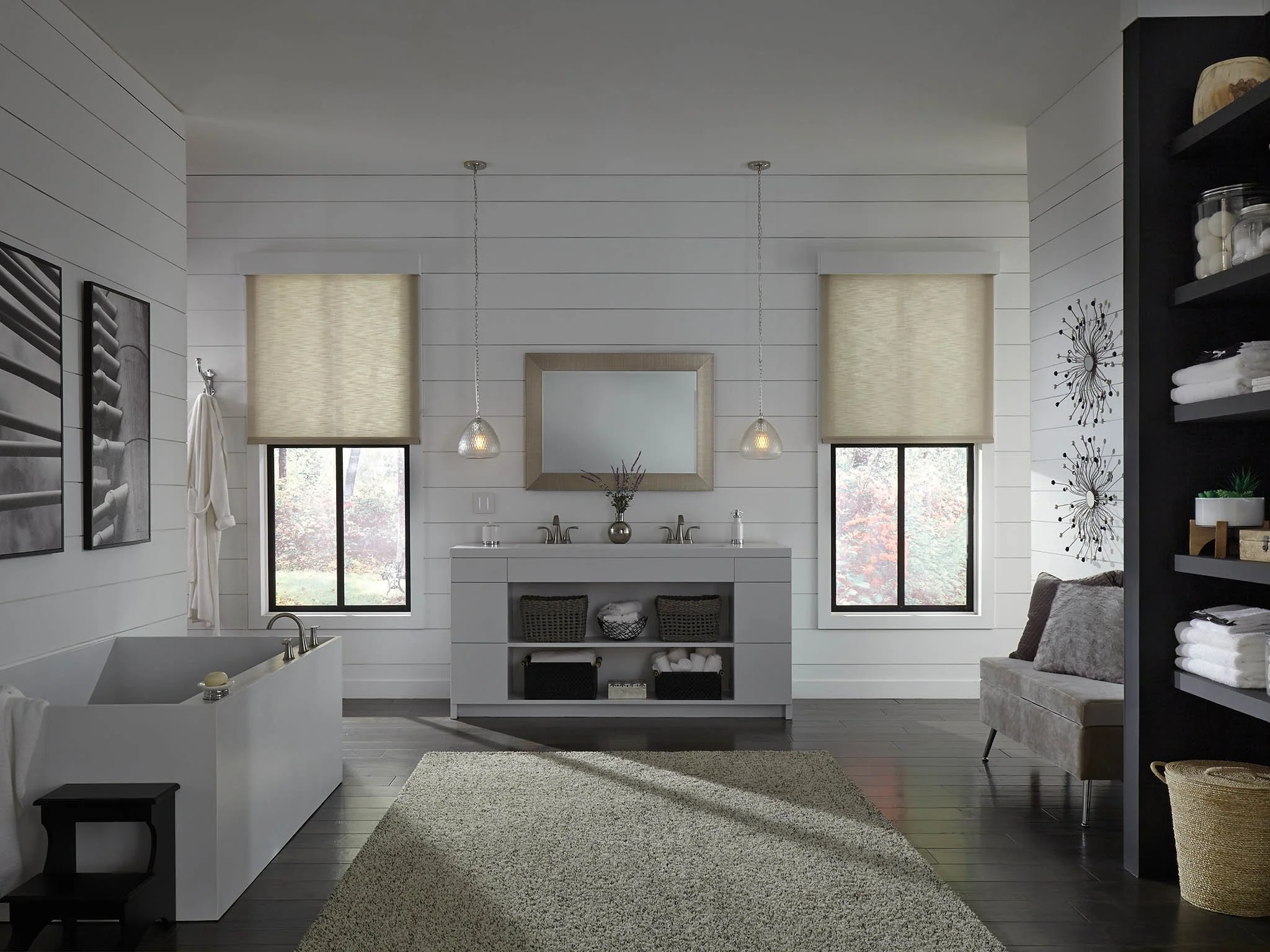
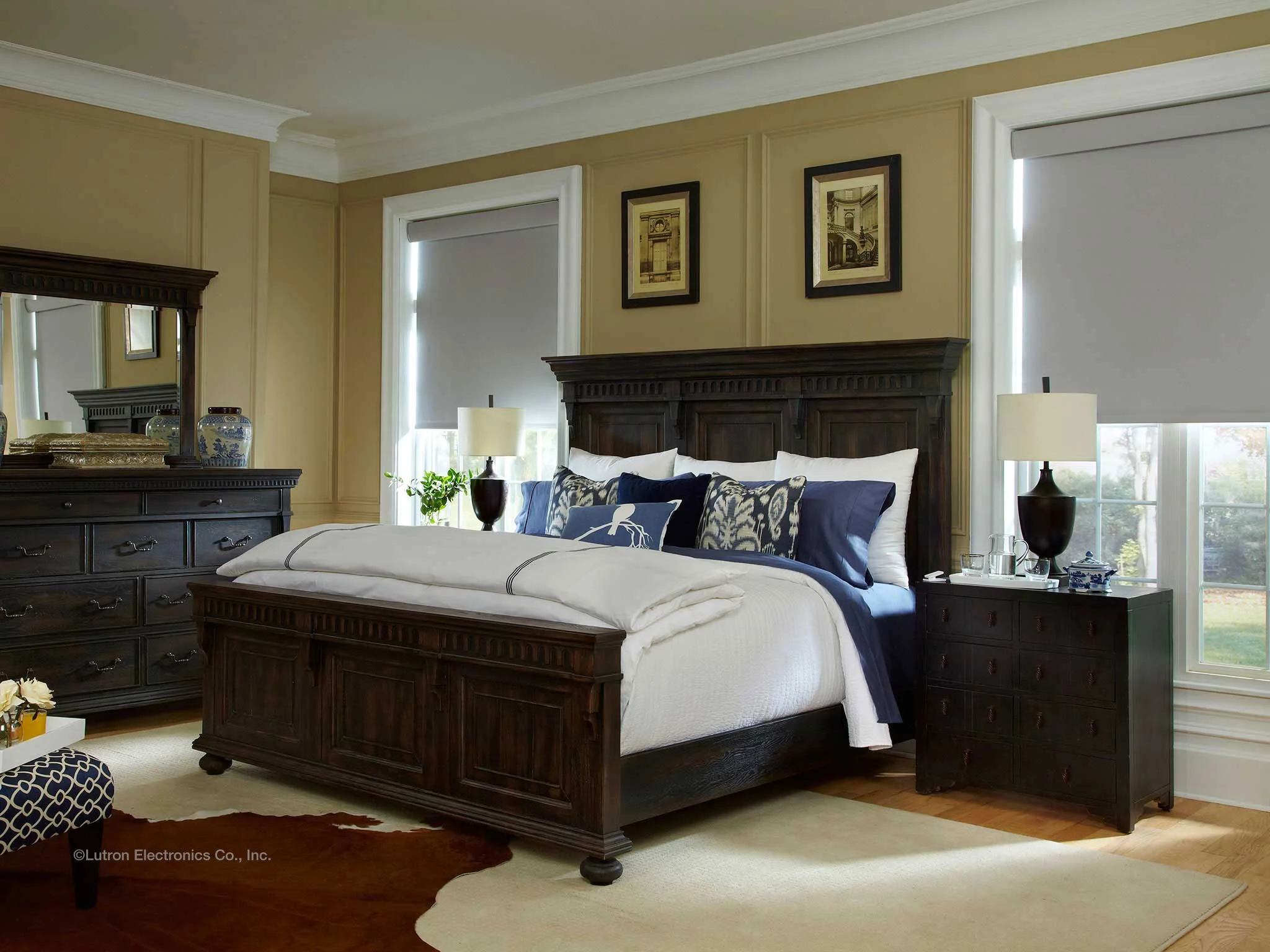
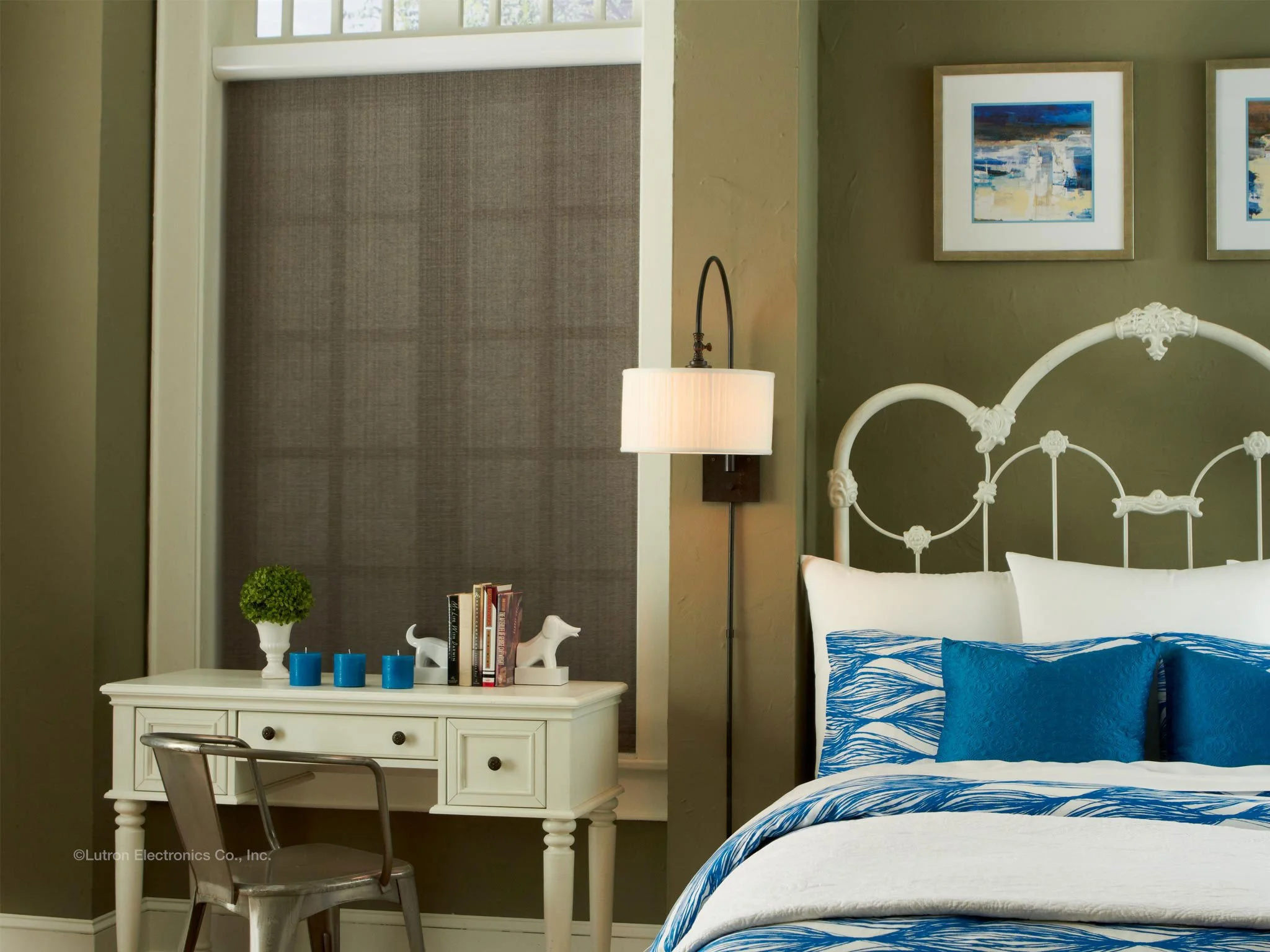
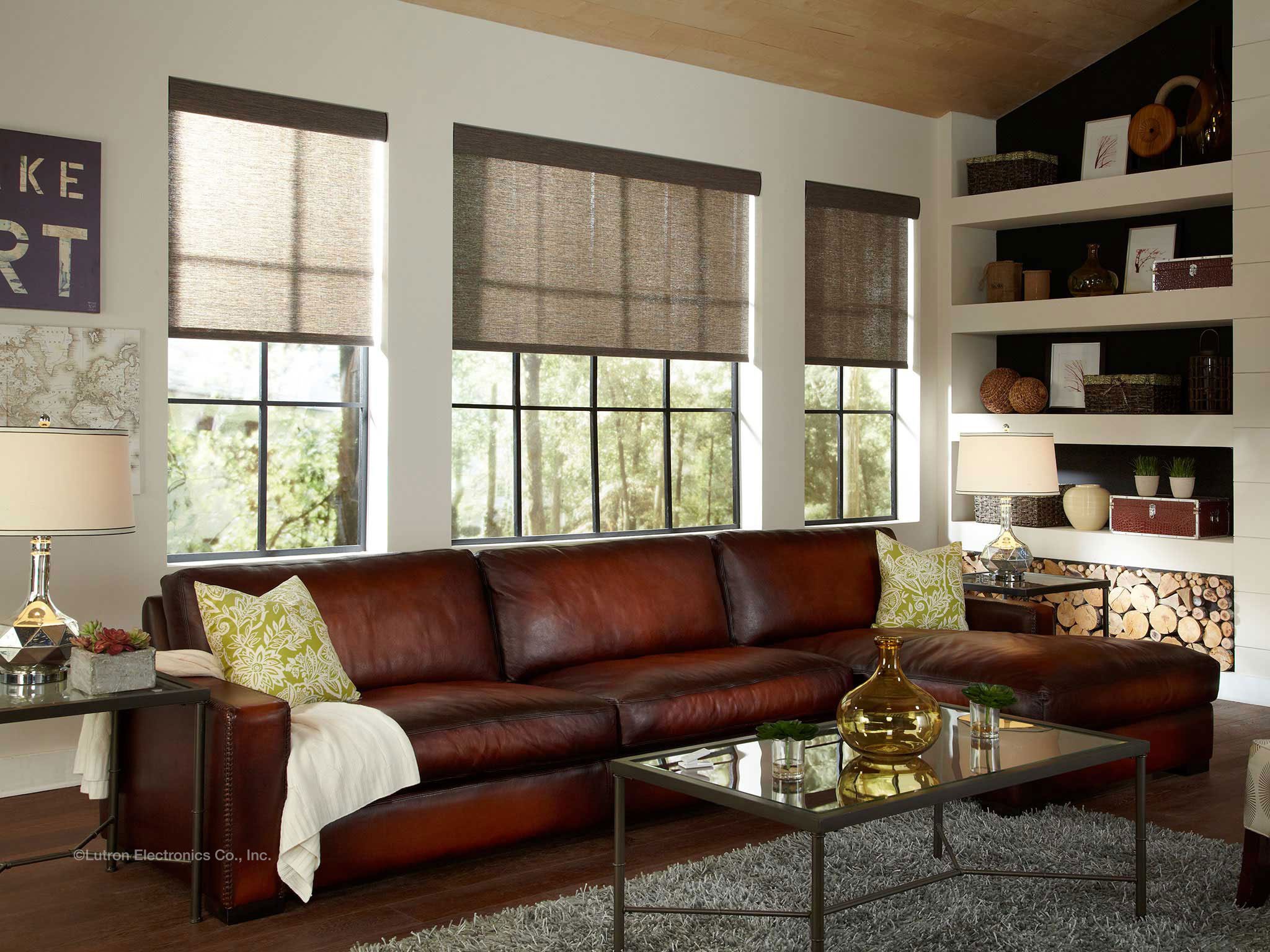
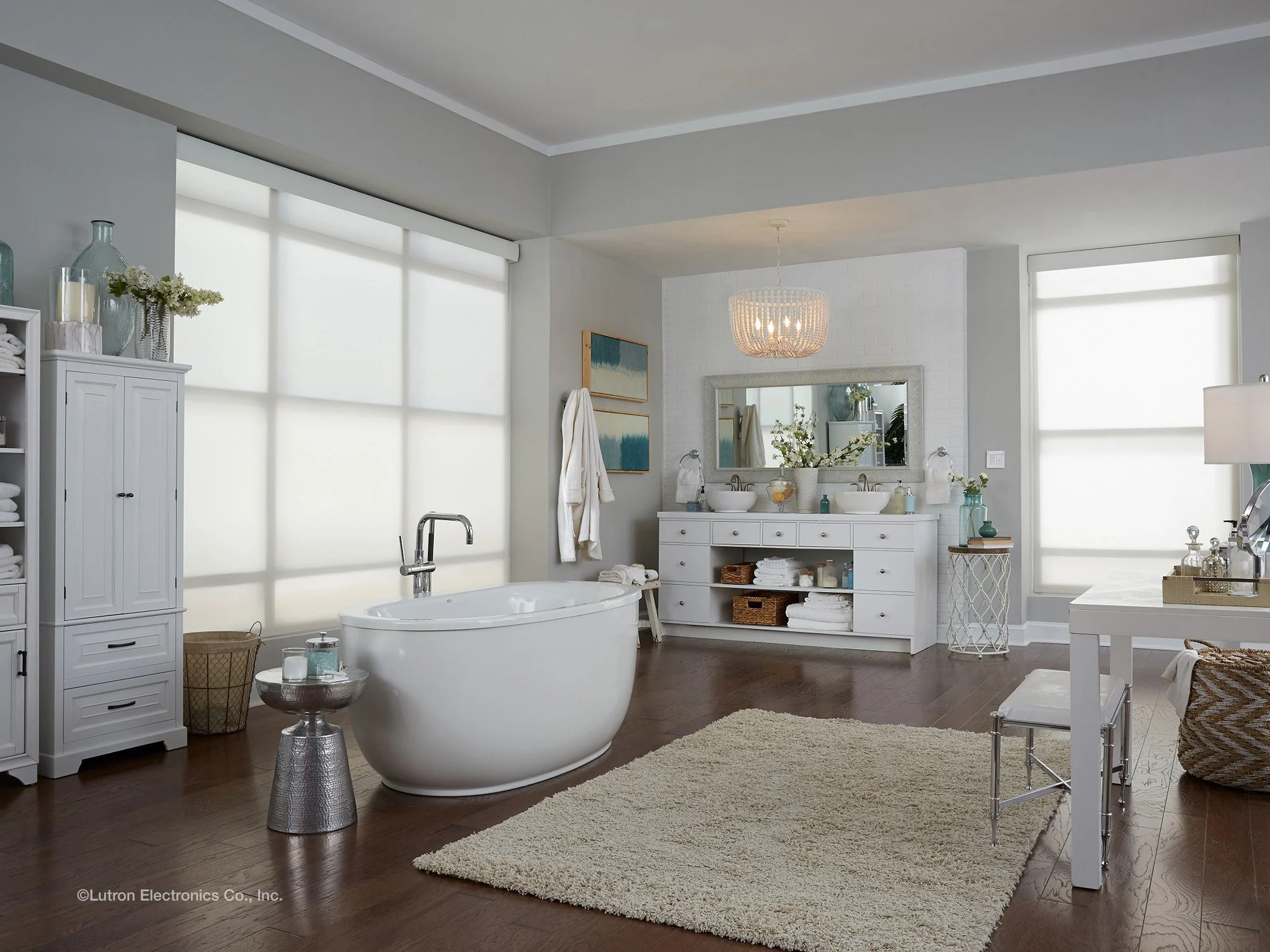
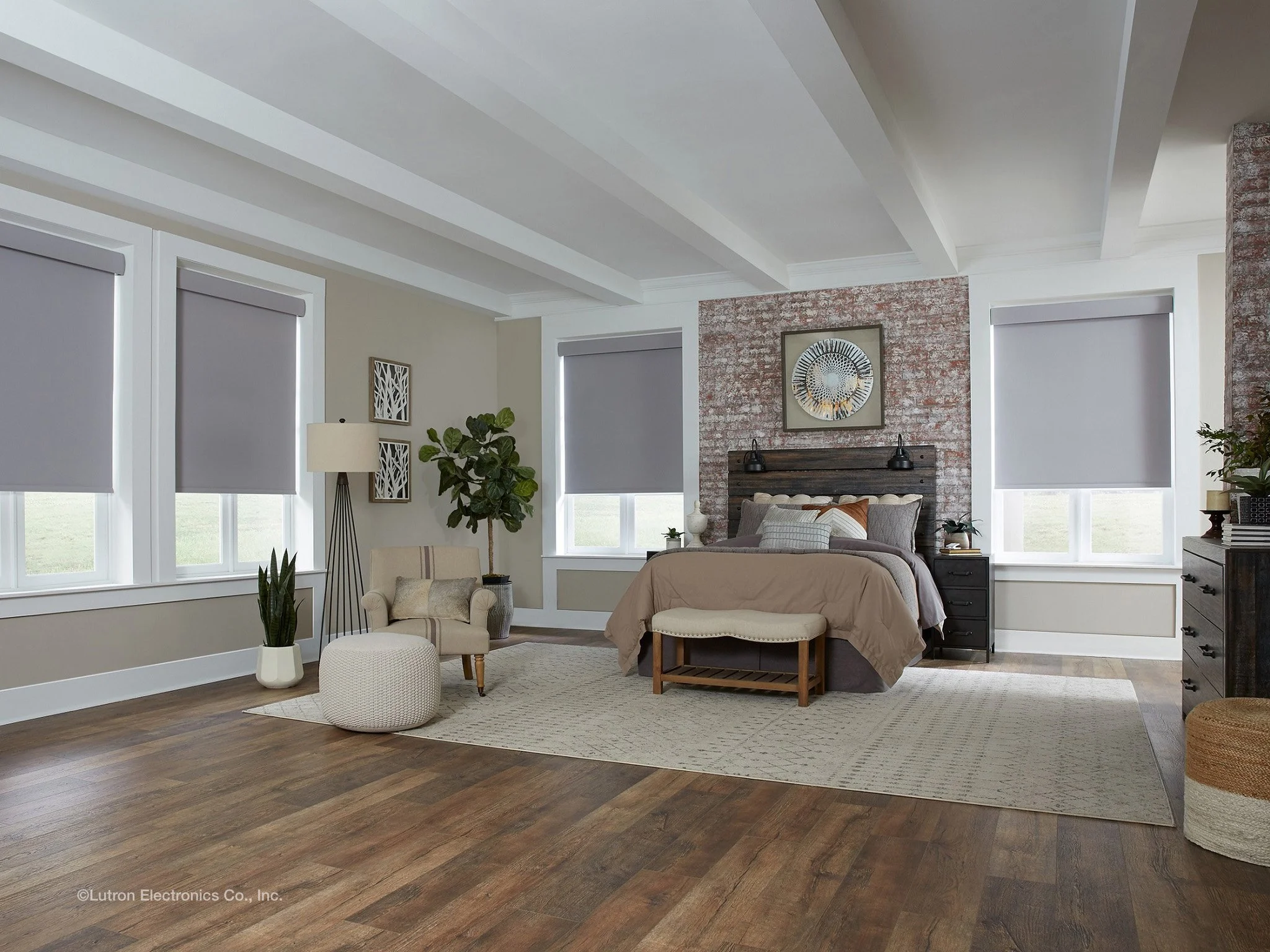
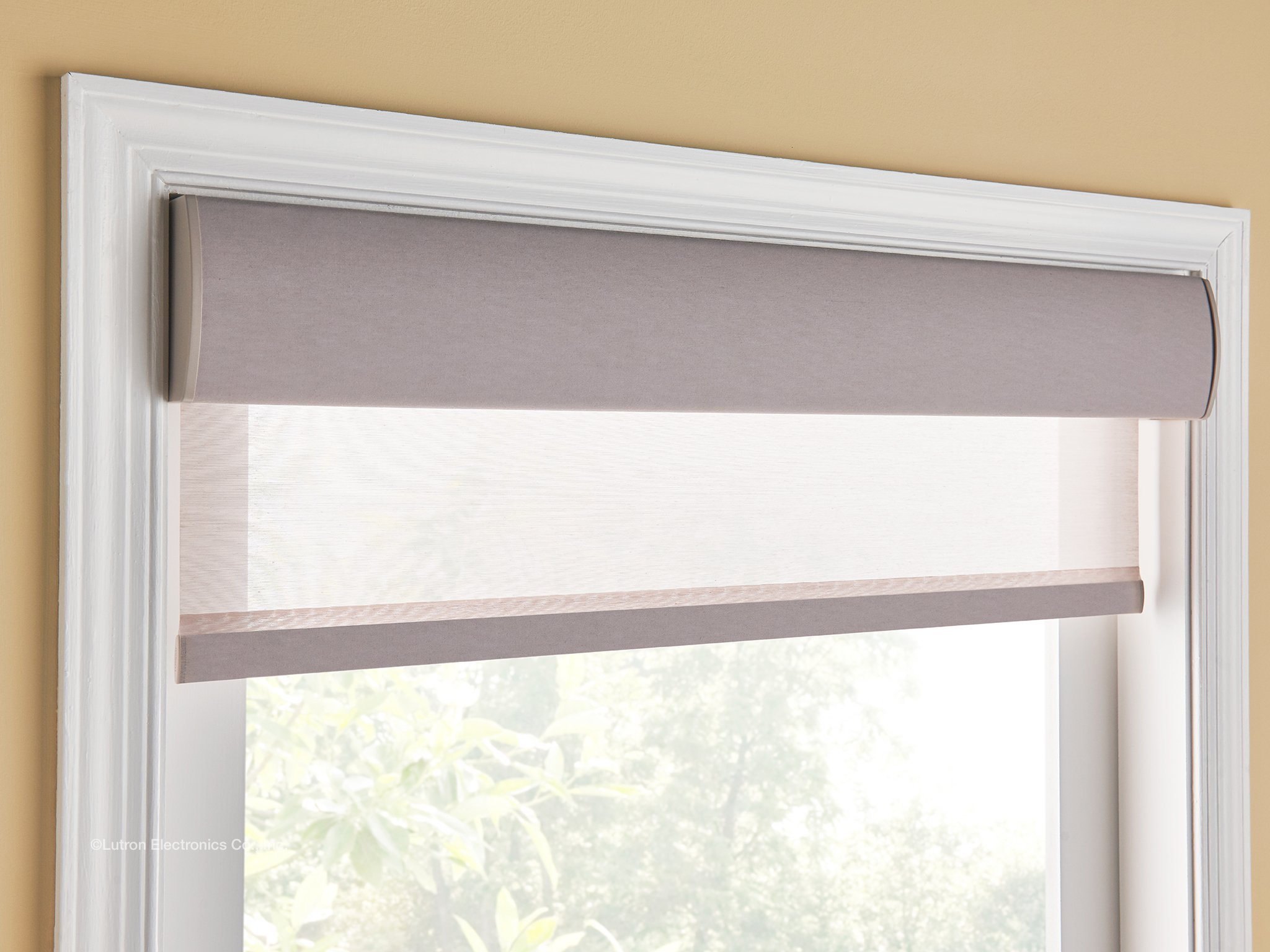
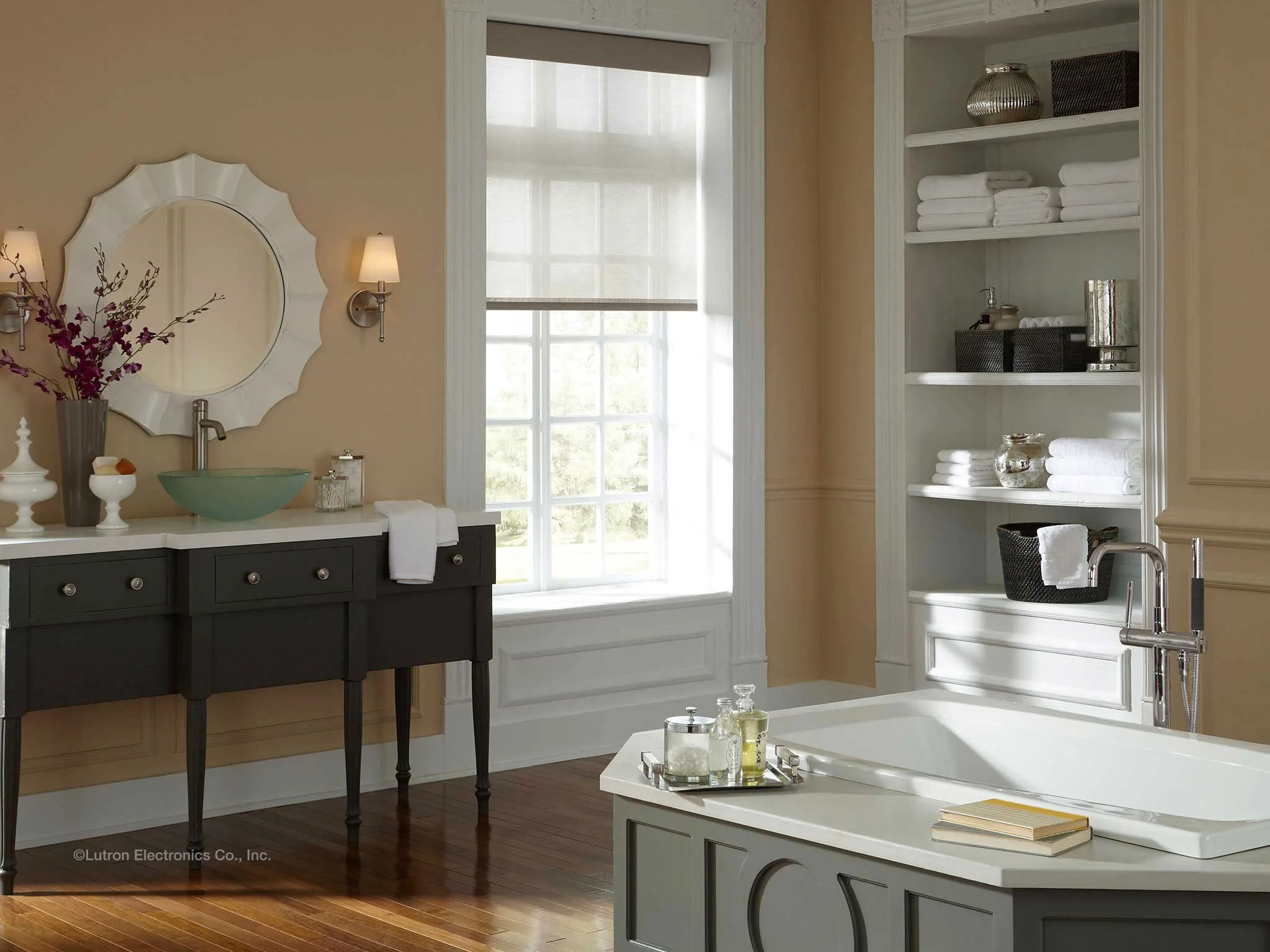
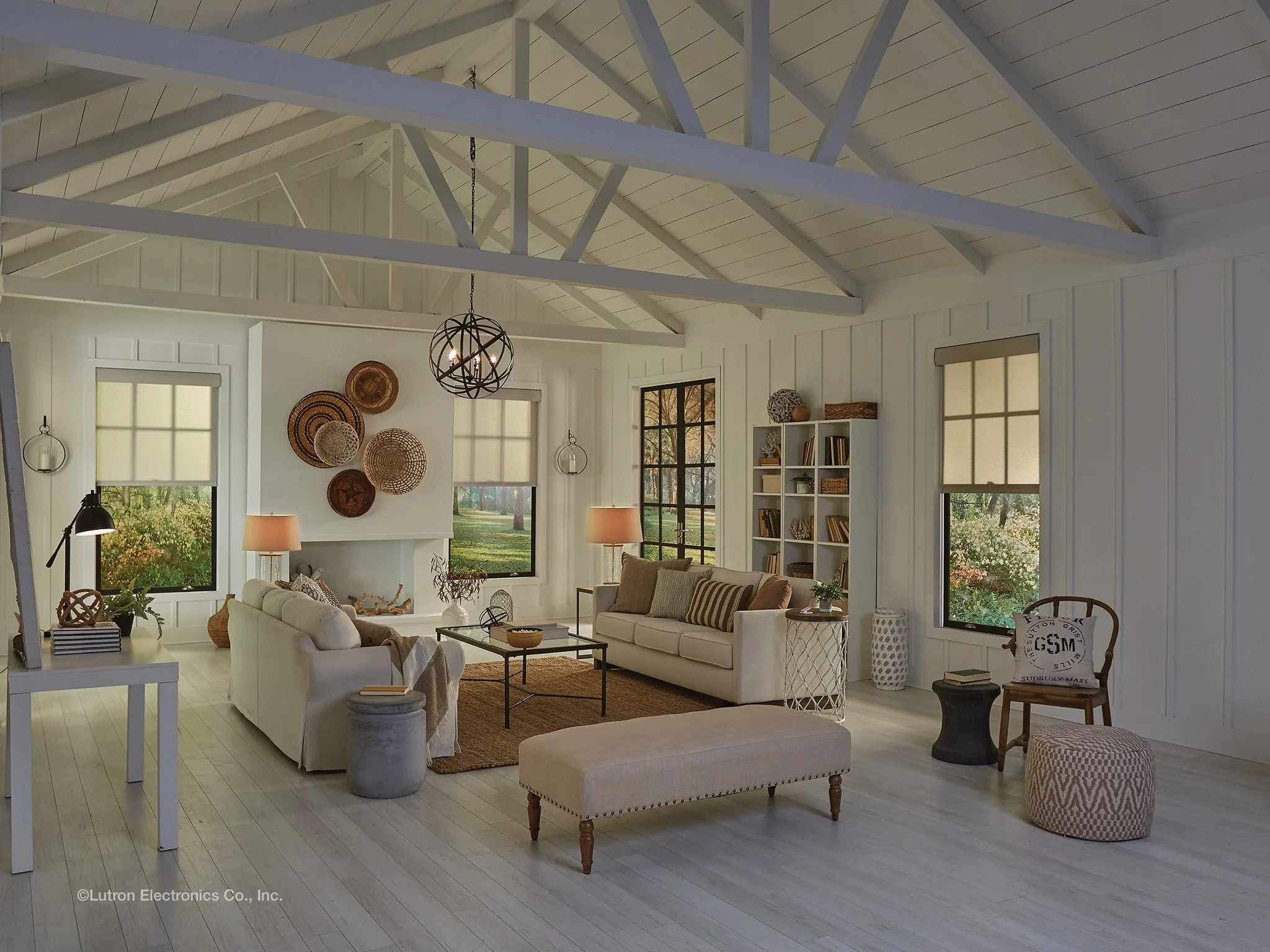
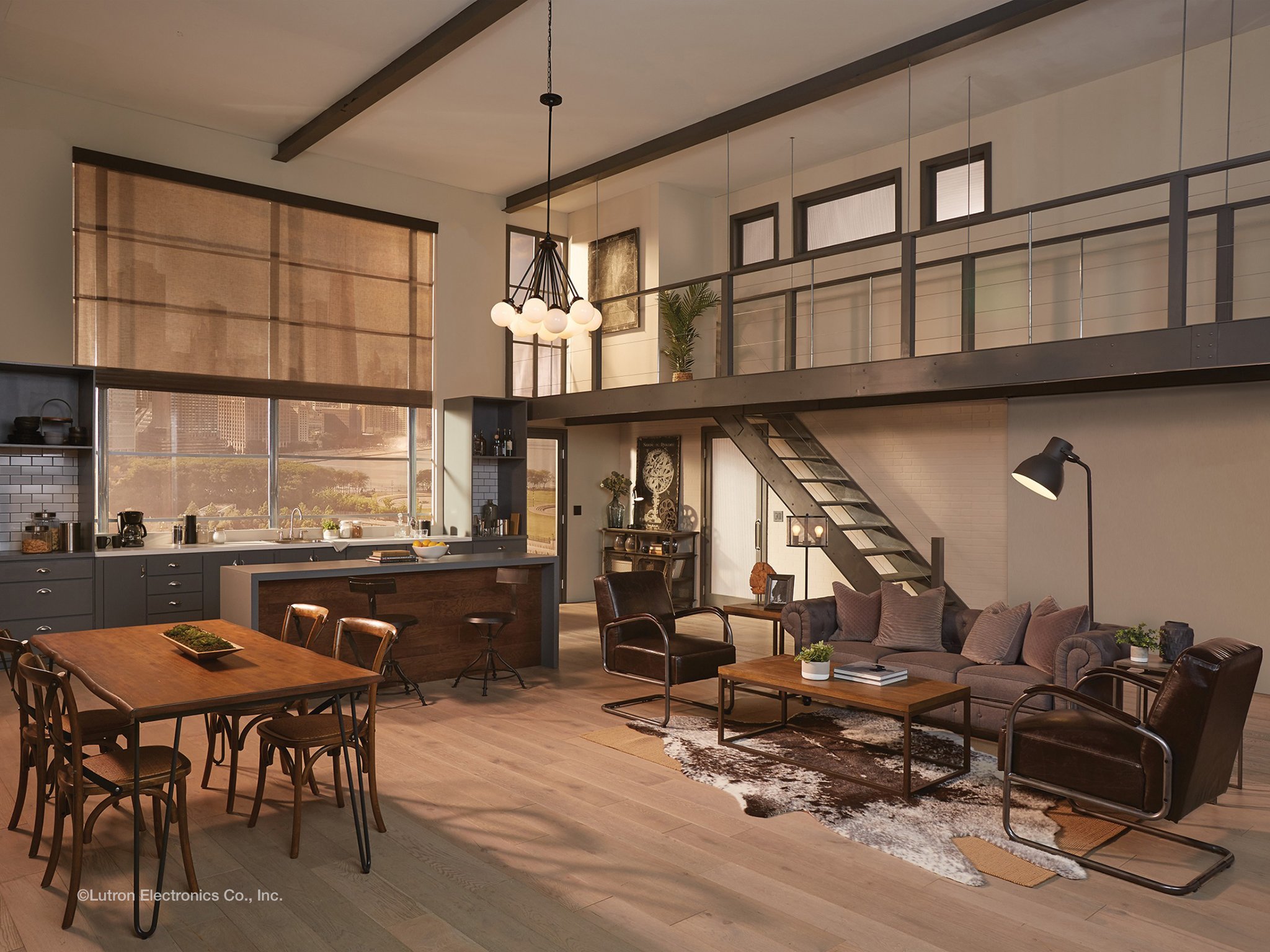

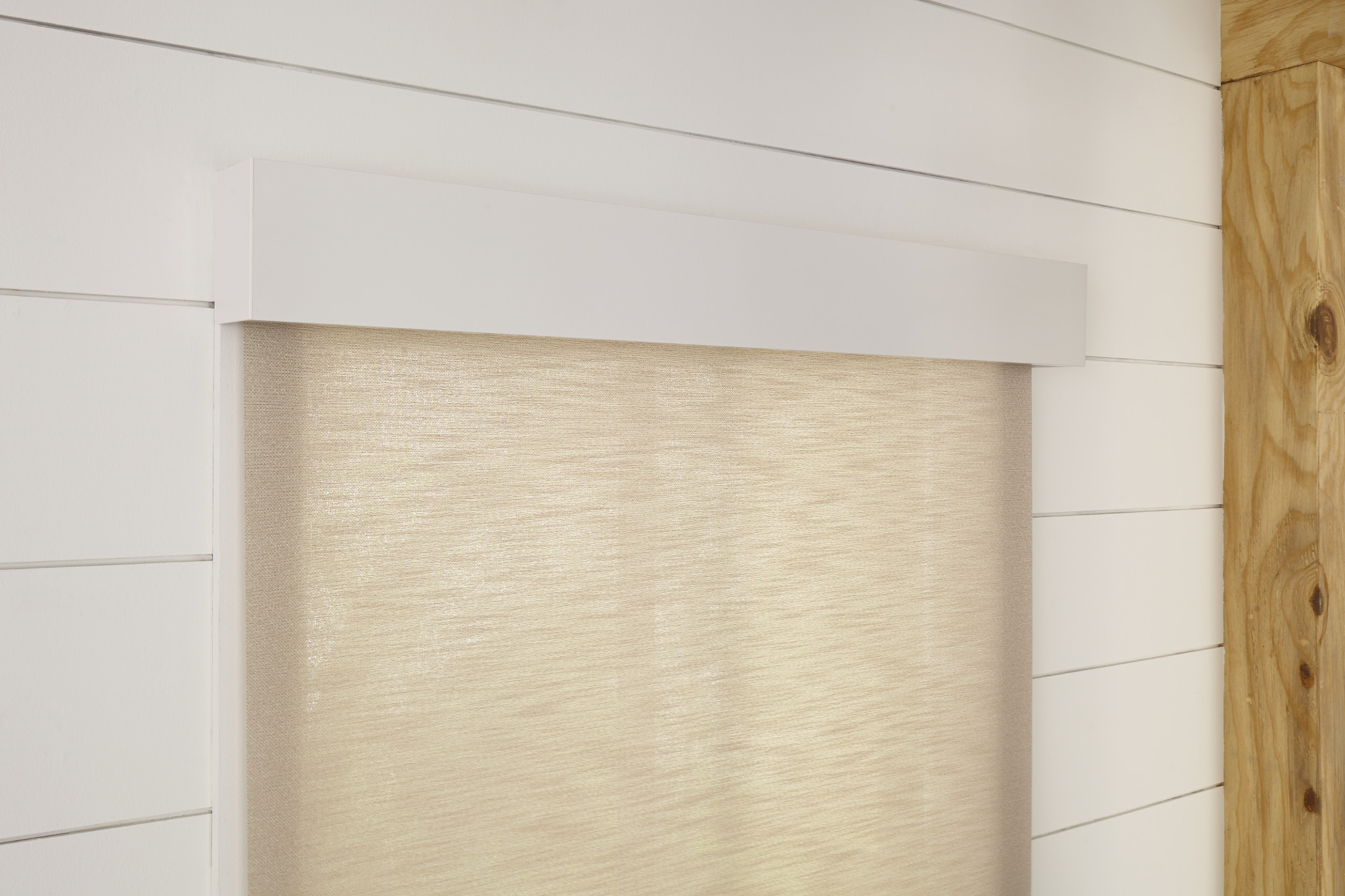
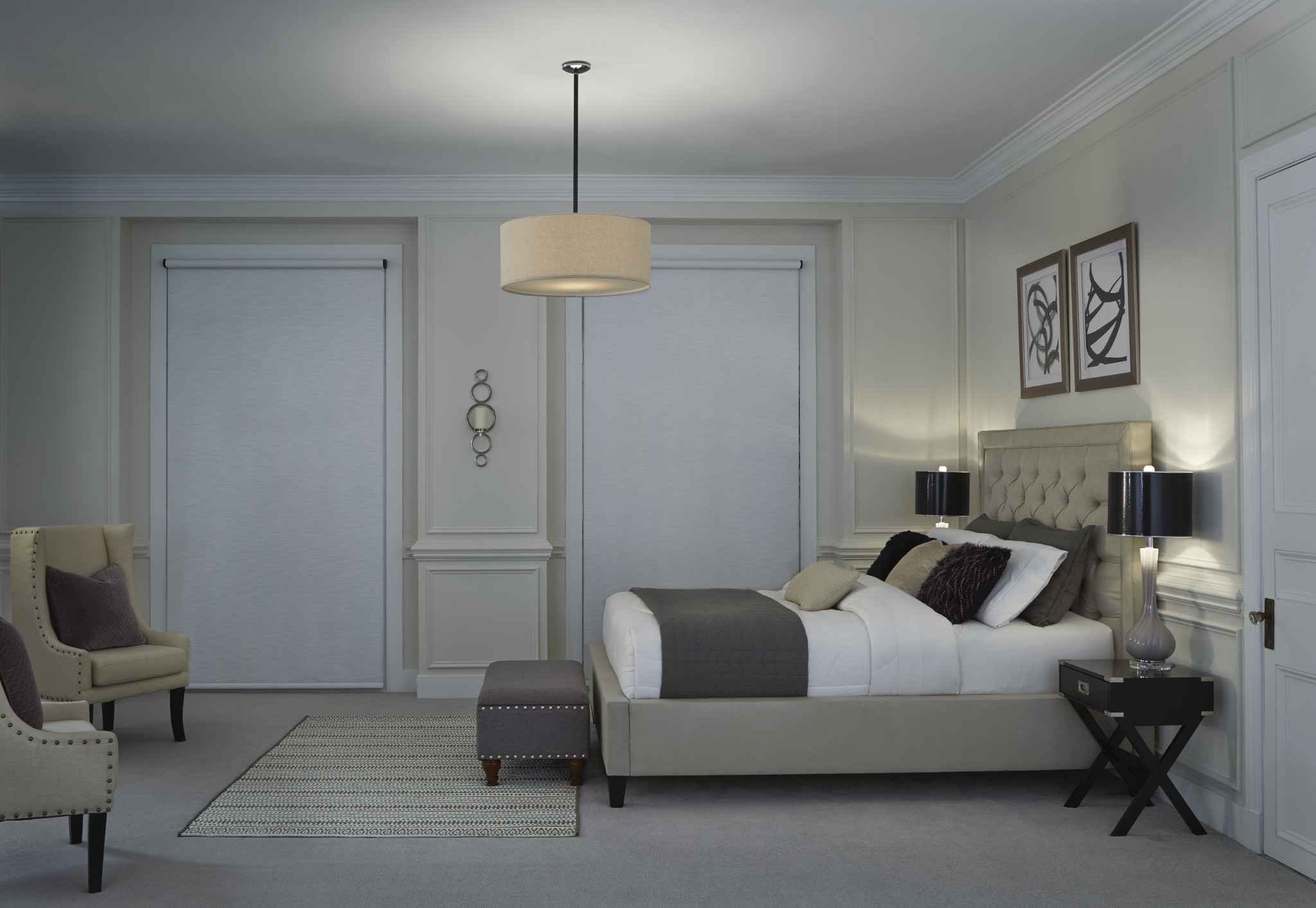
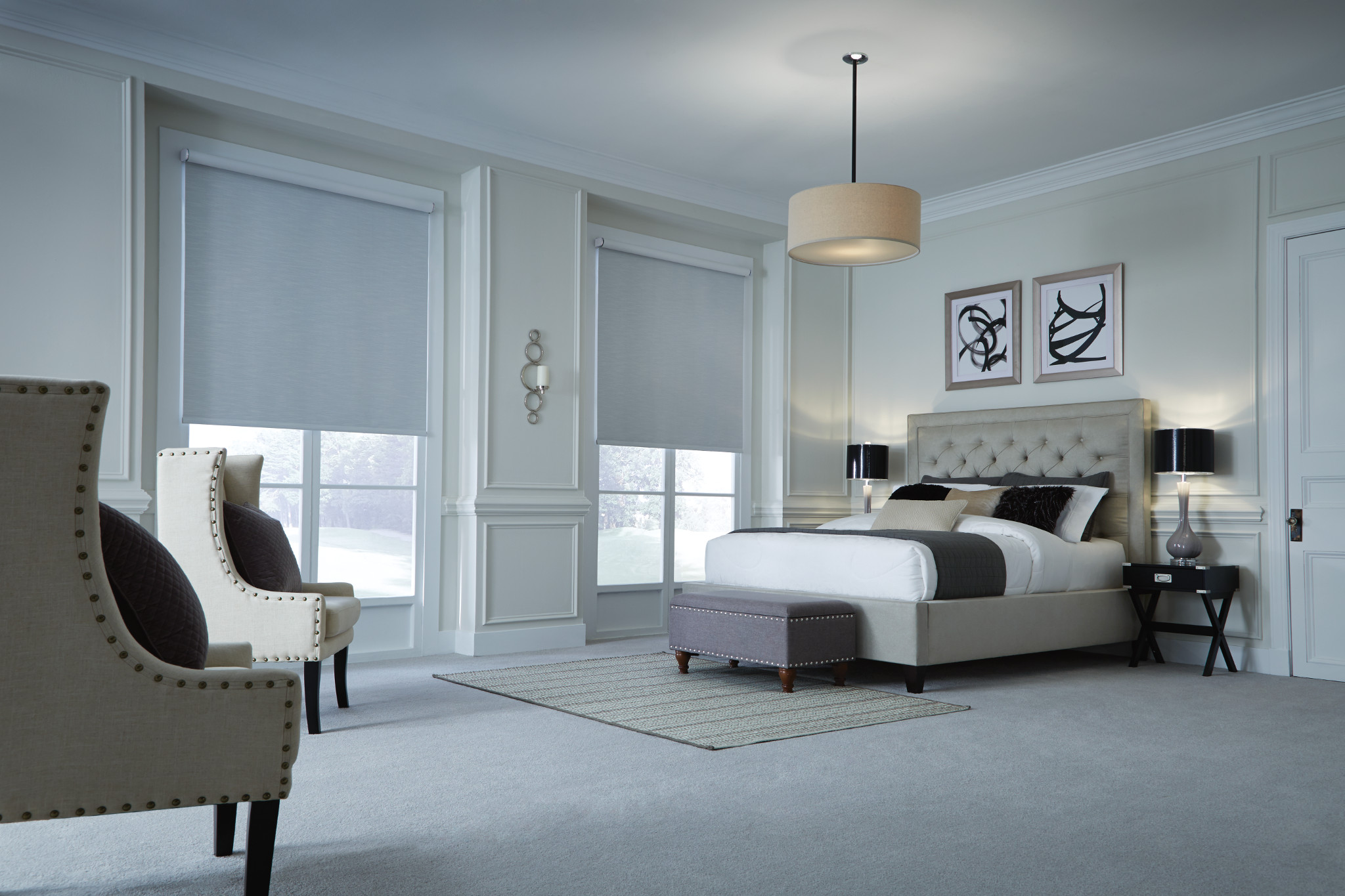

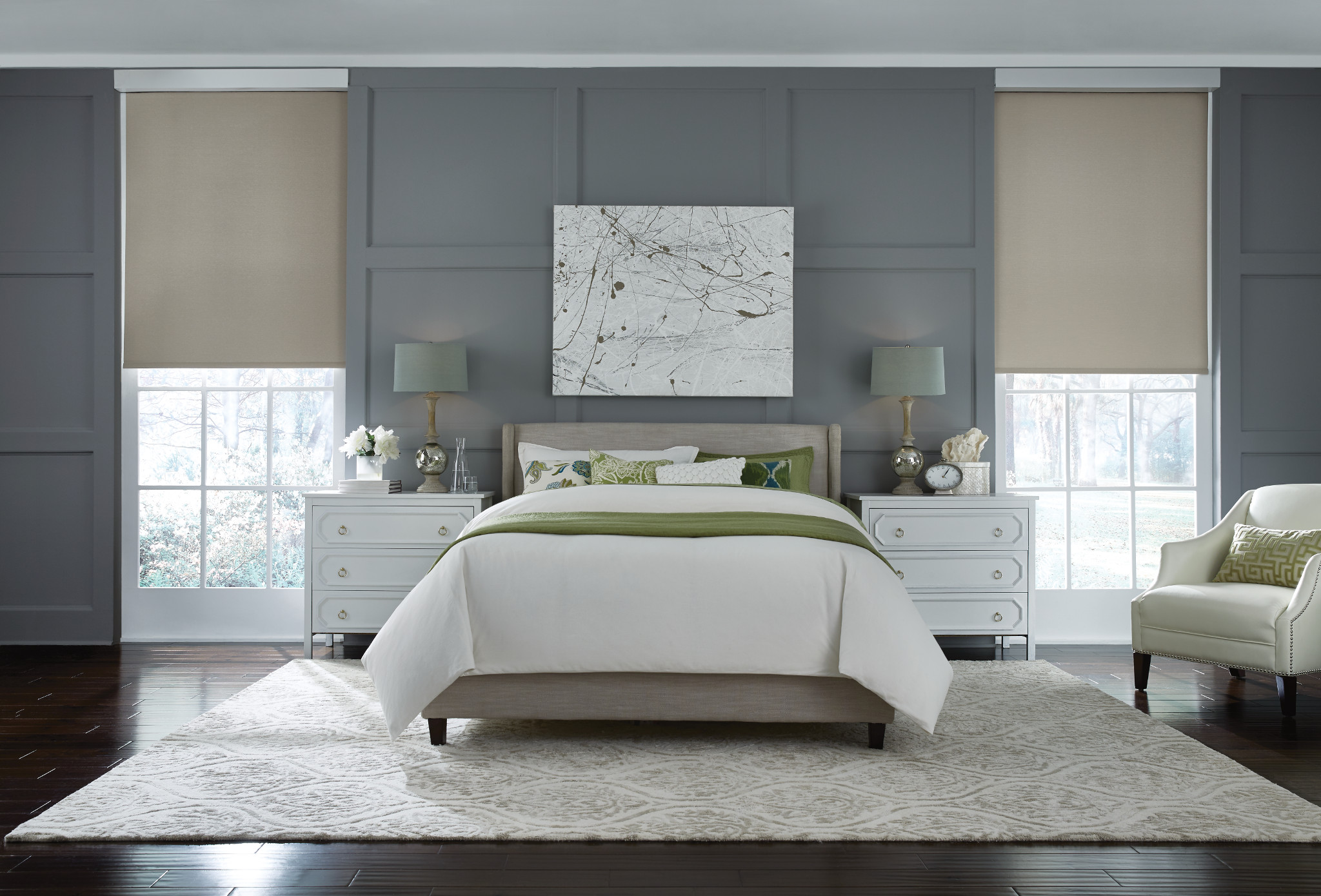

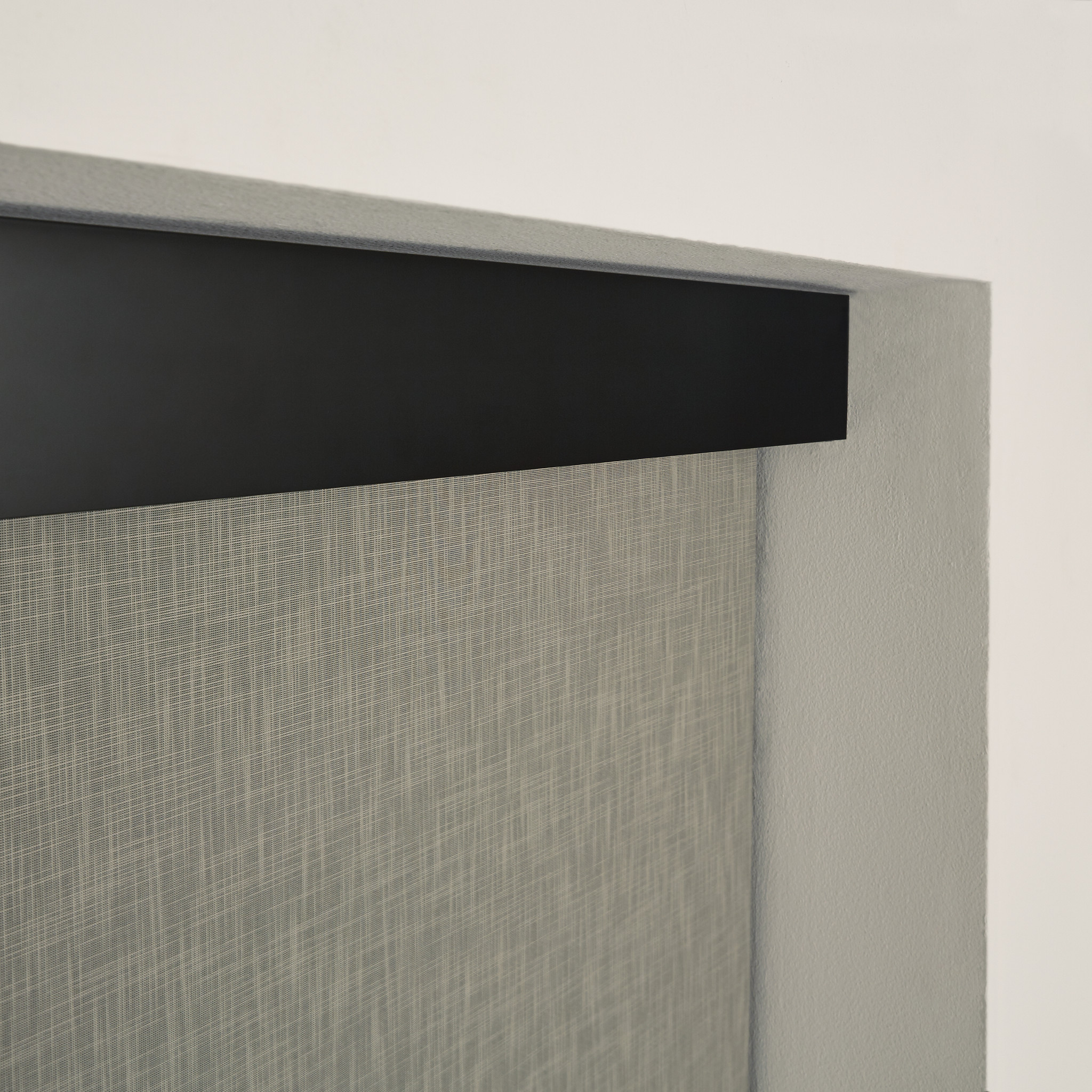

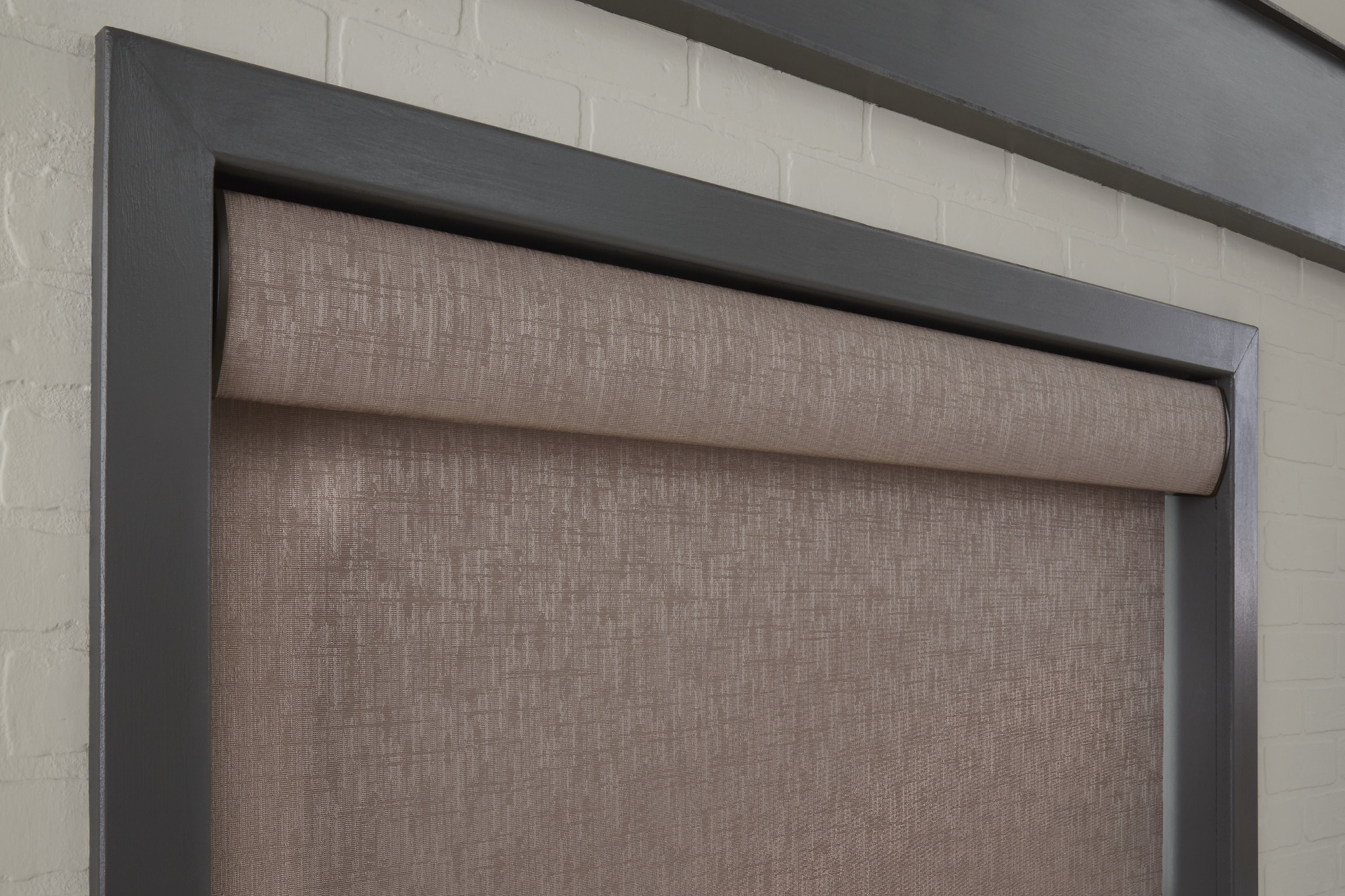
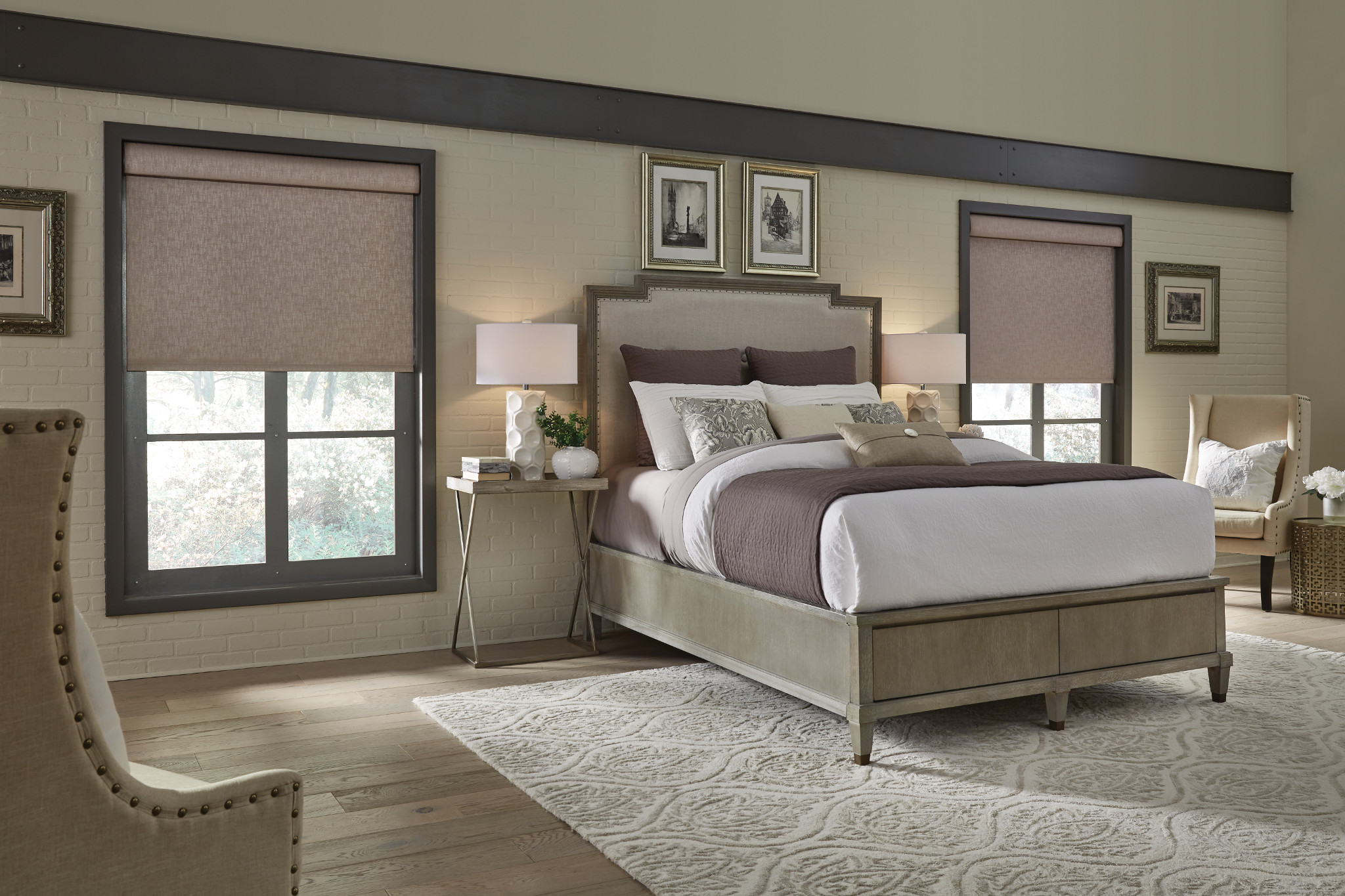

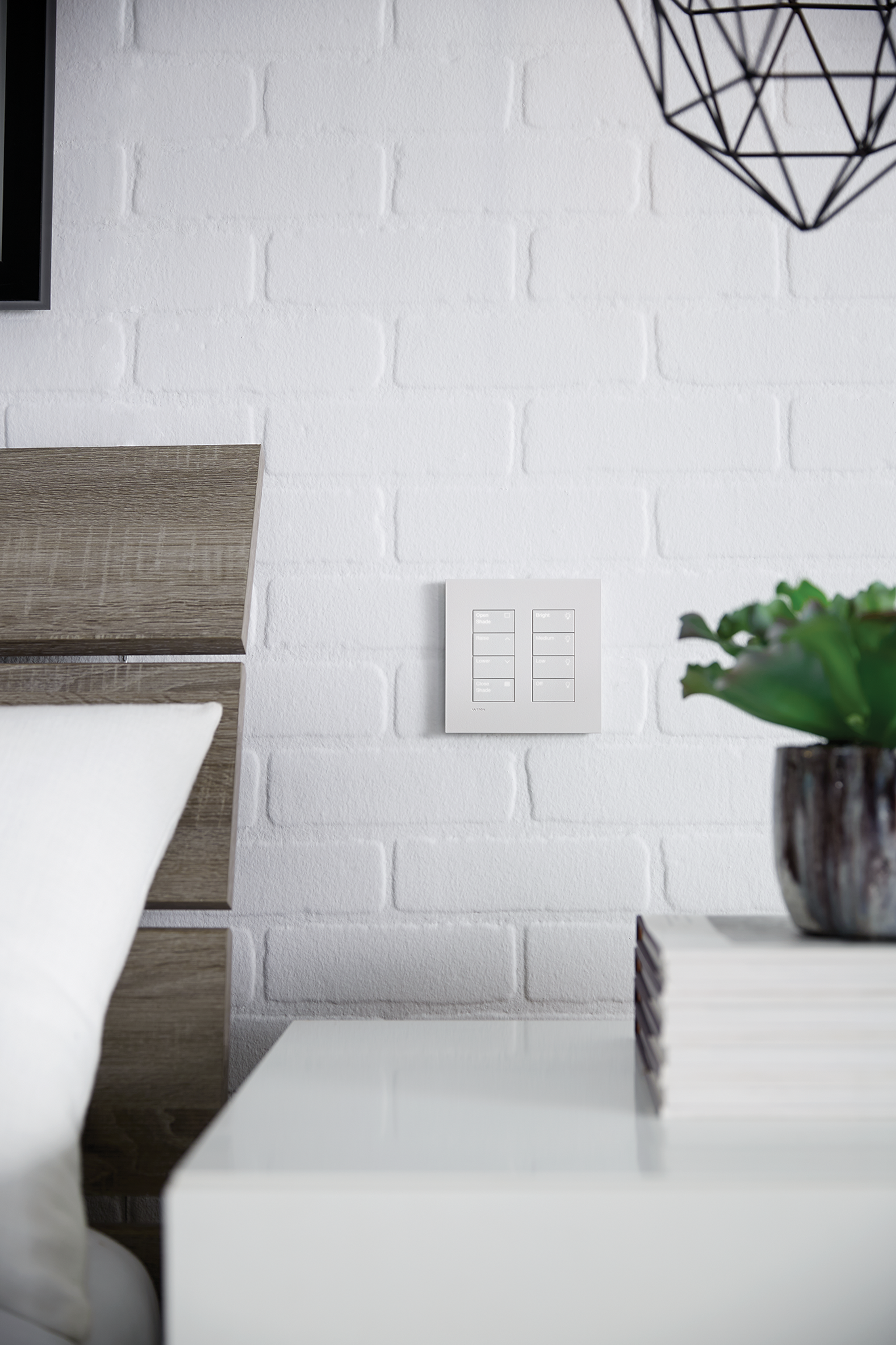
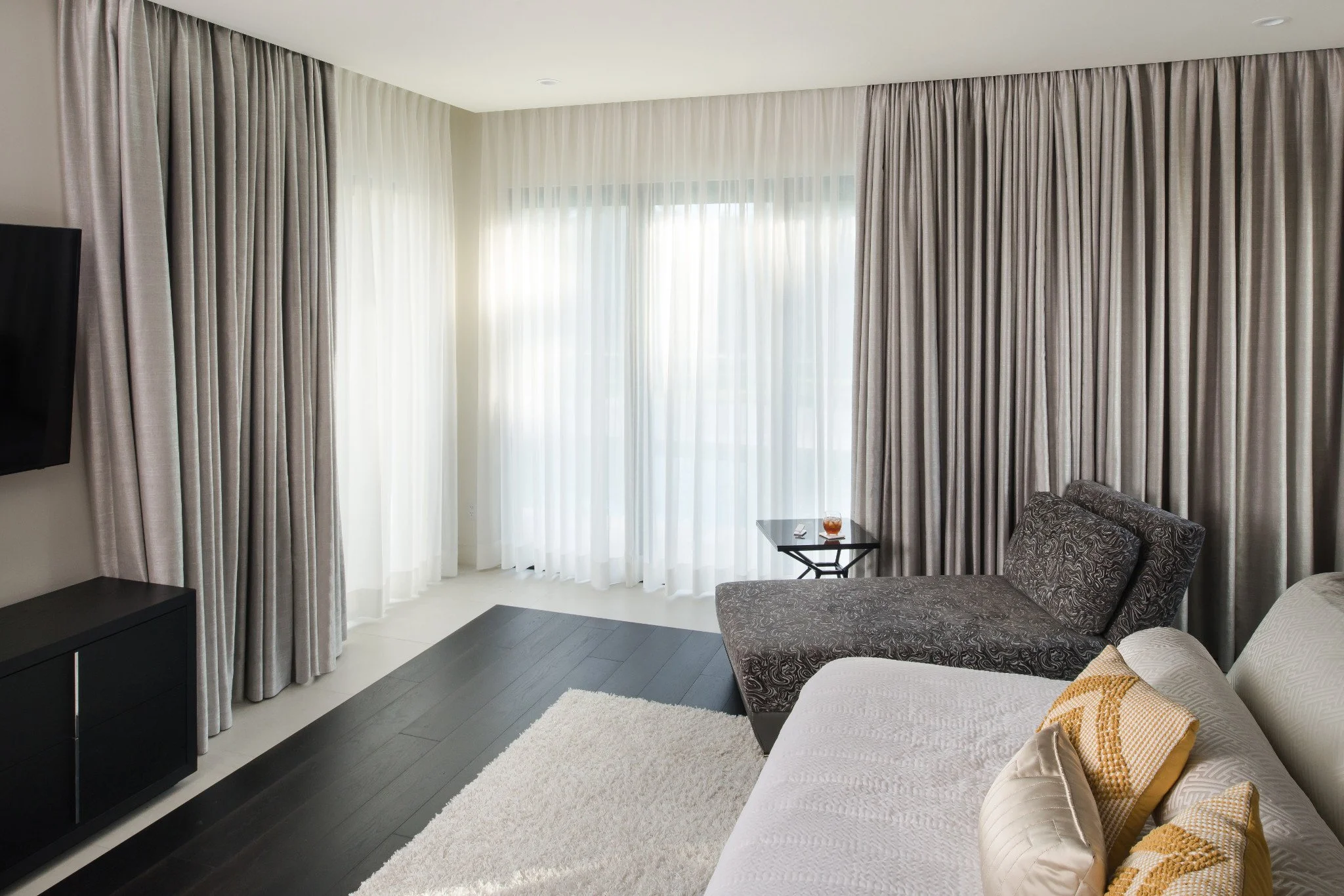


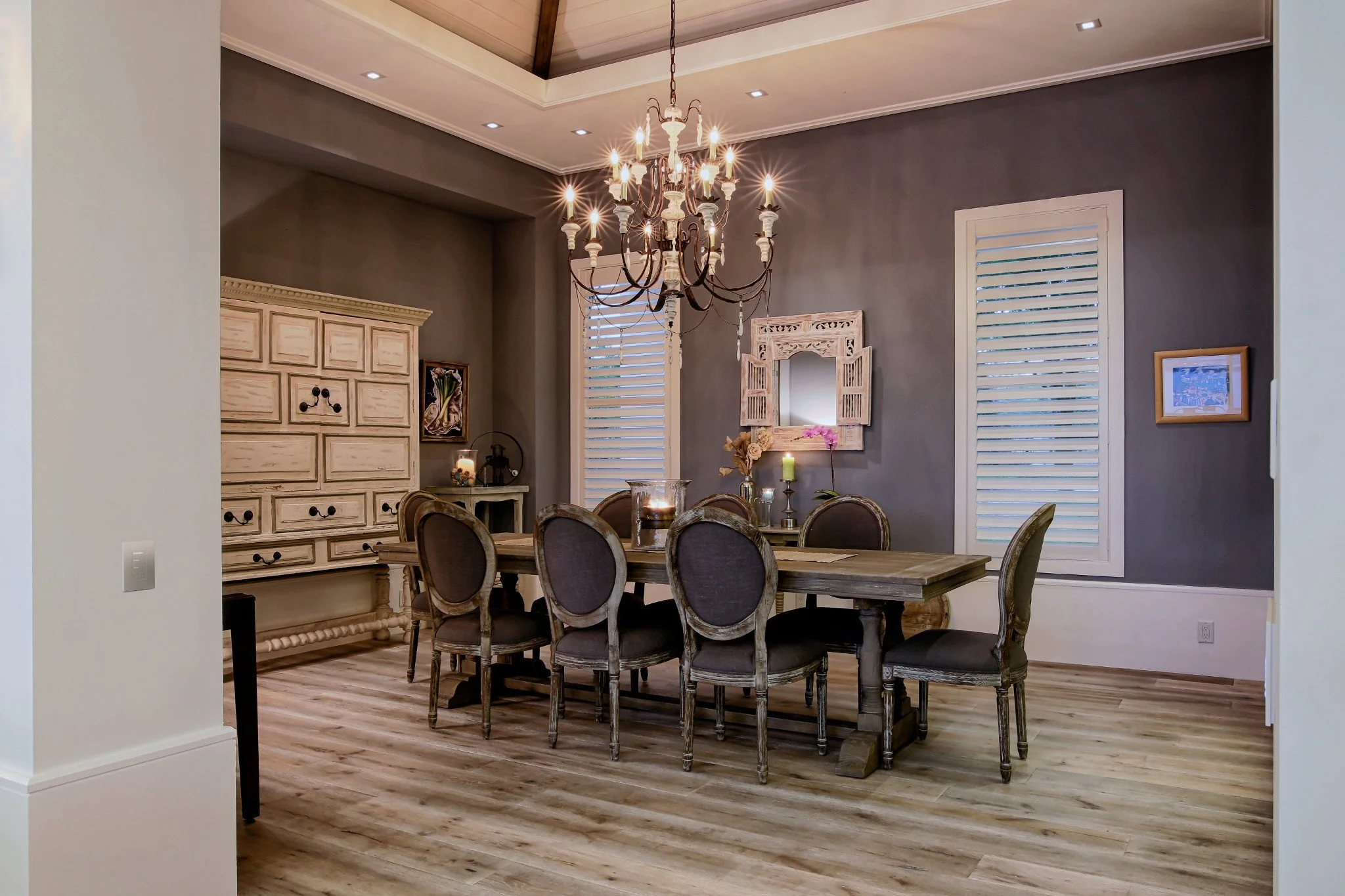
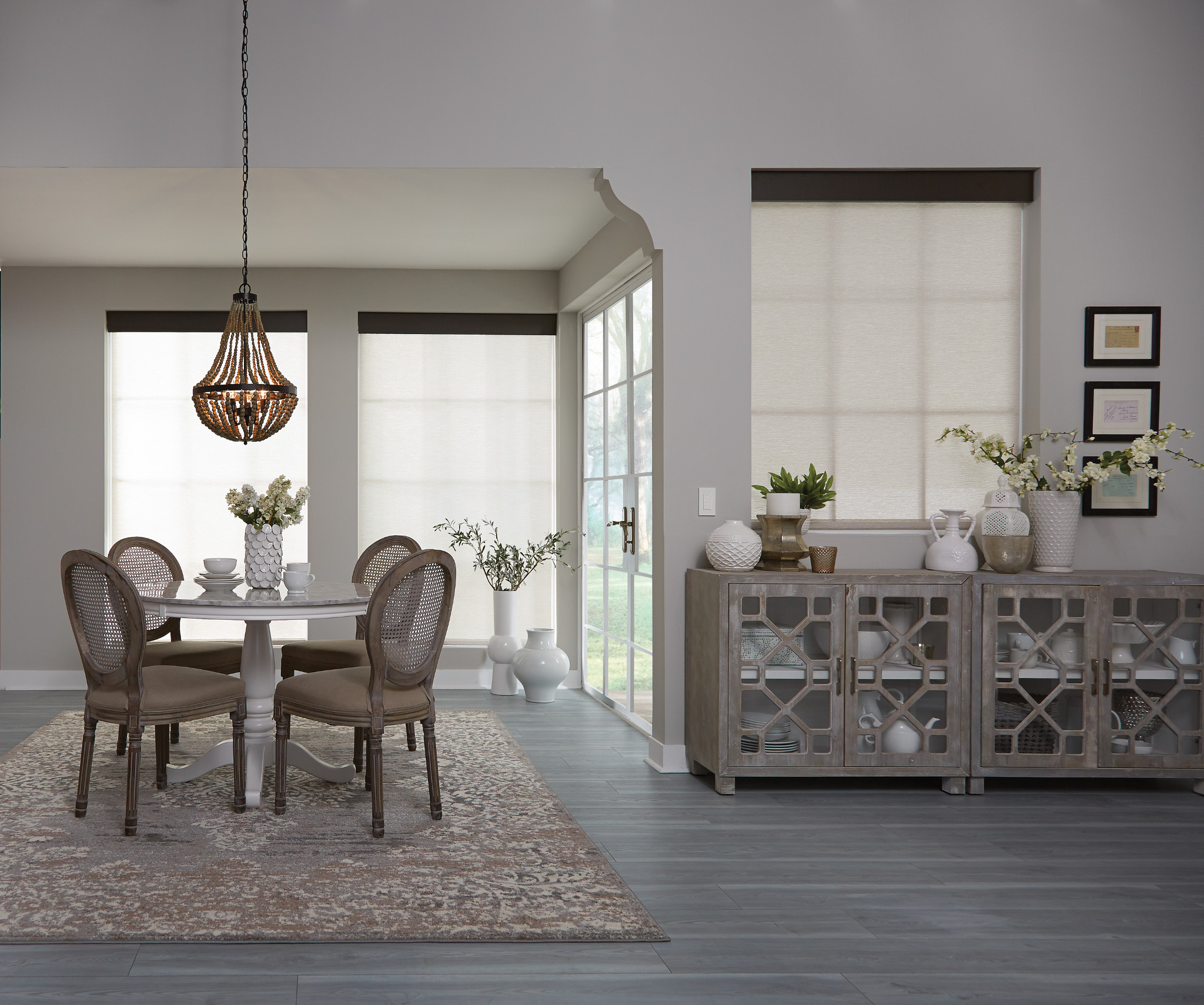
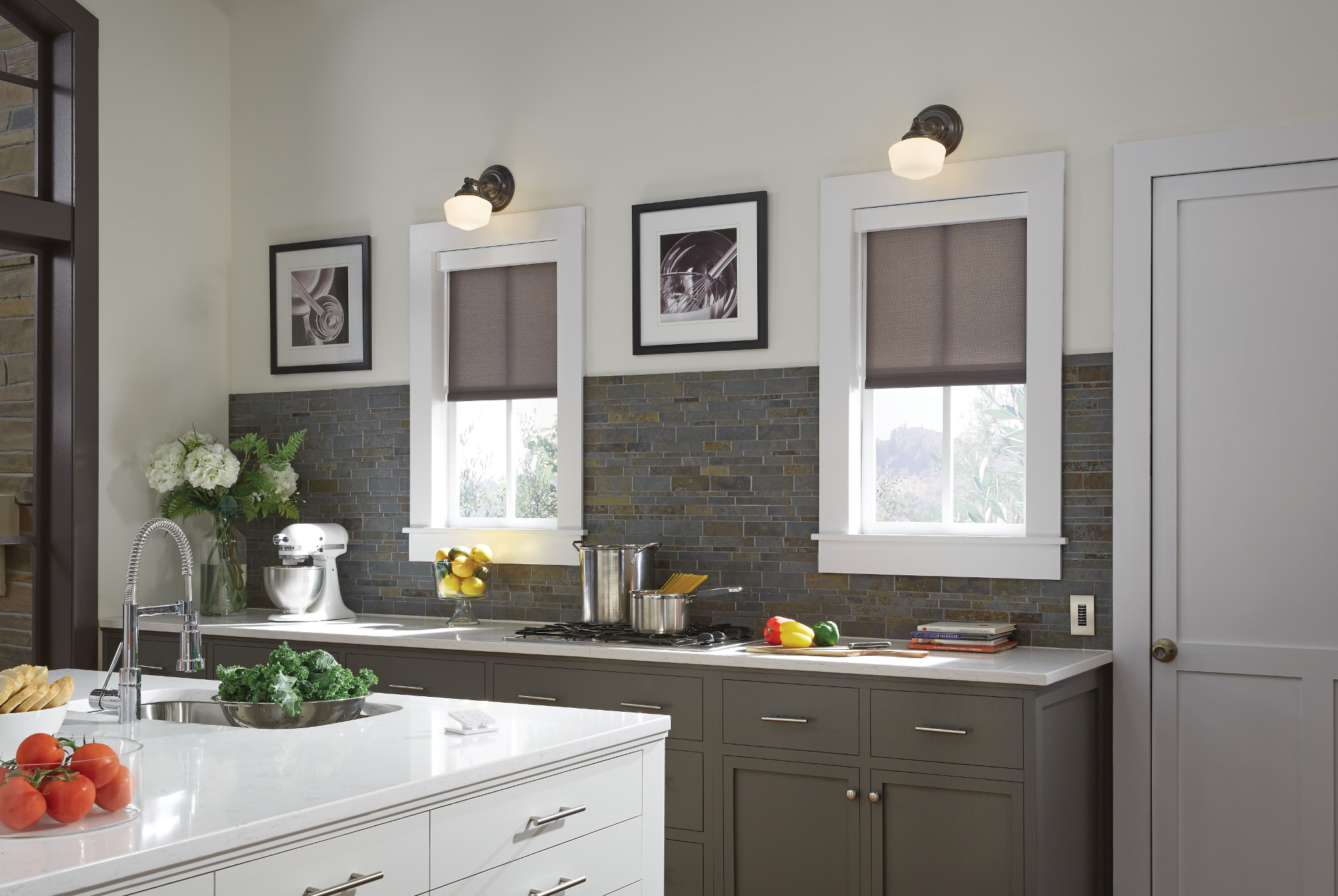
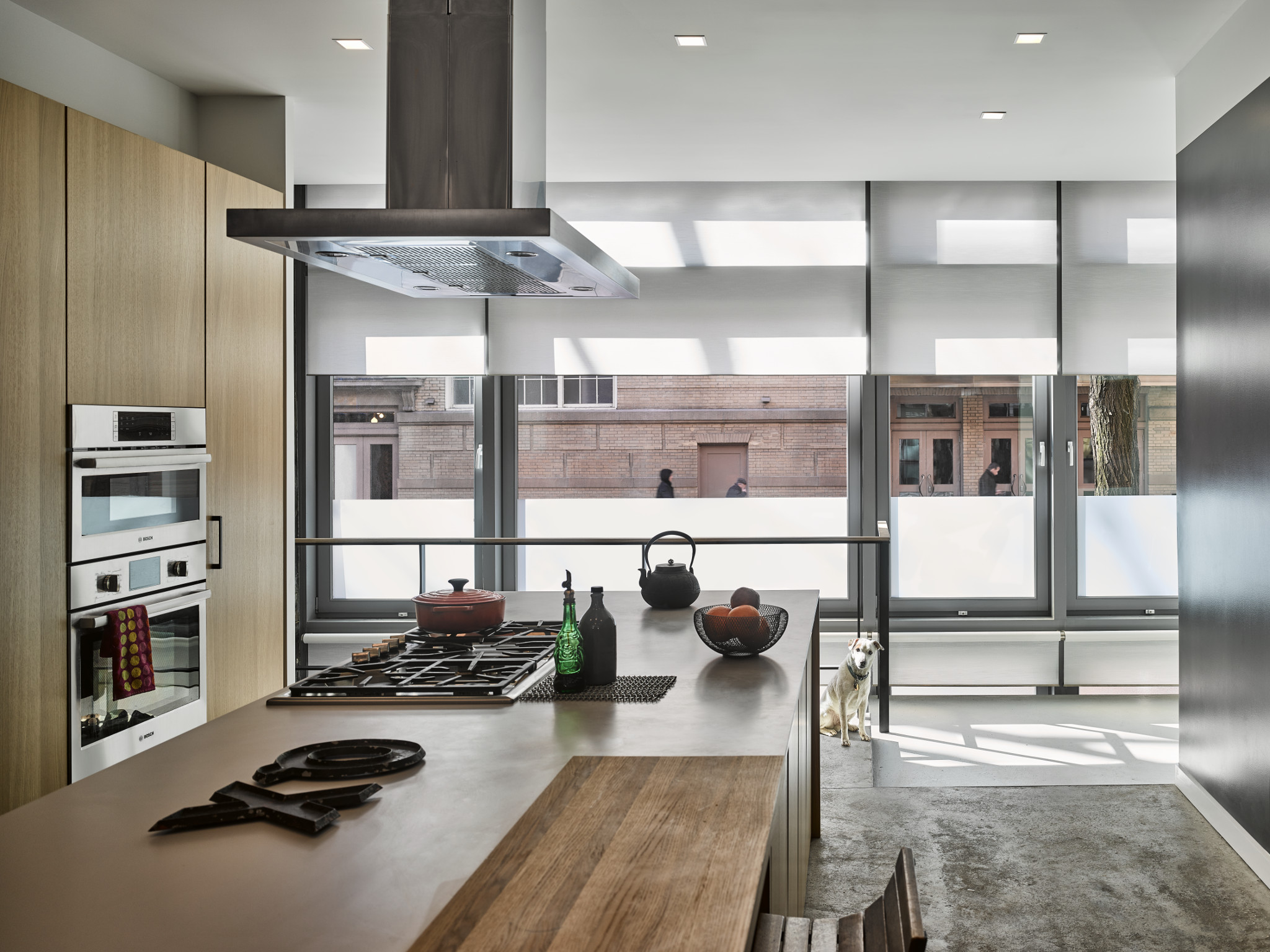

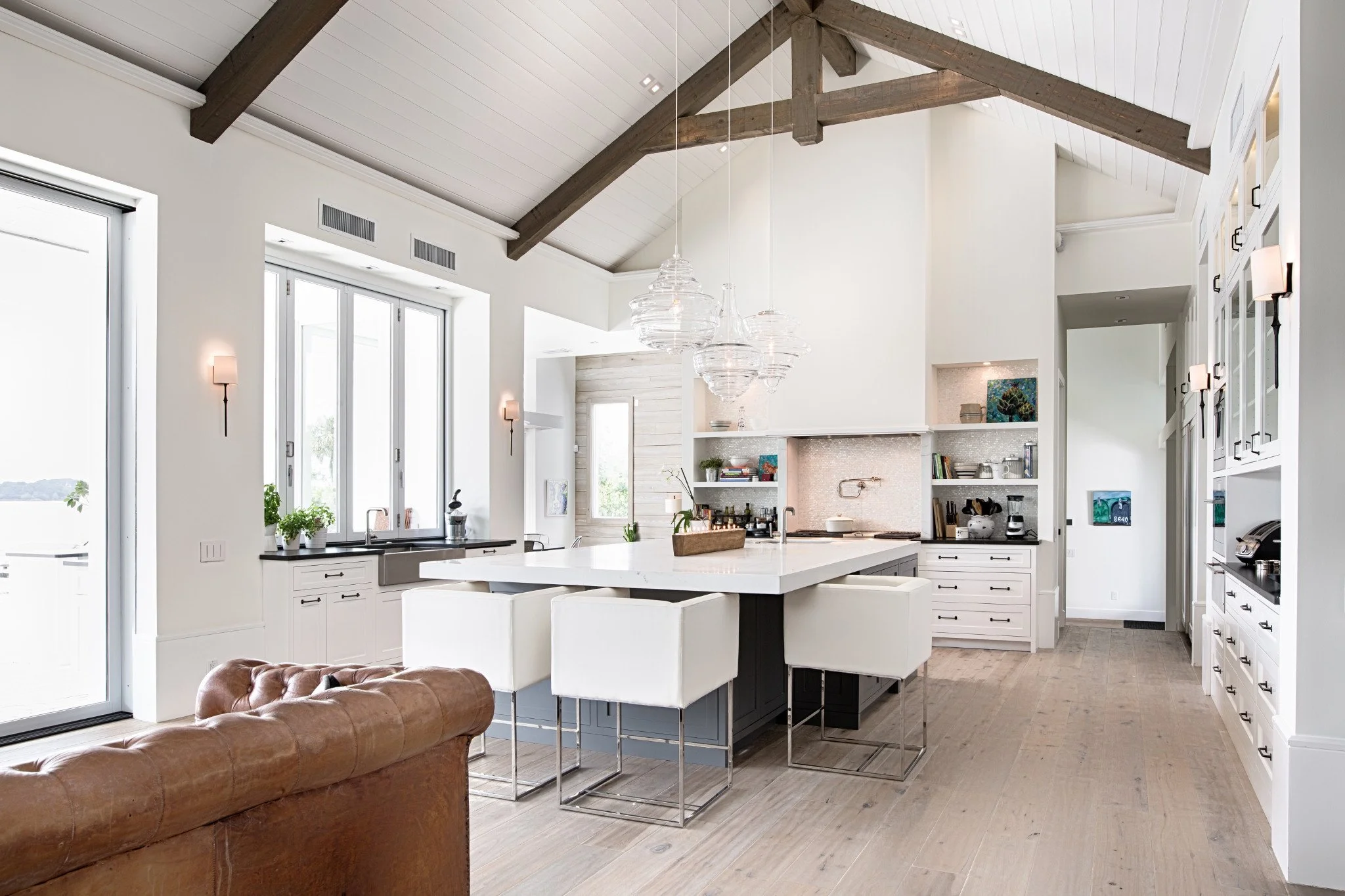
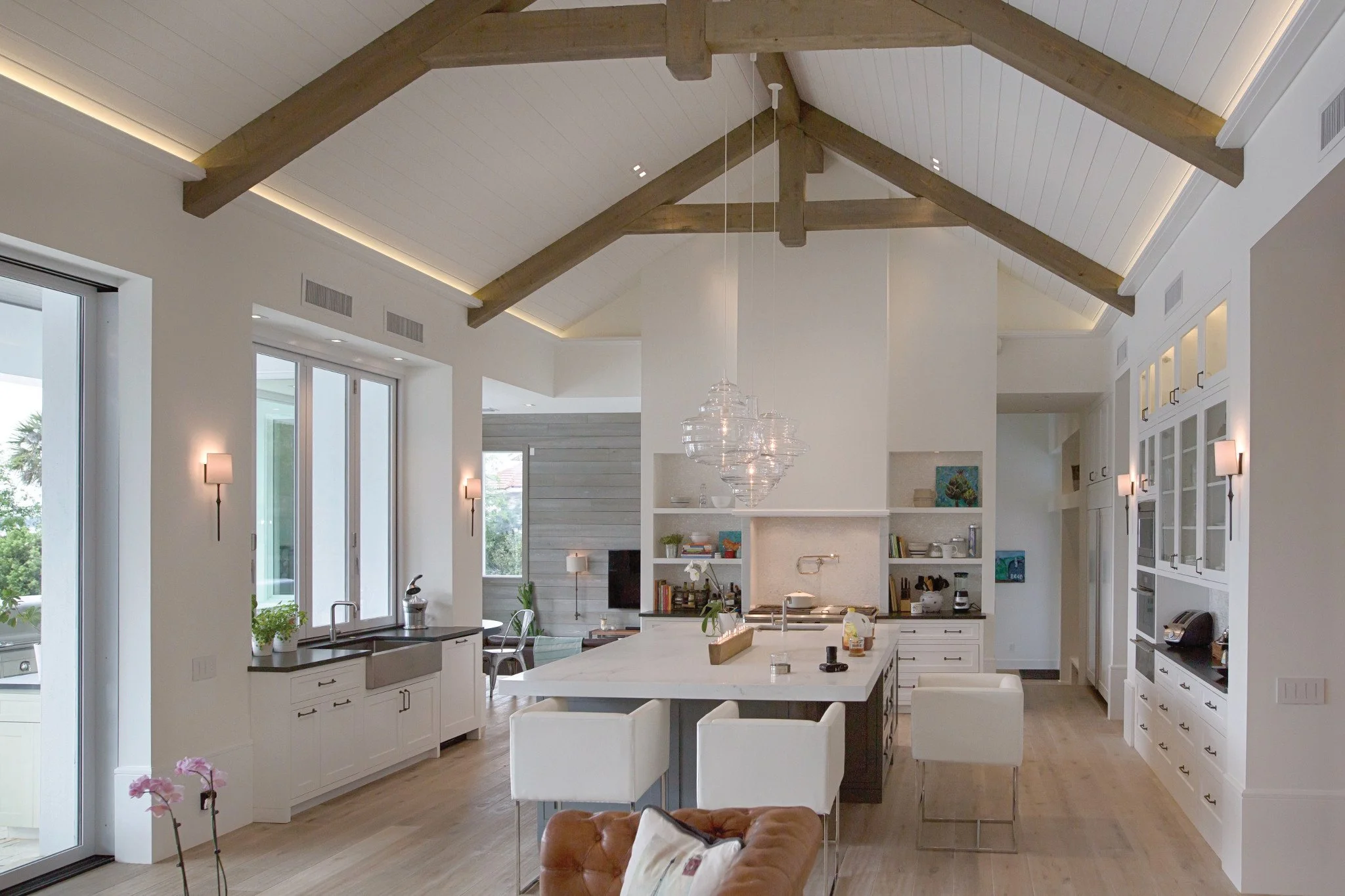
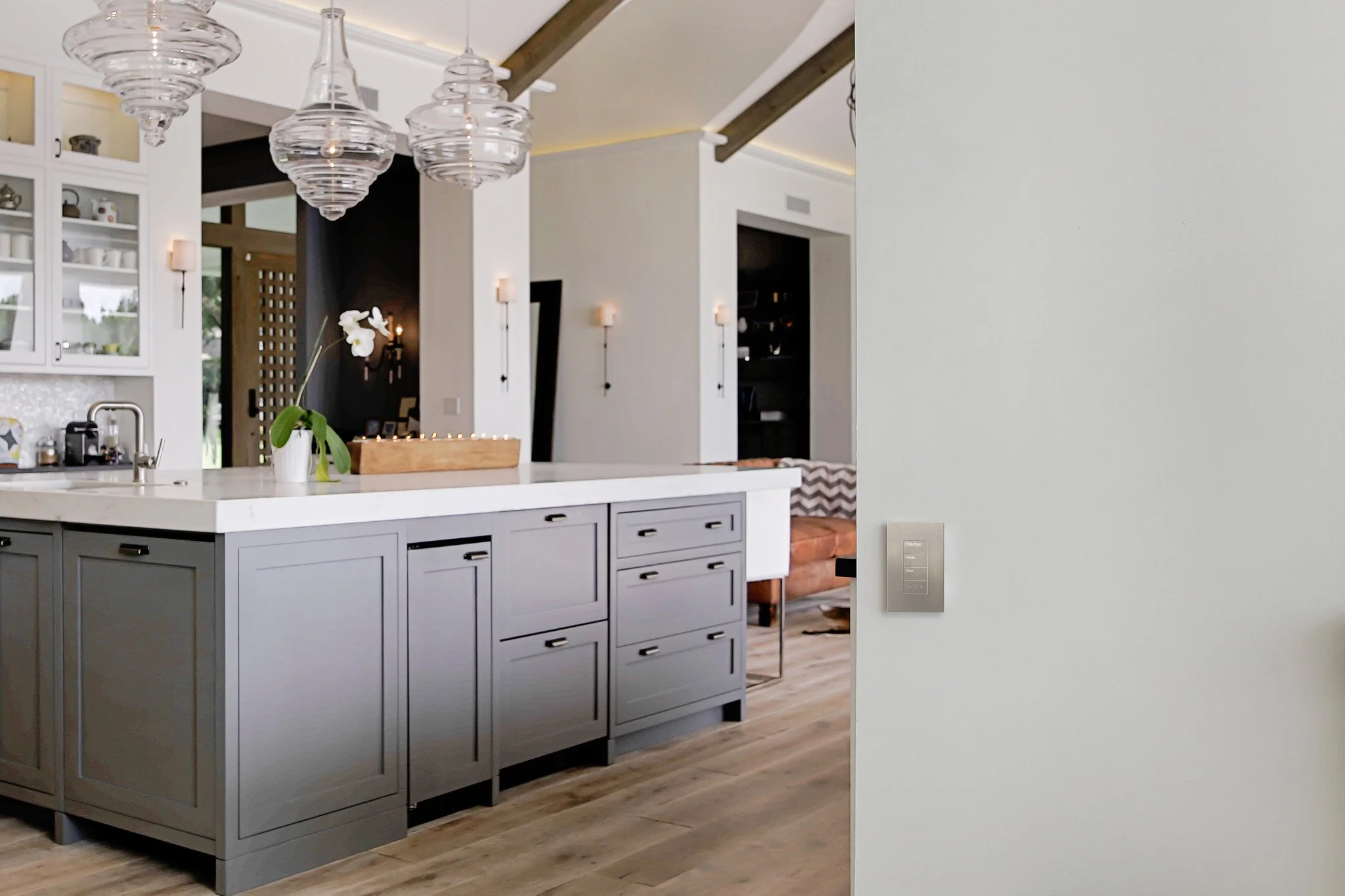
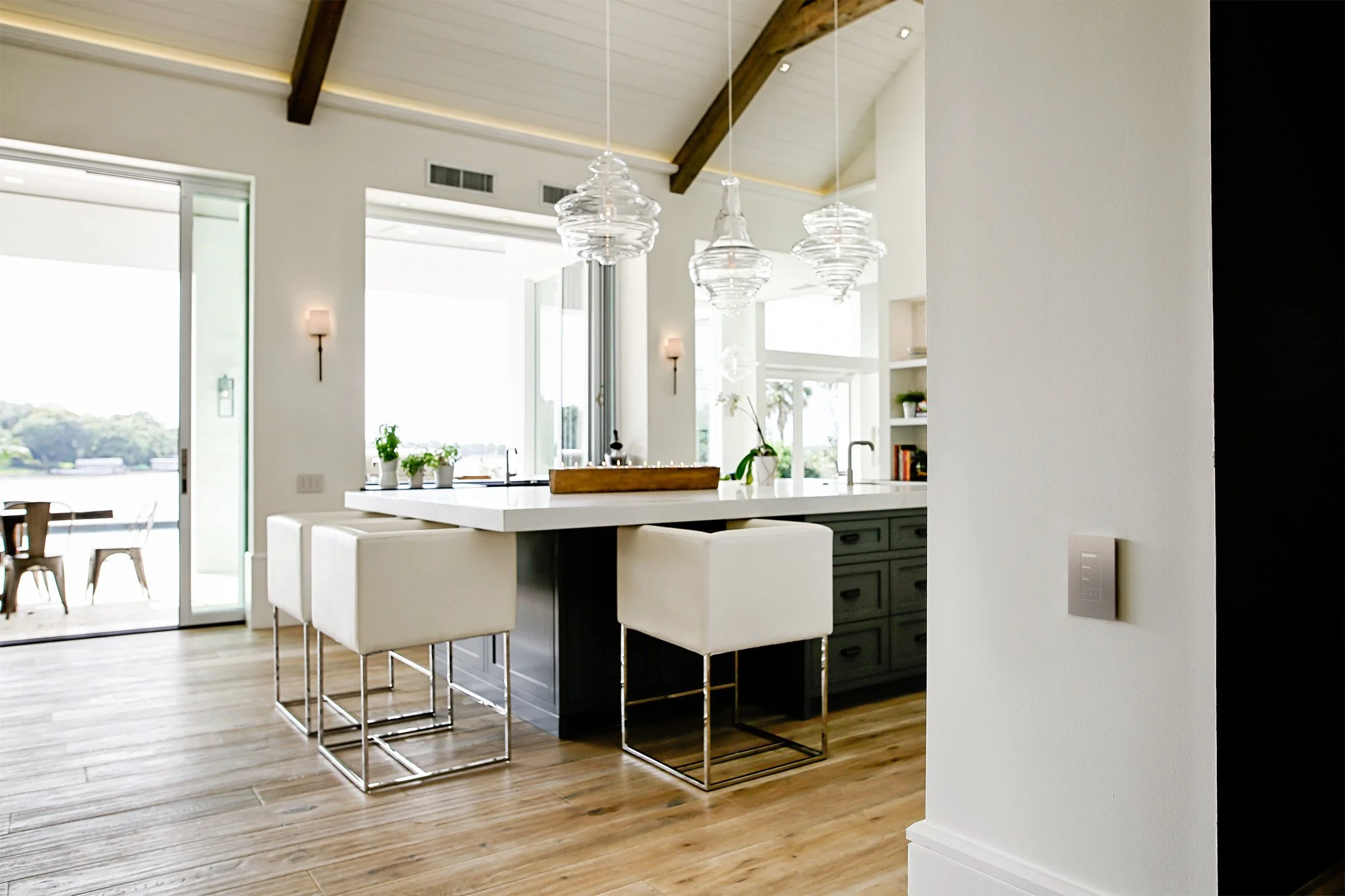
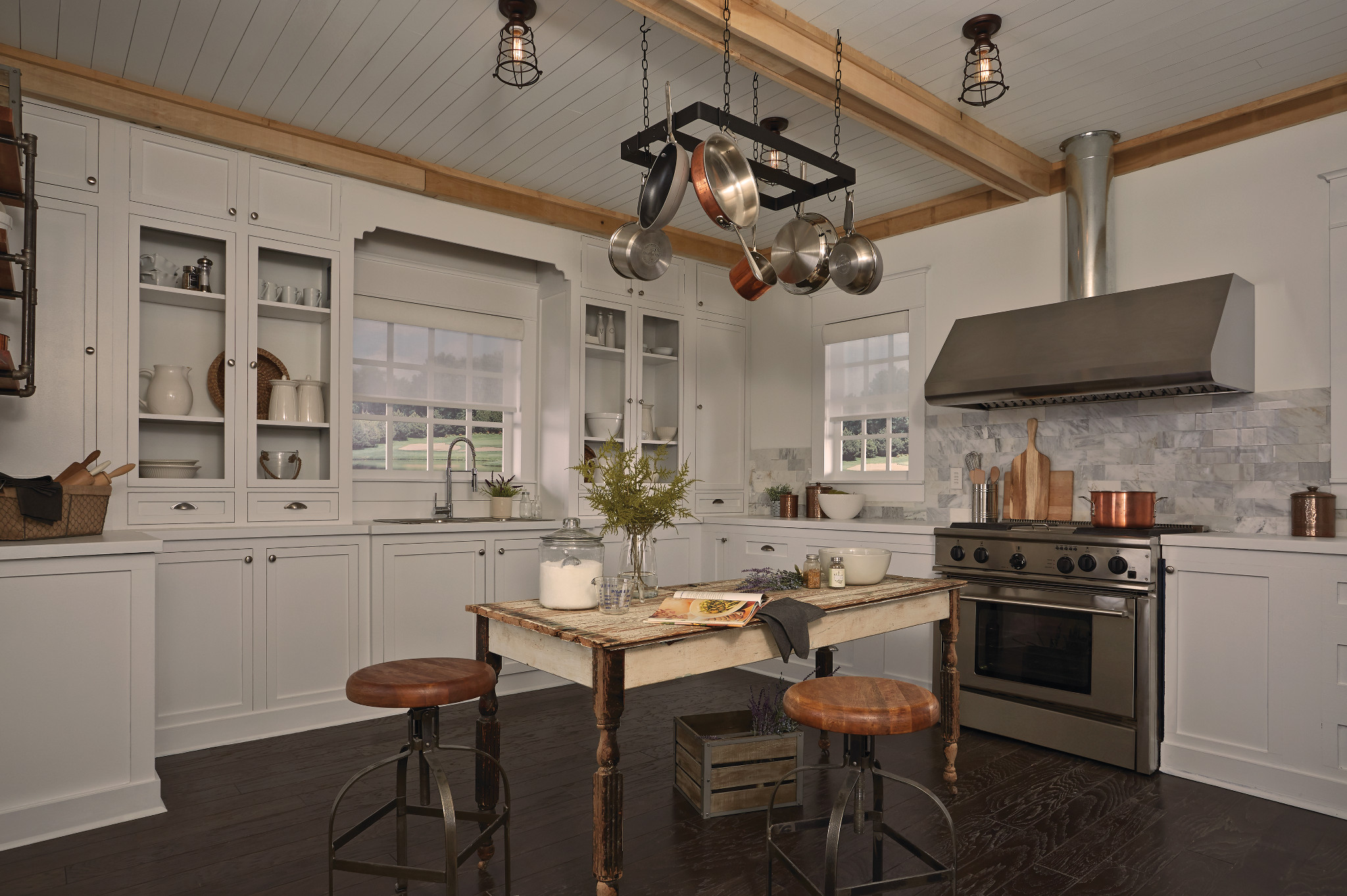

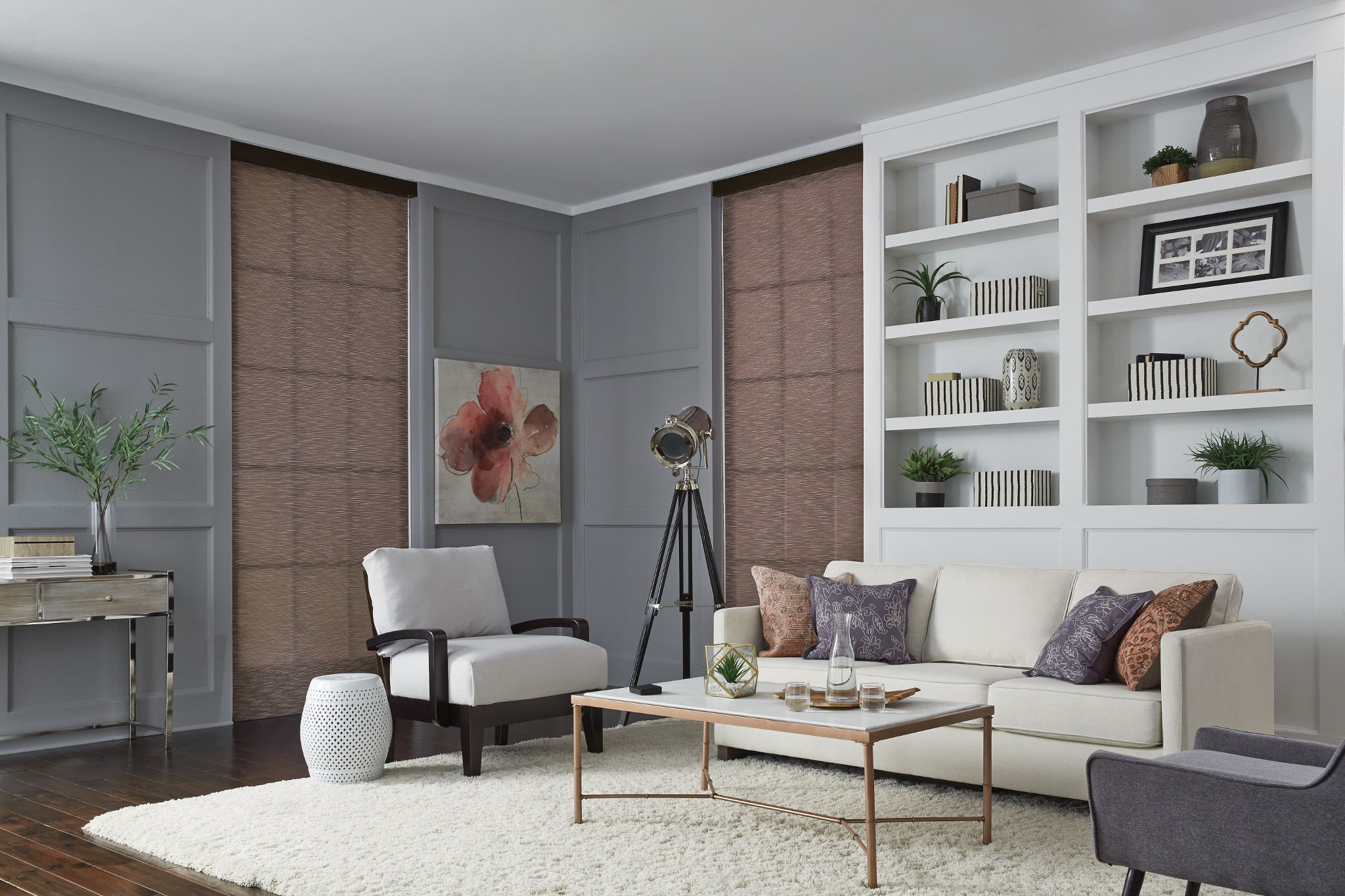

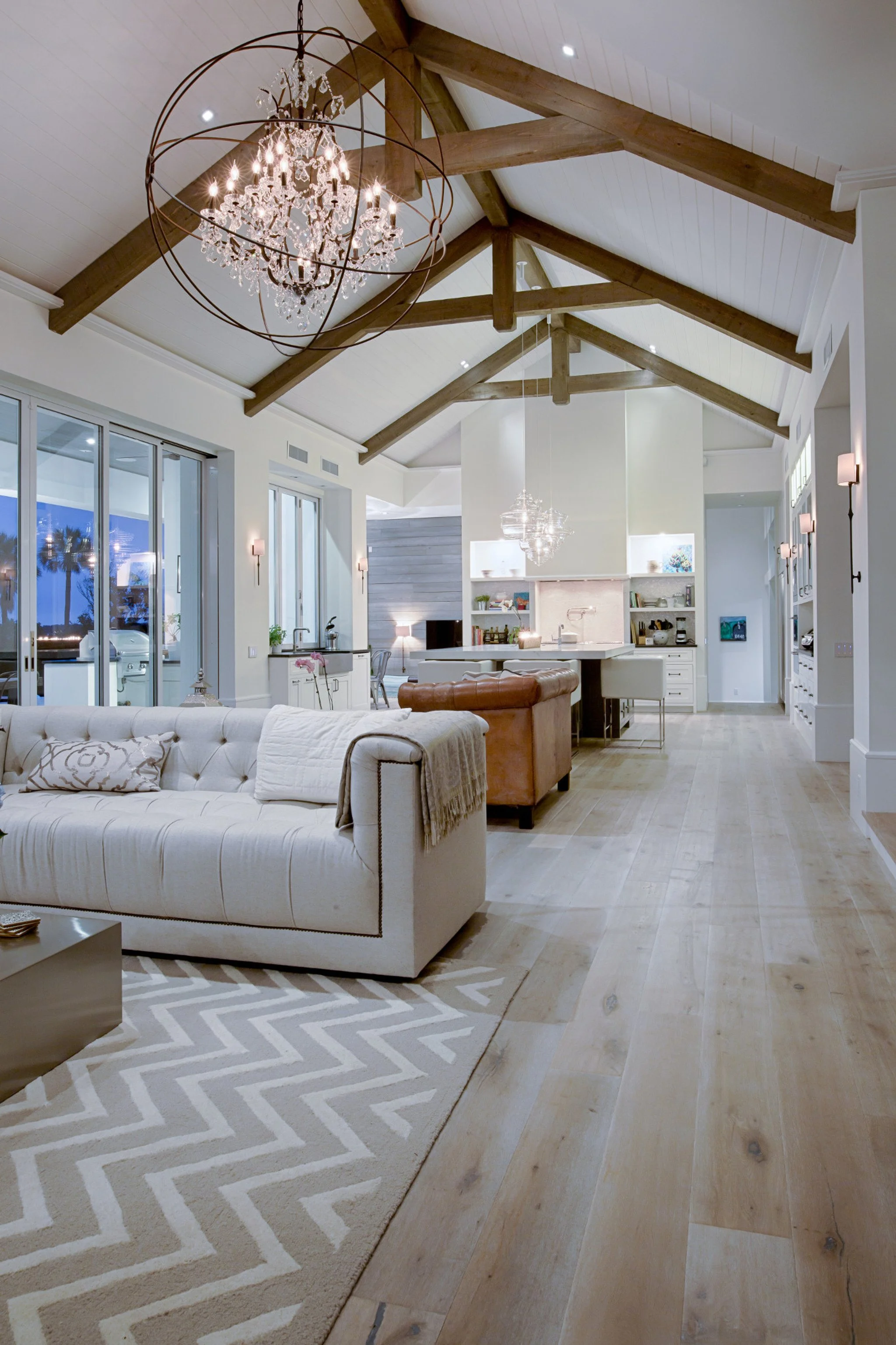

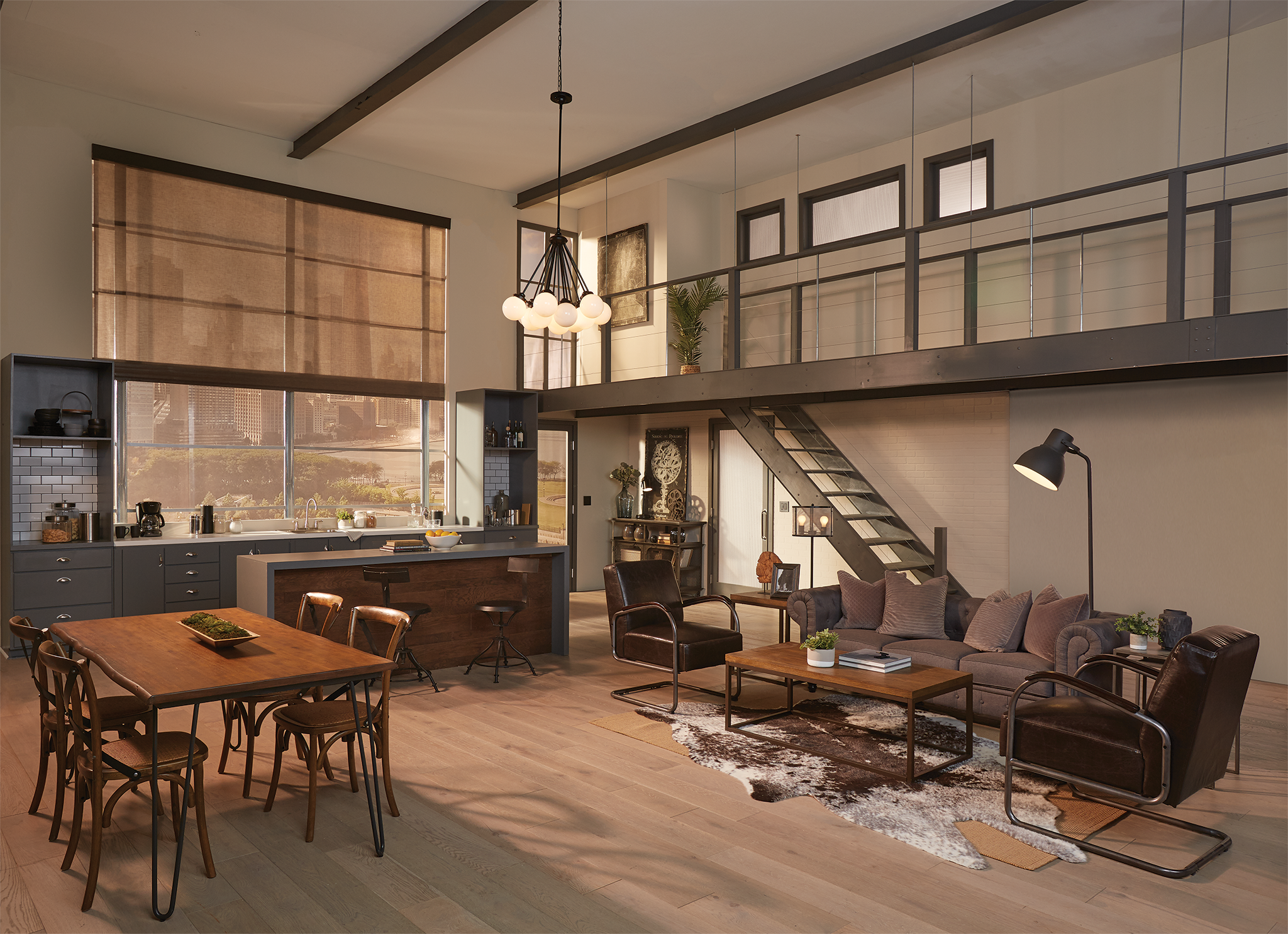

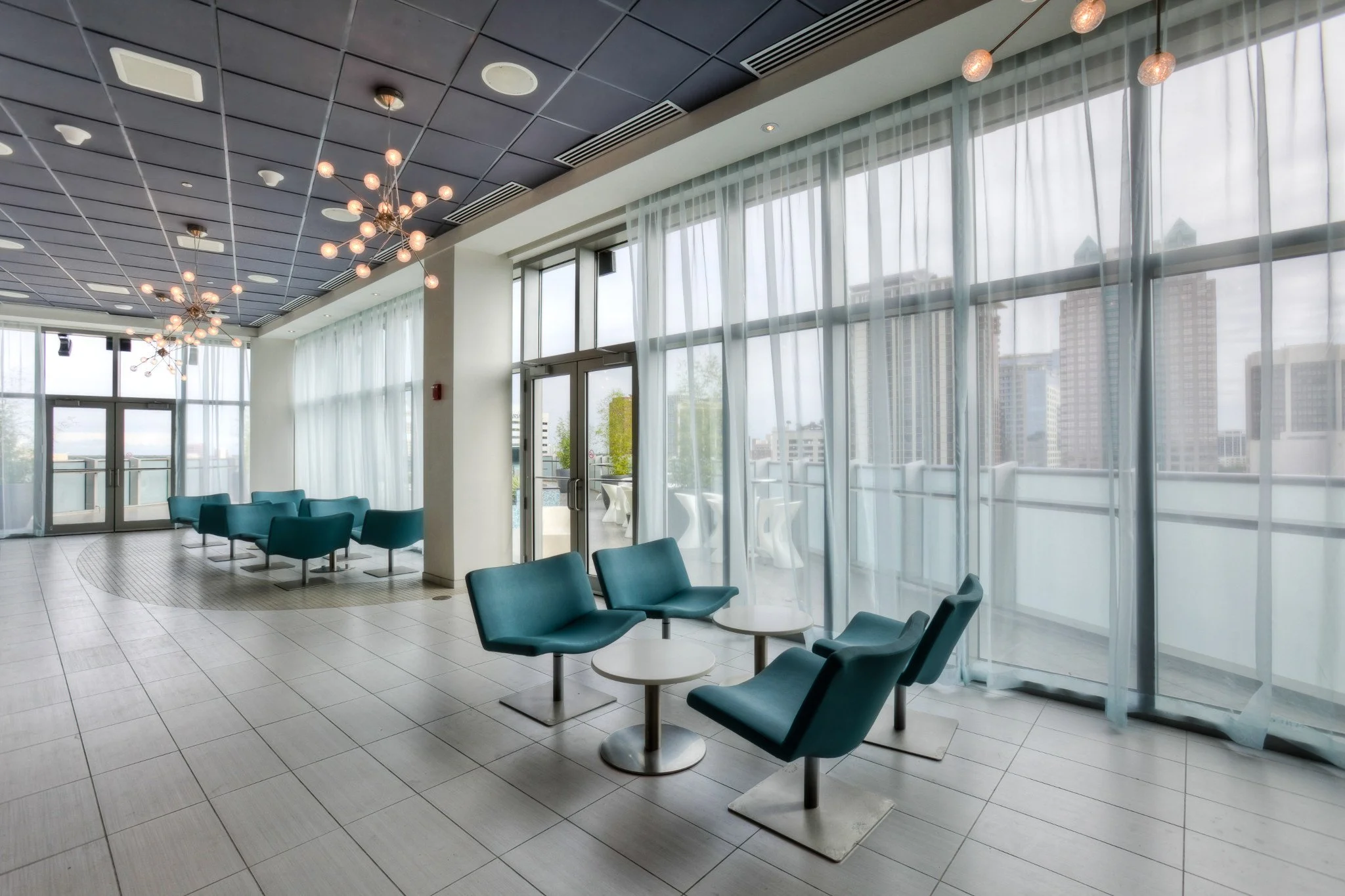
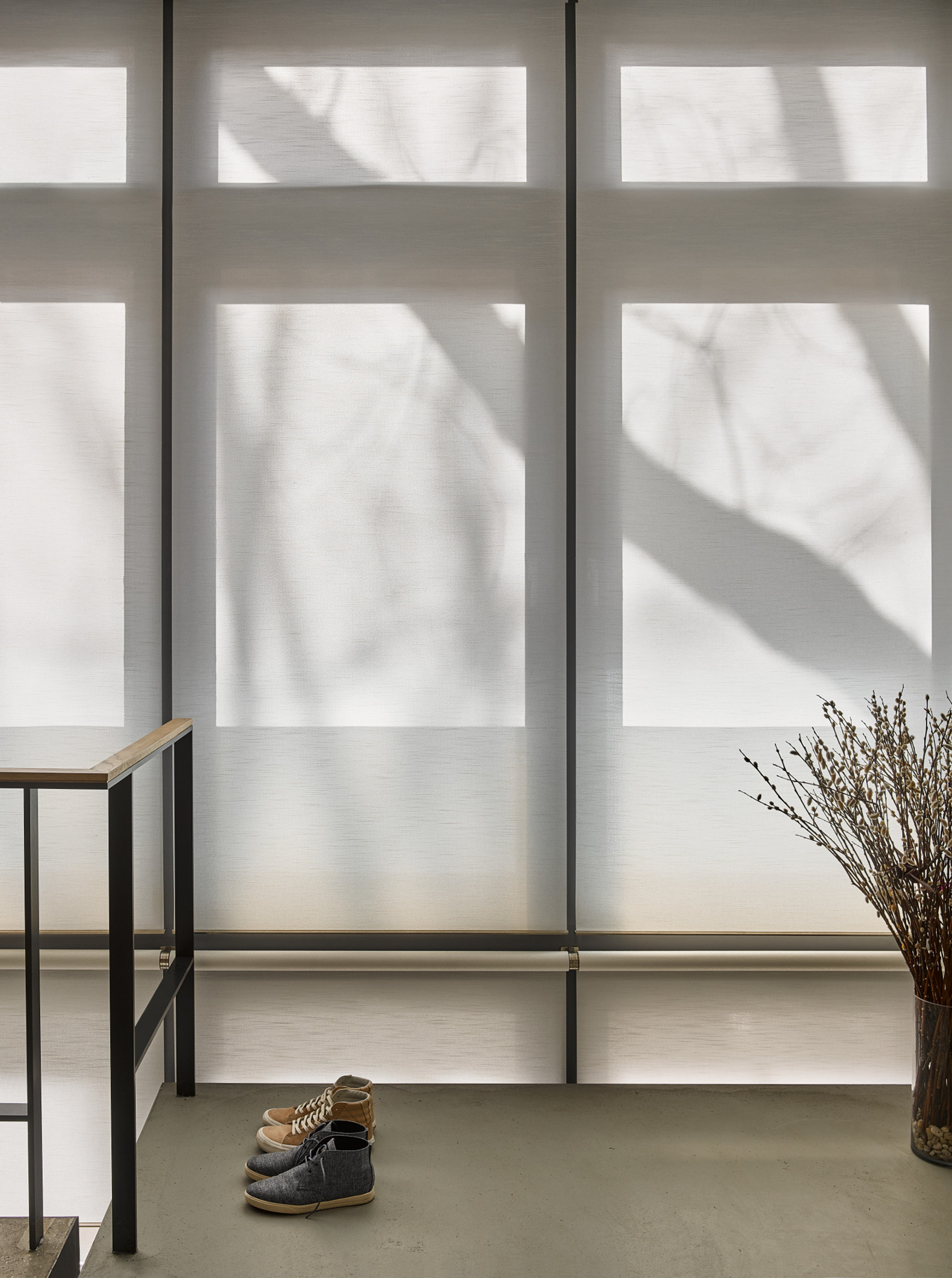
Lutron Motorized Shade Gallery
Lutron motorized shades give homeowners a refined way to manage daylight, privacy, glare, and comfort throughout the day. With the right planning, shades can support the architecture, protect interiors, soften direct sun, and integrate naturally with lighting scenes and whole-home control.
Home Technology Experts designs and integrates Lutron shading systems for luxury homes, coordinating fabric selection, shade pockets, wiring, controls, scenes, schedules, and smart home automation so the finished result feels quiet, intentional, and easy to use.
Motorized Shades Designed Around Light, Privacy, and Comfort
Shades affect how a home feels from morning through evening. They influence privacy, natural light, glare, heat, views, interior comfort, and the way rooms are used throughout the day.
A well-designed Lutron shading system can adjust quietly in the background, helping rooms feel more comfortable without requiring the homeowner to manage each window individually. Shades can be controlled by keypads, schedules, mobile apps, remotes, or larger smart home scenes.
The value is not just convenience. It is making daylight easier to live with.
Lutron Shades for Luxury Homes
Lutron shades are often selected for high-end homes because they combine quiet operation, refined control, fabric options, and strong integration with lighting and automation systems.
They can be used in bedrooms, living rooms, kitchens, dining areas, bathrooms, offices, media rooms, gyms, and large glass areas where privacy and sunlight need to be managed carefully.
HTE helps determine which shade type, fabric, control method, and integration approach best fits each room. A primary bedroom may need blackout performance and privacy. A living room may need glare control while preserving the view. A kitchen or office may need daylight management throughout the day.
Each space should be planned around how it is actually used.
Fabric, Openness, and Room-by-Room Shade Planning
Fabric selection is one of the most important parts of a motorized shade system. The right fabric affects privacy, glare control, view preservation, light filtering, heat gain, and the overall feel of the room.
Openness factor, color, texture, transparency, and opacity all matter. A sheer fabric may preserve a view while softening direct sun. A blackout fabric may be better for bedrooms, media rooms, or spaces where privacy and light control are more important.
HTE helps homeowners and design teams think through those decisions room by room, so the shade system supports both performance and interior design.
Integrating Shades With Lighting and Smart Home Control
Lutron shades can work with lighting scenes, keypads, schedules, mobile control, and broader smart home systems. This allows daylight, privacy, and artificial light to work together.
A Morning scene might open selected shades and bring lighting up gradually. An Evening scene might lower shades for privacy while softening the home’s lighting. A Goodnight scene might close bedroom shades and adjust lighting for the end of the day. An Away scene might coordinate shades and lighting to support security and energy management.
The goal is not automation for its own sake. The goal is a home that responds naturally to the way it is used.
Why Early Shade Planning Matters
Motorized shades are most successful when they are planned early. Window dimensions, shade pockets, wiring, power, fabric selection, control locations, and integration with lighting should be coordinated before construction details are finalized.
Early planning helps shades feel integrated into the architecture rather than added after the fact. It can also reduce visual clutter, protect interior design details, and create a cleaner finished result.
For new homes and major renovations, HTE can coordinate with architects, designers, builders, electricians, and window treatment partners so the technical requirements are understood before walls, ceilings, and finishes are completed.
Explore the Lutron Shade Gallery
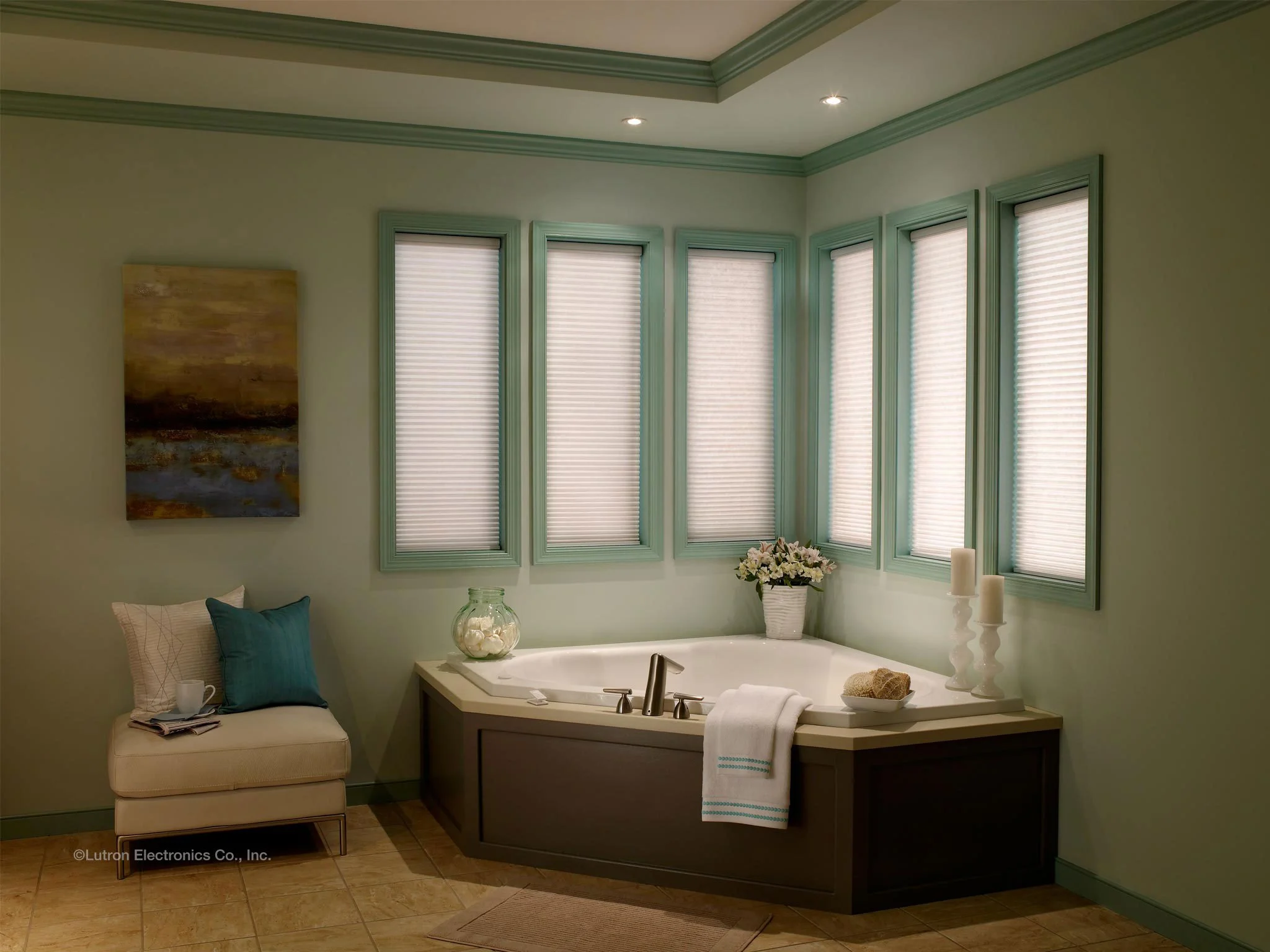
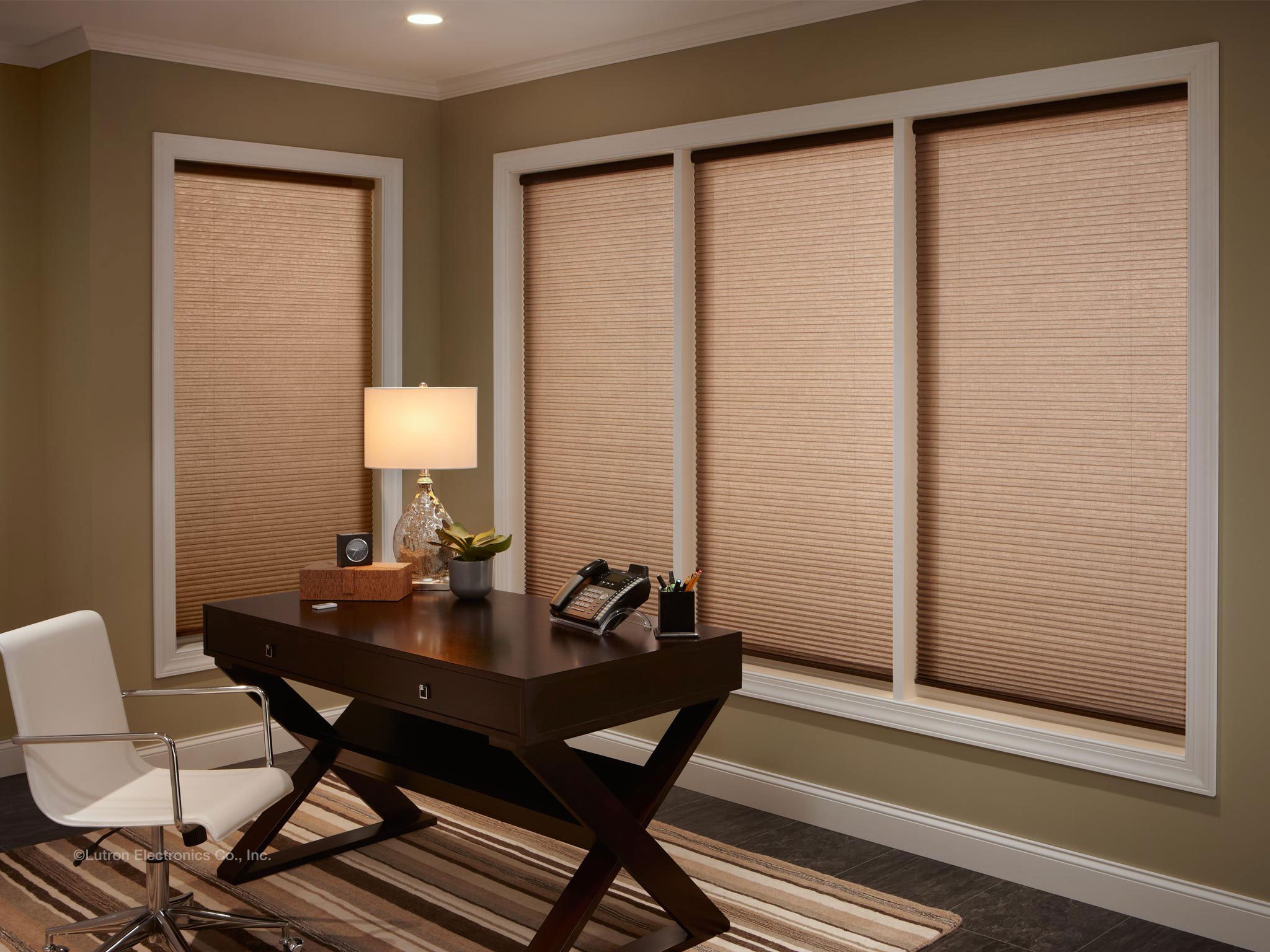
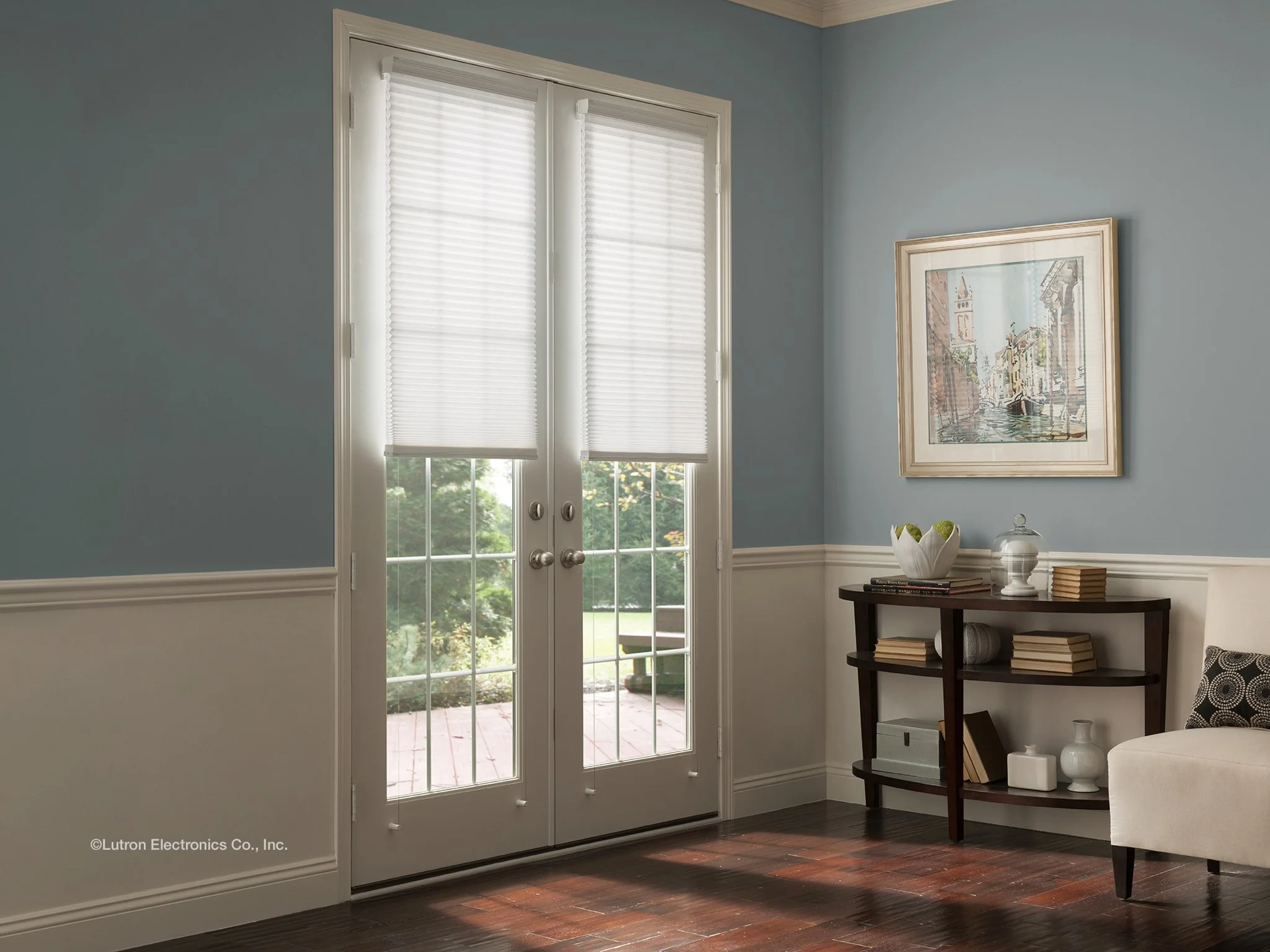
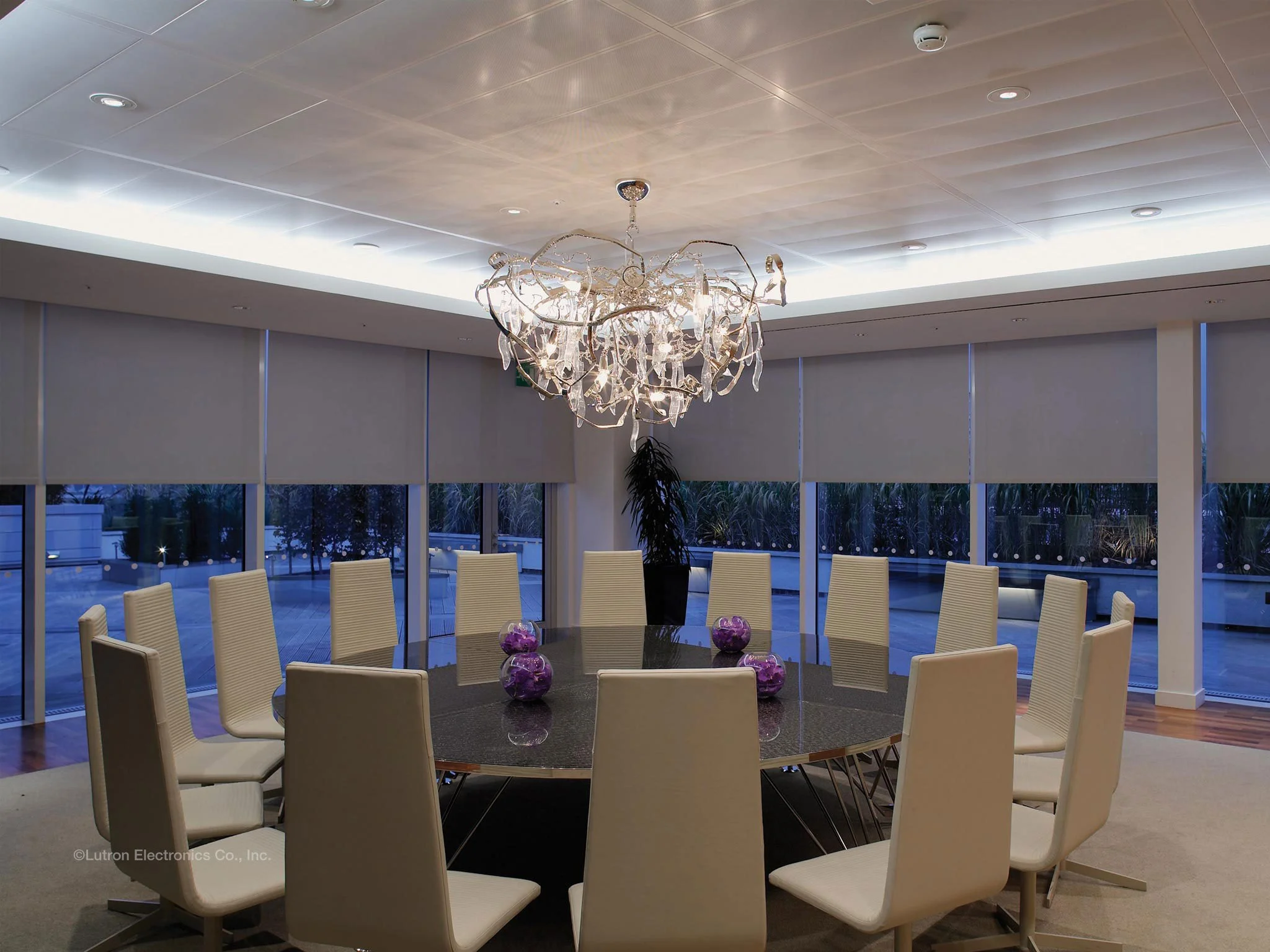
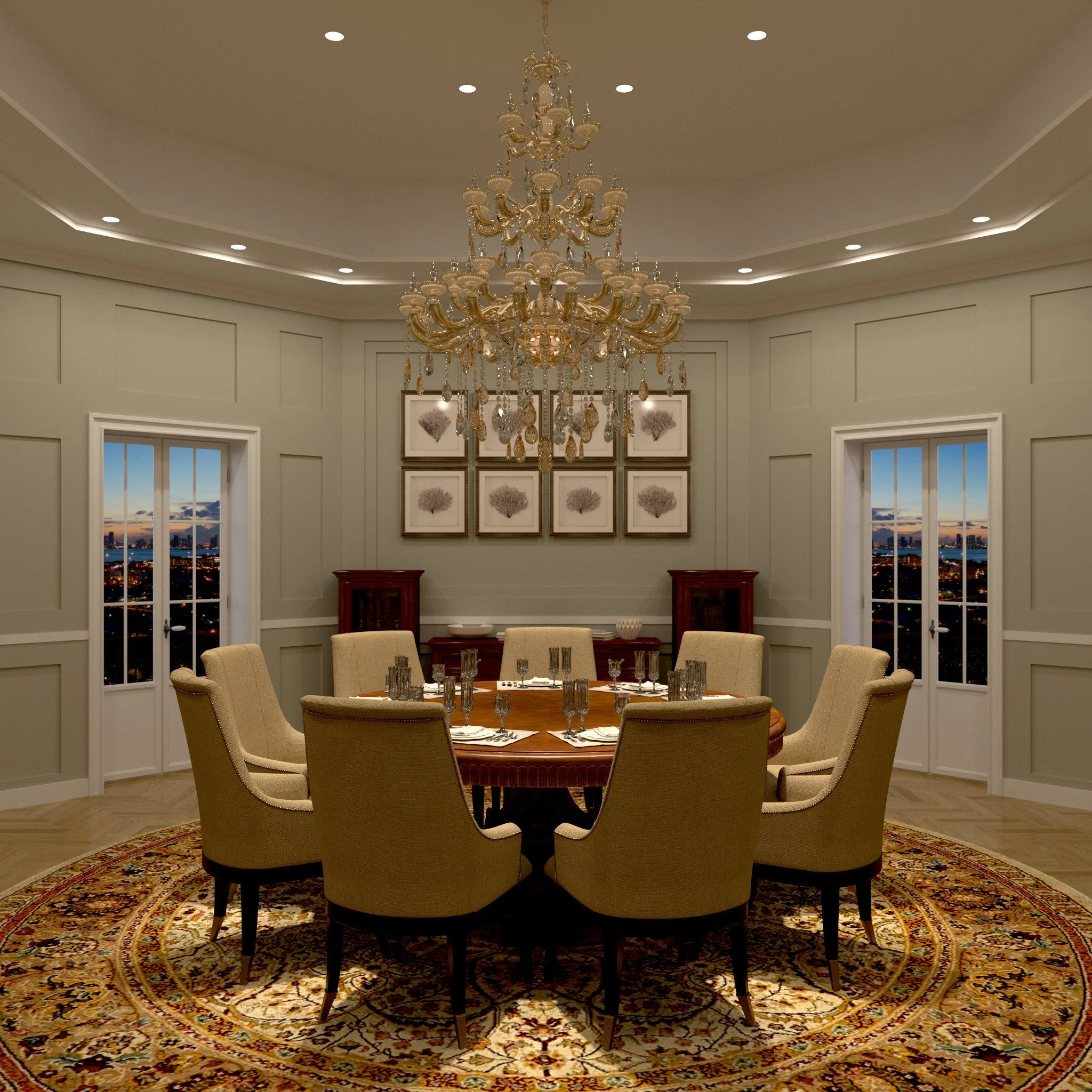
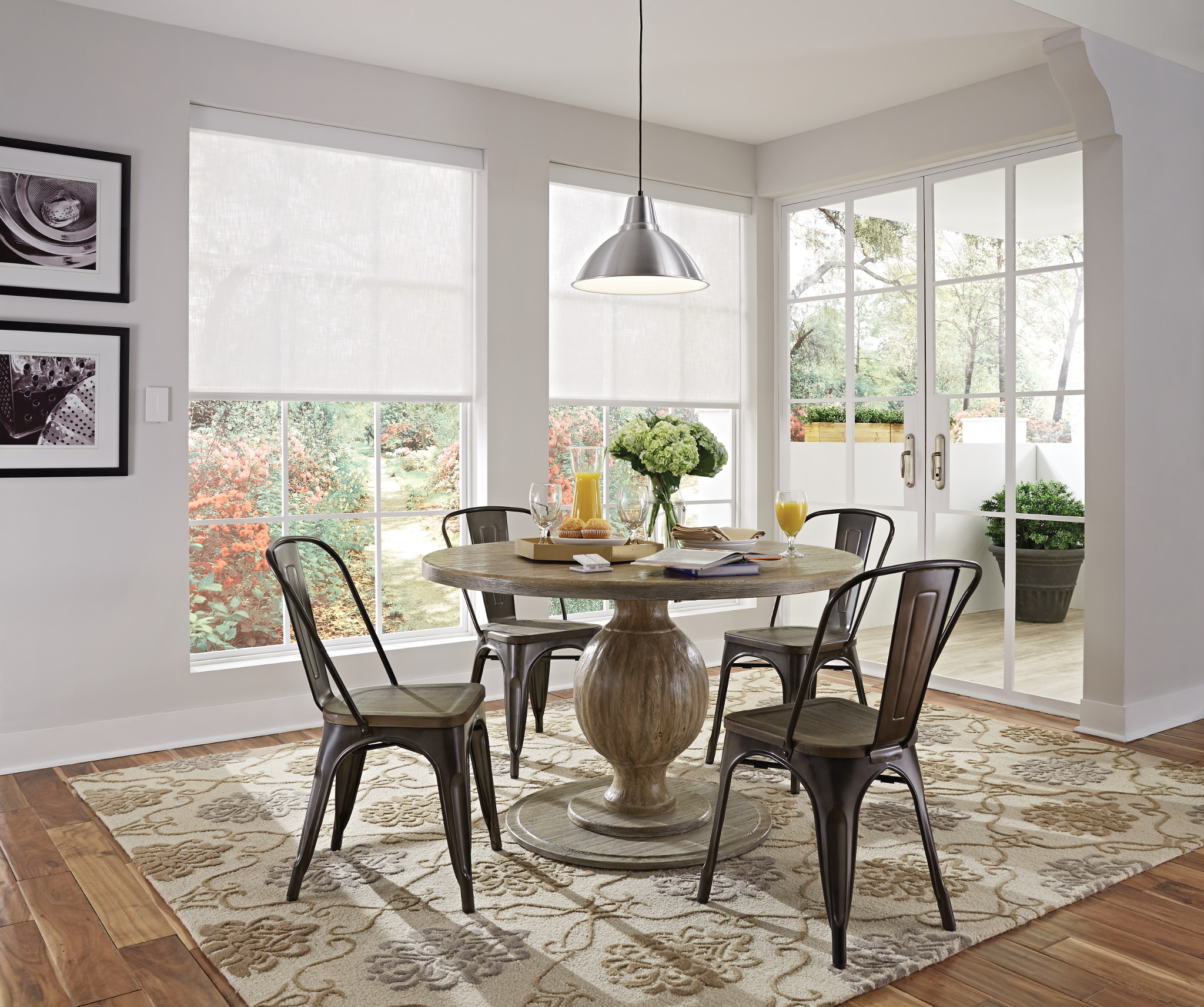
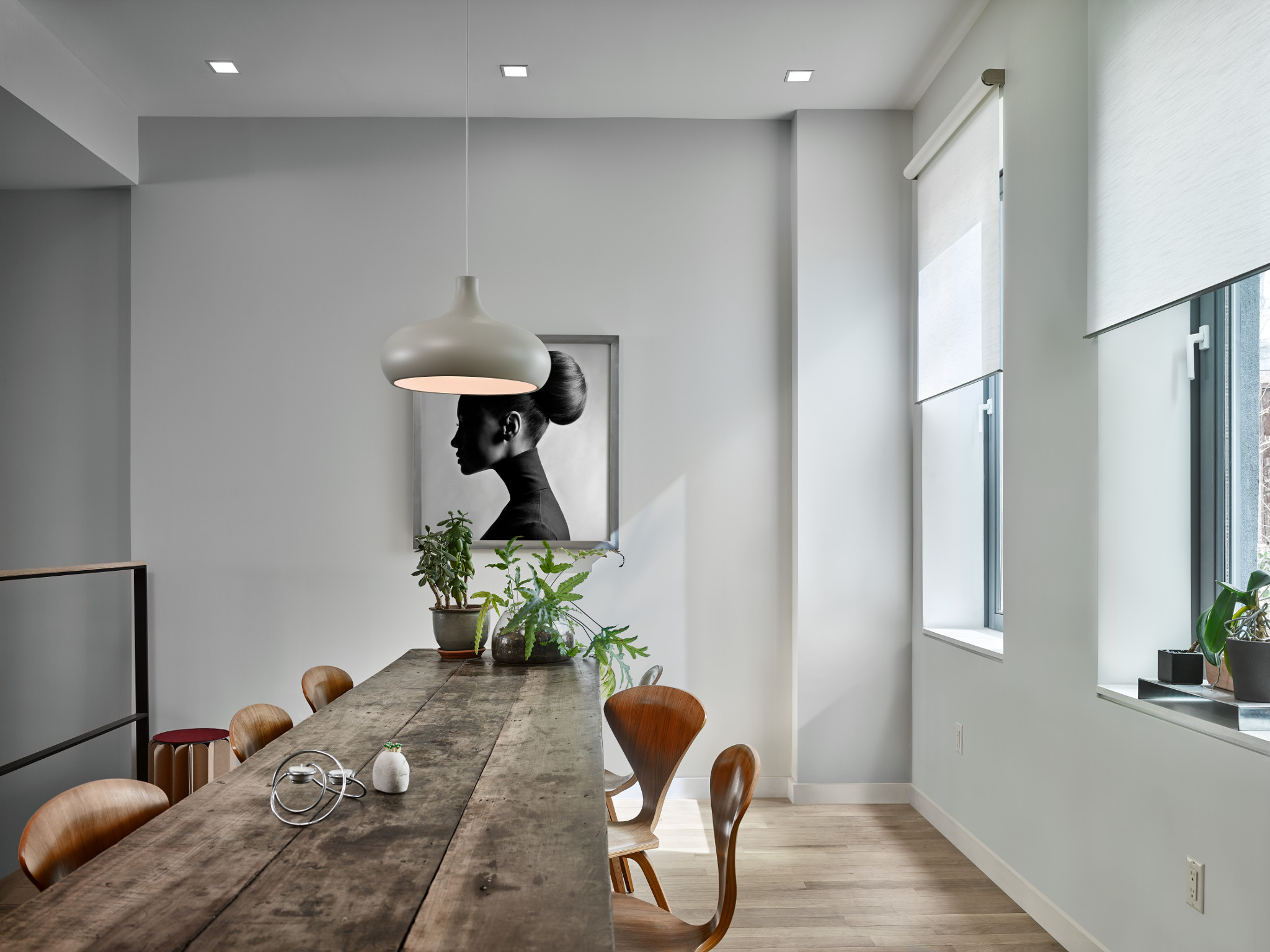
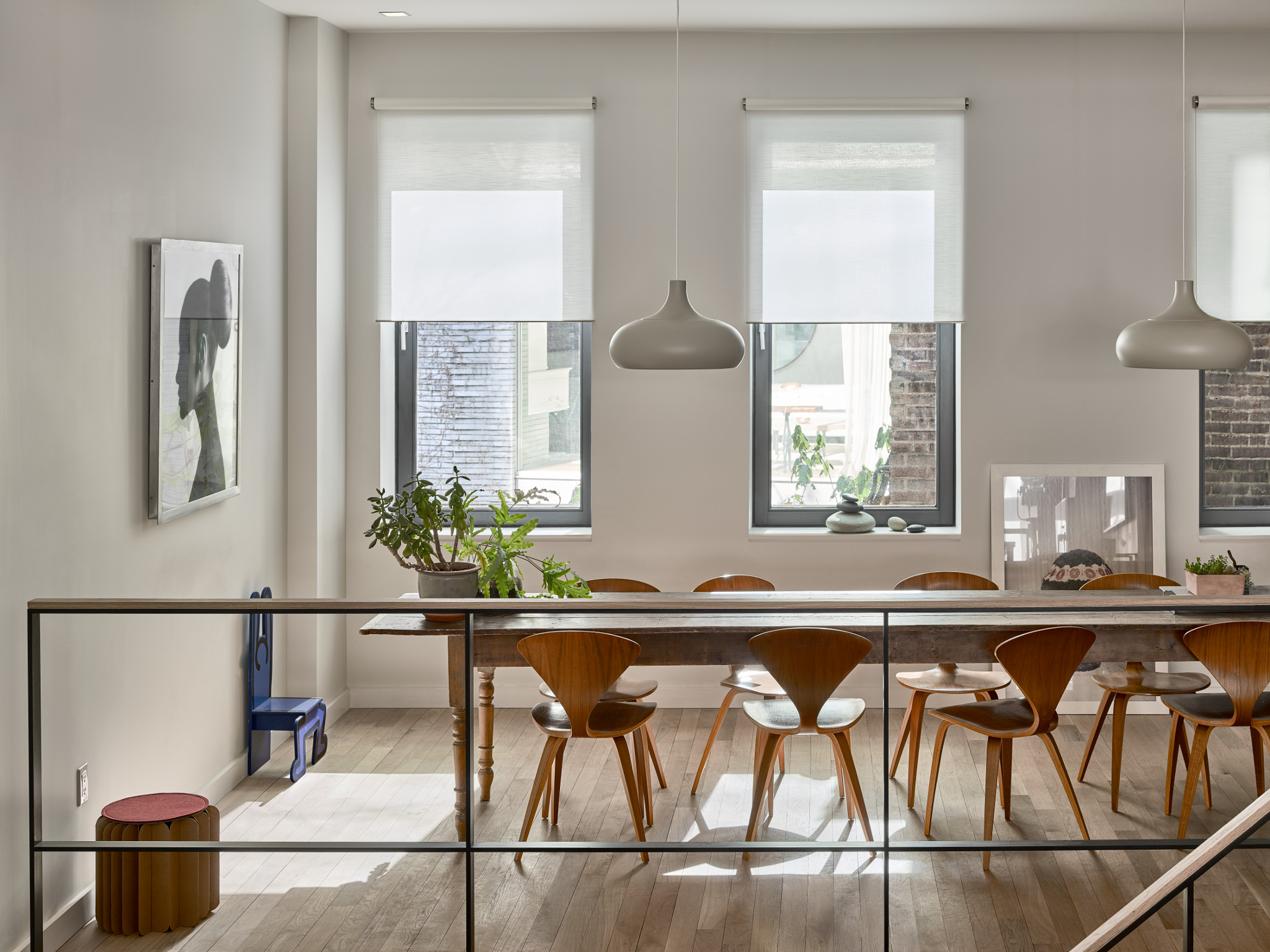
This gallery above highlights Lutron shade applications across bedrooms, living rooms, kitchens, bathrooms, dining rooms, offices, conference spaces, and other interiors.
As you review the images, consider how shade fabric, openness, color, control placement, window size, and room use affect both the look and performance of the space.
HTE can help translate that inspiration into a shading plan tailored to your home.
Frequently Asked Questions About Lutron Motorized Shades
What are Lutron motorized shades?
Lutron motorized shades are automated window treatments that can be controlled by keypads, remotes, mobile apps, schedules, sensors, or smart home systems. They help manage daylight, privacy, glare, and comfort throughout the home.
Can Lutron shades integrate with lighting control?
Yes. Lutron shades can integrate with lighting control so natural light and artificial light work together. Scenes can adjust shades and lighting at the same time for mornings, evenings, entertaining, privacy, or bedtime.
When should motorized shades be planned?
Motorized shades should be planned early, before window details, shade pockets, wiring, power, controls, and finishes are finalized. Early planning creates a cleaner result and helps avoid construction limitations later.
Can Lutron shades be hidden in the ceiling?
Yes, depending on the construction conditions. Recessed shade pockets can conceal shade hardware for a cleaner architectural look. These details should be coordinated early with the architect, builder, designer, electrician, and technology team.
How do I choose Lutron shade fabric?
Shade fabric should be chosen based on privacy needs, glare control, openness, view preservation, room use, sun exposure, and interior design goals. Different rooms may require different fabric types.
What is shade openness?
Openness refers to how much light and visibility a shade fabric allows through. A higher openness factor may preserve more of the view, while a lower openness factor can provide more privacy and stronger glare control.
Are blackout shades available?
Yes. Blackout shades can be used in bedrooms, media rooms, nurseries, and other spaces where stronger light control or privacy is needed. They should be planned carefully to reduce light gaps and improve performance.
Can Lutron shades be controlled automatically?
Yes. Lutron shades can be controlled by schedules, keypads, apps, sensors, or smart home scenes. They can open and close at specific times or coordinate with lighting and other systems.
Does HTE design and install Lutron shades?
Yes. Home Technology Experts designs, integrates, programs, and supports Lutron shading systems for luxury homes. HTE coordinates fabric selection, wiring, controls, shade pockets, lighting integration, automation, and long-term support.
Can Lutron shades be added to an existing home?
Yes, many existing homes can be upgraded with Lutron shades. The best approach depends on the window conditions, available wiring, power options, control needs, and whether the project is a small upgrade or part of a larger renovation.