
How much Does Home Automation Typically Cost in NYC?
New York City home technology planning
How Much Does Home Automation Cost in New York City?
The useful question is not only what a system costs. It is what must be planned so the home remains reliable, clear to use, and supportable over time.
Homeowners often begin with a straightforward question: “How much should I expect to spend on home automation?” The honest answer is that pricing varies with the size of the property, the systems involved, existing conditions, and the level of integration the project requires.
In New York City, a home automation project can be as focused as lighting and media control in one room or as comprehensive as a coordinated environment for a townhouse, penthouse, or multi-property residence. A well-planned smart home control system brings those parts of the home together without adding app and remote clutter. The difference is not just the number of devices. It is the planning behind them.
What affects the cost of home automation?
There is no one-size-fits-all system. The investment reflects the home, the way it is used, and the decisions required to make multiple systems work as one. The following factors typically have the greatest effect.
Scope of integration
A single-room media setup is very different from a fully integrated home. A broader project may include lighting control, motorized shades, whole-home audio, video distribution, networking, surveillance, climate coordination, and outdoor spaces.
Typical areas of scope include:
- Lighting scenes and control locations
- Motorized shades and the architectural provisions that support them
- Audio, video, and entertainment distribution
- Home networking and Wi-Fi infrastructure
- Surveillance, access, and remote awareness
- Climate, pool, and outdoor-system integration
More integration does not automatically mean more complexity for the homeowner. When it is designed properly, it means fewer disconnected controls and a more consistent experience from room to room. For a city-specific example, see our guide to smart home automation in Manhattan.
Existing construction, renovation, or new construction
New construction and major renovations generally provide the most efficient opportunity to plan wiring, equipment locations, power, ventilation, and pathways. Early coordination preserves options and can reduce avoidable rework later.
In an existing NYC apartment, co-op, or condominium, retrofit work can still be highly effective. It may simply require more coordination around building access, finished surfaces, older construction methods, equipment placement, and working hours. Our guide to smart home integration during a renovation explains why those conditions matter before a scope is finalized.

Infrastructure quality
Reliable systems depend heavily on the work that is rarely seen: structured wiring, a correctly designed home network, equipment ventilation, power management, and coordination among trades. These decisions often have more influence on long-term performance than a particular device or interface.
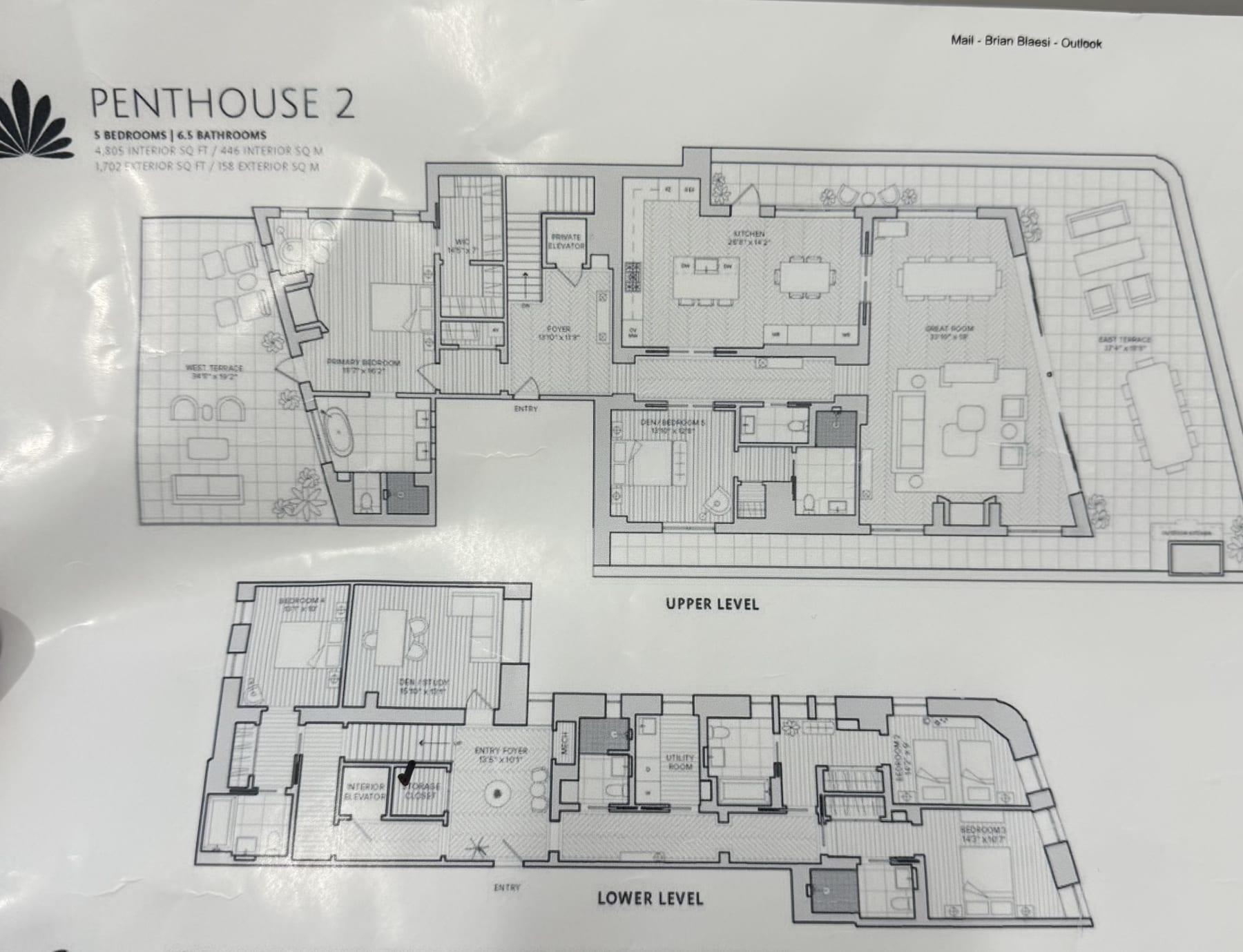
For example, Wi-Fi that is planned around the floor plan, building materials, and the actual needs of each room is more likely to support the systems that depend on it. It is why a floor plan matters more than simply choosing a router.
Simplicity requires design behind the scenes
The most successful automation does not ask homeowners to think about the technology every day. One button can set the lights, shades, music, and television for an evening at home because those systems were planned, programmed, and tested together.
That experience takes design work. It includes identifying the routines that matter, choosing the right control points, coordinating equipment, and making the system understandable for everyone who uses the home. The aim is not technology everywhere. It is a home that is easier to live in.
Typical investment ranges for New York City projects
Every project should be scoped individually. The following ranges are useful planning context, not a quote. Final investment depends on the systems selected, site conditions, building requirements, and level of customization.
Focused integrated systems: approximately $15,000–$35,000Often includes a targeted combination of lighting, shading, media, control, or network improvements.
Whole-home integration: approximately $50,000–$150,000+Typically involves multiple connected systems, more rooms, structured infrastructure, programming, and coordinated installation.
Large or highly customized residences: project-specificTownhouses, penthouses, multi-structure properties, and extensive renovations can involve a substantially broader scope, more infrastructure, and deeper coordination with the design and construction team.
These ranges should not be used to compare unlike proposals line by line. A lower initial number can omit infrastructure, programming, documentation, service access, or the coordination needed to make a system perform as intended after move-in.

The cost of poor planning
The most expensive systems are often the ones that need repeated troubleshooting, revisions, or disruptive changes after finishes are complete. A poorly placed access point, unventilated equipment cabinet, crowded switch bank, or missing pathway can turn a straightforward decision into an expensive construction problem.
Plan for ownership, not just installation.
HTE focuses on infrastructure, coordination, and long-term support because reliable systems are rarely the result of products alone. They come from structured design, careful execution, clear documentation, and systems that can be maintained over time.
That approach applies whether the project is a precise upgrade in an existing apartment or a full smart home automation plan for a new residence. It also supports a standalone-first strategy, where essential systems remain useful and understandable even as the integrated environment evolves.
Get a clear plan before committing to a scope.
For a new build, major renovation, or NYC apartment upgrade, HTE can help define the right infrastructure and level of integration for the way you want the home to work.
Plan Your NYC Smart HomeA better way to think about home automation cost
Price matters, but it is only one part of the decision. A strong proposal should help you understand what is included, how the system will be supported, what has been coordinated with the home’s architecture, and where the project retains flexibility for the future. For many second-home owners, that same planning supports easier remote management, as explored in our Savant smart home guide.
The goal is not the most technology. It is a system that supports the home quietly, performs reliably, and remains practical long after the installation is complete.
Frequently asked questions
How much does home automation cost in New York City?
Investment varies substantially by scope, construction conditions, infrastructure, and customization. A focused integrated system may begin around $15,000 to $35,000, while whole-home projects can range from approximately $50,000 to $150,000 or more.
What has the biggest effect on smart home cost?
Scope of integration, existing conditions, network and wiring infrastructure, lighting and shading coordination, equipment locations, programming, and project complexity all affect cost.
Is it less expensive to plan home automation during construction?
Early planning can reduce avoidable rework and preserve more options for wiring, equipment locations, lighting control, shades, and future expansion. It also helps the construction team coordinate work before finishes are installed.
Can home automation be added to an existing NYC apartment?
Yes. Retrofit solutions can be effective, but finished surfaces, building rules, access, existing wiring, and equipment space can affect what is practical and the level of coordination required.