
Why Reliable Wi-Fi Starts With Your Floor Plan, Not Your Router
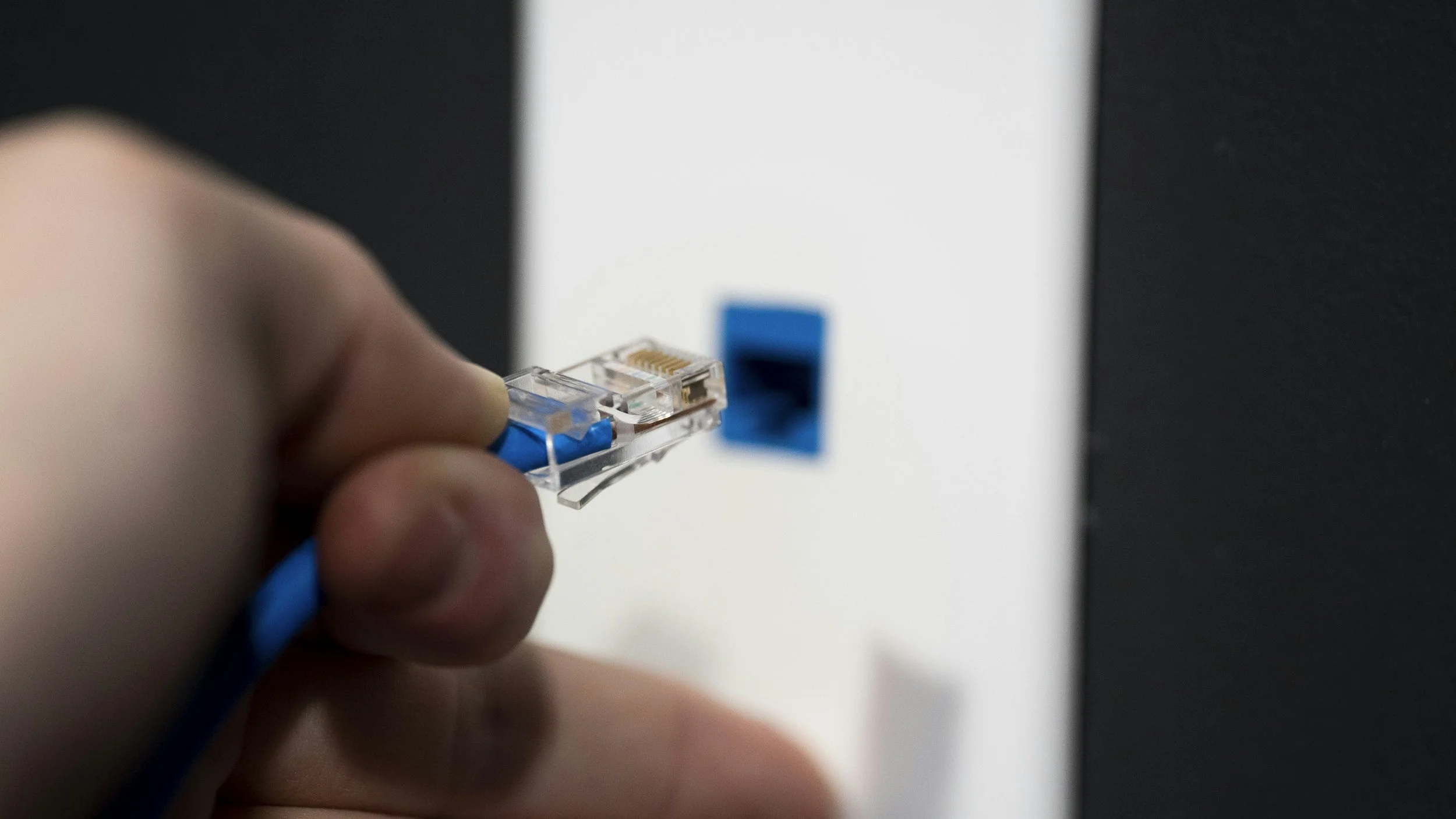
Wired Network
Wi-Fi is often treated like a simple purchase: buy a powerful router, plug it in, and expect it to cover the entire home. In reality, reliable Wi-Fi has far less to do with the router itself—and everything to do with your home’s layout.
Before equipment choices ever matter, your floor plan, construction methods, and materials determine how wireless signals behave. That’s why consistent Wi-Fi should be approached as home infrastructure, not a consumer gadget.
That’s where Home Technology Experts comes in.
Wi-Fi Is Shaped by the House It Lives In
You don’t live in the house that wi-fi built. We build wi-fi for the house you live in.
Wi-Fi signals behave like radio waves moving through physical space. As they travel, they’re weakened or redirected by the structure of the home itself.
Walls, floors, framing, and even furniture all affect performance. No router—no matter how expensive or advanced—can fully overcome poor signal paths created by the building.
This is why professional Wi-Fi design starts with understanding the house, not shopping for hardware.
How Building Materials Affect Coverage
Not all materials impact Wi-Fi equally. Some significantly reduce signal strength:
High impact:
Metal (including steel framing and foil insulation), concrete, brick, stone, tinted glass, and mirrorsModerate impact:
Plaster walls, tile, thick wood, bathrooms with dense plumbingLow impact:
Drywall, plywood, open spaces
Even everyday items like large furniture or aquariums can create localized dead zones. In well-built or luxury homes, these materials are common—making Wi-Fi design more important, not less.
Layout and Size Matter More Than Speed
Two homes with the same square footage can require very different Wi-Fi solutions.
Open layouts allow signals to travel farther, but still struggle across multiple levels.
Compartmentalized homes with many rooms and walls fragment coverage quickly.
Larger homes naturally require multiple access points to maintain consistency.
Distance also matters. Faster Wi-Fi bands offer better performance but shorter range, meaning a single centrally placed router often leaves rooms underperforming—especially upstairs or at the far edges of the home.

Wireless Network
When coverage is inconsistent, homeowners often try to compensate by upgrading internet speed. Unfortunately, speed doesn’t fix signal reach or reliability.
Why Wi-Fi Should Be Treated as Infrastructure
You wouldn’t design plumbing without considering where walls and floors are located. Wi-Fi deserves the same level of planning.
At Home Technology Experts, Wi-Fi design begins with the floor plan. That allows us to:
Predict how signals will move through the home
Place wired access points where they actually perform best
Avoid dense barriers that weaken coverage
Design for the number of connected devices today—and tomorrow
When Wi-Fi is designed intentionally, it becomes invisible. Streaming is smooth, video calls are stable, and smart home systems respond instantly.
When it’s treated as an afterthought, the result is familiar: dead zones, constant reboots, extenders that don’t deliver, and frustration that never quite goes away.
The HTE Perspective
Reliable Wi-Fi isn’t something you fix after the fact. It’s something you design correctly from the start.
By understanding how a home’s floor plan affects wireless performance, homeowners can shift from reacting to problems to building a network that simply works—just like any other critical home system.
That’s the difference between faster internet and better Wi-Fi.
LEARN MORE: STARLINK INSTALLATION