
Integrated Smart Home Technology Design | Planned from the Start
Architectural Technology Design: Considered From the Start
The strongest residential technology projects begin with alignment—between architecture, interior design, construction, and the systems that will support the home every day. When technology is planned early, it can become part of the home’s infrastructure instead of a late addition that creates visual or practical compromises.
Home Technology Experts works with homeowners, architects, builders, and designers to coordinate lighting control, motorized shades, audio/video, networking, surveillance, and home control while the project can still accommodate the right details.
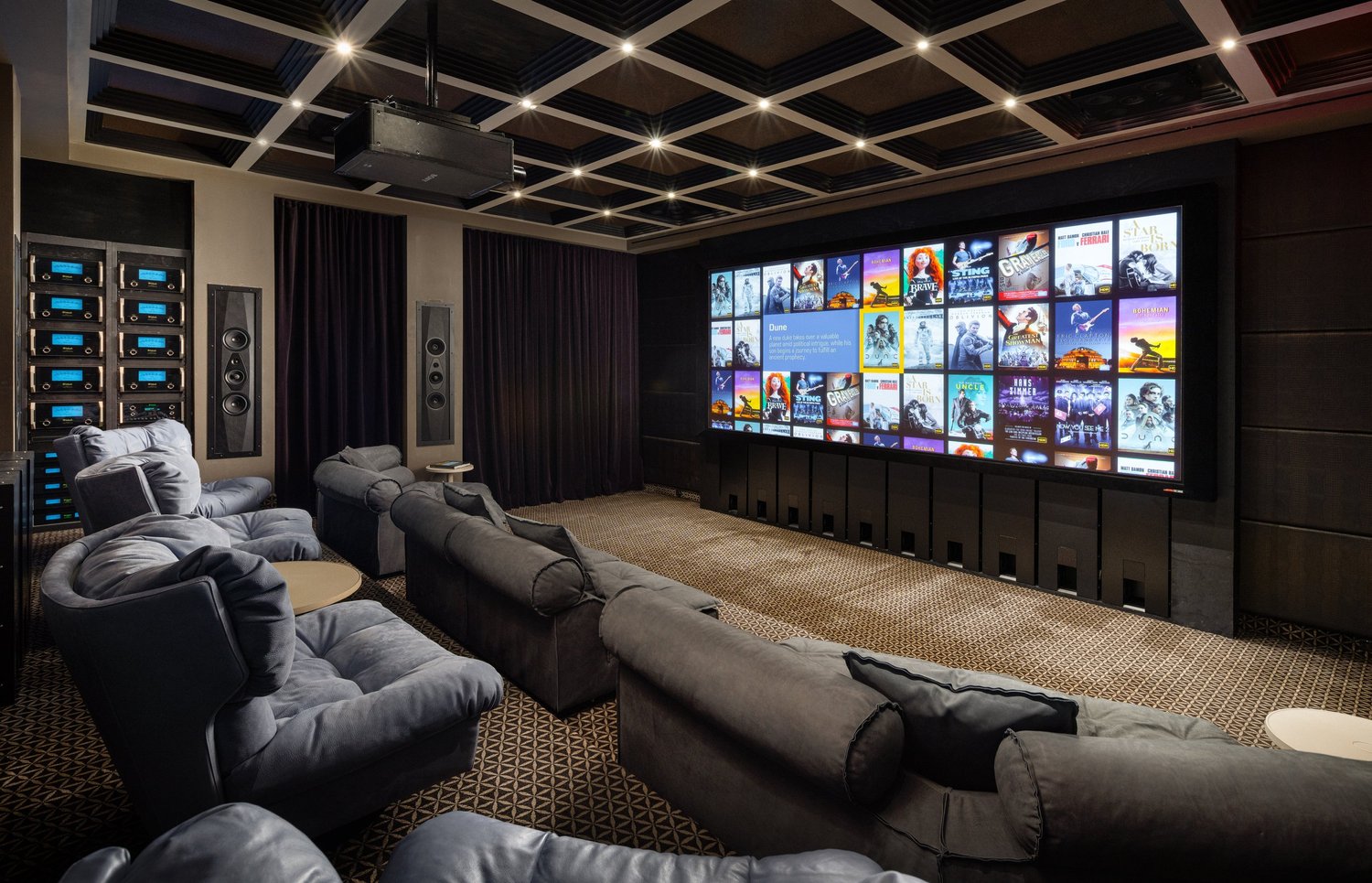
What Architectural Technology Design Actually Means
Architectural technology design is the work of translating how a home will be used into practical decisions that fit the drawings and construction sequence. It includes the visible details—keypads, speakers, displays, and control interfaces—but also the work behind walls: pathways, power, network cabling, equipment locations, ventilation, and service access.
Before rough-in, the project team should coordinate:
- System scope and integration points
- Equipment rooms, racks, and service clearances
- Ceiling, wall, millwork, and display details
- Lighting, shade, audio, and network requirements
- Technology-related responsibilities across trades
Technology Should Protect the Architecture
Clean ceilings, considered millwork, uninterrupted sightlines, and well-proportioned rooms do not happen by accident. A technology plan helps determine where keypads belong, how speakers can be integrated, where displays can be concealed or intentionally placed, and which equipment should remain out of sight.
The aim is restraint: systems should be easy to use and easy to service without asking the homeowner to live with visible compromises.
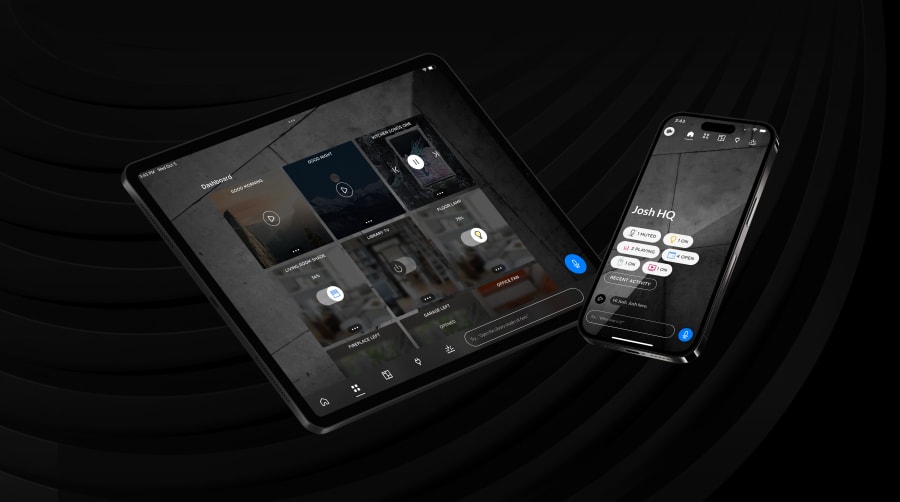
Coordinate Across the Project Team
Technology touches more trades than many projects initially expect. HTE coordinates with electrical contractors, lighting designers, HVAC professionals, millwork teams, and other specialists so requirements are known before installation work gets underway.
This reduces late conflicts and helps the design team make clearer choices about where technology belongs. For a full new-build checklist, see how to plan smart home technology before construction.
Infrastructure First, Products Second
Not every technology decision must be final at the start of a project. The infrastructure decisions do matter early. A reliable home network, practical wiring pathways, equipment space, and access for future service make it possible to adapt without opening finished walls later.
This is where planning brings lasting value: it protects the architecture while creating a system that can be maintained and improved over time.
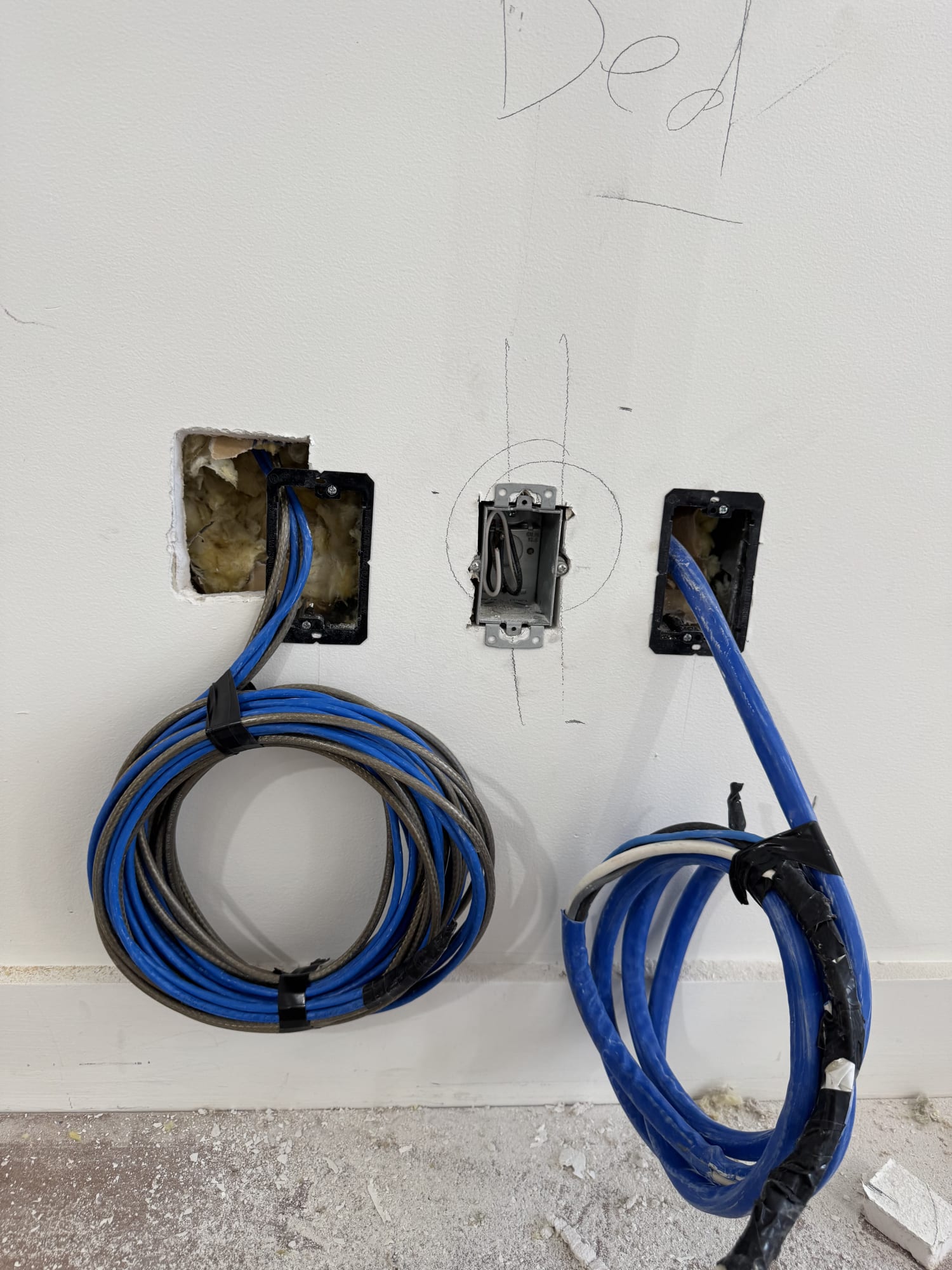
Clear Documentation Keeps the Work Predictable
Good documentation gives the project team a shared reference for system layouts, equipment locations, wiring requirements, and scope boundaries. It does not replace field coordination, but it helps prevent important details from being missed as the project moves from design into construction.
HTE’s role is to make the technology portion of the project more predictable: define what is needed, coordinate with the people building the home, and design systems that remain practical to support after move-in.
Frequently Asked Questions
When should technology planning begin?
Begin during architectural design, before electrical layouts, ceiling details, millwork, window treatments, and equipment spaces are finalized.
Can smart home systems be added after construction?
Yes, but options are often more limited once finishes are complete. Early planning allows cleaner integration and can avoid unnecessary disruption.
What does a technology partner coordinate with architects and builders?
HTE helps define infrastructure, equipment locations, wiring pathways, lighting and shading requirements, control interfaces, network coverage, and trade coordination needs.
Will technology affect the design of the home?
When planned well, technology supports design intent through discreet equipment placement, clear control locations, and infrastructure that stays largely out of sight.
For a new home, renovation, or complex upgrade, bring HTE into the conversation early enough for technology to support the home from the start.