
Working With a Home Technology Consultant in NYC
What Does a Home Technology Consultant Do in NYC?
In New York City, home technology needs to work within the architecture, the building, and the way the residence will actually be used. A consultant brings those decisions into focus before they become difficult—or expensive—to change.
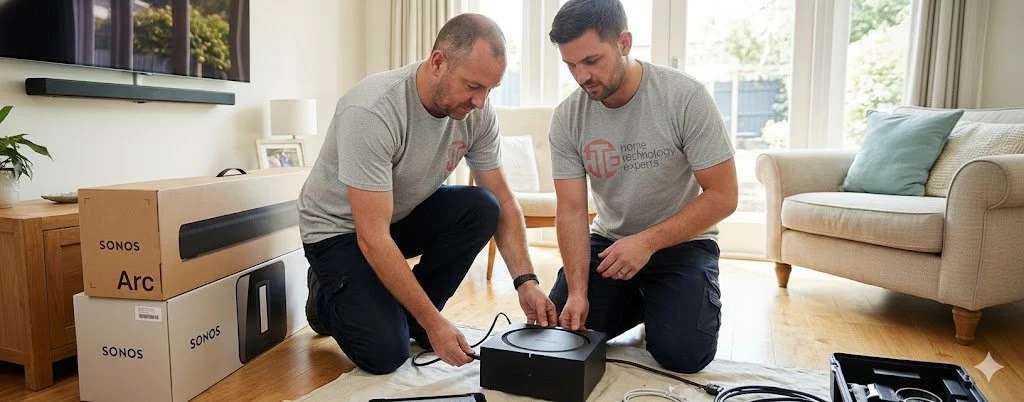
A home technology consultant is the person who turns a homeowner’s expectations into a coordinated plan for the systems behind the finished space. In an NYC apartment, townhouse, or penthouse, that work often includes lighting control and motorized shades, network and Wi-Fi infrastructure, audio, video, access, surveillance, and the control platform that brings them together.
The role is not simply to recommend equipment. It is to ask the questions that affect the experience later: Where can equipment live and still be serviced? Which walls need wiring before they close? How should shades coordinate with window details and millwork? How will the homeowner use the home at 7 a.m., during a dinner party, or when they are away?
Why NYC Projects Need Early Technology Planning
City residences come with constraints that are easy to underestimate. Buildings may have strict alteration rules. Ceiling cavities can be limited. Equipment rooms are often compact. Internet service enters the apartment in a fixed location. A beautifully finished room may leave little room for new wiring, displays, speakers, or control hardware.
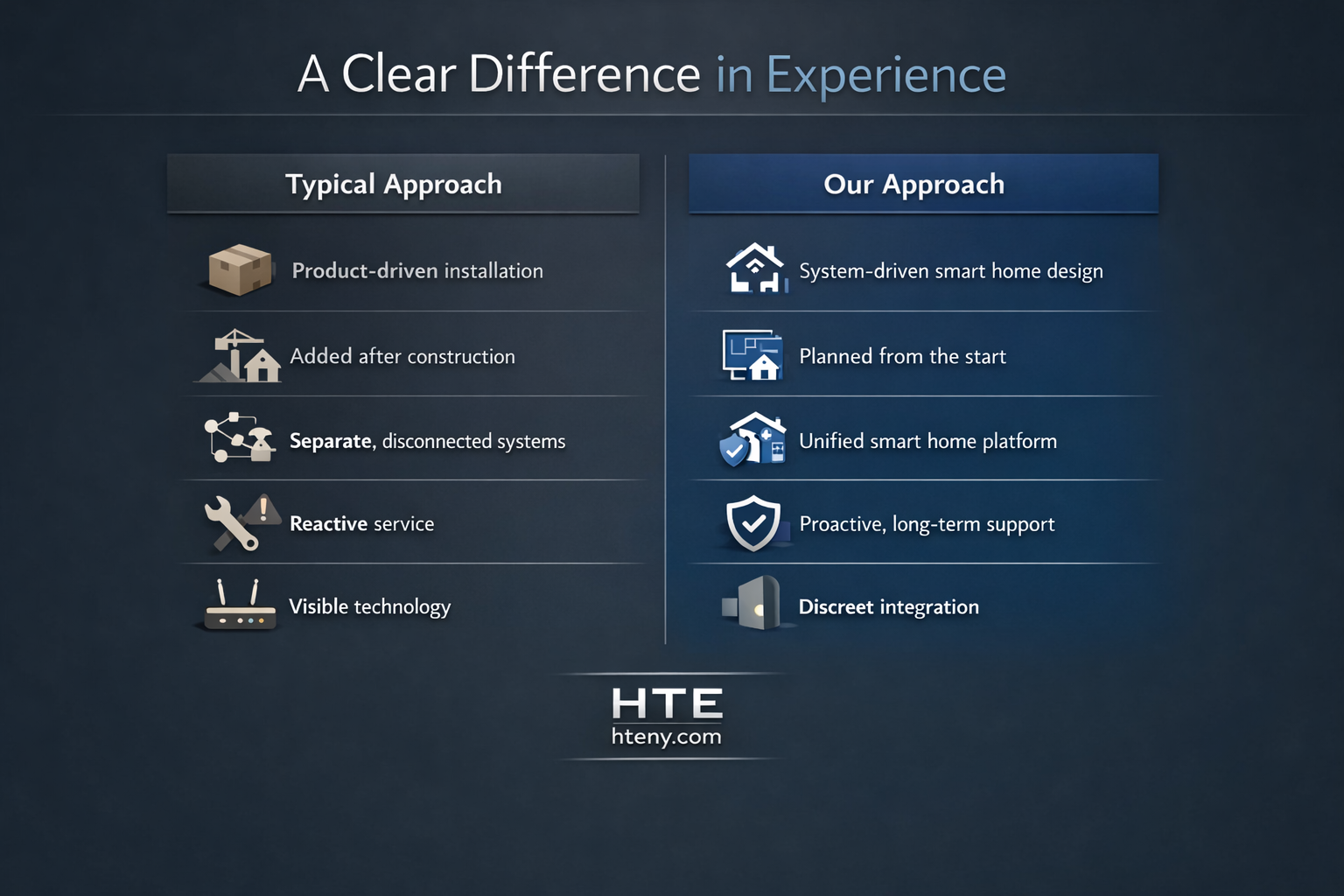
That is why technology decisions belong in the design conversation—not at the end of it. HTE’s architectural technology design approach coordinates the infrastructure and the finished experience together, so the design team can make informed choices before construction is too far along.
Before walls close, a consultant should help the project team define:
- network locations, wired connections, and Wi-Fi coverage for the apartment or townhouse;
- speaker, display, keypad, camera, and access-control locations;
- shade pockets, power, control, fabric needs, and integration requirements;
- equipment location, ventilation, electrical needs, and service access; and
- the control experience: keypads, touchscreens, mobile access, and simple everyday scenes.
What the Consultant Coordinates
The strongest plan is not a technology wish list. It is a practical framework that helps the architect, interior designer, builder, electrician, millworker, and homeowner work from the same intent. That includes documenting what needs to happen now, what can wait, and what must remain accessible after move-in.
For a renovation, that may mean finding ways to improve a finished home without undoing the design. For a new residence, it can mean creating a clear path for integrated smart home control, reliable connectivity, and lighting or shading scenes that feel natural to use.
It also means making the right distinctions. A room may need architectural speakers rather than visible floor-standing equipment. A primary suite may benefit from blackout shades that work from a bedside keypad. A work-from-home space may need stronger wired connectivity than the rest of the apartment. The solution comes from the room, the building, and the homeowner’s routines—not from a standard package.
How a Better Plan Changes Daily Life
When technology is planned well, it tends to recede. The lights are where you expect them. The shades respond without a separate app. Audio is available without visible clutter. Wi-Fi reaches the spaces where people actually work and gather. And the systems are documented well enough that future service does not begin with guesswork.
This is especially important in NYC, where a single apartment can combine a primary residence, office, entertainment space, and occasional hosting venue. As we discussed in our guide to residential lighting in NYC, the city’s changing light and always-on rhythm call for systems that support real life rather than demand attention.
When to Bring in a Home Technology Consultant
The best time is during concept design or early pre-construction, before electrical, ceiling, millwork, window, and equipment decisions are finalized. That gives the team room to protect the architecture while setting up the systems the home needs.
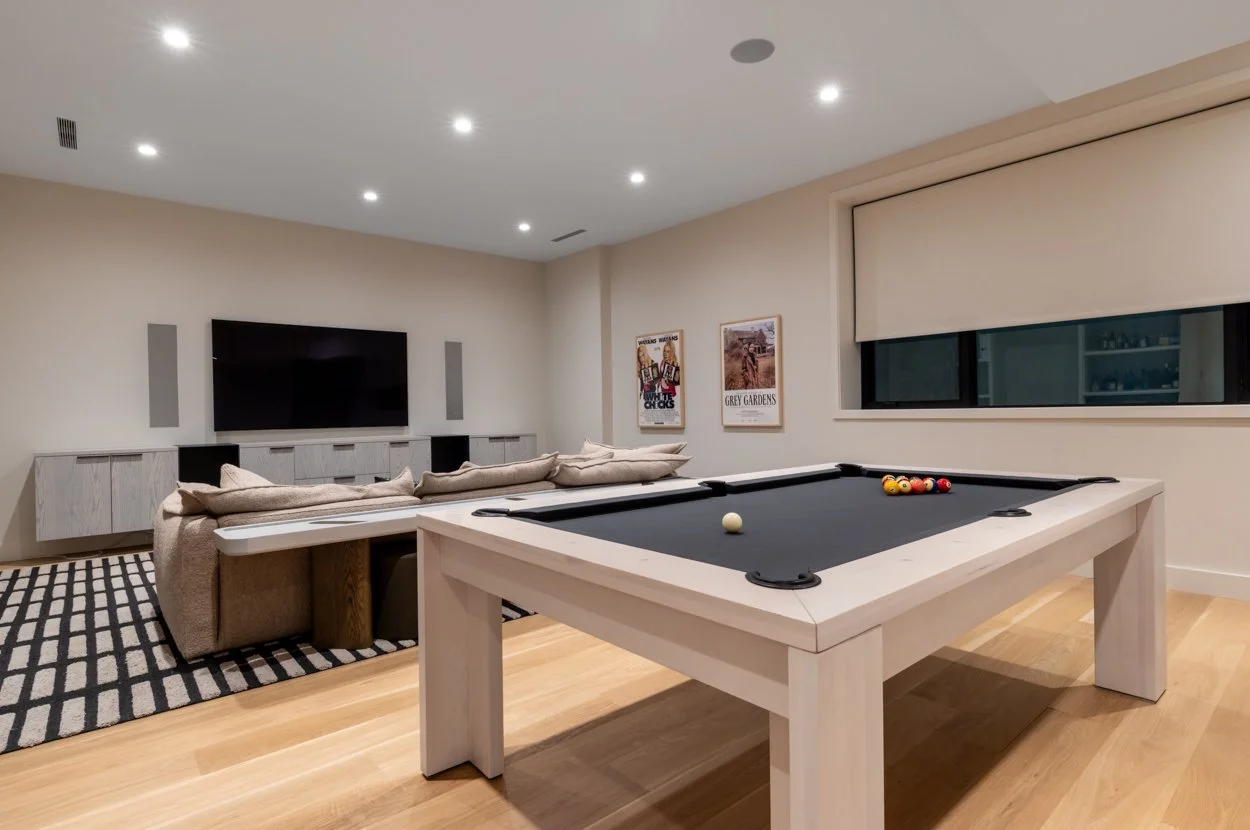
It is also worth involving a consultant when a project is already underway, particularly if the plan includes an apartment-wide renovation, a new media room, upgraded Wi-Fi, lighting and shading, or a move away from disconnected devices. HTE also helps owners make a sensible plan for existing systems through technology upgrades and long-term support.
Frequently Asked Questions
Is a home technology consultant different from an electrician or AV installer?
Yes. Electricians and installers are essential project partners, but a home technology consultant focuses on the full residential system: infrastructure, equipment locations, design coordination, controls, documentation, commissioning, and long-term support. The consultant helps make sure those trades are working toward the same finished experience.
Can a consultant help with a finished NYC apartment?
Yes. A finished home has more constraints, but thoughtful planning can still improve Wi-Fi, audio, displays, lighting control, shades, surveillance, and everyday control while respecting the existing interiors. The first step is understanding the building, the available pathways, and the homeowner’s priorities.
What systems should be planned together?
At a minimum, coordinate networking, Wi-Fi, lighting, shades, audio, video, control, and equipment locations. Depending on the home, surveillance, entry access, climate, outdoor areas, and power protection should be considered at the same time.
Does HTE work with architects and interior designers in New York City?
Yes. HTE works alongside homeowners, architects, designers, builders, and related trades to make technology decisions clear early and carry the system through installation, refinement, and support. See how HTE approaches long-term smart home integration.