
HTE’s Approach to Whole Home Networking
Whole-Home Networking: What Every Luxury Home Needs
A dependable home network is the infrastructure behind every well-integrated residence. It keeps the systems you rely on responsive, connected, and ready to support the way the property is actually used.
In a luxury home, the network does far more than provide internet access. It supports lighting control, shading, streaming, whole-home audio, climate systems, remote work, surveillance, and the many devices that connect the property together. When the network is weak, each of those experiences can feel unpredictable: video buffers, cameras lag, voice commands time out, and systems that should work quietly in the background start demanding attention.
That is why we treat home networking and Wi-Fi as planned infrastructure—not as a router purchase made after move-in. A properly designed network gives every connected system a stronger, more stable foundation.
Why large homes need a professional network design
Today’s homes can have dozens—or hundreds—of connected endpoints operating at once. A provider-supplied router was not designed to manage a multi-floor residence, dense construction materials, outdoor entertaining spaces, and multiple high-demand systems at the same time.
Before equipment is selected, a network plan should account for:
- Streaming displays, media rooms, and whole-home audio
- Lighting, shading, climate, and control systems
- Home offices, video calls, and gaming
- Wired and wireless surveillance devices
- Guest networks and managed access for service providers
- Outdoor spaces, pool houses, gates, and detached structures
The right approach considers coverage, wired backhaul, equipment location, power protection, and future expansion as one coordinated system. That planning is especially important in Long Island homes and Hamptons properties, where an estate may include separate buildings and extensive outdoor living areas.
Whole-home Wi-Fi should follow how the property is used
Wi-Fi coverage is not a matter of placing one powerful access point in the center of the home. Stone, steel, low-emissivity glass, plaster, multiple floors, and outdoor distance all affect signal behavior. A fast speed test near a router does not prove that a network will support a video call in an upstairs office or a streaming television on the terrace.
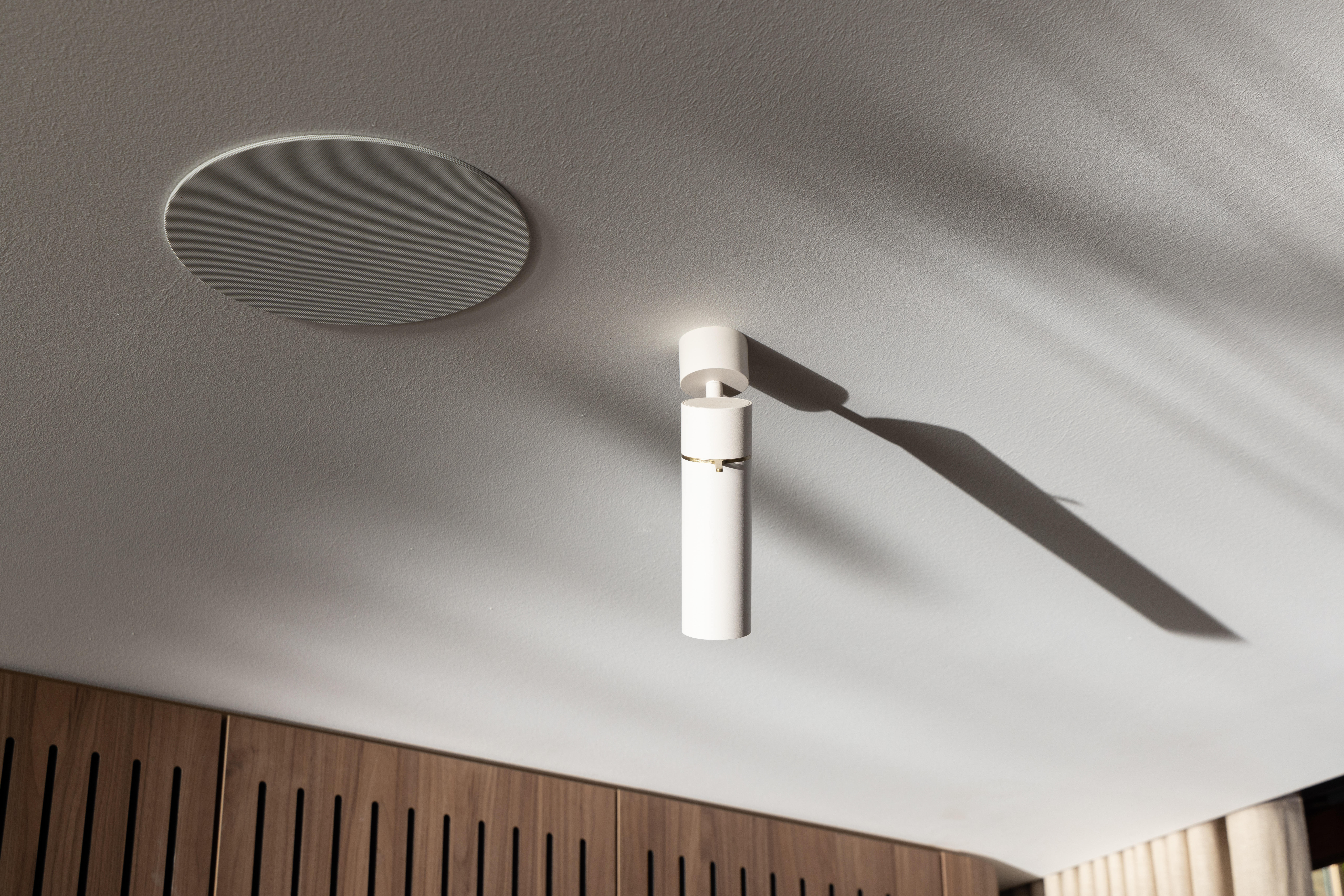
Professionally designed whole-home Wi-Fi uses carefully located, wired access points to create consistent coverage where people actually spend time. The result is a more predictable experience as a phone moves from kitchen to bedroom, or as a homeowner steps outside to the pool, garden, or guest house.
For a deeper look at diagnosis and placement, read How Can I Improve My Home’s Wi-Fi Network for Better Connectivity?.

Structured cabling is still the backbone
Wireless is essential, but it is not a substitute for a thoughtful wired foundation. High-demand systems perform best when the critical connections are planned on Ethernet from the start. That includes access points, televisions, AV equipment racks, processors, workstations, gaming systems, and many surveillance cameras.
During new construction, installing structured wiring before walls close gives the project more flexibility and avoids visible workarounds later. For renovations, the goal is to find practical pathways that protect finished architecture while improving the infrastructure. Our guide to planning technology before construction begins explains why early coordination matters across the entire system.
Reliability is rarely created by one device. It comes from the relationship between the internet connection, routing, switching, cabling, wireless access points, control systems, and the way each is documented and supported.
Network security is part of home protection
Connected homes exchange a great deal of information. Cameras, door stations, thermostats, lighting, appliances, and personal devices all depend on a secure network. A professionally configured network can separate device types, provide a protected guest network, support firewall policies, and make updates easier to manage.
This is also why surveillance should be planned as part of the broader technology architecture rather than treated as an isolated add-on. Explore our approach to smart surveillance cameras and read Smart Home Security Design for more on how network, access, and system design work together.
Smart home performance depends on the network
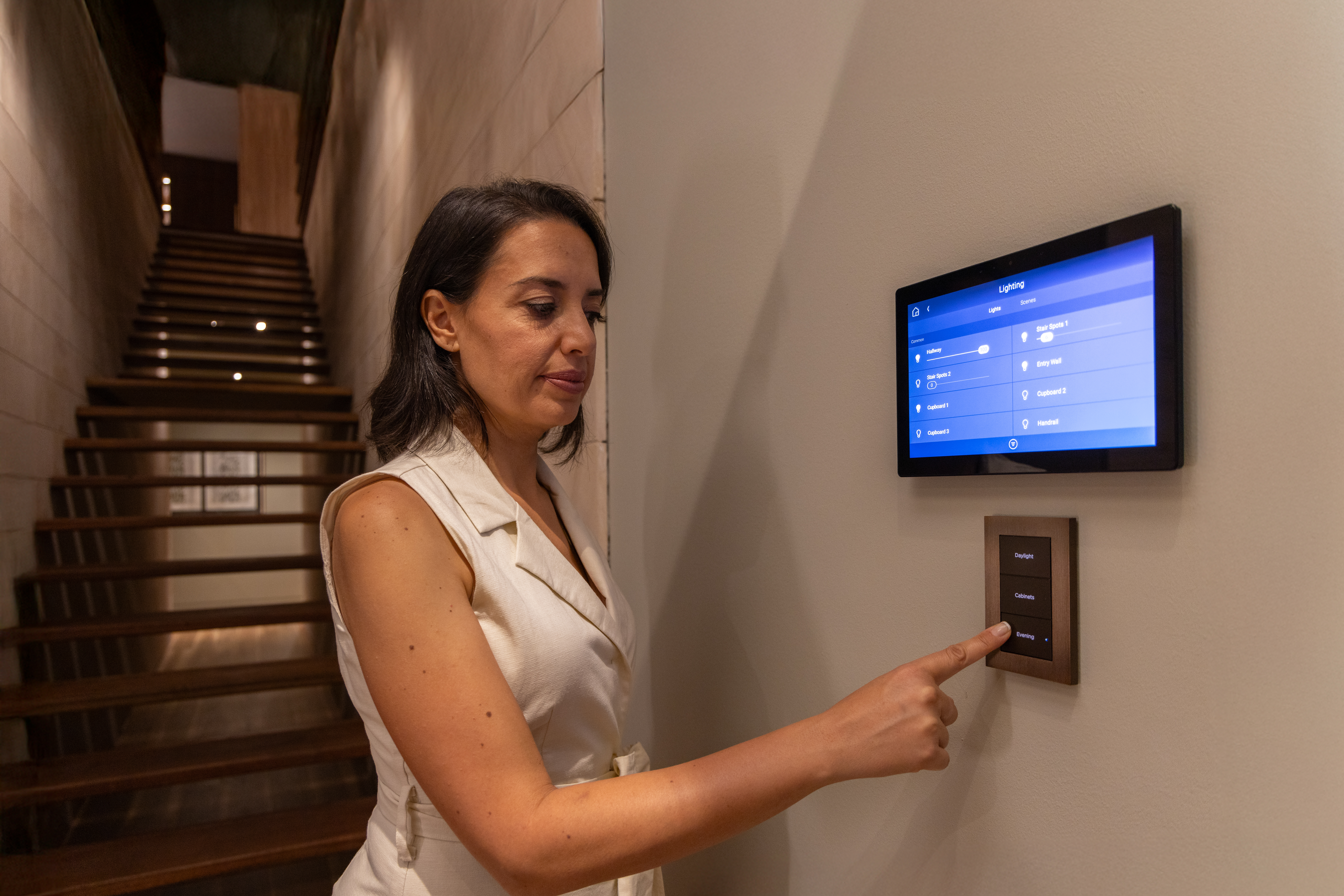
Many apparent automation problems are actually network problems. If a controller cannot reliably communicate with a lighting processor, thermostat, speaker, or television, the homeowner experiences the issue as a failed command—even when the control platform itself is working properly.
A well-engineered network gives smart home automation a more dependable environment for fast response times, stable communication, and practical future growth. It also supports the more thoughtful approach described in What “Thoughtfully Integrated” Really Means in Smart Home Technology: technology planned around the home, not added one device at a time.
Outdoor and property-wide connectivity
Luxury living does not end at the exterior doors. Outdoor audio, poolside streaming, landscape systems, gate access, cameras, and guest connectivity all place demands on the network. A complete design considers where service is needed beyond the main residence, including cabanas, offices, guest houses, and equipment areas.
Outdoor connectivity needs more than a signal that happens to reach outside. It should be planned for the space, the materials, weather exposure, equipment placement, and expected use.
Managed networking keeps the system supportable
The best network is one that remains serviceable after installation. Remote monitoring and documentation can help a qualified support team identify problems, manage updates, and troubleshoot efficiently—often before a small disruption becomes a larger interruption.
HTE designs with long-term ownership in mind. That means choosing proven platforms, organizing equipment access, and providing a clear path for support as the home and its technology evolve. Our overview of network and infrastructure platforms explains the value of standardized, supported equipment choices.
The foundation of a modern connected home
A reliable network is not an accessory. It is the system that allows everything else to operate with confidence. Whether you are building a new residence, renovating a large property, or trying to resolve recurring connectivity issues, investing in the right infrastructure improves the experience of every connected system.
HTE designs professionally engineered home networking systems for residences across the Hamptons, Long Island, Manhattan, and beyond. We coordinate whole-home Wi-Fi, structured cabling, smart home integration, and ongoing support so technology feels reliable, orderly, and easy to live with.
Frequently asked questions
What is whole-home networking?
Whole-home networking is a planned system of internet service, routing, switches, wired cabling, wireless access points, and security settings designed to provide reliable connectivity throughout a residence and across its outdoor or detached spaces.
Is mesh Wi-Fi enough for a large luxury home?
Consumer mesh systems can improve a small or simple space, but large or architecturally complex homes usually benefit from professionally placed, wired access points and a network designed around the property’s materials, coverage areas, and device demand.
Why do smart homes need structured wiring?
Structured wiring provides stable, high-capacity connections for the equipment that keeps a smart home operating, including access points, AV systems, processors, cameras, televisions, and workstations. It also gives the system a more practical path for expansion and service.
Can Wi-Fi extend to a pool house or guest house?
Yes. The correct method depends on distance, construction, available pathways, and usage. A professional plan may use fiber or Ethernet connections, purpose-built wireless links, and dedicated access points to create dependable coverage in separate structures.