
Full-Property Smart Home Integration for Intelligent Living
Full-property smart home integration coordinates the technology throughout a residence and its outdoor spaces, so lighting, shades, climate, entertainment, surveillance, and other compatible systems can work together around the way you live.
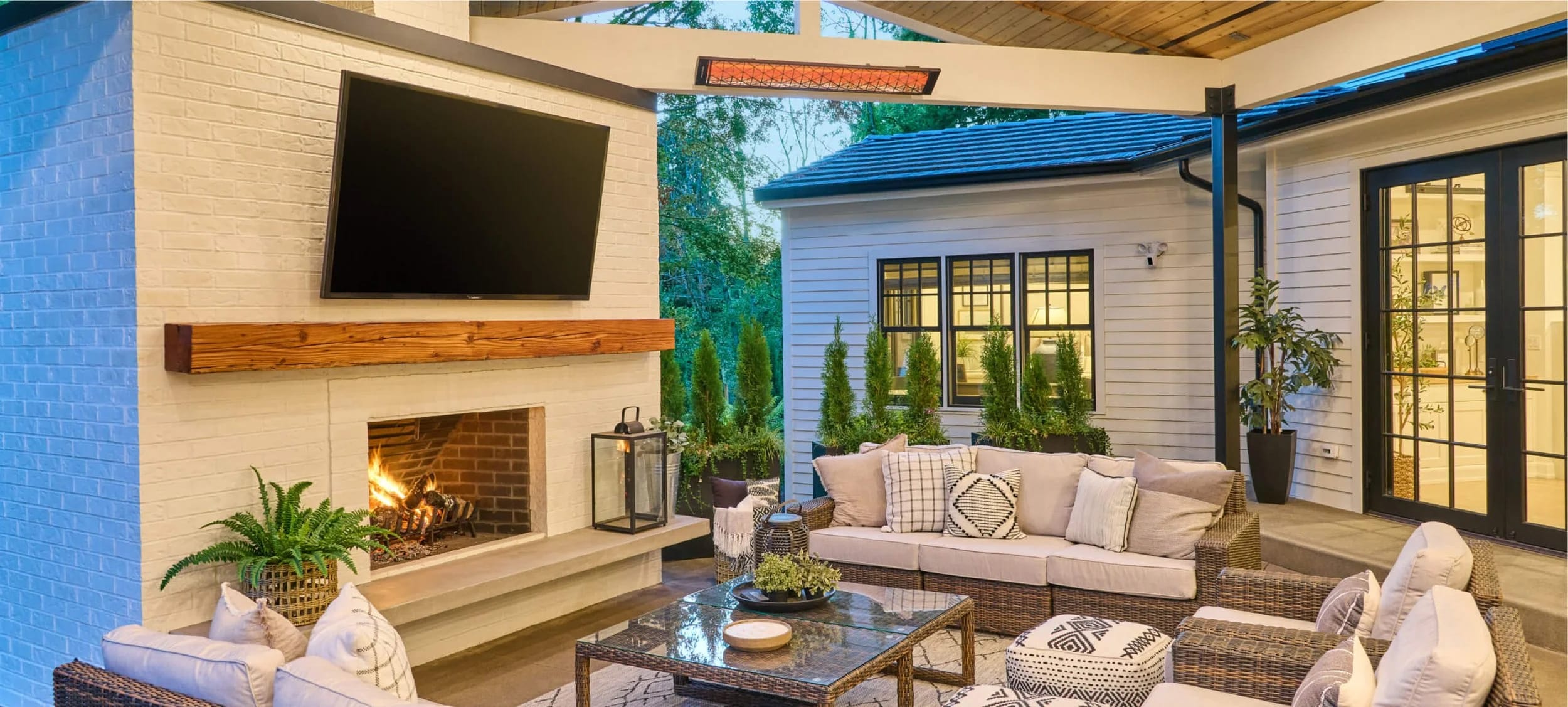
Home Technology Experts designs integrated homes for the Hamptons, Manhattan, and surrounding New York markets. The goal is a consistent experience across the property, with controls that make sense to the people using them and infrastructure that can be understood and supported over time.
Our Intelligent Living Framework begins with daily routines and connects them to the systems, design decisions, and service that support the home.
Discuss Your HomeWhat does full-property integration mean?
Integration brings selected systems into a coordinated control experience. Depending on compatibility and the design, a homeowner might use a keypad, touchscreen, remote, app, voice control, or a schedule to manage several systems without learning a separate interface for every task.
That does not require every device to use one app or every feature to depend on one controller. The right smart home control system brings the most useful functions together while preserving appropriate independent operation.
Start with the moments that matter
A thoughtful plan begins with how the property is used, including mornings, entertaining, arrivals, and time away. Scenes bring selected actions together, but each action depends on the installed equipment and the permissions the homeowner chooses.
- Morning: Raise selected shades, adjust lighting, and prepare frequently used rooms.
- Evening: Set lighting and shades for privacy, then prepare music or television in the rooms being used.
- Away: Reduce selected lighting, adjust the climate schedule, and provide a way to review supported locks and surveillance.
- Guest arrival: Welcome visitors with accessible lighting and an interface suited to their stay.
Scenes should be tested and adjusted with the household. For a deeper discussion of behavior and contingency planning, see what a fully automated smart home needs to work well.
Which systems can work together?
A property-wide plan may include the following, with the final scope determined by the home and the equipment selected:
- Lighting control and coordinated scenes throughout the home.
- Motorized shades for daylight, privacy, and comfort.
- Climate control, where the installed HVAC equipment supports integration.
- Surveillance, entry, and access systems, with appropriate permissions.
- Whole-home audio, video, and entertainment spaces.
- Networking and Wi-Fi for connected systems and personal devices.
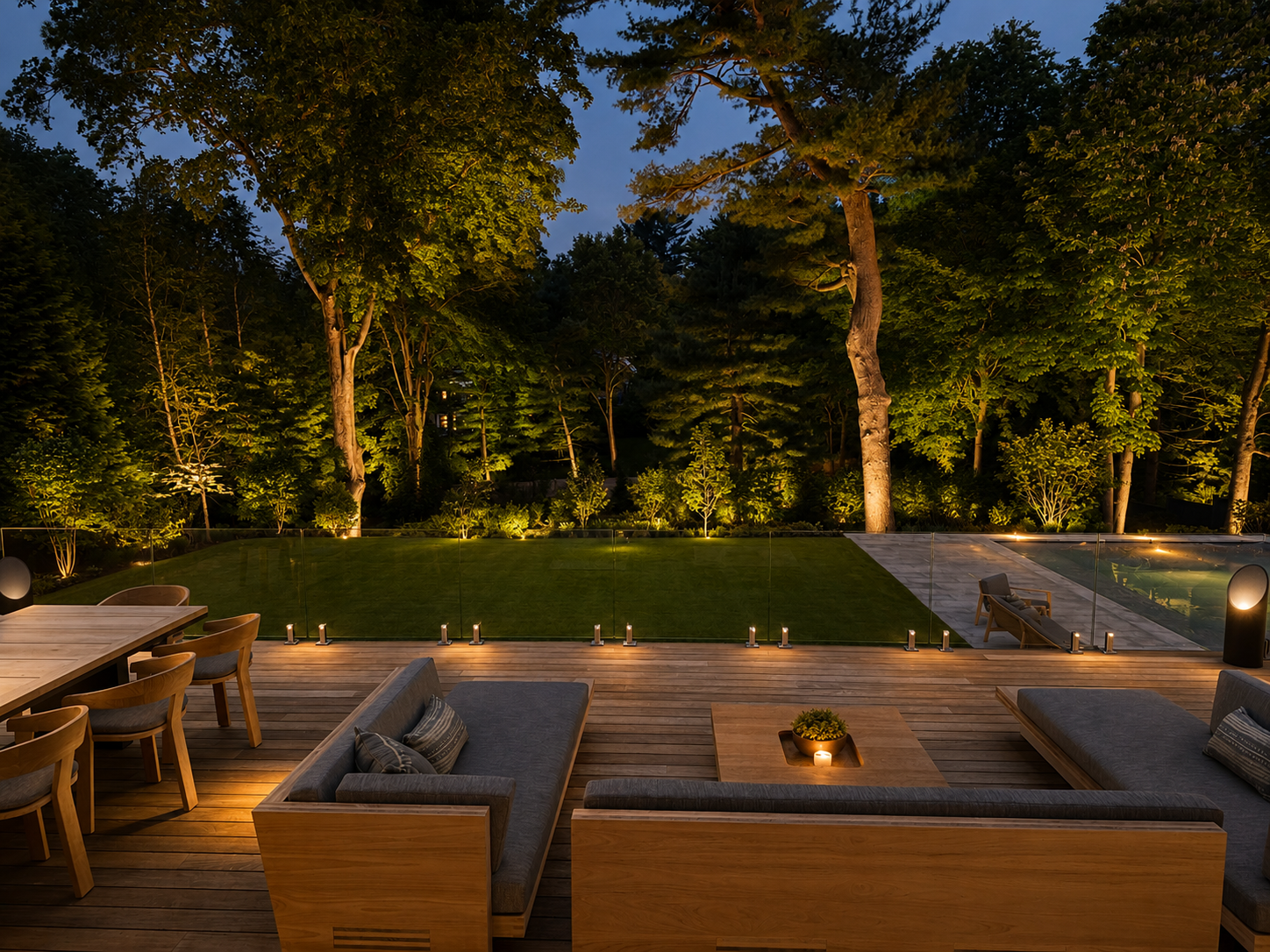
- Outdoor lighting, audio, pool houses, guest houses, and other areas where infrastructure and compatible equipment allow.
Some systems may continue to use their own dedicated controls. Integration should make everyday use simpler without removing practical ways to operate essential functions.
Choose the right control approach
Control4 and Savant offer different approaches to coordinating compatible home systems. Lutron HomeWorks can provide dedicated lighting and shade control, while Josh.ai can add voice control alongside supported systems. The appropriate combination depends on existing equipment, desired functions, the property, and long-term support.
Before selecting a platform, identify the systems you want to coordinate and confirm which specific models, functions, and interfaces are supported. A product described as compatible may still have limitations on individual features.
The network is part of the design
Many connected systems depend on a well-planned network. HTE considers wired infrastructure, equipment locations, Wi-Fi coverage, outdoor areas, access management, and serviceability as part of the broader technology plan. A detached guest house or gate may need a different connectivity solution from a room inside the main residence.
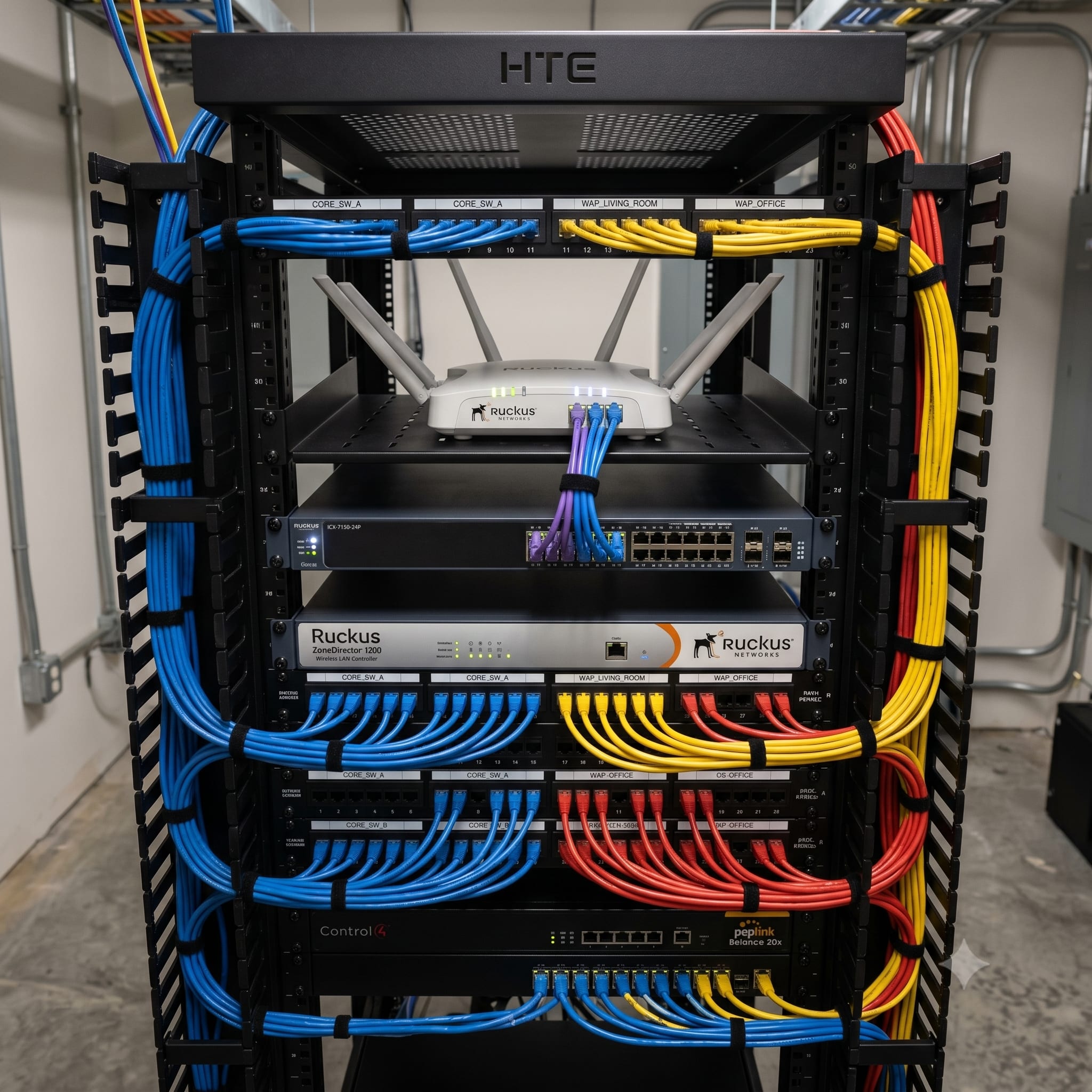
Network planning also includes controlled access, updates, and a clear understanding of who can manage the system. Read more about smart home network security and access.
Plan for the entire property and the people using it
In a Hamptons estate, the main home, guest house, outdoor entertaining areas, and gates may need to work as a connected environment. In a Manhattan residence, the priorities may include equipment space, building requirements, wireless conditions, and coordination with the design and construction team.
Family members, guests, household staff, and property managers may need different permissions. Establish who can change settings, view cameras, grant access, and receive notifications, then review those permissions when roles change.
New construction, renovation, or an existing system?
During a new build or major renovation, early coordination with the architect, designer, builder, and electrician can protect wiring routes, equipment space, wall controls, and future service access. Explore smart home planning for new construction.
An existing home can often be improved in stages. The first step is to understand what is installed, what remains useful, and where the network, controls, or support are creating friction. HTE offers an existing smart home system review to help owners evaluate their next steps.
Consider what happens when something goes wrong
Discuss how essential functions should behave during a power or internet interruption and which controls should remain available locally. The outcome depends on the actual equipment and any backup power or internet arrangements. Testing these scenarios and documenting the results makes it easier for the household and service team to respond.
Our guide to smart home outage protection explains the role of backup power, connectivity, and recovery planning.
Frequently asked questions
Can different smart home systems work together?
Often, yes. The available integration depends on the specific devices, software, control platform, and supported features. HTE evaluates those details before recommending a design.
Can an existing home become an integrated home?
In many cases, yes. Some existing equipment may be retained, while network, wiring, controls, or other components are improved in stages according to the home and the owner's priorities.
Does every function require an internet connection?
No. Some functions can operate locally, but remote access and cloud-dependent features may require internet service. Actual behavior varies by system and configuration.
Is full-property integration only for large estates?
No. A smaller residence can benefit from coordinated lighting, climate, entertainment, and controls. Larger properties may add more zones, buildings, and network requirements.
How does the system stay useful over time?
Clear documentation, appropriate access, testing, updates, and an agreed support plan help the system remain understandable and serviceable as the home changes.
Related reading: What is smart home automation? and planning a fully automated smart home.
Design the home as one environment.
Whether you are building, renovating, or bringing an existing system into better alignment, Home Technology Experts can help you define the right next step.
Schedule a Design Consultation