
The Return of Purpose-Built Rooms in Luxury Homes Across Long Island and NYC
The Return of Rooms: What Luxury Homeowners in the Hamptons, Manhattan, Brooklyn, and Long Island Are Rediscovering About Privacy, Comfort, and Smart Home Design
For more than two decades, the open floor plan defined modern luxury living.
Walls disappeared. Kitchens expanded into living areas. Dining rooms blended into great rooms. Across the Hamptons, Long Island, Manhattan, and Brooklyn, open-concept design became synonymous with luxury, entertaining, and modern architecture.
Today, that trend is evolving.
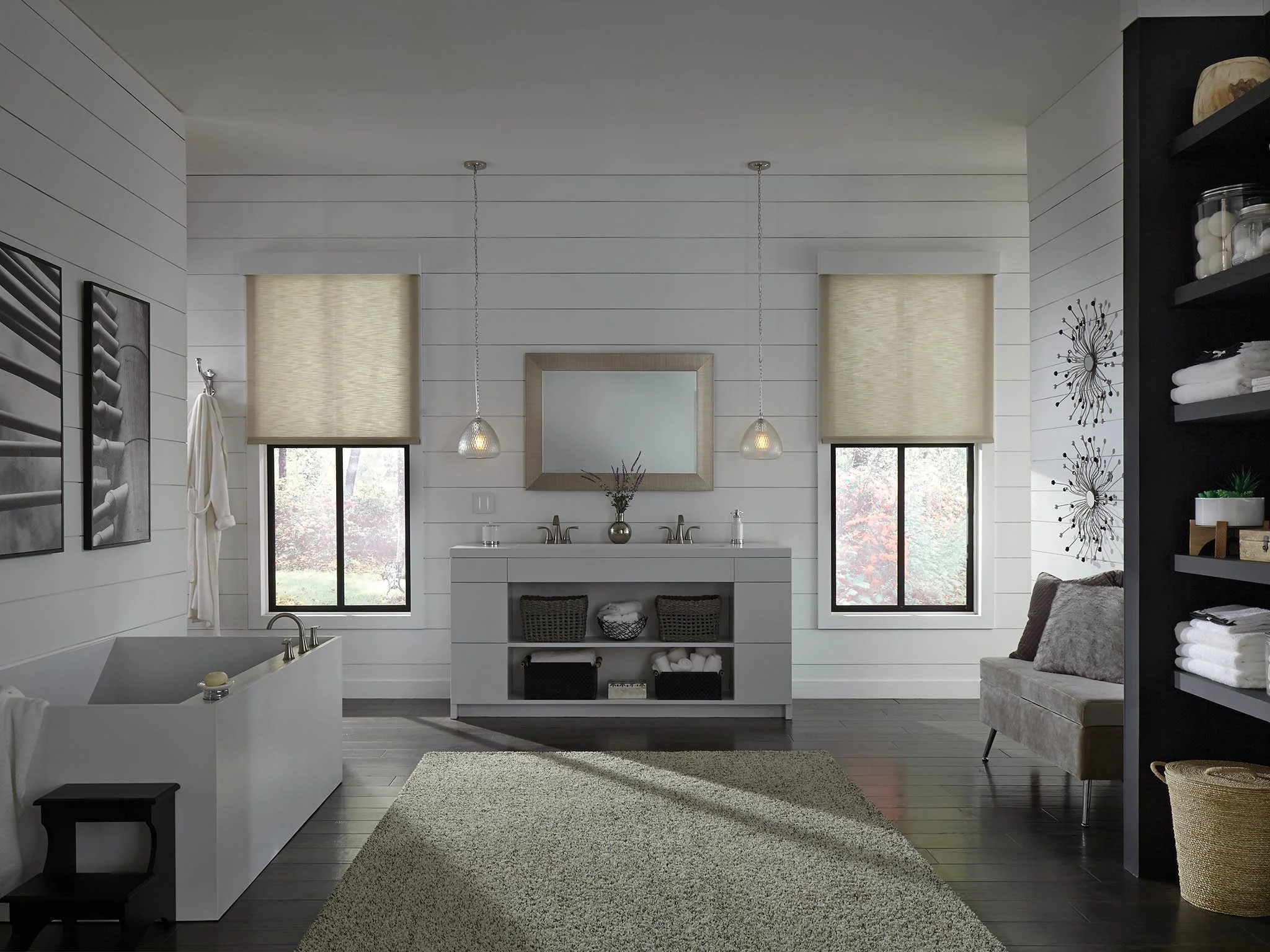
The return of rooms over open floor plans and smart home design
Architects, interior designers, and luxury homeowners throughout New York are increasingly embracing more intentional floor plans that balance openness with privacy. Rather than relying on a single shared environment, homeowners are seeking purpose-built spaces that support different activities, schedules, and comfort preferences.
This shift is often referred to as broken-plan living or semi-open design—an approach that creates distinct spaces while maintaining the flow and elegance of modern luxury homes.
For smart home technology, this evolution presents significant opportunities to create more personalized, comfortable, and efficient living environments.
Why Luxury Homeowners Are Reconsidering Fully Open Floor Plans
The benefits of open-concept design remain compelling.
Open spaces maximize natural light, improve sightlines, create a sense of scale, and make entertaining easier. These qualities continue to be highly desirable in luxury homes throughout the Hamptons, Manhattan penthouses, Brooklyn townhomes, and Long Island estates.
However, many homeowners are discovering the limitations of fully open environments.
Sound travels farther. Privacy becomes difficult to maintain. Climate control can be less efficient. Multiple activities often compete for the same shared space.
As remote work, wellness-focused living, and multigenerational households become increasingly common, homeowners are looking for floor plans that better support modern lifestyles.
Luxury today is less about square footage and more about personalized comfort, flexibility, and control.
Why This Trend Matters for Smart Home Design
At HTE, we believe great smart home design starts with understanding how people actually live.
Whether we're designing a luxury smart home in the Hamptons, upgrading a Manhattan apartment, or retrofitting a Long Island residence, our goal is always the same: create independent technology zones that work seamlessly together when needed and operate independently when desired.
Purpose-built rooms naturally support this approach.
Better Audio Performance and Acoustic Comfort
One of the biggest challenges in open-concept homes is sound management.
Televisions compete with conversations. Music intended for one area spills into another. Dedicated listening experiences become difficult to achieve.
Defined spaces allow homeowners to enjoy truly independent audio environments.
A family member can stream music in a home office while others enjoy television in a media room or entertain guests elsewhere in the home. Each space can deliver the right experience without disrupting adjacent rooms.
For luxury homeowners investing in distributed audio, home theater systems, and whole-home automation, thoughtful room separation often results in a dramatically improved user experience.
More Effective Climate Control Through Smart HVAC Zoning
Comfort preferences vary significantly from room to room.
A home office may need cooler temperatures during the day. Guest suites may sit unused for weeks. Media rooms often generate additional heat from equipment and occupancy.
As floor plans become more intentional, HVAC zoning strategies become significantly more effective.
Smart climate control systems allow homeowners to independently manage temperatures throughout the property, improving both comfort and energy efficiency.
For larger homes throughout the Hamptons and Long Island, zoning can also reduce unnecessary heating and cooling costs while maintaining ideal comfort conditions year-round.
Lighting Design Becomes More Meaningful
Lighting is most effective when it supports the purpose of a space.
A wellness room requires a different environment than a media room. A dining room benefits from different lighting scenes than a kitchen. A private office demands different illumination than a family gathering area.
Purpose-built rooms allow smart lighting systems to become more intuitive and personalized.
Instead of generic automation, homeowners experience lighting that adapts naturally to how each space is actually used.
The result feels less like technology and more like thoughtful design.
Privacy, Security, and Personalized Spaces
Privacy is becoming one of the defining characteristics of modern luxury.
Homeowners increasingly request dedicated guest suites, wellness rooms, private offices, fitness spaces, and quiet retreats within their homes.
Modern smart home systems can support these needs through:
Intelligent access control
Occupancy-based automation
Personalized room settings
Automated privacy features
Independent environmental controls
Enhanced security monitoring
Technology becomes most valuable when it quietly supports the way people want to live.
The Growing Retrofit Opportunity Across New York
Not every homeowner is building a new home.
Many luxury residences throughout Manhattan, Brooklyn, Long Island, and the Hamptons were designed during the height of the open-concept movement.
Fortunately, achieving the benefits of intentional room design does not always require major construction.
We are seeing growing interest in:
Pocket doors and concealed partitions
Acoustic treatments and soundproofing
Smart HVAC zoning upgrades
Architectural lighting enhancements
More granular audio distribution
Flexible multi-purpose spaces
Home office technology upgrades
In many cases, smart home retrofits can deliver many of the lifestyle improvements homeowners seek without extensive renovation.
The Future of Luxury Living Is Intentional
Open floor plans are not disappearing.
Great rooms, expansive kitchens, and indoor-outdoor living spaces will remain important features of luxury homes throughout New York.
What is changing is the expectation that every activity must happen within one shared environment.
Today's luxury homeowners increasingly value privacy, acoustic comfort, personalization, wellness, and control.
Architects are responding with more intentional layouts. Designers are creating rooms with clearer identities. Smart home technology must evolve alongside them.
At HTE, we see this shift as a natural progression in luxury living—one that creates smarter, more comfortable, and more personalized homes.
The return of rooms is not a step backward.
It is a move toward homes that balance connection with privacy, openness with comfort, and technology with the realities of everyday life.
FAQ Section
Are open floor plans going out of style?
Not entirely. Open floor plans remain popular, especially in luxury homes. However, many homeowners are moving toward semi-open or broken-plan layouts that provide greater privacy, acoustic separation, and flexibility while preserving openness where it matters most.
What is a broken-plan floor plan?
A broken-plan layout combines open-concept living with strategically defined spaces. Architectural elements such as partial walls, pocket doors, glass partitions, and dedicated rooms create separation without sacrificing flow.
How do smart homes benefit from defined rooms?
Defined rooms allow for more effective zoning of audio, lighting, climate control, security, and automation systems. Homeowners gain greater comfort, privacy, and personalization throughout the home.
Is HVAC zoning worth it in a luxury home?
For many luxury homes, especially larger properties in the Hamptons and Long Island, HVAC zoning improves comfort while reducing unnecessary energy use by allowing independent temperature control throughout the home.
Can an existing open-concept home be upgraded?
Yes. Many homeowners achieve meaningful improvements through smart home upgrades, lighting control, HVAC zoning, acoustic enhancements, distributed audio systems, and flexible room design solutions without major structural renovation.
What smart home upgrades add the most value during a renovation?
Popular upgrades include whole-home lighting control, intelligent climate management, distributed audio, home theater systems, motorized shading, security integration, and centralized smart home control platforms.