
New Construction vs. Retrofit
New Construction vs. Retrofit: What Changes in Home Technology Planning
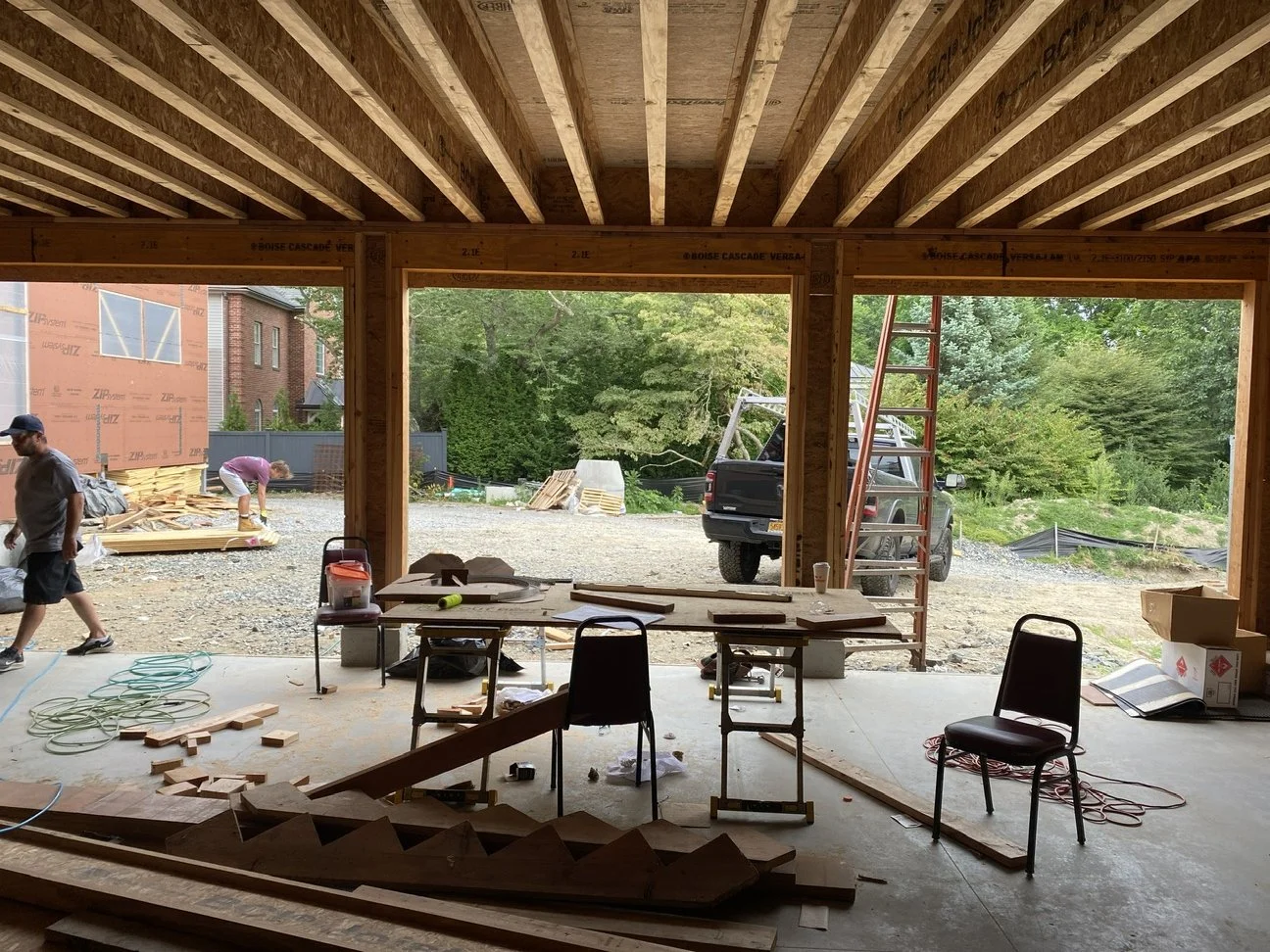
The right time to plan home technology depends on the project.
A new home offers the most flexibility. An existing home requires more selectivity. Both can result in a refined, reliable system, but the planning process, budget, and level of coordination are very different.
Timing Matters
In new construction, technology decisions should happen early.
AV, lighting control, networking, motorized shades, security, equipment locations, and control interfaces can all affect the work of other trades. When these conversations happen during design development or before rough-in, the result is more coordinated, efficient, and easier to support long-term.
In a retrofit, planning is usually more selective. Technology has to work within an existing layout, finished surfaces, and systems already in place. The focus shifts to priorities, access, and sequencing the work with minimal disruption.
Why Retrofit Often Costs More
Retrofit projects often carry higher labor costs than new construction.
In a finished home, even straightforward upgrades may require opening walls, working around existing electrical conditions, relocating equipment, or finding practical pathways for wiring and coverage.
The technology may be similar. The installation effort usually is not.
That does not make retrofit the wrong choice. It simply means the budget should reflect both the desired outcome and the realities of the home as it exists today.
What Is Possible vs. What Makes Sense
Many homeowners begin by asking what can be done. The better question is what can be done well.
In new construction, almost anything is possible when it is planned early enough. In a retrofit, more may be technically possible than is actually worth doing.
The right solution improves everyday use without unnecessary complexity, visible disruption, or disproportionate cost.
A strong technology plan balances ambition with restraint. It supports how the home is used and is designed for real-world conditions.
Coordination With the Project Team
New construction works best when the technology team is involved from the beginning.
Builders, architects, interior designers, electricians, and the technology team all influence the final outcome. Early coordination helps avoid conflicts, protect design intent, and keep infrastructure aligned with the home itself.
In retrofit projects, collaboration is still important, but often more tactical. Depending on the scope, the work may involve a builder, electrician, cabinetmaker, or interior designer.
Clear communication matters just as much, especially when the goal is better performance without disturbing the finished environment more than necessary.
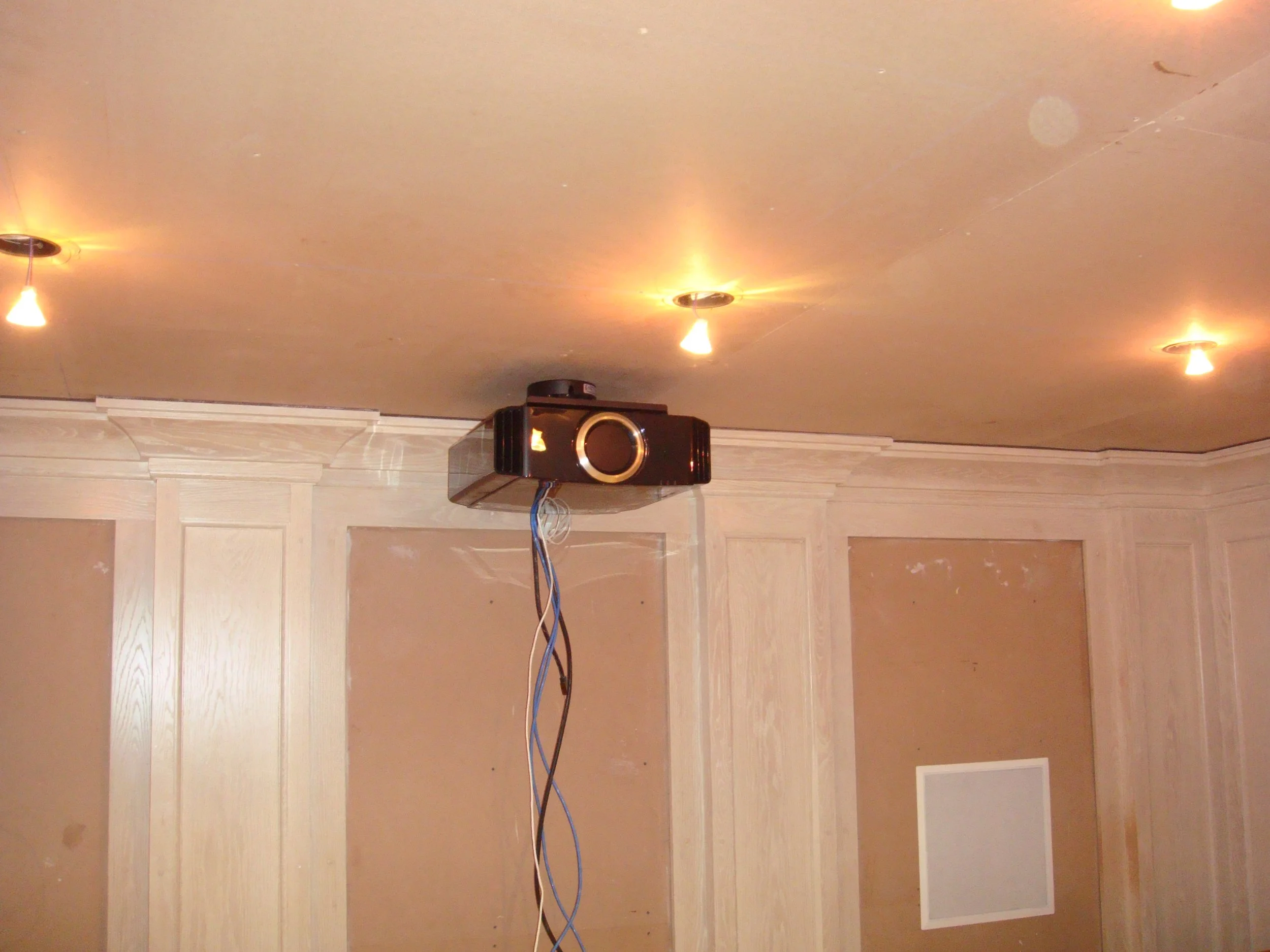
Home theater retrofit
When to Bring in the Technology Team
For new construction, the answer is simple: as early as possible.
Technology should be considered during planning, not after selections are complete or walls are closed.
For retrofit projects, early involvement is especially valuable when the home is already being renovated. If ceilings are open, millwork is being redesigned, or lighting and electrical work are planned, that is the right time to review technology opportunities.
Even a limited consultation at that stage can help prevent missed opportunities and unnecessary rework.
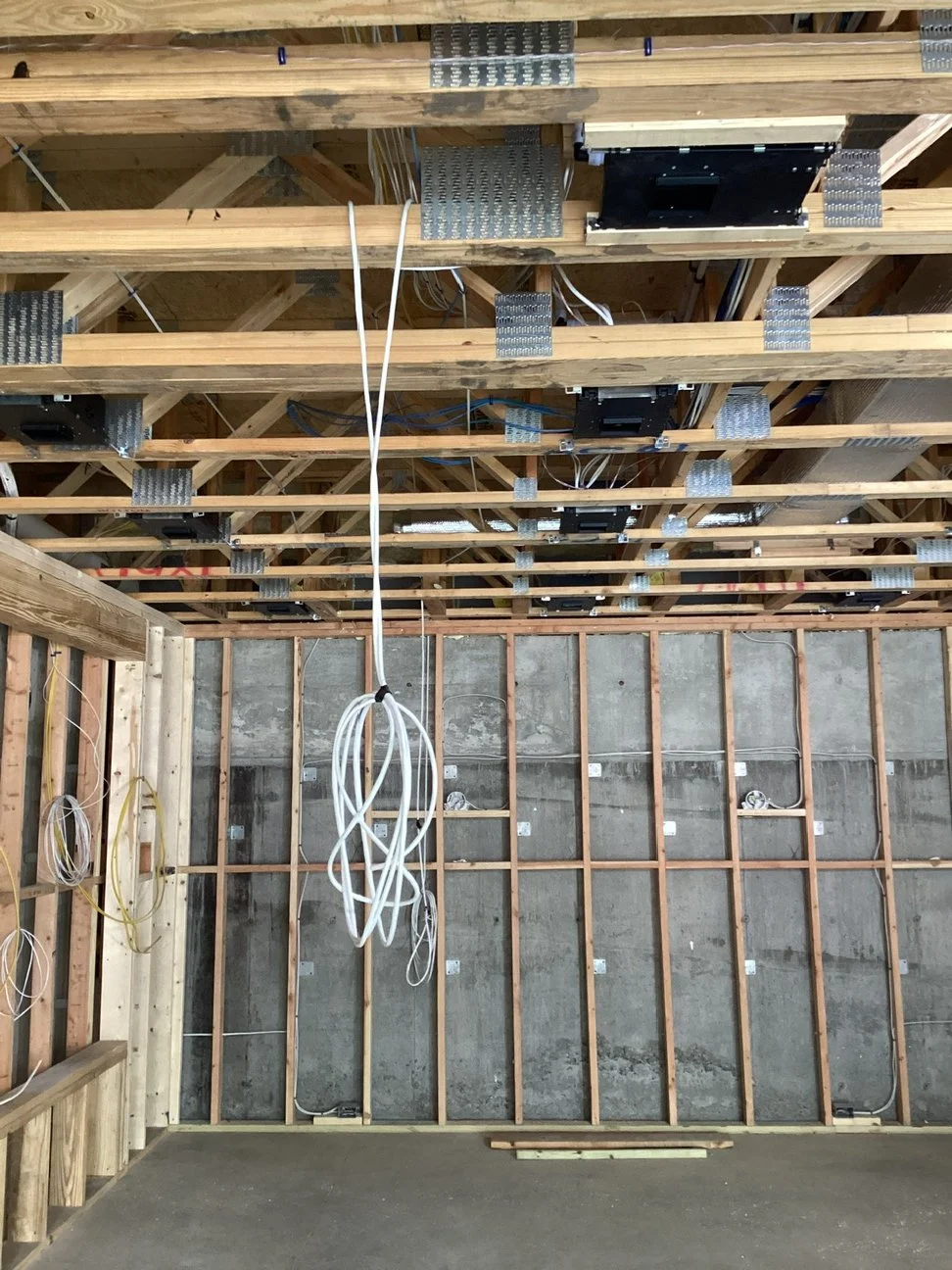
New construction implementation
How Budgets Are Usually Allocated
In new construction, budget is often allocated across both infrastructure and visible devices. Wiring, rack space, lighting control panels, networking, speakers, shades, outdoor AV, and control interfaces can be planned together as part of the build.
In retrofit projects, budget allocation is usually more targeted. Homeowners may prioritize Wi-Fi, security, media spaces, lighting control, or a few key rooms rather than a whole-home system.
More of the budget may also go toward labor, access, and adaptation rather than equipment alone.
The best investment is not always the broadest system. It is the one that fits the home, the stage of the project, and the way the client wants to live.
Final Thought
New construction offers flexibility. Retrofit requires selectivity.
Both can produce an excellent result when the scope is defined thoughtfully and the technology plan is aligned with the home from the start.
If you are building, renovating, or rethinking technology in an existing home, bring HTE into the conversation early. The sooner planning begins, the more coordinated and predictable the outcome tends to be.
Frequently Asked Questions
Is it easier to install home technology during new construction?
Yes. New construction offers the most flexibility because wiring, equipment locations, lighting control infrastructure, and networking can be planned before walls are closed.
Early coordination typically results in a cleaner installation, fewer compromises, and a more reliable long-term system.
Can an existing home still be upgraded successfully?
Absolutely.
Many retrofit projects deliver excellent results, especially when the scope is aligned with the home itself. The key is identifying what makes sense for the space, the level of access available, and how the technology will actually be used day to day.
Why do retrofit projects often cost more?
In a finished home, installation is usually more labor-intensive.
Even relatively simple upgrades may involve opening walls, working around existing electrical conditions, relocating equipment, or finding practical pathways for wiring and wireless coverage.
The equipment may be similar to a new construction project. The installation effort usually is not.
When should I involve the technology team in a new build?
As early as possible.
Technology planning should happen during the design and coordination phase, not after construction is underway. Early involvement helps align infrastructure, lighting, millwork, and equipment locations before decisions become difficult or expensive to change.
Is it too late to plan technology after construction starts?
Not necessarily, but options become more limited as the project progresses.
The earlier planning begins, the easier it is to coordinate wiring, lighting control, networking, and equipment placement cleanly and efficiently.
What types of systems are easiest to add during a renovation?
Renovations create valuable opportunities for infrastructure improvements, especially when ceilings, walls, or millwork are already being opened.
Networking, lighting control, audio systems, security, motorized shades, and hidden wiring are often much easier to address during renovation work than after finishes are complete.
Do I need a whole-home system to improve the experience?
No.
Many projects focus on a few key priorities rather than a fully integrated system. Reliable Wi-Fi, better lighting control, improved media spaces, or simplified control in primary rooms can often make a meaningful difference without expanding beyond what the home actually needs.
What is the biggest difference between new construction and retrofit planning?
New construction is primarily about coordination and future flexibility.
Retrofit planning is more about selectivity, access, and working within the realities of the existing home.
Both require thoughtful planning. The process simply changes based on the stage of the home.
How do you avoid overcomplicating the system?
By focusing on how the home is actually used.
The goal is not to add as much technology as possible. It is to create systems that feel intuitive, reliable, and practical to live with long-term.
Can HTE work alongside architects, builders, and interior designers?
Yes.
Coordination is a central part of successful technology planning. HTE regularly works alongside architects, builders, electricians, lighting designers, and interior designers to help keep systems aligned with the broader goals of the home.
What should homeowners prepare before the first consultation?
It helps to understand the priorities for the home.
That may include entertainment spaces, lighting control, networking, security, outdoor areas, motorized shades, or general ease of use. Floor plans, renovation drawings, or project timelines are also useful if available.
What happens if technology needs change later?
A well-planned system should allow for adaptation over time.
Part of long-term planning is creating infrastructure that can be serviced, expanded, or adjusted without rebuilding the entire system later.