
Micro RGB TVs, Explained
By Rhys Wescott
Micro RGB TVs in 2026: Why Sony and Samsung Are Betting on the Next Evolution of Television
You may have started hearing the term Micro RGB attached to some of the newest televisions from Sony and Samsung without being entirely sure what changed. The name makes it sound like an entirely new display technology, but it is better understood as the latest stage in a technology that has been evolving for more than forty years.
The basic architecture of an LCD television is still recognizable: create light behind an image-forming layer, then control how much of that light reaches the viewer. What has changed enormously is the quality of that light, how precisely it can be controlled, and the processing available to manage the image.
There is also a business story behind the technology. Sony and Samsung are not choosing display architectures in a vacuum. Panel suppliers, manufacturing capacity, screen-size economics and control over the most valuable parts of the product all influence where the industry invests. Micro RGB is interesting because those business pressures now line up with some very real performance advantages.
For a finished home, the right display is part of a larger home theater or audio/video system, not an isolated purchase. Room light, viewing distance, speaker placement, control and source quality deserve to be decided together—especially in a Hamptons theater or Manhattan media room where access and installation constraints can be just as consequential as the panel itself.
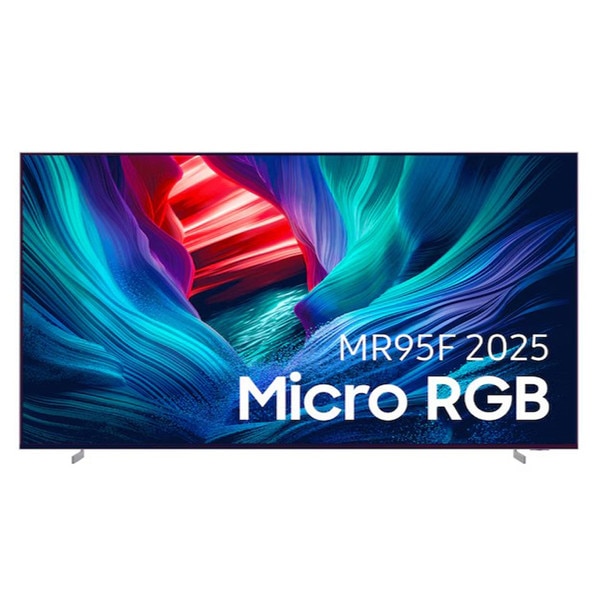
How We Got Here
Modern flat-panel displays fall into two broad groups. A transmissive display creates light behind the image. The LCD layer does not emit light; it controls how much of the backlight passes through each part of the picture. LCD, LED, QLED, Mini LED and Micro RGB televisions all belong to this family.
An emissive display creates the image and the light in the same place. Each OLED or true MicroLED pixel produces its own light, allowing an individual pixel to turn completely off when the picture calls for black.
The development of premium LCD television has largely been a forty-year effort to address the weaknesses of the transmissive approach without giving up its advantages in efficiency, brightness, manufacturing scale and screen size.
Looking at a few milestone products makes the progress easier to appreciate. The inflation-adjusted numbers below are approximate 2026 dollars.
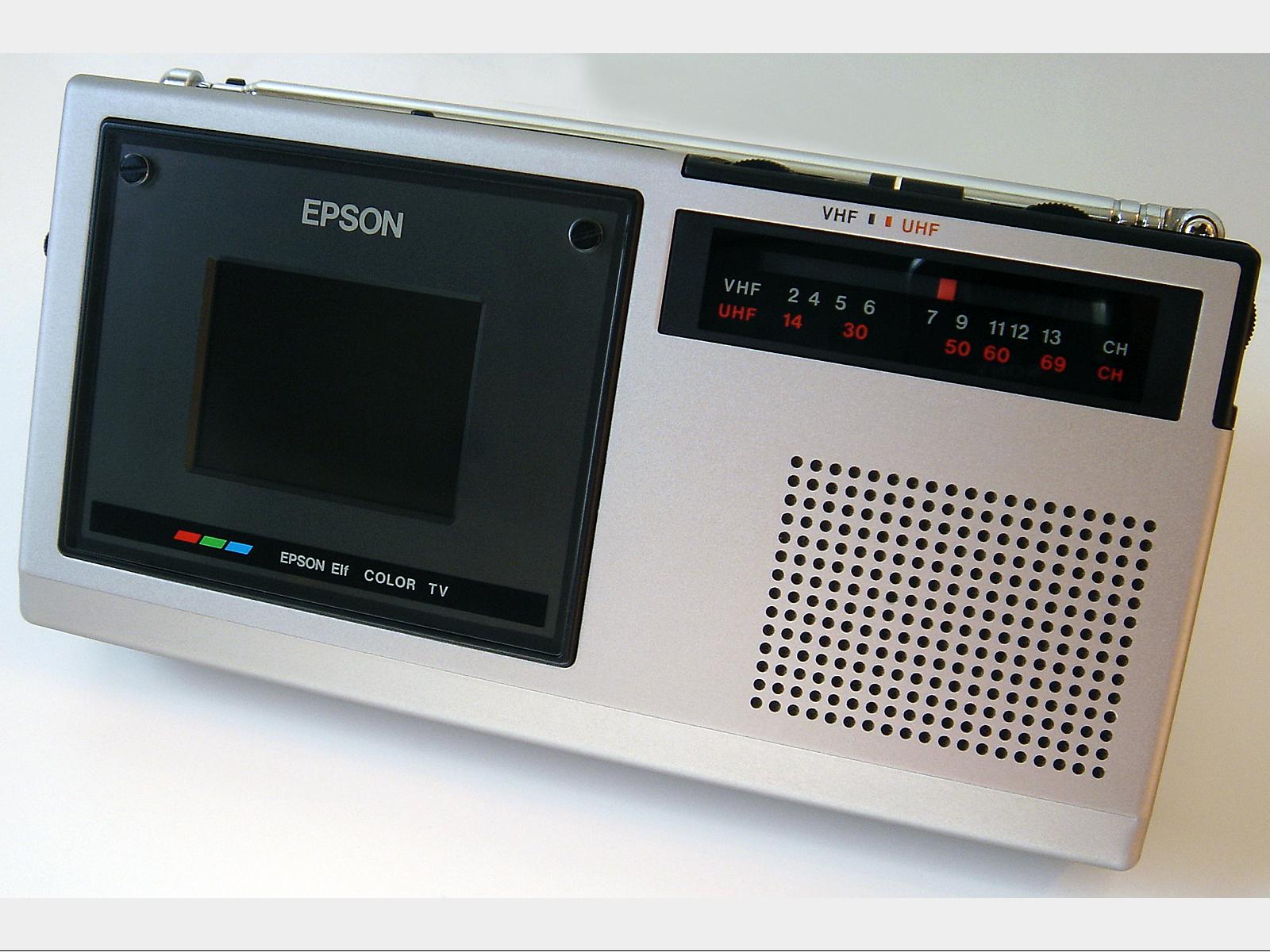
1984 — Epson ET-10 / Epson Elf, 2 inches: about $500, or roughly $1,600 today. Epson’s tiny color television was the first commercial application of a color TFT LCD television display. Its fluorescent backlight illuminated a two-inch image with just 52,800 pixels. The underlying idea is still recognizable today: a separate light source shining through a liquid-crystal image layer.
The large flat-panel plasma market most people remember did not yet exist.
1997 — Philips 42PW9962 plasma, 42 inches: $14,999, or roughly $31,300 today. Plasma showed what a flat television could become. Philips sold the 42-inch set in the United States for nearly $15,000 including installation. For the first time, a buyer could put a genuinely large, thin television on a wall.
Plasma also established the benchmark LCD would spend the next decade chasing. Its emissive cells delivered strong motion, wide viewing angles and good contrast at sizes early LCD manufacturers could not produce economically. Plasma’s weaknesses were more practical: substantial power consumption, heat, weight and a manufacturing path that did not fall in cost as quickly as LCD.
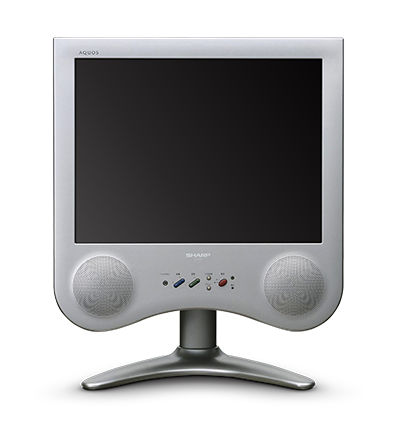
2001 — Sharp AQUOS, 20 inches: about $4,000, or roughly $7,600 today. Sharp’s early AQUOS televisions helped move LCD from portable displays and computer monitors into the living room. The 20-inch model was only about two inches deep and consumed substantially less power than plasma.
The picture was not yet better than the best plasma, but LCD was lighter, cooler, more efficient and easier to manufacture in a broad range of sizes. Those characteristics eventually mattered more to the mass market than plasma’s early picture-quality advantage.
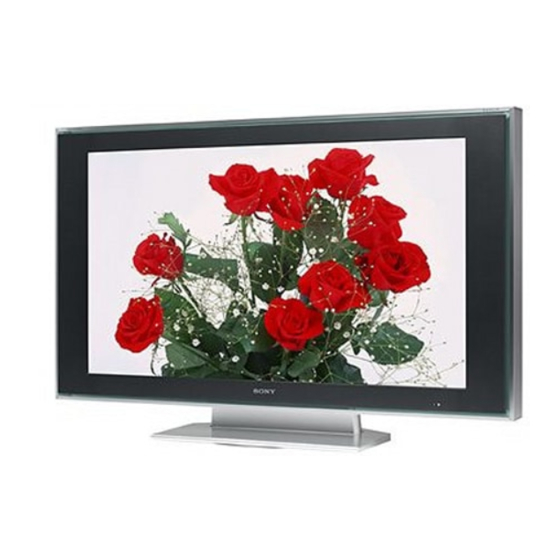
2004 — Sony QUALIA 005, 46 inches: about $10,000, or roughly $17,700 today. Sony replaced the conventional fluorescent backlight with separate red, green and blue LEDs.
That makes the QUALIA particularly interesting in 2026. Sony was experimenting with an RGB LED backlight more than twenty years ago. The LEDs were far larger, there were far fewer controllable areas, and the processing available to manage the system was primitive compared with today’s televisions, but the underlying concept was already there.
2008 — Sony BRAVIA XBR8, 46 inches: about $4,700, or roughly $7,300 today. Sony moved RGB LEDs directly behind the panel and combined them with local dimming. Different sections of the backlight could now brighten and darken independently instead of illuminating the entire LCD at one level.
That greatly improved black levels, but it also exposed a problem that remains relevant today. A backlight zone is much larger than a pixel. Put a small bright object against black and some of the surrounding area can glow. We now call that blooming.
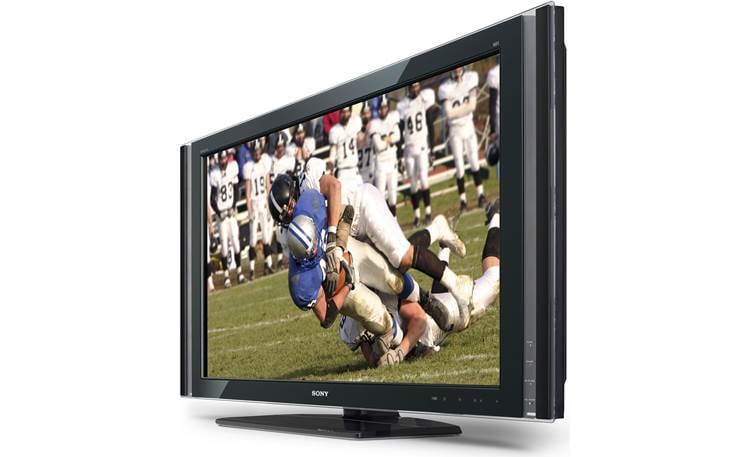
2009 — Samsung UN46B7000, 46 inches: about $3,000, or roughly $4,700 today. Samsung moved the LEDs to the perimeter of the display and used a light guide to spread illumination across the panel. The result was a television dramatically thinner than the full-array sets of the period.
Edge lighting was an enormous commercial success because consumers could immediately see the benefit. TVs suddenly looked better on a wall. Picture quality paid the price because precise local control is difficult when the light illuminating the image originates at the edge of the screen.
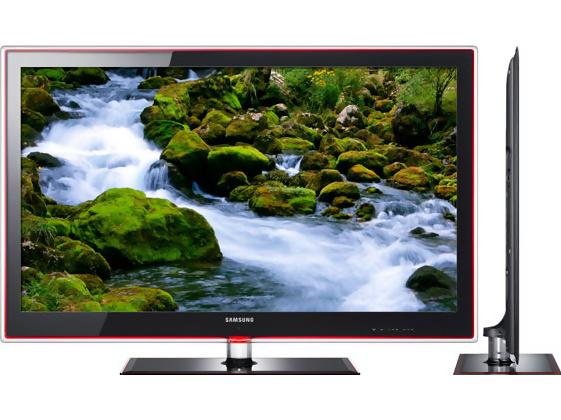
The Samsung Frame is a good modern example of why edge lighting never disappeared. Even the 2026 Frame Pro remains edge-lit despite a $1,999.99 MSRP for the 65-inch model. Buyers are paying for Art Mode, the matte display, the flush installation, customizable bezels and the overall physical design of the product. For that customer, those characteristics can matter more than having the most advanced backlight Samsung makes.
2013 — LG 55EA9800 OLED, 55 inches: $14,999, or roughly $21,600 today. OLED approached the problem from the other direction. Rather than continuing to improve the backlight, LG eliminated it.
Each OLED pixel generated its own light and could shut itself completely off. Perfect black levels, excellent viewing angles and very fast pixel response became inherent characteristics of the panel rather than effects a local-dimming algorithm had to approximate.
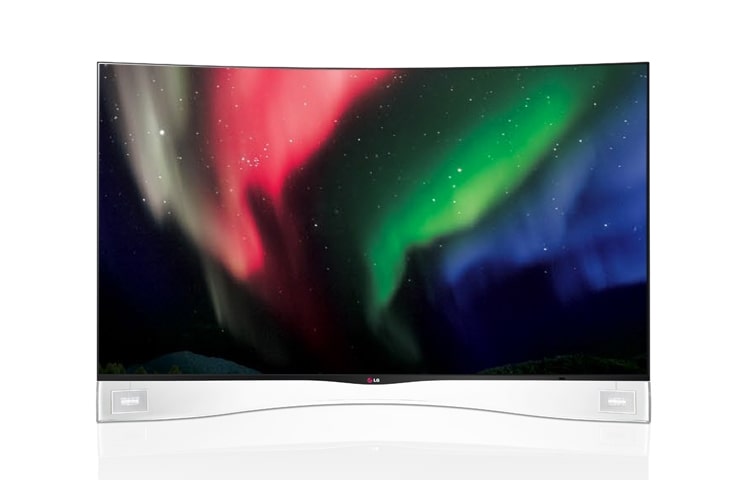
OLED became the reference against which premium LCD televisions were judged, especially for film viewing.
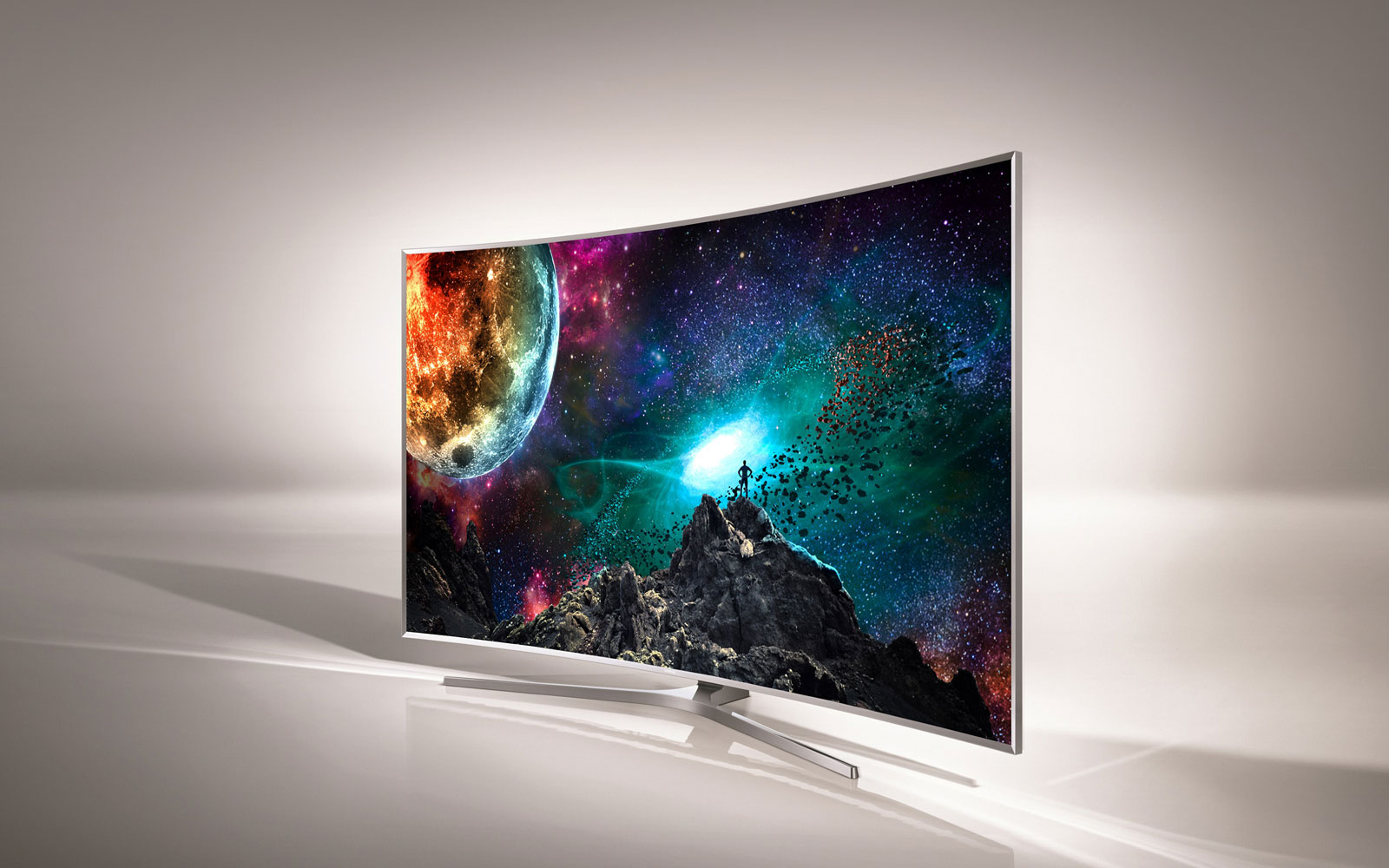
2015 — Samsung JS9500 SUHD, 65 inches: about $8,000, or roughly $11,300 today. Samsung pushed another part of the LCD system forward with quantum dots. Instead of focusing only on how bright the backlight could get, quantum-dot technology improved the purity and range of colors the display could reproduce.
A television can produce a very bright white while struggling to produce an equally bright, saturated red or green. As luminance increases, some colors begin washing toward white. That is the basis of color volume, a concept that becomes particularly important with Micro RGB.
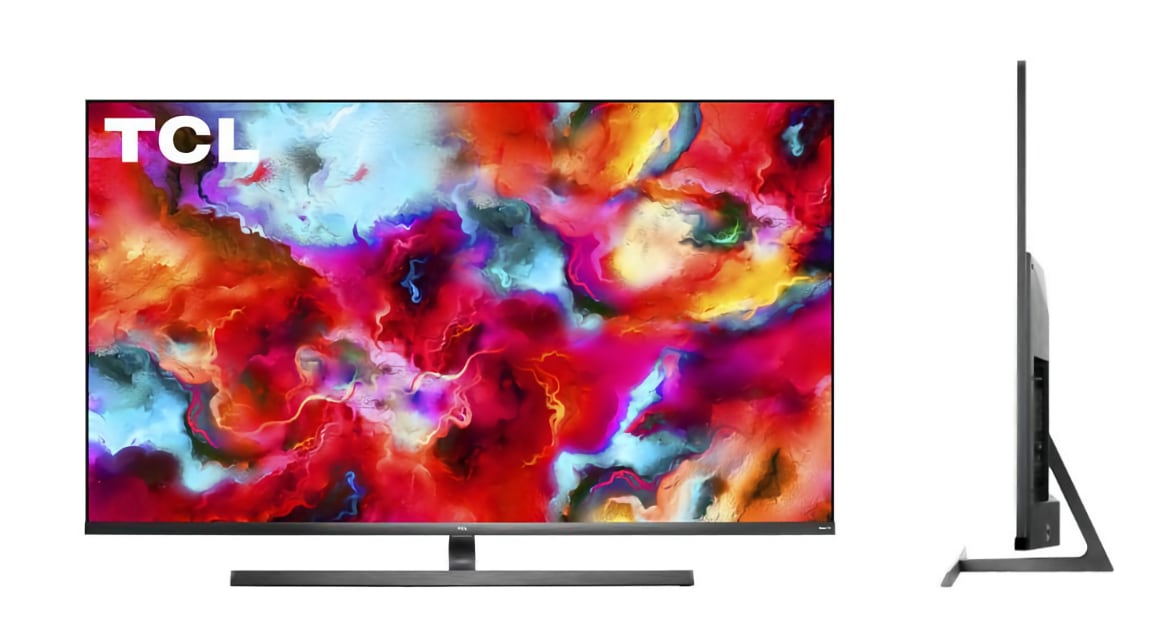
2019 — TCL 8-Series Mini LED, 65 inches: $1,999.99, or roughly $2,600 today. TCL made the backlight LEDs much smaller and used many more of them. More lights meant more dimming zones, allowing the backlight to follow the image much more closely.
Mini LED reduced blooming, improved black levels and allowed extremely high HDR brightness. Premium LCD engineering was increasingly about precision: smaller LEDs, more zones and better algorithms controlling them.
2025 — Samsung 115-inch Micro RGB: $29,999.99, or roughly $31,200 in 2026 dollars. The backlight is no longer only controlling where the image is bright or dark. Microscopic red, green and blue light sources allow the television to control the color of the backlight as well.
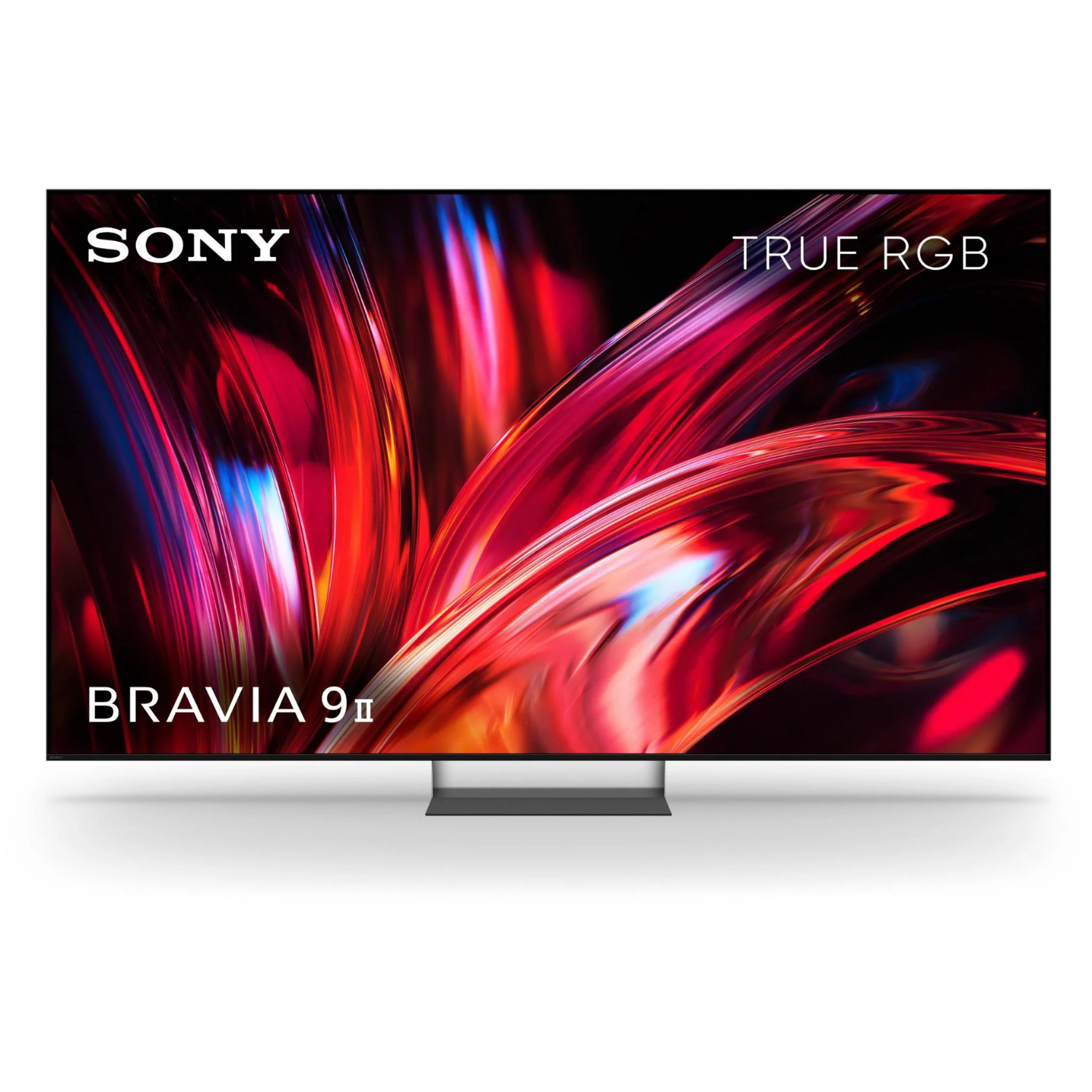
Samsung’s 2026 Micro RGB range now extends all the way down to a $1,599.99 55-inch R85H. Sony’s True RGB technology appears in both the Bravia 7 II and Bravia 9 II families, covering screen sizes from 50 through 115 inches.
A technology that once required a $10,000 46-inch QUALIA is now being applied to a 55-inch television for well under $2,000. The biggest advances have come from shrinking the light sources, increasing the number that can be controlled, and giving the processor vastly more information and computing power to manage them.
Where Micro RGB and OLED Actually Differ
The old shorthand of LED for bright rooms and OLED for dark rooms is much less useful than it was a few years ago. Current premium OLEDs produce enough light for most normal living spaces, while premium transmissive displays have improved their black levels enormously.
The room still matters. A television directly opposite a wall of windows faces a different problem than one sitting in a room with controlled daylight. Reflections on the screen and the amount of ambient light falling around it affect perceived contrast, regardless of what peak-brightness number appears on the specification sheet.
Micro RGB’s more interesting advantage appears when high brightness and strong color saturation happen at the same time.
A display may be capable of an extremely bright white highlight while losing saturation when asked to produce a very bright red, green or blue. Micro RGB addresses that limitation at the light source. Instead of starting with essentially white or blue light and relying on later optical layers to create all of the final color, the backlight can generate red, green and blue light itself.
OLED still has an architectural advantage at black. A black OLED pixel simply turns off. A transmissive television has to prevent light from behind the LCD from reaching the viewer. Modern local dimming can do that extremely well, but difficult scenes can still reveal blooming or interaction between neighboring bright and dark objects.
OLED also offers naturally excellent off-axis viewing and very fast pixel response. Micro RGB counters with greater high-brightness color capability and a much easier path toward very large displays.
Burn-in is an OLED-specific consideration in this comparison. Because OLED pixels use organic emissive material, permanent image retention remains physically possible when the same static content is displayed for extreme periods. Modern OLED materials, pixel-shifting systems, screen savers and other protection mechanisms have reduced the practical risk substantially. For normal residential viewing, we would not make burn-in a deciding factor between a current OLED and Micro RGB television.
Gaming creates a more meaningful split because Sony and Samsung have made different choices.
Samsung’s 2026 R95H supports refresh rates up to 165 Hz and offers four high-bandwidth HDMI 2.1 inputs. Sony’s Bravia 9 II tops out at 4K/120 Hz and provides two full-bandwidth HDMI 2.1 inputs.
Sony builds the PlayStation and includes PlayStation-specific HDR and game-mode integration in its televisions. Its broader image processing also remains one of the company’s strengths. A system centered on films and a PS5 plays into Sony’s priorities. A gaming PC, Xbox or multi-console system makes Samsung’s higher refresh rate and additional HDMI bandwidth more useful.
Size eventually overwhelms the subtler differences. OLED remains competitive through conventional premium TV dimensions. Once the discussion reaches 115 inches, there is currently no equivalent consumer OLED to place beside the Sony or Samsung.
Why Sony and Samsung Have Business Reasons to Push Micro RGB
The premium OLED television business has an unusual supply chain.
LG Electronics competes against Sony and Samsung at retail, while LG Display has simultaneously been the dominant manufacturer of large WOLED television panels used throughout the industry. Samsung Display provides another important OLED architecture through QD-OLED, and Sony has purchased OLED panels from both companies.
The panel is only one part of a finished television. Sony’s processing, tone mapping, motion handling, picture controls and implementation can make a Sony OLED behave very differently from another television built around a related panel. Those differences are a large part of why we have historically favored Sony displays.
The supply relationship still puts one of the most important pieces of hardware inside a flagship Sony OLED in the hands of another display manufacturer.
RGB-backlit LCD gives Sony more direct influence over the light engine itself. Backlight design, local-dimming algorithms, color management, thermal engineering and image processing can all be developed around one another instead of Sony doing most of its differentiation after receiving a finished OLED panel from a supplier.
Samsung has a different set of incentives. Samsung Display already manufactures QD-OLED panels, while Samsung Electronics participates in the much larger LCD manufacturing ecosystem. Micro RGB gives Samsung another route into very large premium displays without depending exclusively on the manufacturing economics of emissive OLED panels.
OLED can remain a strong product category while Sony and Samsung move more of their largest, most ambitious televisions toward RGB-backlit LCD.
Sony and Samsung Are Already Using Micro RGB Differently
Micro RGB is becoming a category name rather than a standardized implementation.
Sony calls its version True RGB. Samsung uses Micro RGB. Both generate red, green and blue light behind an LCD layer, but the processor has to decide what those LEDs should do from frame to frame.
With an ordinary Mini LED backlight, the local-dimming system is primarily solving a luminance problem: how bright should each zone be? An RGB backlight adds another variable. The processor is simultaneously deciding how bright the zone should be and what mixture of red, green and blue light it should produce.
Sony’s Bravia 9 II reflects the company’s traditional emphasis on processing. The 65-inch model has a $3,599.99 list price, and the lineup extends through 115 inches. Sony describes the independently controlled RGB LEDs as a way to combine an extremely wide color range with Mini LED-level brightness.
Sony also gives the processing system another option when RGB control becomes difficult. Professional picture controls expose RGB and white-backlight behavior, and independent testing has shown situations where the television can move toward white-light operation rather than forcing the RGB system to remain fully separated under every condition.
Samsung appears to approach the same problem differently. Its R95H can reproduce an extremely wide color range, but independent testing has found cases where small bright white areas can influence neighboring saturated colors.
We have not found enough reliable evidence to state that Samsung routinely and invisibly switches its RGB backlight into a white-backlight mode. Until that behavior can be documented more clearly, the useful comparison is what can actually be measured in the finished image rather than trying to infer undocumented decisions inside the processing.
Pricing shows how quickly RGB backlighting is moving beyond halo products. Samsung’s R85H starts at $1,599.99 for 55 inches, while its 65-inch R95H is $3,199.99 and the 85-inch R95H is $6,499.99. Sony’s Bravia 7 II brings True RGB below the flagship tier, with a 55-inch list price of $2,099.99 and sizes through 98 inches. Bravia 9 II occupies the higher tier.
For movie and mixed viewing, our current preference leans toward Sony. Processing is a large part of that. Samsung makes a stronger argument for a gaming-heavy system where 165 Hz support and four HDMI 2.1 connections have tangible value.
At 115 Inches, the Rules Change
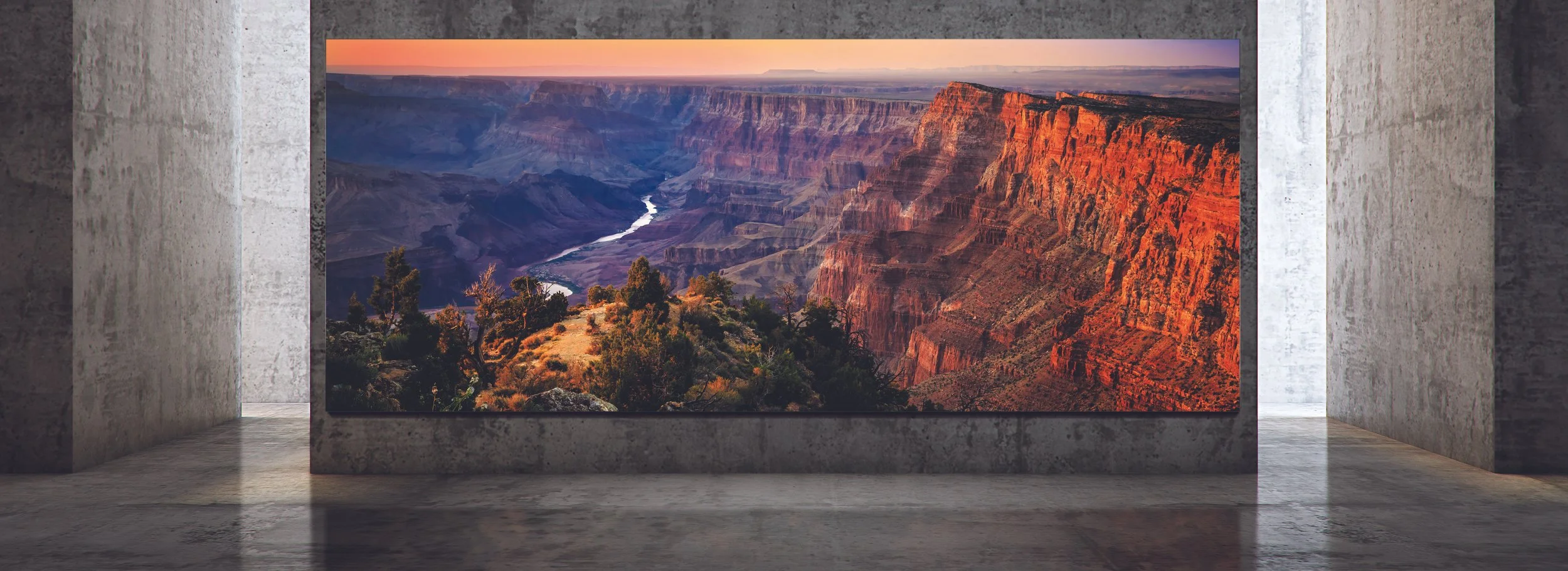
A 115-inch television begins competing with completely different display systems. OLED currently drops out of the conversation, leaving a one-piece Micro RGB television, projection or a modular LED video wall.
One of the first questions on a real project is simply whether the display can reach the room.
A 115-inch television may fit perfectly on a basement wall and still be impossible to carry downstairs because of one 90-degree turn. In an apartment, the limiting dimension may be the freight elevator, the corridor outside it or the turns between the service entrance and the residence.
Projection screens can present the same problem, but not because the finished frame is rigid. The screen material is typically shipped rolled, and the length of that roll or motorized housing can become the obstruction.
A 200-inch 2.40:1 scope image is about 184.6 inches wide—roughly 15 feet 5 inches—before allowing for the roller, housing, packaging or hardware. At that size, a screen assembly can easily approach or exceed 16 feet in shipping length. We have had projects where a large rolled projection screen could not fit into a building’s elevator or negotiate the turns in a staircase and had to be craned through a window.
A modular LED wall avoids that problem because the display enters the building in smaller pieces and is assembled in the final location.
Samsung’s The Wall is the obvious branded example. The broader video-wall category works on the same principle: many smaller LED modules combine to create one large direct-view image.
Video walls can also exceed conventional television dimensions, accommodate unusual aspect ratios and produce enormous light output in spaces where projection would struggle. The modules can fit into normal elevators and service corridors that would never accept a 115- or 130-inch television.
The tradeoffs are cost and complexity. Fine-pitch LED is an engineered display system rather than a giant appliance. Pixel pitch has to suit the viewing distance. Power and heat become meaningful considerations. Processing, mounting tolerances, calibration and service access all need to be planned.
Projection remains attractive for different reasons.
If we were building a dedicated theater with room for a 200-inch scope screen, we would still choose projection over a 115-inch television.
An acoustically transparent projection screen allows the left, center and right speakers to sit behind the picture at the correct height. Voices can come from the image instead of from a center speaker forced above or below an enormous television. As the screen gets larger, that speaker-placement advantage becomes more important.
Projection also has a different visual character. The image is reflected from a screen instead of emitted directly toward the viewer through a display surface. In a properly controlled theater, many viewers find that reflected image more natural over the course of a full film.
And there is still no practical television equivalent to a 180- or 200-inch image.
Where projection gives up ground is ambient-light performance and HDR intensity. A 115-inch Micro RGB television in a family room or entertainment space can produce brightness, black level and color impact with the lights on that a conventional projection system cannot match.
When Consumer TVs Start to Overlap With Professional Displays
Professional mastering monitors give some useful context for how much display capability has become available in consumer products.
A mastering monitor exists because someone making final color decisions needs a known reference. Uniformity, repeatability, calibration behavior, signal handling and predictable luminance matter more than screen size.
Those requirements make professional monitors extraordinarily expensive.
Sony’s BVM-HX3110 is a 30.5-inch 4K HDR mastering monitor capable of roughly 4,000 nits. Current U.S. dealer pricing is around $42,000-$47,000.
Flanders Scientific’s 31.5-inch XMP310 is $12,495, while its 65-inch XMP651 lists at $23,995.
A 65-inch Sony Bravia 9 II costs $3,599.99.
Those products are not interchangeable. The professional monitor is being sold as a calibrated reference instrument, not as a large television. A Bravia should not be used to master a feature film simply because its peak brightness or color gamut begins to resemble specifications found on professional displays.
Architecture and interior-design firms review paint selections, fabrics, stone, millwork finishes, lighting concepts and design presentations with clients. Photographers and filmmakers present completed work at large scale. Advertising and branding teams may need to review work where color relationships actually matter.
Anyone who regularly qualifies a presentation by saying “the color will look different in real life” has a reason to care about better color reproduction.
A screen cannot make an illuminated image identical to physical paint, stone or fabric. Material texture, reflected light and the lighting in the room will always affect how a physical sample appears. A high-quality Micro RGB display can at least reduce the display itself as a source of color error while providing a screen large enough for several people to review together.
Better Displays Make the Source More Important
For most people, video starts with streaming.
The simplest source is the operating system built into the television: Google TV on Sony, Tizen on Samsung, webOS on LG and similar platforms. Netflix, Disney+, Max, YouTube and the other major services can run directly on the TV without another box.
An external streamer such as an Apple TV 4K or Roku moves those applications onto dedicated hardware. Differences in interface, app behavior, frame-rate matching, audio support and overall reliability can make one approach preferable to another, but the underlying movie or show still comes from the same streaming service.
That service has to compress video enough to deliver it reliably to millions of homes over wildly different internet connections. Modern codecs are remarkably efficient, but compression can still affect fine texture, gradients, shadow information and subtle color transitions.
The next step up in source quality includes physical 4K Blu-ray, downloaded movie systems and local movie servers, where substantially more video data can be preserved.
Kaleidescape is one example. Its films are downloaded before playback rather than dynamically streamed, allowing much higher video bitrates and lossless audio. The newer Strato E also brings the platform into a lower price tier than previous Kaleidescape players.
Further down the rabbit hole are things like HDMI bandwidth, bit depth and how much color information is preserved in the video signal. Those subjects deserve their own article rather than a lengthy diversion here.
For the purposes of Micro RGB, one principle is enough: every component between the file and the screen has to preserve the information you expect the television to display.
The TV can still help. Good processing can upscale, reduce compression artifacts, smooth gradients and make educated guesses about missing image information. Sony has traditionally been especially strong here.
Processing can improve a compromised source. It cannot turn a heavily compressed stream back into the original master.
For homes that share a premium source across several rooms, it is also worth considering when video distribution still makes sense. In many projects, a local Apple TV at each display remains the simplest choice; the right answer depends on how the home is used.
Plan a Home Theater Consultation
Where the Premium Large-Format Market May Go Next
OLED is not about to disappear. It is mature, its picture quality is excellent, pricing continues to improve and pixel-level black remains a real advantage.
The more interesting question is whether OLED remains the default reference technology at the top of the large-format premium market ten years from now.
Micro RGB has several structural advantages as screens become larger. It can build on an enormous LCD manufacturing ecosystem, produce very high brightness without giving up saturated color, and scale into dimensions where large OLED panels become increasingly difficult and expensive to manufacture.
It also gives manufacturers more opportunities to differentiate the finished television through their own backlight hardware and processing rather than competing around a relatively concentrated supply of premium OLED panels.
Edge-lit LCD is a useful example of how this kind of transition can happen without an older technology disappearing. Samsung still sells a 65-inch Frame Pro for $1,999.99 using an edge-lit architecture because that product is being purchased for reasons beyond maximum picture quality. Its design, matte screen, Art Mode and flush installation justify the product for the customer it was built for.
OLED can remain an excellent choice in exactly the same way without necessarily remaining the architecture used for the largest and most ambitious televisions.
The RGB products shipping now are still early. LED packages will get smaller, control will become more precise, processors will get better and manufacturing costs should continue to fall.
In 2001, a 20-inch LCD cost about $4,000. In 2026, Samsung can sell a 55-inch Micro RGB television for $1,599.99.
Talk Through Your Display Options
Frequently Asked Questions
Is Micro RGB the same as MicroLED?
No. Micro RGB uses red, green and blue LEDs as a backlight behind an LCD panel. True MicroLED uses microscopic LEDs as the pixels that create the image. Micro RGB is transmissive; MicroLED is emissive.
Is Micro RGB still an LCD television?
Technically, yes. The image is still formed by an LCD layer. The major advancement is the RGB light source behind it and the precision with which that light can be controlled.
Is Micro RGB better than OLED?
Not in every respect. OLED retains advantages in perfect black, viewing angle and pixel response. Micro RGB can provide higher brightness and color volume and has a clearer path to very large screen sizes. At conventional TV sizes, both can be excellent. Once the discussion reaches 115 inches, there currently is no comparable consumer OLED.
Is burn-in an issue with Micro RGB?
No. Burn-in in this comparison is an OLED concern because OLED uses organic self-emissive pixels. Modern OLED televisions have multiple protection systems, so permanent image retention is uncommon under normal residential viewing. The possibility remains under extreme static-content use, but it would not be our primary reason to avoid a modern OLED.
Which is better in 2026, Sony or Samsung Micro RGB?
The two brands emphasize different strengths. Sony’s Bravia 9 II places more emphasis on processing, movie reproduction, Dolby Vision and PlayStation integration. Samsung’s R95H offers up to 165 Hz refresh rates and four high-bandwidth HDMI inputs, making it especially attractive for a gaming PC, Xbox or multi-console installation. For movies and mixed viewing, we currently lean toward Sony. A gaming-heavy system can make a strong case for Samsung.
Should I buy a 115-inch Micro RGB TV or a projector?
A large Micro RGB TV is brighter, works far better with ambient light and is simpler once installed. Projection can provide a much larger image and allows an acoustically transparent screen with the front speakers positioned behind the picture. For a multipurpose entertainment room, a 115-inch TV can be extremely compelling. For a dedicated theater built around a 150- to 200-inch screen, projection still has important advantages.
When does a video wall make sense?
A modular LED wall becomes attractive when the display needs to be larger than a conventional television, use an unusual aspect ratio, operate in a very bright environment or be installed somewhere a giant one-piece TV cannot physically reach. Freight elevators, staircases, corridors and doorways can determine the display technology before picture quality ever enters the conversation.
Can a Micro RGB television replace a professional mastering monitor?
No. A mastering monitor is a reference instrument designed around repeatability, uniformity, calibration and professional production requirements. The price difference illustrates the distinction. A 30.5-inch Sony BVM-HX3110 can cost more than $40,000, while a 65-inch Bravia 9 II is about $3,600. Micro RGB can still be an excellent professional presentation display for architecture, interior design, photography, film and other businesses where color matters but final mastering is not being performed.
Does source quality matter more with Micro RGB?
Yes. As the display becomes better, limitations in the source become easier to see. Built-in TV apps, Apple TV and Roku all provide convenient access to streaming services, but streamed video remains compressed. 4K Blu-ray, high-quality movie servers and downloaded systems such as Kaleidescape can provide substantially more information to the display. Image processing can improve a weaker source. It cannot restore information that was never present.