
Control4 Vibrant Smart Lighting: What Homeowners Should Know
Control4 Vibrant smart lighting: a simpler way to add color and tunable white light
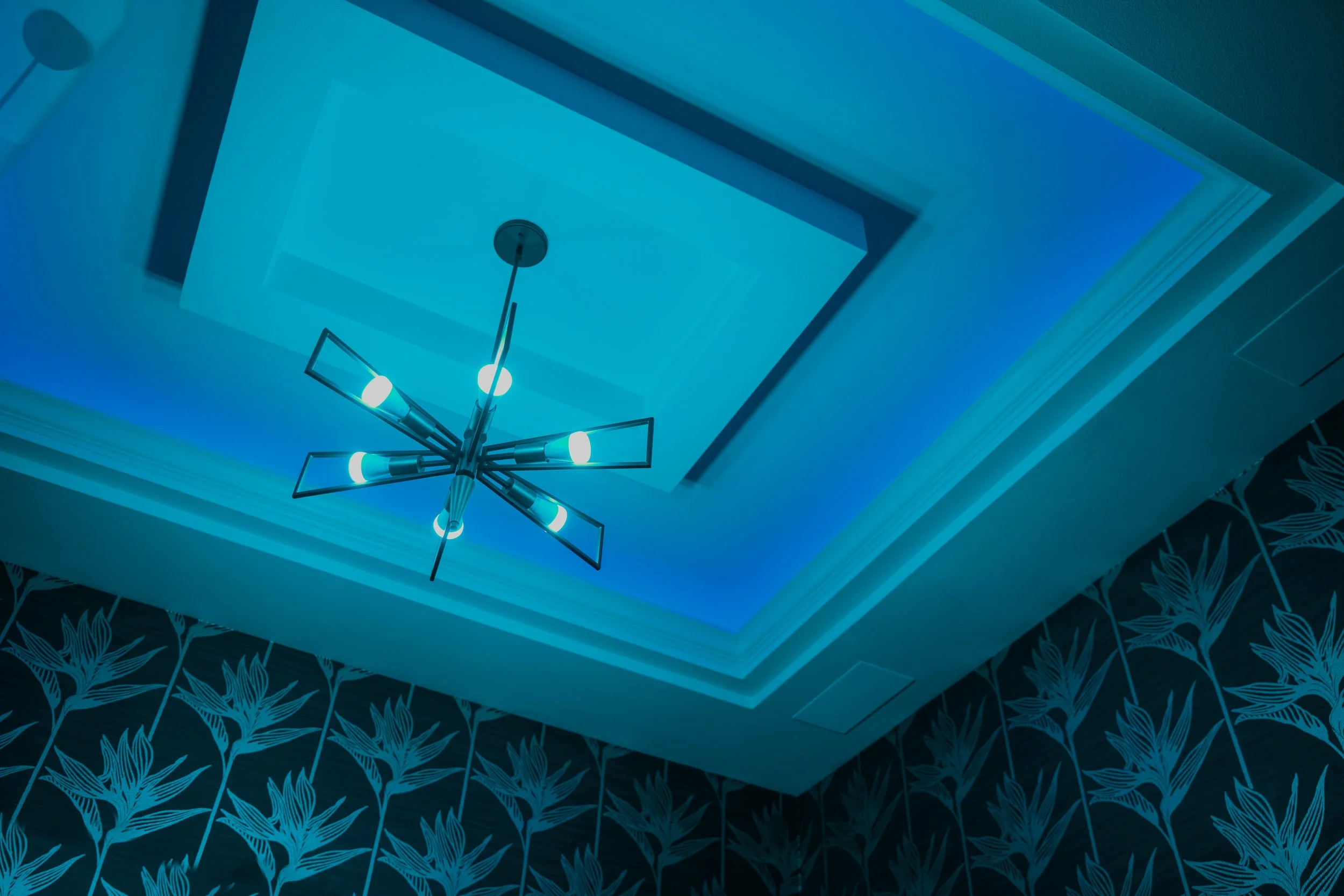
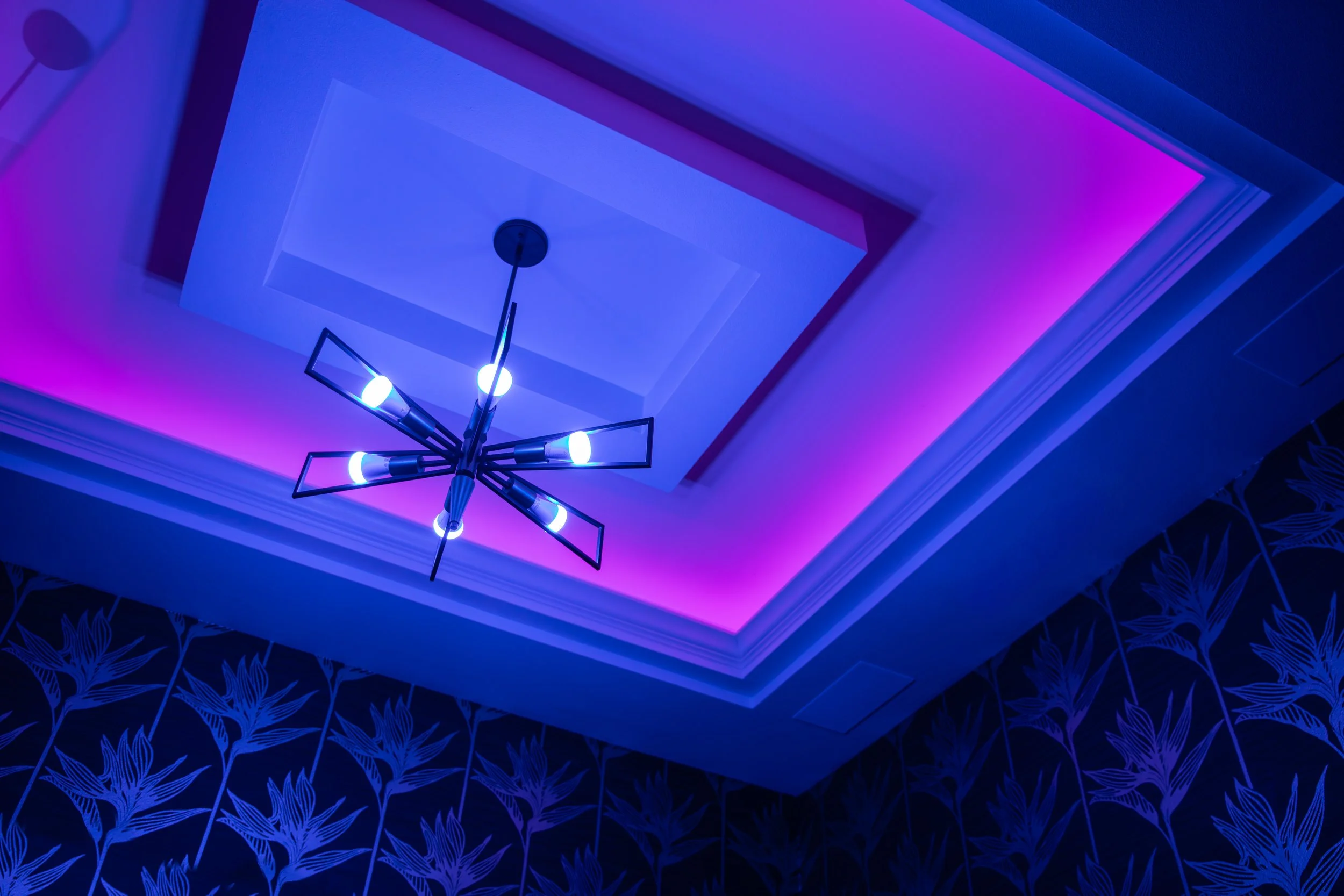
Dynamic lighting can change how a room feels throughout the day. Clear, balanced white light can support morning routines and focused work. Warmer light can soften the transition into evening. Color can bring energy to entertaining spaces, children’s rooms, home theaters, game rooms, and seasonal scenes.
Until recently, adding those capabilities often meant introducing another lighting ecosystem, extra gateways, specialized housings, or remote drivers. Control4 Vibrant smart bulbs and recessed trim lights offer a more direct path for homes already using—or being designed around—a Control4 system.
The appeal is not simply that the fixtures can change color. It is that the lighting can become part of the same thoughtfully programmed experience as the home’s shades, music, entertainment, climate, and security.
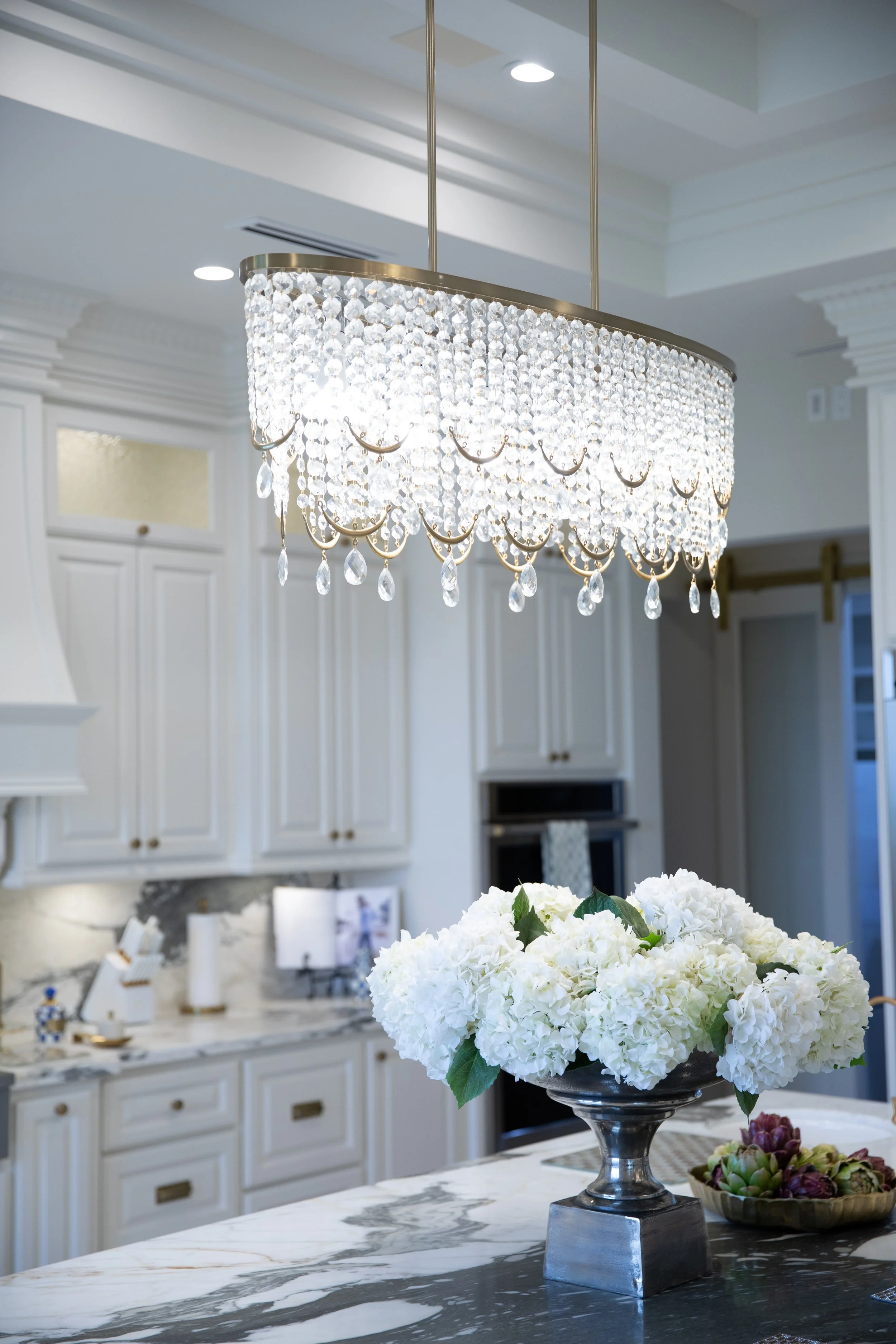
Control4 Vibrant Smart Lighting
What is Control4 Vibrant smart lighting?
Control4 Vibrant is a family of smart bulbs and recessed trim lights designed to provide adjustable white light and color within a Control4 system.
The products use native Control4 Zigbee 3.0 commissioning. For the homeowner, that can mean a cleaner system architecture: there is no separate wireless lighting gateway to operate, no additional lighting app to learn, and fewer layers between the light source and the Control4 experience.
The result is a flexible lighting option that can be controlled from Control4 touchscreens, keypads, remotes, the Control4 app, schedules, and programmed scenes—subject to the design and capabilities of the complete system.
What can dynamic lighting do in a home?
The most useful dynamic lighting is rarely about cycling through dramatic colors. It is about choosing the right quality and character of light for a specific room, activity, and time of day.
Tune white light for the moment
Adjustable white light can move from clearer, cooler tones to warmer, more relaxed illumination. That makes it possible to create purposeful settings for mornings, work, cooking, dining, reading, and winding down at night.
Add restrained color where it belongs
Color can be effective in rooms that benefit from a stronger sense of atmosphere. A media room can take on a subtle cinema setting. A game room can feel more energetic. A bar, lounge, or entertaining area can shift for a gathering without changing the permanent design of the room.
Coordinate lighting with the rest of the home
A Control4 scene can do more than change a lamp. A single command might warm and dim the lights, lower the shades, start a playlist, and prepare the television or theater. This is where dynamic lighting becomes more valuable: it supports an experience instead of behaving like an isolated gadget.
Automate useful changes
Lighting can respond to schedules, occupancy, time of day, or other programmed events. The goal is not constant automation. It is to remove small, repetitive adjustments while keeping manual control clear and predictable.
Why native Control4 commissioning matters
Every separate smart product added to a home can introduce another account, app, gateway, update cycle, and potential point of failure.
Because Vibrant lighting commissions through Control4 Zigbee 3.0, HTE can incorporate it into the larger Control4 plan without adding a separate wireless bridge solely for those lights. That can simplify installation, programming, and day-to-day use.
It also supports a principle we use throughout our projects: each technology decision should make the home easier to live with, not merely add another feature.
Where Control4 Vibrant may fit best
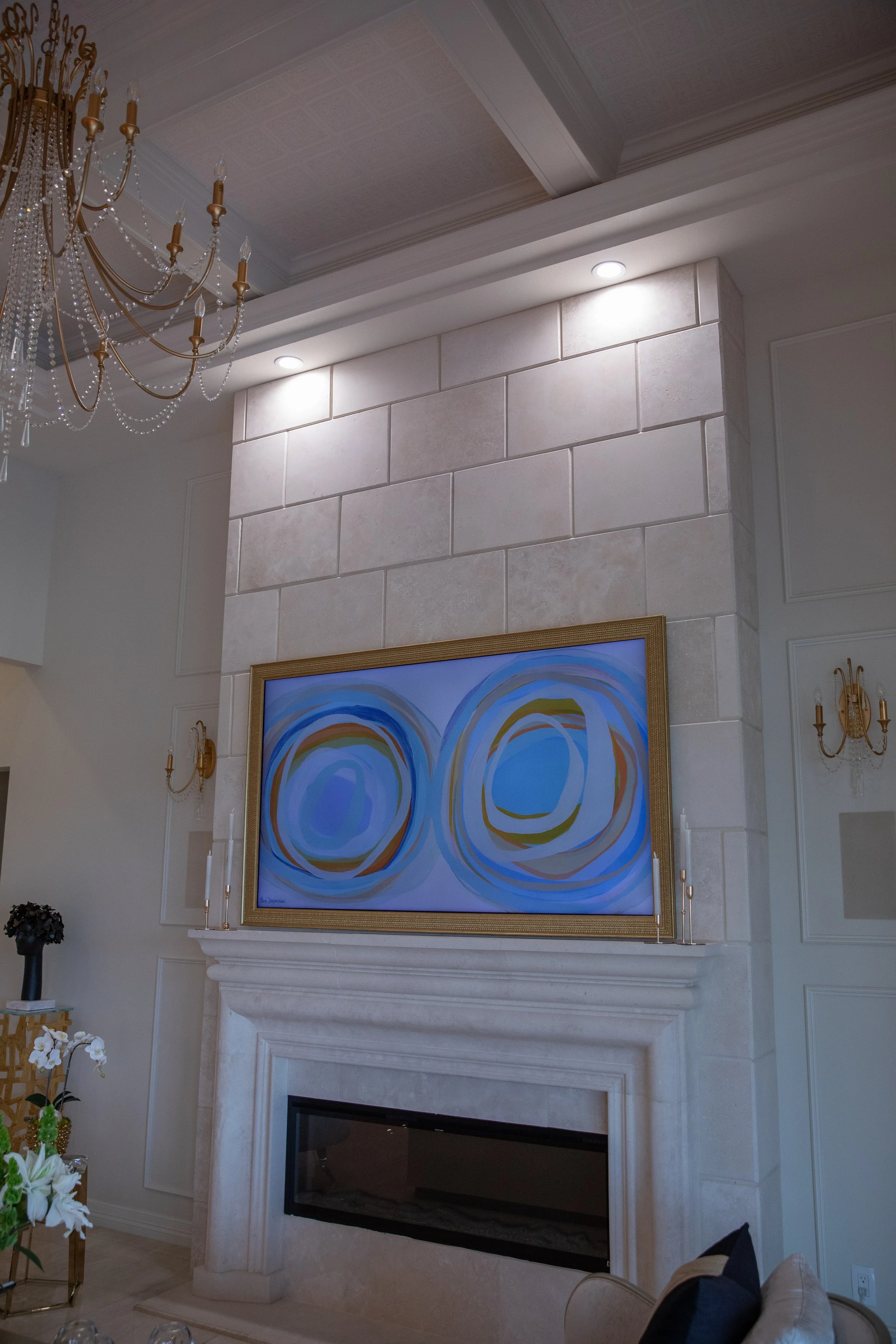
Vibrant smart bulbs and recessed trim lights may be especially useful in:
Bars, lounges, and entertaining spaces
Children’s rooms and playrooms
Home gyms and wellness spaces
Bedrooms where adjustable white light is desirable
Renovations where opening walls or adding remote drivers is impractical
Selected areas of an existing Control4 home that would benefit from dynamic scenes
The strongest application may be a focused one. Not every light in the home needs full color capability, and not every room benefits from the same source, trim, beam, dimming behavior, or control strategy.
Vibrant is an option—not a substitute for lighting design
A smart light source cannot answer every lighting question.
Good residential lighting still depends on fixture placement, beam spread, glare control, ceiling conditions, color rendering, dimming performance, reflected surfaces, artwork, architectural details, and the way a room will actually be used. In a carefully designed residence, decorative fixtures, architectural downlights, linear lighting, lamps, and controlled circuits may all have different jobs.
Vibrant can be an excellent tool within that plan. It should not automatically replace a centralized lighting system, dedicated architectural fixtures, or a more specialized tunable-lighting platform when those are better suited to the project.
HTE evaluates the room first, then the technology. That keeps a compelling product from becoming the design strategy by default.
What homeowners should consider before adding smart bulbs
Before specifying dynamic lamps or recessed trims, we look at several practical questions:
What experience should the room support? The right scene for a theater is different from the right light for a kitchen or primary bath.
How will the lights be controlled every day? Wall control should remain intuitive. A system should not depend on someone finding a phone.
Will conventional switches interrupt power? Smart light sources need a control strategy that prevents accidental loss of power and confusing behavior.
How many devices will the wireless design support? Device count, placement, construction materials, and network architecture all matter.
How should the room behave if another system is offline? HTE plans for predictable core operation, not only ideal conditions.
Does the fixture suit the architecture? Trim appearance, aperture, output, beam characteristics, ceiling depth, and other physical conditions still matter.
Who will program and support the scenes? The lived experience depends as much on commissioning and refinement as it does on the product itself.
A useful option for renovations and selective upgrades
Vibrant may be particularly compelling when a homeowner wants richer lighting scenes without turning a focused renovation into a much larger construction project.
Native commissioning and simpler physical requirements can make dynamic lighting practical in rooms where new centralized wiring, oversized housings, or remote drivers would be disruptive. It can also provide a phased path: begin with the spaces where dynamic lighting will have the most impact, then expand deliberately.
That does not mean every retrofit is simple. Existing switch locations, available power, fixture compatibility, wireless conditions, and current Control4 hardware and software must still be evaluated. A site review prevents a seemingly small upgrade from creating unreliable or awkward controls.
For architects, designers, builders, and electrical contractors
Vibrant creates another useful specification option, particularly when a project needs adjustable white light or color without the infrastructure associated with a more complex dynamic-lighting system.
Early coordination remains important. HTE can help the project team determine:
Which rooms are appropriate for Vibrant products
Where architectural lighting should remain the priority
How keypad buttons, scenes, and manual control should work
What the electrician needs to know about power and switching
How the lighting will coordinate with shades, AV, security, and automation
How the system will be commissioned, documented, and supported after handoff
The product may simplify part of the installation. The planning is what makes the finished experience feel simple.
How HTE approaches Control4 lighting
HTE is a CEDIA Premier Platinum Control4 Dealer serving the Hamptons, Manhattan, Long Island, Westchester, and surrounding markets. We design Control4 systems around the architecture of the home and the people who will use it.
That includes choosing the right type of lighting for each space, coordinating with the design and construction team, creating clear keypad standards, programming useful scenes, refining light levels in the finished rooms, and supporting the system after installation.
Vibrant expands what is possible within that process. It does not change the process itself: understand the home, select technology with restraint, and make every daily interaction predictable.
Explore HTE lighting control systems or tell us about your project.
Frequently asked questions
Do Control4 Vibrant lights require a separate gateway?
Vibrant smart bulbs and recessed trim lights use native Control4 Zigbee 3.0 commissioning, so they do not require a separate wireless lighting gateway solely for Vibrant control. The complete Control4 system still needs to be properly designed, compatible, programmed, and commissioned.
Can Control4 Vibrant lights produce both white light and color?
They are designed for dynamic lighting, including adjustable white light and color. The exact product, fixture application, and programmed scenes should be selected for the room and its intended use.
Can Vibrant lighting work with shades, music, and home theater scenes?
Yes. When incorporated into a Control4 system, Vibrant lighting can participate in scenes that also control compatible shades, audio, video, climate, and security functions.
Is Control4 Vibrant appropriate for an entire home?
It depends on the residence and its lighting goals. Some homes may use Vibrant selectively, while others may use it more broadly. Architectural fixtures, centralized lighting, dedicated tunable-light platforms, or conventional controlled loads may remain the better choice in certain spaces.
Can Vibrant lighting be added to an existing Control4 system?
Potentially. HTE first reviews the existing Control4 platform, software and hardware compatibility, wireless design, device count, power and switching conditions, and the rooms being considered.
Will the lights still be easy to use from the wall?
They should be. HTE designs wall controls and keypad behavior so routine lighting does not depend on opening an app. The exact control strategy is planned before installation.
Is this the same as architectural lighting design?
No. Vibrant is a lighting product family. Architectural lighting design considers fixture placement, light distribution, glare, finishes, visual tasks, controls, and the overall composition of a space. Vibrant may be one component of that larger plan.
Who installs and programs Control4 Vibrant lighting?
HTE can evaluate, design, commission, program, and support Vibrant lighting as part of a new or existing Control4 system. Electrical work is coordinated with the project’s licensed electrician as required.
If you are planning a new Control4 system or considering a lighting upgrade, HTE can help determine where Vibrant fits, how it should be controlled, and how it can work with the rest of the home.