
Smart Home Trends That Actually Matter in Luxury Homes
Smart home technology changes quickly, but the best luxury systems are not built around novelty.
For high-end residences, the real value comes from technology that is reliable, easy to use, cleanly integrated, and supported over time. A home should not feel more complicated because it has more systems. It should feel calmer, more comfortable, and easier to manage.
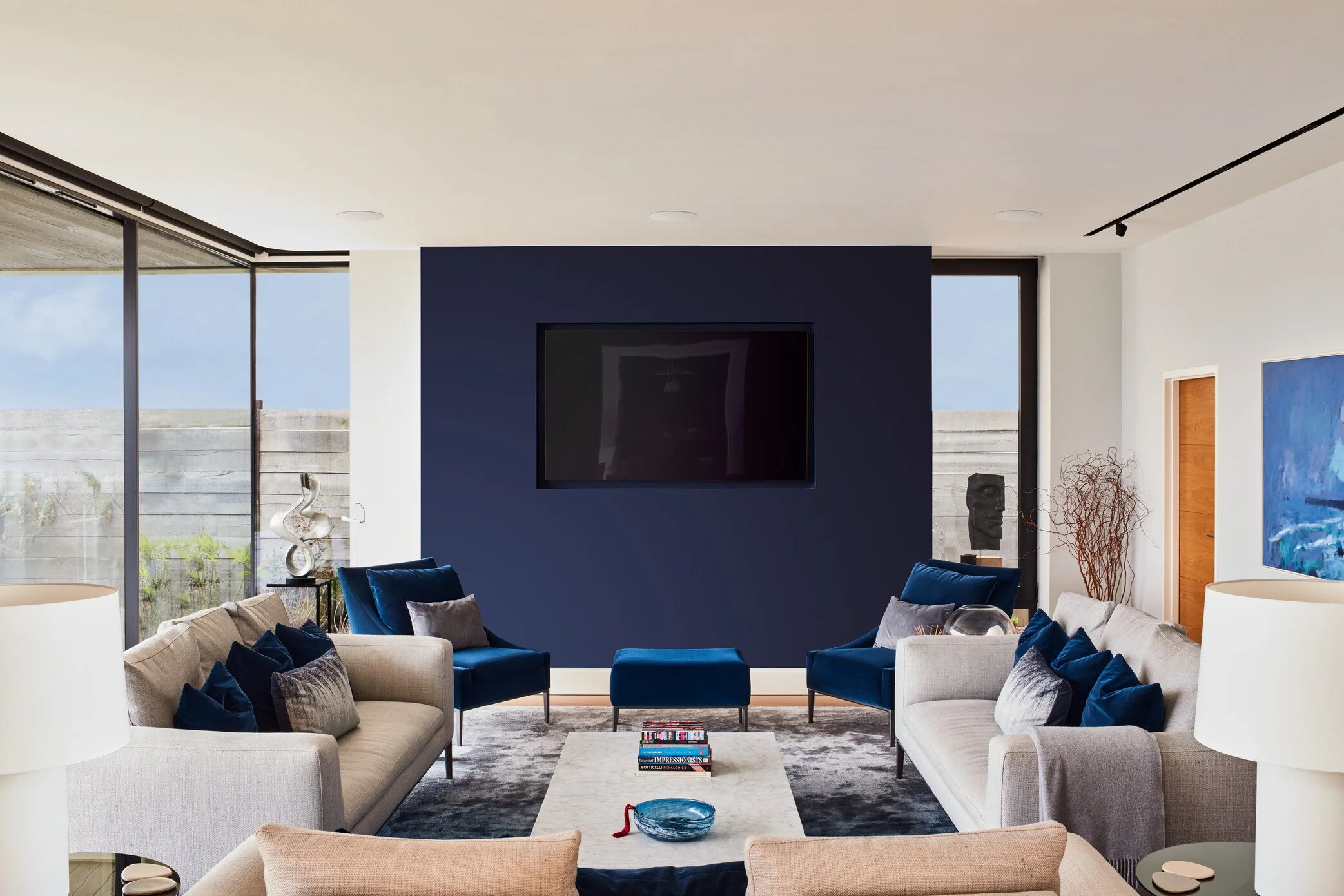
The trends that matter are the ones that make the home work better every day.
1. Fewer Apps, Better Integration
One of the most important shifts in smart home design is the move away from fragmented control.
A homeowner should not need one app for lighting, another for shades, another for climate, another for music, and another for security. A well-planned system brings the most important parts of the home into a more unified experience.
That may include:
· Service and support planning
The goal is not to connect everything simply because it can be connected. The goal is to make the home easier to live in.
2. Automation That Feels Natural
Good automation should not draw attention to itself.
Lighting scenes, shade schedules, climate settings, and security routines should support the way the household actually lives. Morning, evening, entertaining, away, and nighttime settings should feel practical and predictable.
The best systems reduce daily friction. They do not require homeowners, guests, staff, or property managers to constantly adjust settings or remember how everything works.
3. Reliability Over Novelty
Luxury homeowners, designers, builders, and property managers are not looking for experiments. They need systems that work consistently and can be supported after installation.
That makes infrastructure more important than most people realize.
A strong smart home depends on:
· Planning during construction or renovation
· Reliable wiring and network design
· Clean equipment organization
· Thoughtful programming
· Clear documentation
· Long-term service and support
The visible technology may look simple. The structure behind it needs to be solid.
4. Design-Aware Technology
Smart home technology should fit the architecture and interiors, not compete with them.
Keypads, touch panels, speakers, displays, cameras, shades, and lighting controls need to be planned carefully. In high-end homes, details like placement, finish, scale, sightlines, and room layout matter.
The trend is not more visible technology. It is better-integrated technology.
5. Smarter Lighting and Shading
Lighting and shading are two of the most important parts of the smart home experience.
When they are designed well, they affect comfort, privacy, mood, artwork, and how each room feels throughout the day. Scenes can support daily routines, entertaining, evening use, and natural transitions from daylight to night.
This is where smart home technology becomes less about devices and more about the way the home feels.
6. Long-Term Support Built Into the Plan
A smart home is not finished the day it is installed.
Preferences change. Furniture moves. Networks need updates. Equipment ages. New owners, estate managers, or staff may need guidance. Systems that are not supported over time become frustrating, even if they were designed well at the start.
That is why long-term service should be part of the planning conversation from the beginning.
The HTE Perspective
The future of smart home technology is not about adding more features.
It is about choosing the right systems, integrating them cleanly, and supporting them properly. The best homes are not the ones with the most technology. They are the ones where the technology feels natural, reliable, and easy to live with.
For Home Technology Experts, that means focusing on comfort, clean installation, ease of use, and long-term care from the start of the project.
Planning technology for a new residence, renovation, or system upgrade? Contact Home Technology Experts to discuss a smart home plan designed to work well now and remain supportable over time.