
Home Technology Experts | Hamptons & North Fork
Coastal Smart Home Automation for Hamptons Estates
Thoughtfully integrated technology designed around coastal conditions, seasonal living, resilient connectivity, and the architecture of exceptional homes.
A waterfront residence has distinct technology requirements. Salt air, humidity, expansive grounds, outdoor living, and extended periods away from the property all influence how its systems should be designed and maintained.
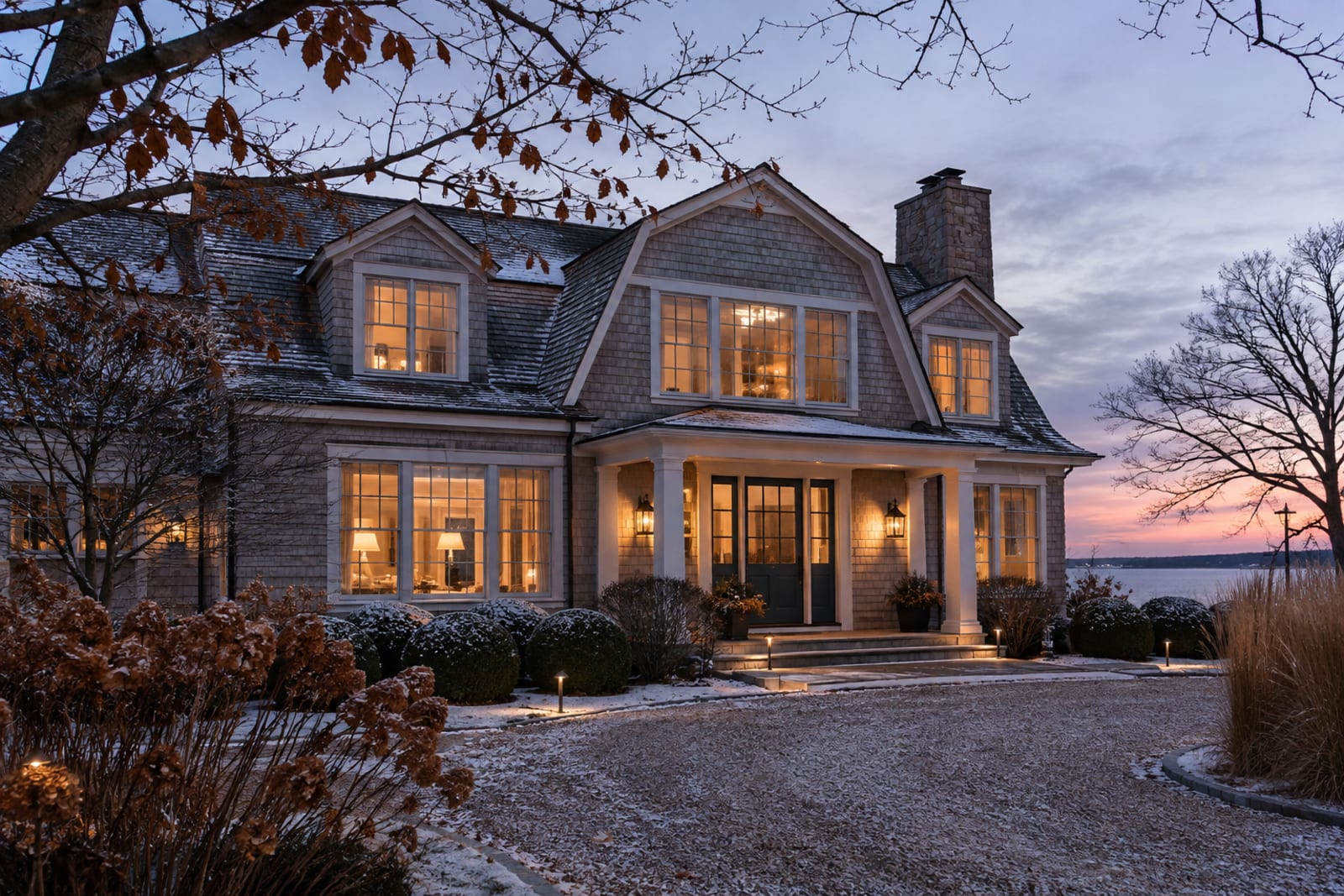
Coastal Technology Planning
Why Coastal Homes Need a Different Approach to Technology
Smart home technology in a coastal setting must address more than convenience. Environmental exposure, equipment placement, service access, and the way the property is occupied throughout the year can influence long-term reliability.
Devices installed outdoors or in vulnerable spaces may encounter salt-laden air, moisture, condensation, wind, or temperature changes. Choosing suitable equipment and protecting the underlying infrastructure are essential parts of the design process.
The aim is not to make a system maintenance-free. It is to reduce avoidable exposure, simplify service, and help the homeowner understand how the technology will perform over time.
Environmental Exposure
Appropriate equipment ratings, mounting methods, connectors, and enclosures matter where technology is exposed to salt air or moisture.
Equipment Placement
Network and control equipment should have suitable ventilation, power, access for service, and protection from unnecessary exposure.
Estate Scale
Main residences, guest houses, pools, gates, and outdoor living areas may require a coordinated network and control architecture.
Seasonal Ownership
Systems should be practical for both occupied and unoccupied periods, with appropriate remote access and maintenance procedures.
Architecture & Experience
Technology That Complements Coastal Architecture
Luxury homes in the Hamptons are often defined by natural light, open views, careful material selections, and effortless movement between interior and exterior spaces.
Technology should respect those design priorities. Thoughtful integration can bring lighting, motorized window treatments, audio, video, and climate controls together without allowing devices to dominate the interiors.
Motorized shades can help manage glare, privacy, and solar exposure. Lighting scenes can create comfortable transitions from daytime use to evening entertaining.
Discreet speakers and appropriately placed control interfaces can simplify daily operation while preserving the architectural character of the home.
The appropriate combination depends on the architecture, construction phase, and systems selected.
Connected Infrastructure
Reliable Networking Across the Coastal Estate
A luxury estate may rely on its network for entertainment, surveillance, access control, remote management, and connected building systems.
Dependable connectivity begins with suitable infrastructure rather than simply adding more wireless devices.
The design may consider wired network pathways, managed switching, outdoor-rated access points, and connections between the main house, guest buildings, and landscape destinations.
Outdoor areas, detached buildings, and expansive properties may require different connection methods based on distance, obstructions, and environmental conditions.
HTE designs home networking around the property's layout, connected devices, and practical service needs.
Explore our home networking services.
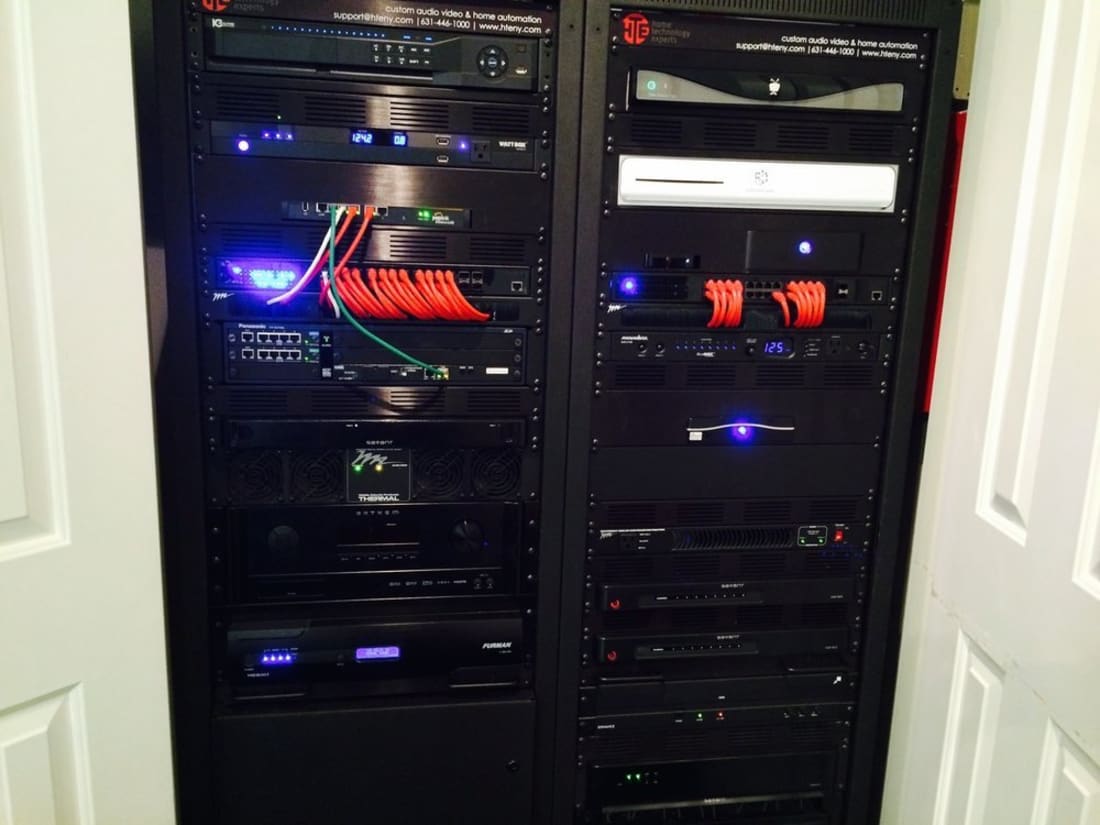
Resilience & Reliability
Plan for Power Interruptions and Connectivity Failures
Seasonal storms, electrical interruptions, and temporary internet outages can affect coastal properties.
When connected systems support access, surveillance, communications, or estate operations, their behavior during an interruption deserves consideration early in the project.
Depending on the home, appropriate resilience measures may include power protection, selected uninterruptible power supplies, backup internet, supported network recovery, and coordination with the property's electrical backup systems.
Important: Backup power and connectivity cannot guarantee uninterrupted operation. Runtime, network availability, device support, and the design of each connected system determine what remains functional during an outage.
A practical design identifies which systems should receive priority protection, how owners will receive supported alerts, and what happens when remote communications are unavailable.
Exterior Technology
Outdoor Technology Designed for Coastal Conditions
Outdoor technology can make terraces, gardens, pools, and entertaining areas more comfortable to use. It also introduces environmental requirements that indoor systems may not face.
Outdoor Audio & Video
Select appropriate equipment for the installation location, considering exposure, viewing conditions, speaker coverage, and service access.
Landscape Lighting Control
Coordinate compatible exterior lighting with architectural scenes and schedules while maintaining suitable control over glare and brightness.
Surveillance & Access
Plan camera placement, gate communication, access interfaces, recording, and alerts around the actual property layout.
Connected Outdoor Areas
Extend suitable network connectivity to entertaining spaces and detached structures without treating them as isolated technology installations.
Seasonal Ownership
A Home That Adapts to the Way You Use It
Coastal homes often change routines throughout the year. A property may be used intensively during summer, visited on weekends, or remain unoccupied for extended periods.
Thoughtful automation can make these transitions simpler when supported by the connected systems.
Before Arrival
Prepare compatible lighting, shades, and climate settings so the home feels ready when the owners return.
During Occupancy
Provide intuitive everyday controls for family, guests, and appropriate property staff.
While Away
Use approved remote access, surveillance interfaces, and supported notifications to maintain appropriate awareness of the property.
Seasonal Closure
Coordinate relevant technology settings with the estate's winterization and maintenance procedures.
For a more detailed discussion of property oversight, explore Hamptons second-home monitoring.
Design & Construction
Plan Coastal Technology Before Construction Decisions Become Difficult to Change
Technology is most effective when its requirements are considered alongside the architecture and building systems.
Early coordination can help determine equipment locations, network pathways, outdoor infrastructure, keypad placement, shade pockets, and service access.
For architects, builders, and interior designers, involving the integrator during planning reduces the likelihood of decisions being made after finishes or structural systems have already been completed.
Understand the Property
Review the architecture, coastal exposure, technology goals, and occupancy patterns.
Develop the Infrastructure
Plan suitable pathways, equipment locations, power requirements, control points, and outside connections.
Program and Commission
Configure compatible systems, test functionality, document the installation, and establish service expectations.
Long-Term Performance
Coastal Smart Homes Need a Long-Term Service Plan
Even carefully designed technology benefits from periodic inspection and ongoing support.
Coastal environments can accelerate deterioration in exposed equipment and connections. Network equipment, control platforms, firmware, and connected services also change over time.
A service plan may include appropriate equipment inspection, system documentation, software reviews, troubleshooting, and coordination with estate management.
The exact scope depends on the installation and the agreed service arrangements.
HTE can help homeowners evaluate existing systems and plan improvements that support reliable long-term ownership.
Coastal Smart Home Questions
Planning Technology for a Waterfront Residence
Does salt air affect outdoor smart home equipment?
Yes. Salt exposure and moisture can contribute to corrosion and deterioration. Equipment selection, protective enclosures, suitable installation methods, and periodic inspection should reflect the location's conditions.
Can a coastal estate have dependable Wi-Fi outdoors and in guest houses?
Many properties can support strong coverage through a properly planned network. The approach depends on distances, building materials, interference, wiring options, and the landscape layout.
Can I monitor my Hamptons home while away?
Supported surveillance, access, environmental, and control systems may provide remote visibility or alerts. Their functionality depends on power, internet availability, permissions, and each platform's capabilities.
When should technology planning begin?
Ideally, during architectural planning or early renovation design. Early decisions about infrastructure, equipment space, and controls can preserve design options and reduce rework.
Home Technology Experts
Technology Designed for Coastal Living
Planning a waterfront residence or improving an existing coastal property requires attention to both the visible experience and the infrastructure behind it.
Home Technology Experts helps homeowners and project teams evaluate networking, lighting, surveillance, access, entertainment, and intelligent controls as part of a coordinated design.