
Guess What Realtors Should Be Watching








CES 2026 Smart Home Trends Real Estate Professionals Should Be Watching
CES 2026 confirmed what we’ve been seeing in the field: smart home technology is maturing.
The conversation has shifted away from novelty and toward reliability, integration, and practical use. For real estate professionals, builders, and property managers, that shift matters.
The opportunity is no longer to showcase “smart features.”
It’s to deliver homes that are predictable, easy to manage, and designed to work in real-world conditions.
Here are the trends worth paying attention to.
1. Smart Locks Are Becoming an Operational Tool
Smart locks are no longer just a convenience upgrade. They are becoming a core access tool for:
Showings
New construction
Rentals and short-term stays
Turnovers between occupants
What stood out at CES was not just new designs, but improved flexibility. Many systems now support:
Local access (not dependent on internet)
Easier rekeying between occupants
Cross-platform compatibility
Cleaner, more architectural hardware options
For trade partners, this reinforces a larger point: access control must be reliable, serviceable, and simple to manage long-term.
When access fails, everything stops. When it works predictably, it becomes invisible.
2. One Cohesive System Is Better Than Five Apps
A clear theme across brands: simplified ecosystems.
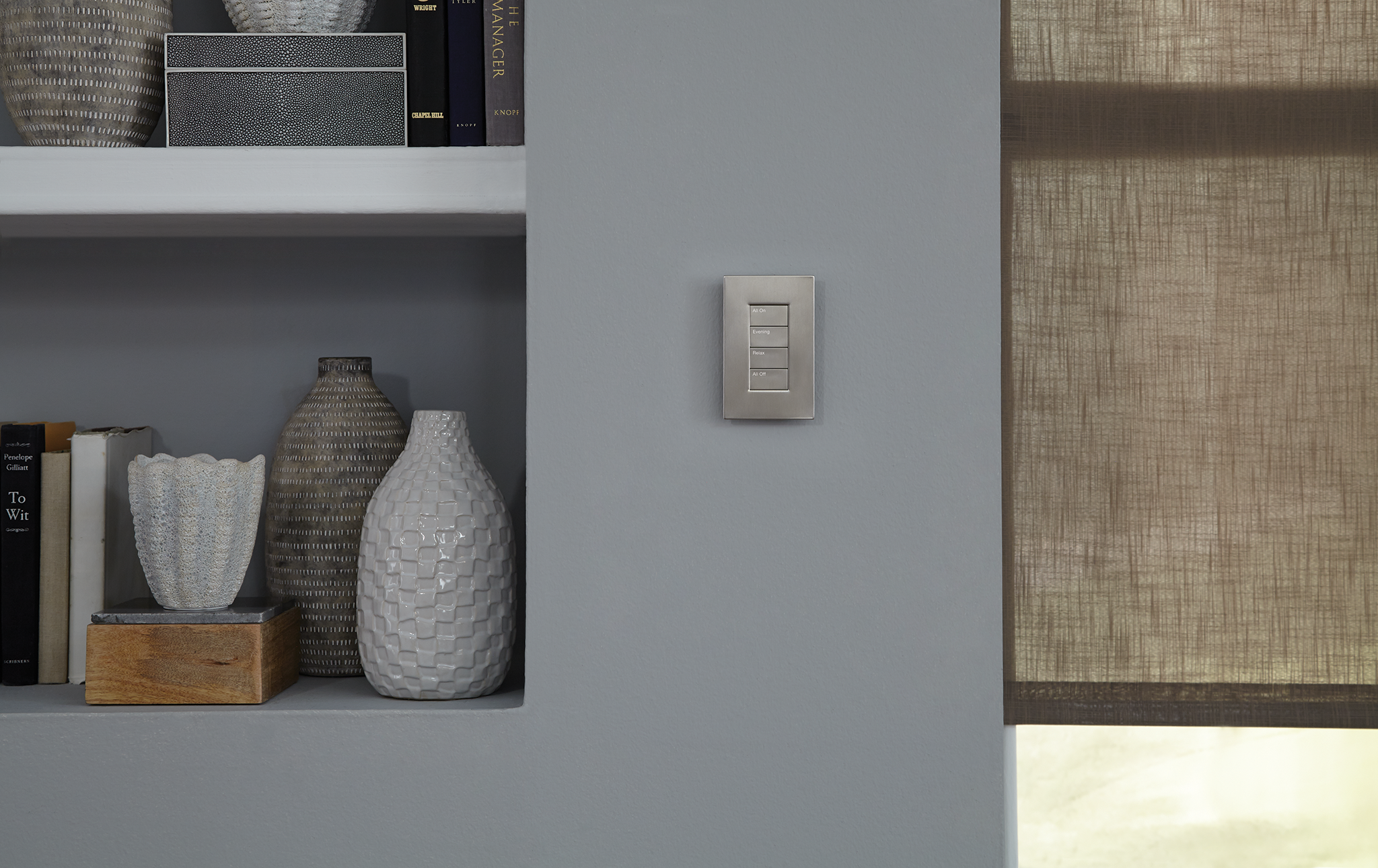
Instead of stacking disconnected devices, manufacturers are building lighting, security, and automation into more unified platforms. More systems are designed to:
Operate locally when internet connectivity is unstable
Reduce subscription dependencies
Combine multiple functions into a single device
For real estate professionals, this reduces friction during showings and inspections. For homeowners, it lowers the barrier to adoption.
From an integration standpoint, the message is simple:
Fewer moving parts. Clearer structure. Better long-term support.
3. Background Automation Is the New Luxury
Some of the most valuable innovations were subtle.
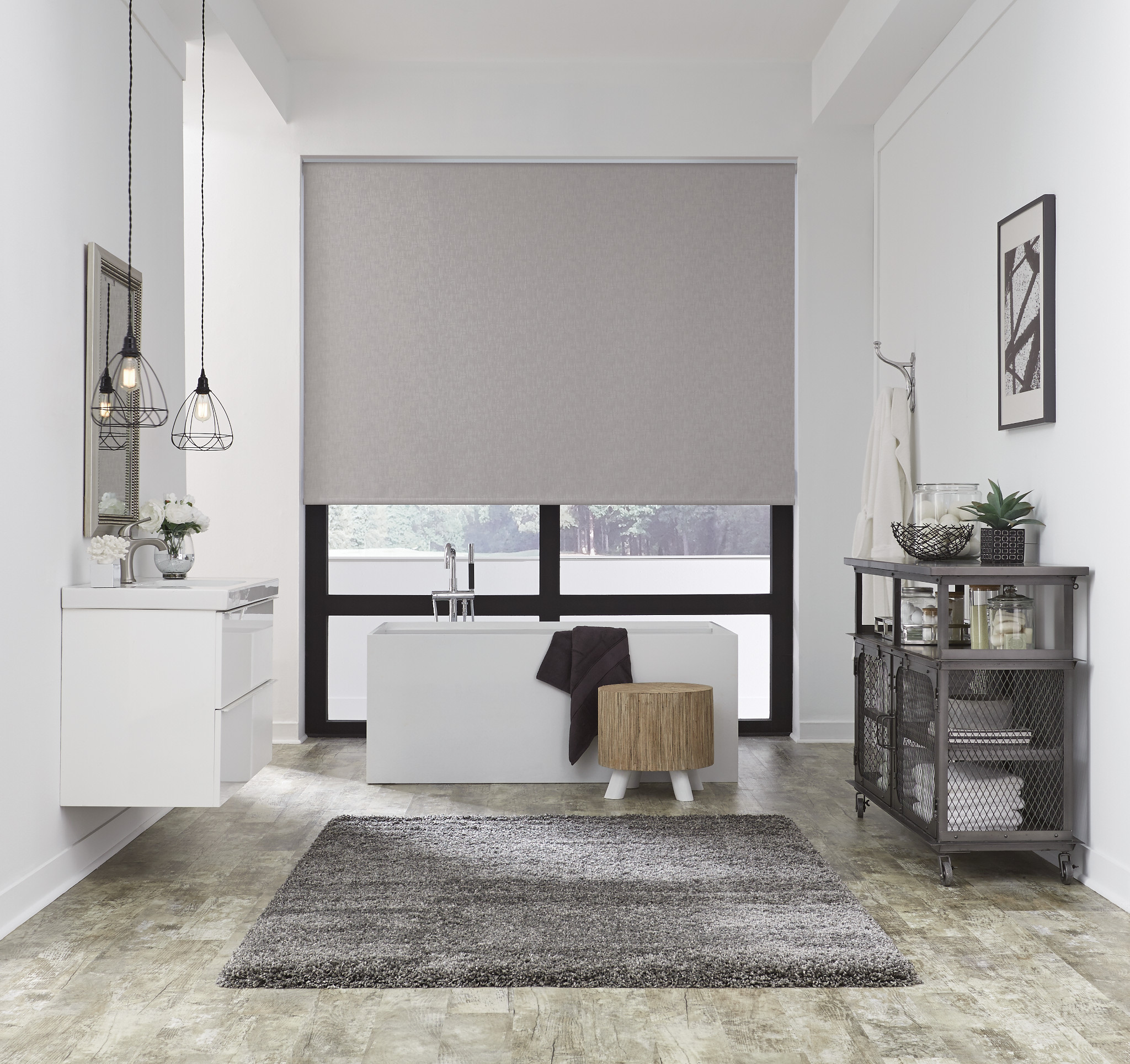
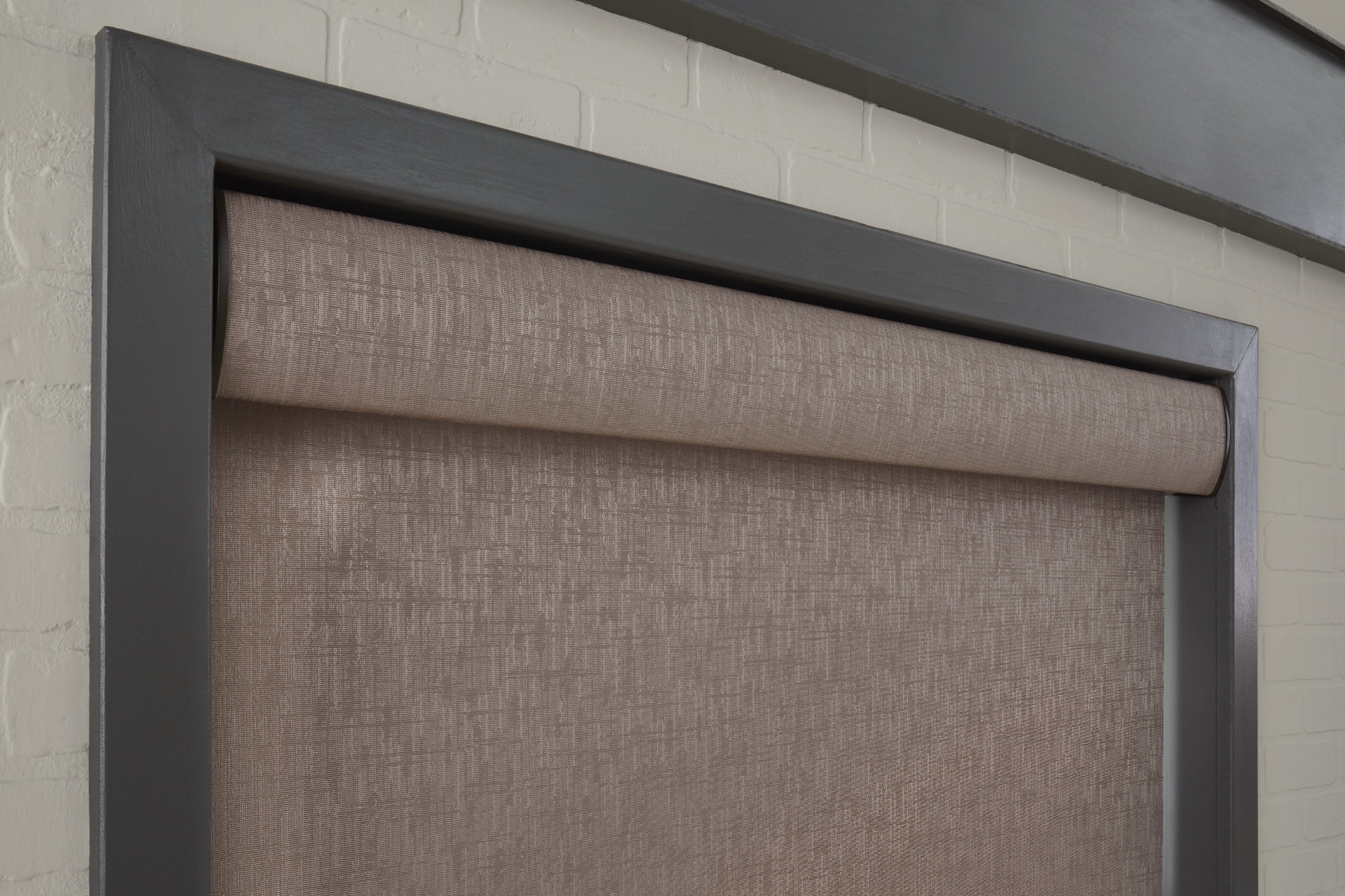
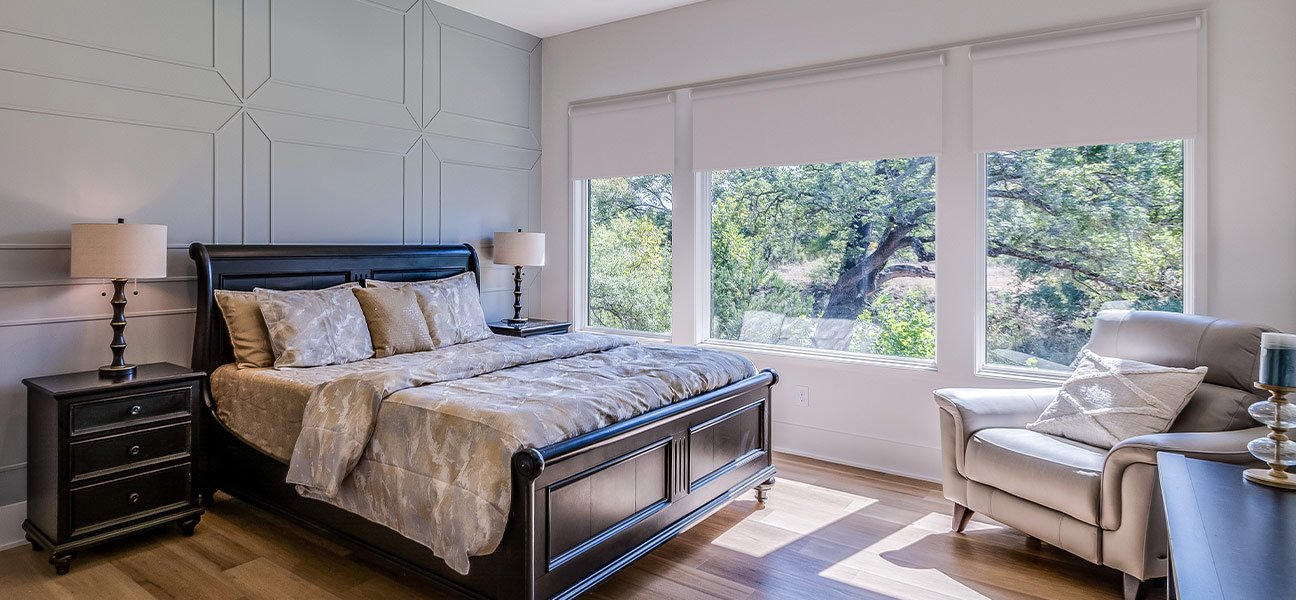
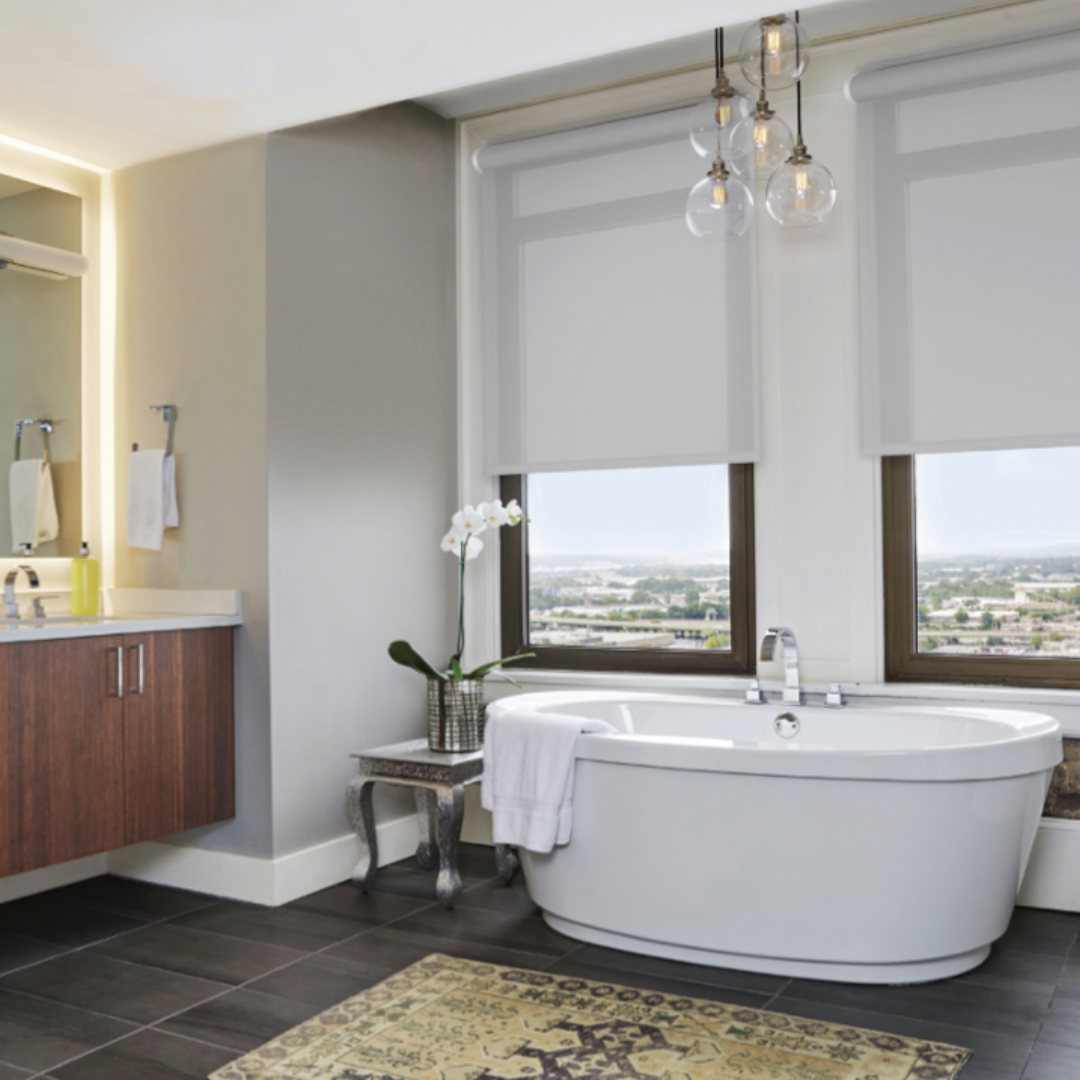
Shades that adjust automatically throughout the day
Humidity sensors that quietly manage ventilation
Systems that balance comfort without user intervention
These aren’t features buyers ask for by name.
They’re improvements they feel.
For builders and agents, this reinforces the importance of specifying systems that enhance livability without overwhelming homeowners with complexity. Remember, at Home Technology Experts, luxury is simplicity.
Smart homes should not feel technical.
They should feel effortless.
4. Energy Resilience Is Becoming a Selling Point
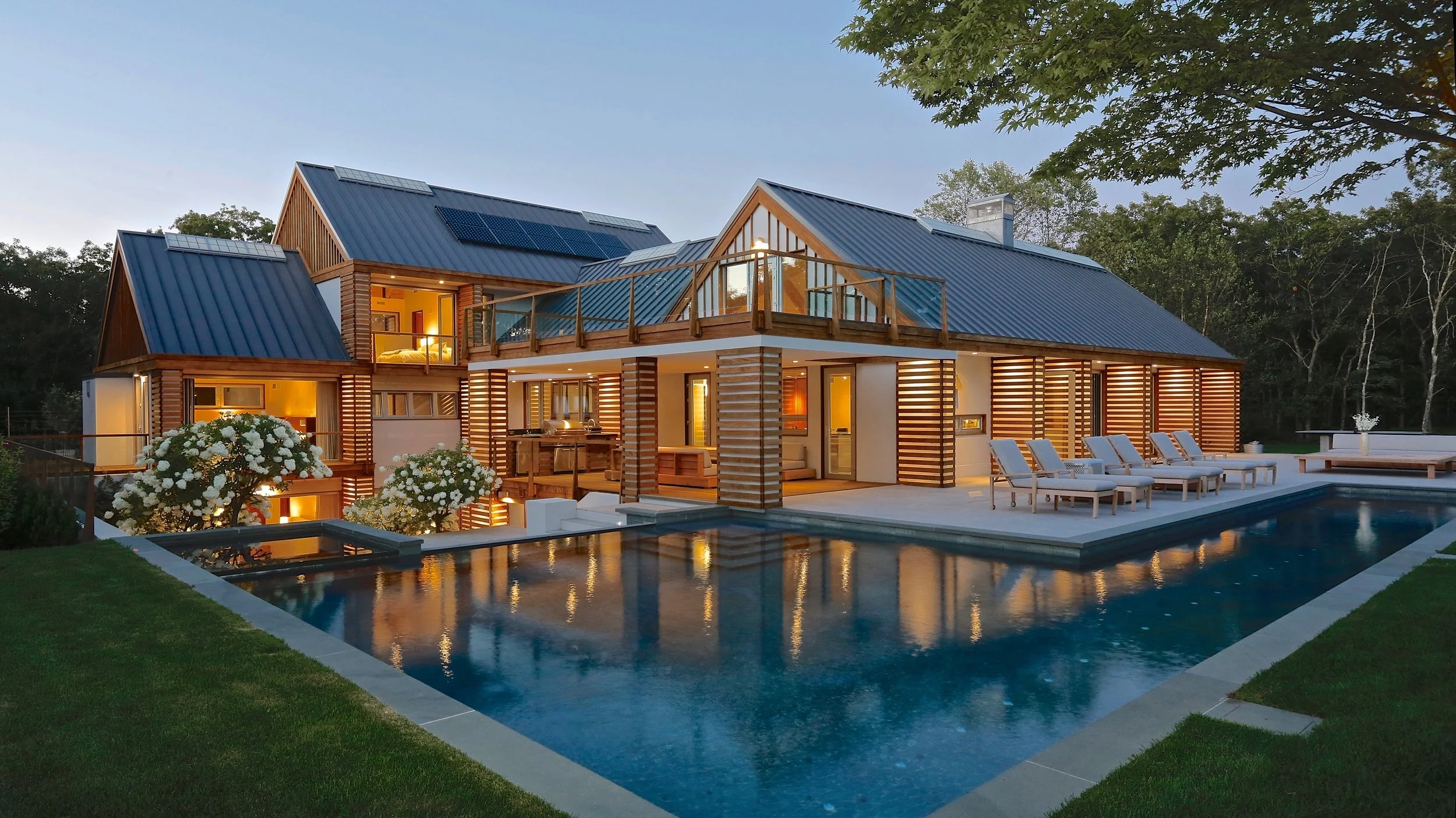
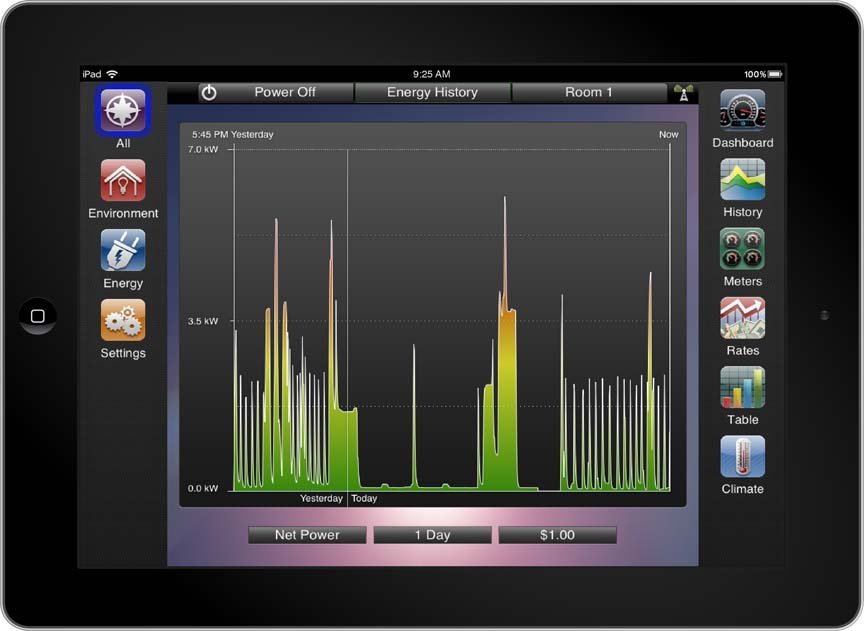
Whole-home energy backup and modular storage systems are moving into the mainstream.
Buyers who work remotely or live in outage-prone areas are increasingly evaluating:
Backup power options
Solar integration potential
Expandable energy platforms
Energy resilience is shifting from “nice to have” to practical planning consideration.
From our perspective, these systems must be designed with serviceability and long-term support in mind. Energy infrastructure is not a gadget—it’s part of the home’s operating system.
5. Automation That Keeps Homes Market-Ready
Robotic cleaning and lawn systems continue to improve in precision and autonomy.
For sellers and rental owners, this means:
Less manual prep before showings
More consistent presentation
Reduced maintenance coordination
While not central infrastructure, these tools support a broader real estate goal: maintaining curb appeal and interior readiness with less effort.
Convenience supports value—when it works reliably.
6. Emerging AI Tools Require Caution
AI-powered wearables and productivity tools may eventually support better documentation and follow-up.
However, privacy and compliance considerations remain significant in real estate environments.
Adoption should be thoughtful, structured, and transparent.
What This Means for Real Estate Professionals
The homes that stand out moving forward will not be packed with devices.
They will be thoughtfully equipped with systems that:
Reduce friction
Improve comfort
Simplify access
Support long-term ownership
Technology should not create new management burdens.
It should remove them.
At HTE, our role is to assume complexity, plan for imperfection, and design systems our team can execute and support long-term.
If you’re navigating smart home decisions on an upcoming listing, renovation, or new build, we’re available to coordinate early and ensure the technology is structured, practical, and built to be supported.