

Motorized Shades: Everyday Comfort, Privacy, and Effortless Living
Imagine a home that welcomes the morning light, protects your privacy when evening arrives, and manages the sun throughout the day, all without requiring you to adjust a single window treatment.
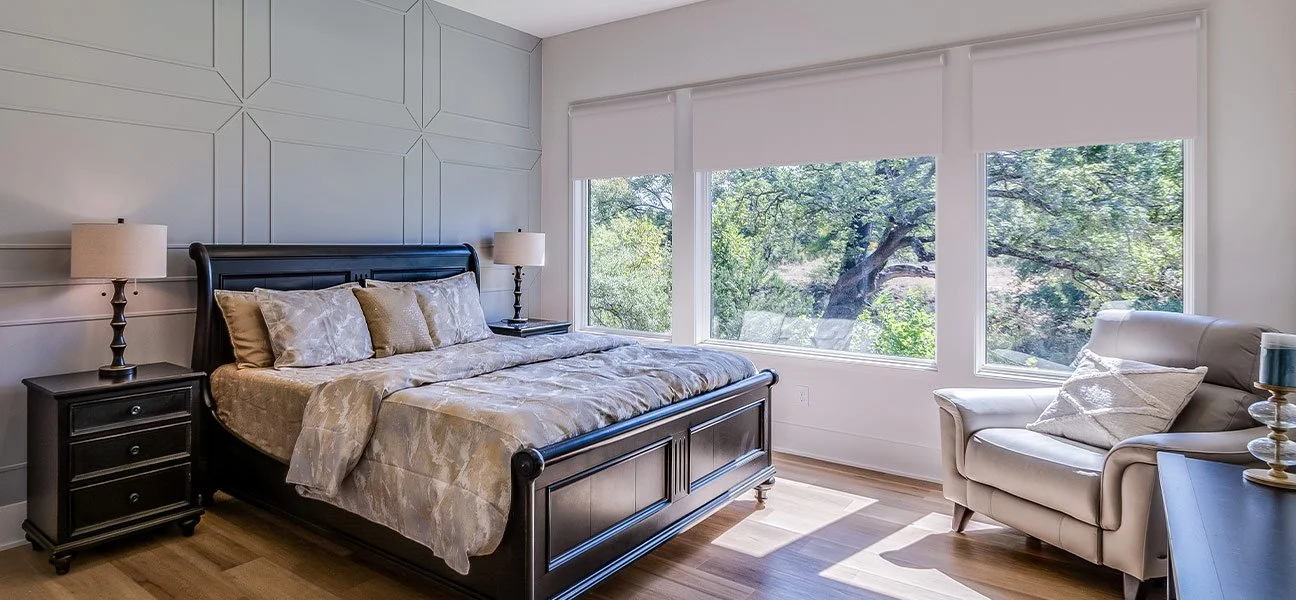
Some of the most meaningful smart home improvements are the ones you stop thinking about.
The shades rise when the day begins. Afternoon glare disappears before it becomes uncomfortable. Privacy returns as the sun sets. A bedroom becomes darker and quieter in preparation for sleep.
These are small changes, but together they can make a home feel more comfortable, considered, and effortless to enjoy.
Motorized shades and other automated window treatments are not simply alternatives to manual blinds. They offer a more thoughtful way to manage natural light, privacy, views, and daily routines.
For homes in the Hamptons, Manhattan, and Long Island, where architecture and expansive windows often play an important role in the living experience, these benefits can be particularly meaningful.
More Than Convenience: A Better Relationship With Natural Light
Natural light changes the character of a home throughout the day. Morning light can make a bedroom feel welcoming, while direct afternoon sun may create glare and unwanted heat.
Beautiful windows deserve to be enjoyed. Yet leaving every shade open all day is not always practical.
Automated window treatments make it easier to experience the benefits of daylight while managing its less comfortable effects.
Reduce harsh sunlight and glare without constantly adjusting individual windows.
Control visibility from outside while preserving daylight and views when desired.
Let window treatments respond to daily routines through intuitive controls and automation.
Wake Up to a More Natural Morning
Few experiences are as pleasant as beginning the day with soft natural light.
Instead of waking in a completely darkened bedroom and manually raising the shades, automated window treatments can open gradually at a chosen time.
In a primary bedroom, this might mean allowing daylight into the room shortly before the morning routine begins. In a kitchen or breakfast area, shades can open to welcome the first light of the day.
Some homeowners prefer a gentle transition, while others want their bedroom shades to remain closed until they are ready to begin the day.
The important distinction is choice. The window treatments adapt to the household rather than requiring the household to adapt to them.
When coordinated with compatible intelligent lighting controls, the experience can include both daylight and artificial lighting.
Enjoy Beautiful Views Without Living With Glare
Expansive windows are often among the most celebrated features of a luxury residence.
A Hamptons home may overlook a garden, lawn, or waterfront landscape. A Manhattan apartment may feature dramatic skyline views and abundant natural light.
Those views should be part of the daily experience, not something that must be hidden behind permanently closed window treatments.
Motorized solar shades can help balance visibility and glare reduction. Depending on the selected fabric and lighting conditions, they may preserve some outward visibility while softening direct sunlight.
A homeowner can enjoy morning views, manage afternoon glare, and return to an unobstructed outlook when the conditions are comfortable.
That flexibility can be especially valuable in rooms with large glass walls, home offices, or televisions positioned near windows.
Design consideration: Solar shade fabrics are available with different openness factors, colors, and performance characteristics. The right selection depends on the window orientation, desired visibility, glare conditions, and privacy requirements.
Privacy That Feels Natural, Not Restrictive
Privacy is an important part of feeling comfortable at home.
During the day, homeowners may want to enjoy natural light and views without feeling overly exposed. In the evening, illuminated interiors can become more visible from outside.
Automated shades can simplify that transition.
A preset evening routine might lower selected window treatments in bedrooms, bathrooms, and living areas as daylight fades.
This is particularly useful in residences with numerous windows, close neighboring properties, or large expanses of glass.
Different rooms may require different solutions. A sheer treatment that filters daylight beautifully may not provide sufficient nighttime privacy. A more opaque fabric or a second privacy layer may be necessary.
The goal is not to keep a home closed off. It is to make privacy available at the moments when it matters.
Comfortable Rooms Throughout the Seasons
Natural sunlight contributes to the warmth and character of a home, but it can also create uncomfortable temperature differences.
A sun-filled room may become warmer than desired during a summer afternoon. In colder weather, appropriate window coverings can help reduce heat loss through glazing, depending on their design and installation.
Automated window treatments can contribute to a more thoughtful approach to indoor comfort.
For example, compatible shading controls may lower selected shades during periods of strong sunlight to reduce solar heat gain.
During cooler weather, shades can remain open when useful sunlight is available, then close later for privacy and potential insulating benefit.
Some cellular or honeycomb shades provide additional insulation through their construction.
These strategies may help reduce heating or cooling demands, but results depend on window performance, fabric selection, climate, orientation, schedules, and the overall building envelope.
Automated shading is not a replacement for properly designed heating, cooling, or insulation. It is one way to make better use of the window treatments already contributing to the home's environment.
Preserve the Beauty of Interior Finishes
Sunlight can gradually affect the appearance of interior materials.
Hardwood floors, textiles, upholstery, rugs, and artwork may experience fading or other changes after prolonged exposure to sunlight.
Carefully selected window treatments can reduce exposure to portions of the solar spectrum associated with fading and help moderate direct sunlight.
This is particularly relevant in residences with large windows, valuable furnishings, or carefully curated interiors.
Automated operation makes it easier to provide protection during times when direct sunlight is strongest, even when the homeowner is away.
No ordinary window treatment can guarantee complete protection against fading, but appropriate shading can be part of a broader preservation strategy.
Make Everyday Routines Feel Effortless
The greatest luxury of automation may simply be having fewer small tasks to manage.
In a large residence, adjusting every window treatment manually can become repetitive. In rooms with tall windows or difficult-to-reach glazing, it may be inconvenient or impractical.
Motorized shades bring those adjustments together.
A single keypad or compatible home control interface can operate one treatment, a group of windows, or multiple rooms.
Automated schedules can manage predictable transitions, while manual controls remain available when preferences change.
A Home That Responds to the Day
Consider three simple moments in an ordinary day.
Bedroom shades rise gradually, allowing natural light into the room as the day begins.
Sun-facing shades adjust to reduce glare and unwanted solar heat.
Bedroom window treatments close, providing privacy and a more restful setting.
These experiences can be customized around the home's architecture and the household's preferences.
A thoughtfully integrated system should also be easy for family members and guests to operate without learning a complicated sequence of commands.
Motorized Draperies and Other Automated Window Treatments
Roller shades are only one expression of automated window treatment design.
Depending on the architecture, window configuration, and desired aesthetic, other solutions may provide a more appropriate experience.
Motorized Draperies
Automated draperies combine the softness and visual richness of fabric with convenient operation.
They are especially appealing in bedrooms, formal living rooms, and residences where the drapery itself contributes to the interior design.
Motorized tracks allow draperies to open and close along straight or suitably designed curved paths.
Depending on the selected fabric and construction, draperies can provide privacy, filter daylight, create a more intimate atmosphere, or offer room-darkening performance.
Architectural solutions such as Lutron Palladiom Drapery demonstrate how automated movement and refined hardware can become part of a carefully considered interior.
Dual-Shade Systems
Some windows benefit from two treatments rather than one.
A light-filtering or solar shade may be used during the day, while a more opaque secondary shade provides additional privacy or room-darkening capability in the evening.
Dual-shade arrangements can be especially useful in bedrooms and multipurpose living spaces.
Automated Blinds
Motorized blinds with adjustable slats offer another approach to managing daylight.
Where supported, automated tilt control can redirect sunlight and adjust visibility without requiring the entire treatment to be raised or lowered.
Cellular and Honeycomb Shades
Cellular shade designs incorporate air pockets that may improve thermal performance at the window.
They can be worth considering where insulation, daylight management, privacy, and comfort are important priorities.
Coordinated Lighting and Shading
Automated window treatments can also work alongside compatible lighting systems.
For example, lowering shades to reduce glare can be paired with a subtle adjustment to interior lighting, helping the room remain comfortable and visually balanced.
The design should remain simple for the homeowner, even when several systems are working together behind the scenes.
Window Treatments Should Respect the Architecture
In a thoughtfully designed residence, window treatments should feel like part of the interior rather than equipment added after construction.
Fabric selection, hardware finishes, mounting details, and visibility when the treatments are open all influence the finished appearance.
Some designs benefit from concealed shade pockets and recessed tracks. Others may use exposed architectural hardware as an intentional design element.
Motor placement, wiring, power availability, service access, and control requirements should be considered early whenever possible.
This is especially important for large window openings, curved glazing, tall ceilings, and projects involving custom millwork or specialty finishes.
HTE works with homeowners, architects, interior designers, builders, and other project professionals to coordinate window treatment technology with the larger design.
A carefully selected automated treatment should preserve the beauty of the window, complement the room, and remain easy to operate.
How to Think About Privacy, Light, and Efficiency Together
Different window treatments serve different purposes. There is no single fabric or product that is ideal for every room.
A primary bedroom may prioritize nighttime privacy and room darkening. A home office may require glare reduction without completely sacrificing daylight. A waterfront living room may benefit from solar shading that preserves the view.
During planning, consider:
- Daylight: How much natural light should enter at different times?
- Views: When should window treatments remain visually open?
- Privacy: What level of screening is required during the day and after dark?
- Comfort: Are glare or solar heat gain creating problems?
- Insulation: Would an insulating shade design be beneficial?
- Aesthetics: Should the treatment disappear or become part of the room's visual character?
- Control: Which adjustments should be automated, and which should remain manual?
These considerations are best addressed together, ideally before selecting the fabric or motorization platform.
For an overview of available systems, styles, and integration capabilities, visit HTE's motorized window treatments page.
The HTE Approach: Window Treatments Designed Around Living
Home Technology Experts approaches automated window treatments as part of the overall residential experience.
The goal is not simply to make shades move. It is to help each room feel comfortable, private, visually refined, and easy to enjoy.
We consider how the home receives daylight, how its rooms are used, and how window treatments should complement the interior architecture.
Where appropriate, shading can be coordinated with lighting control and broader smart home automation through compatible systems.
For residences in the Hamptons, Long Island, Manhattan, and surrounding areas, this design-led approach allows automated window treatments to support both the home's beauty and the way its occupants live.
A More Comfortable Home, Naturally
From softly filtered morning light to effortless evening privacy, the right automated window treatments can make everyday moments more comfortable.
Explore how motorized shades, draperies, and coordinated lighting controls can become a thoughtful part of your home.
Discuss Your Window Treatment ProjectFrequently Asked Questions
What are the main lifestyle benefits of motorized shades?
Motorized shades simplify everyday privacy and daylight management. They can reduce glare, support comfortable room temperatures, preserve views when desired, and operate according to daily routines without requiring repeated manual adjustment.
Can motorized shades help with energy efficiency?
Yes. Appropriate shades can help manage solar heat gain and, depending on their construction, reduce heat loss through windows. Automation can make these adjustments more consistent. Actual savings vary with the building, climate, glazing, shade materials, and operating strategy.
Are motorized draperies available?
Yes. Motorized drapery systems use powered tracks to open and close fabric panels. They can provide an elegant solution for bedrooms, living rooms, and spaces where traditional fabric treatments complement the architecture.
Can automated window treatments provide privacy without blocking all daylight?
Yes. Light-filtering fabrics and adjustable treatments can provide different degrees of screening while admitting daylight. However, daytime privacy and nighttime privacy are not the same. The appropriate treatment depends on the fabric, exterior lighting conditions, and the desired level of screening.
Can motorized shades operate automatically at sunrise or sunset?
Many compatible systems support schedules and astronomical timing. Shades may be programmed around sunrise, sunset, or selected daily routines, with manual control available when preferred.
Can existing homes be upgraded with motorized shades?
Often, yes. Battery-powered and certain wireless-control options may be appropriate for existing residences, while wired solutions may be preferred for some renovations and new construction projects. The best approach depends on the window conditions, access, power requirements, and selected system.