
What Should I Consider When Selecting Motorized Window Treatments for My Home
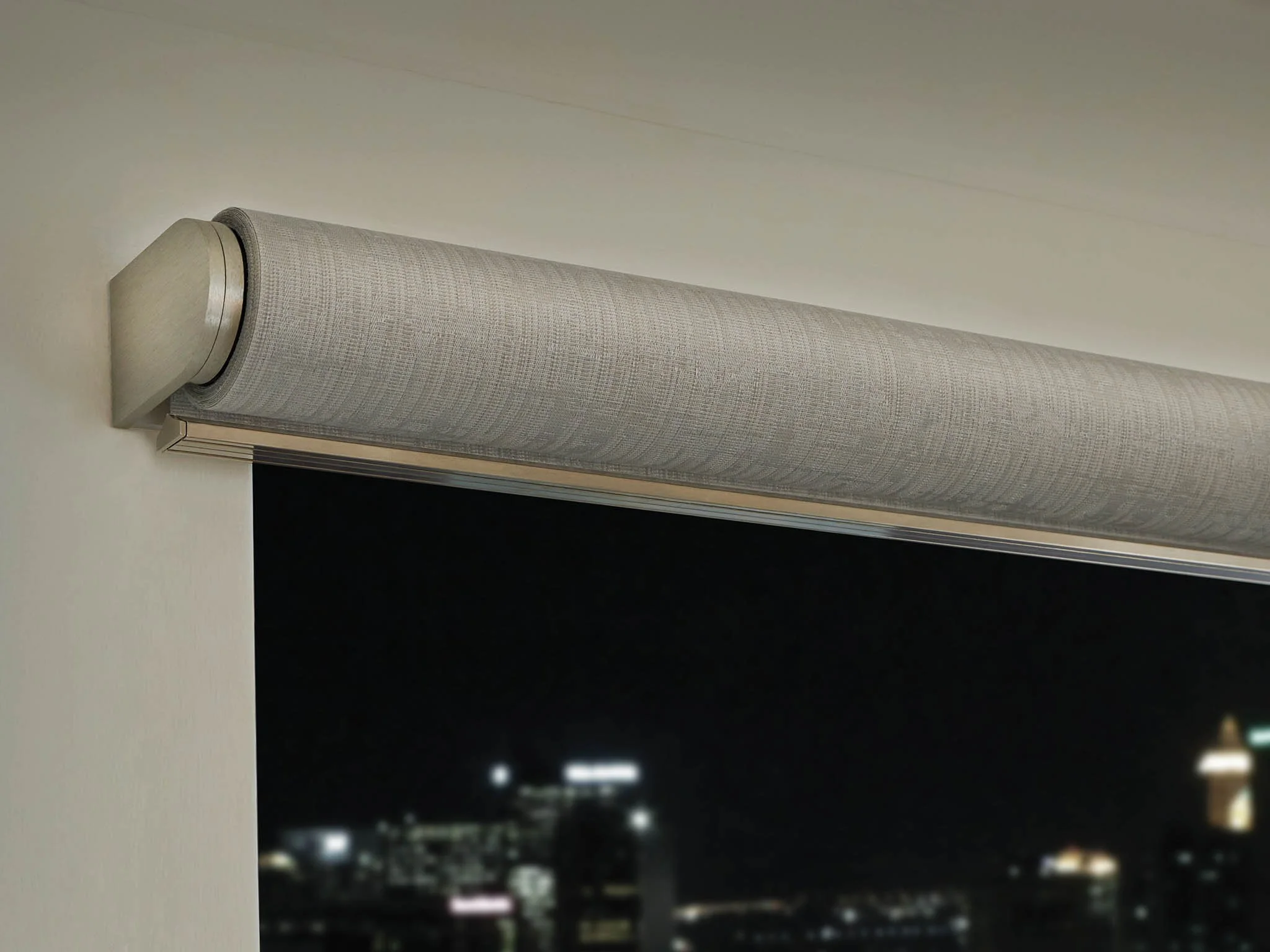
Motorized Shades · Smart Home Planning
What Should I Consider When Selecting Motorized Window Treatments for My Home?
Motorized window treatments are easy to appreciate once they are in place. The right ones manage glare without closing off a view, protect interiors when the sun moves across the room, and make privacy feel like part of the home—not an afterthought.
Choosing well requires more than selecting a fabric or a motor. The window treatment has to belong to the room, the architecture, and the way the household lives day to day. That is why HTE treats custom motorized shades and drapery as part of the larger lighting and control plan, rather than a separate accessory added at the end.
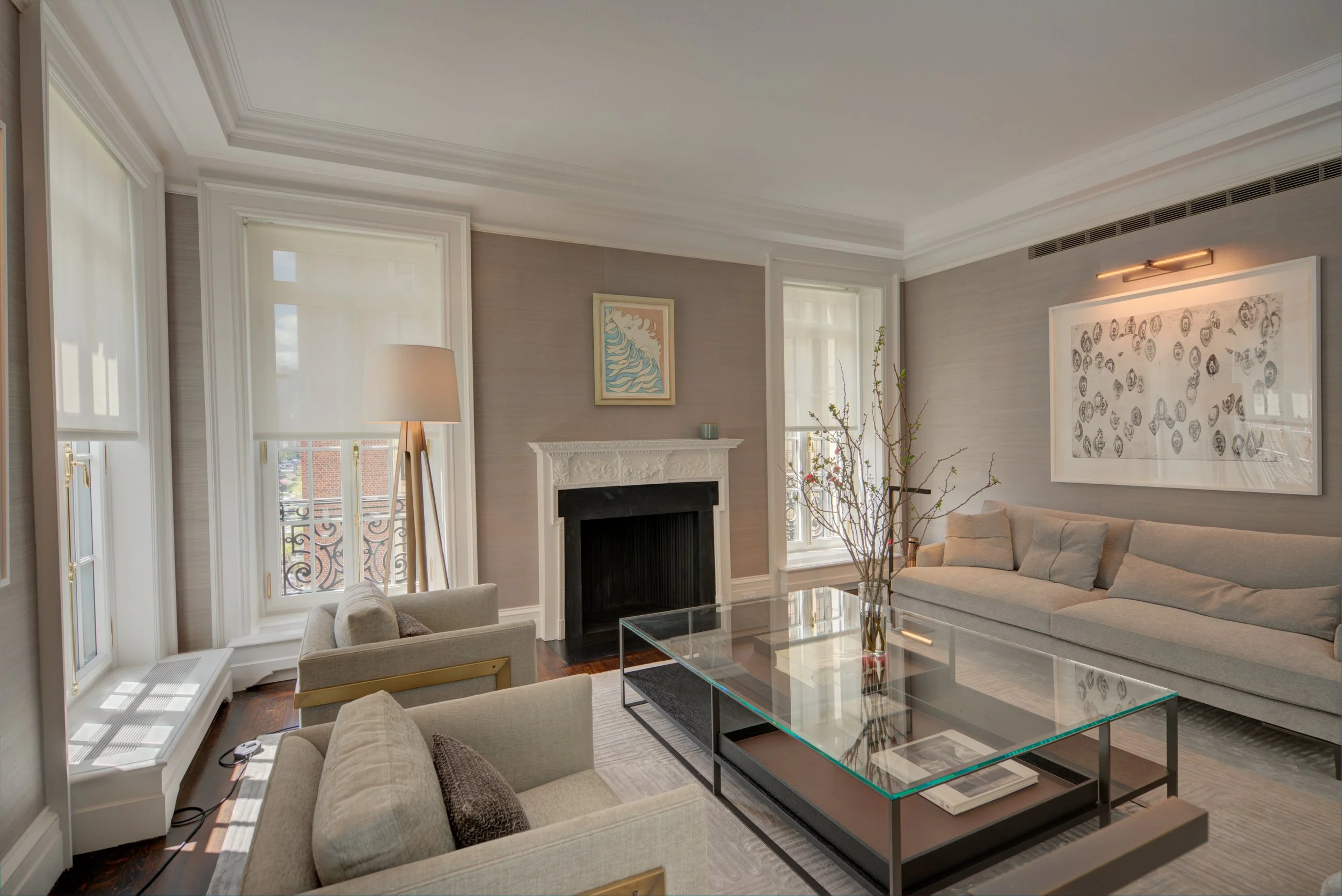
Begin With What the Room Needs to Do
A treatment that works beautifully in a primary suite may be wrong for a south-facing kitchen or a media room. Before discussing fabrics, begin with how the room is used throughout the day—and what the windows need to manage.
Useful questions to answer early include:
- Is the priority privacy, glare control, room darkening, heat management, or a combination?
- Does the room need to preserve a view while softening harsh daylight?
- Will the treatment be seen as a major design element, or should it disappear into a pocket or fascia?
- Is the window unusually tall, wide, curved, or divided by doors and mullions?
Those answers shape the right category of treatment. Roller shades offer clean lines and a broad range of openness factors. Cellular shades can improve insulation. Sheers and layered systems make it possible to filter light without fully closing the room. Drapery adds softness, scale, and acoustic benefit where the interior calls for it.
Think in Layers, Not One All-Purpose Shade
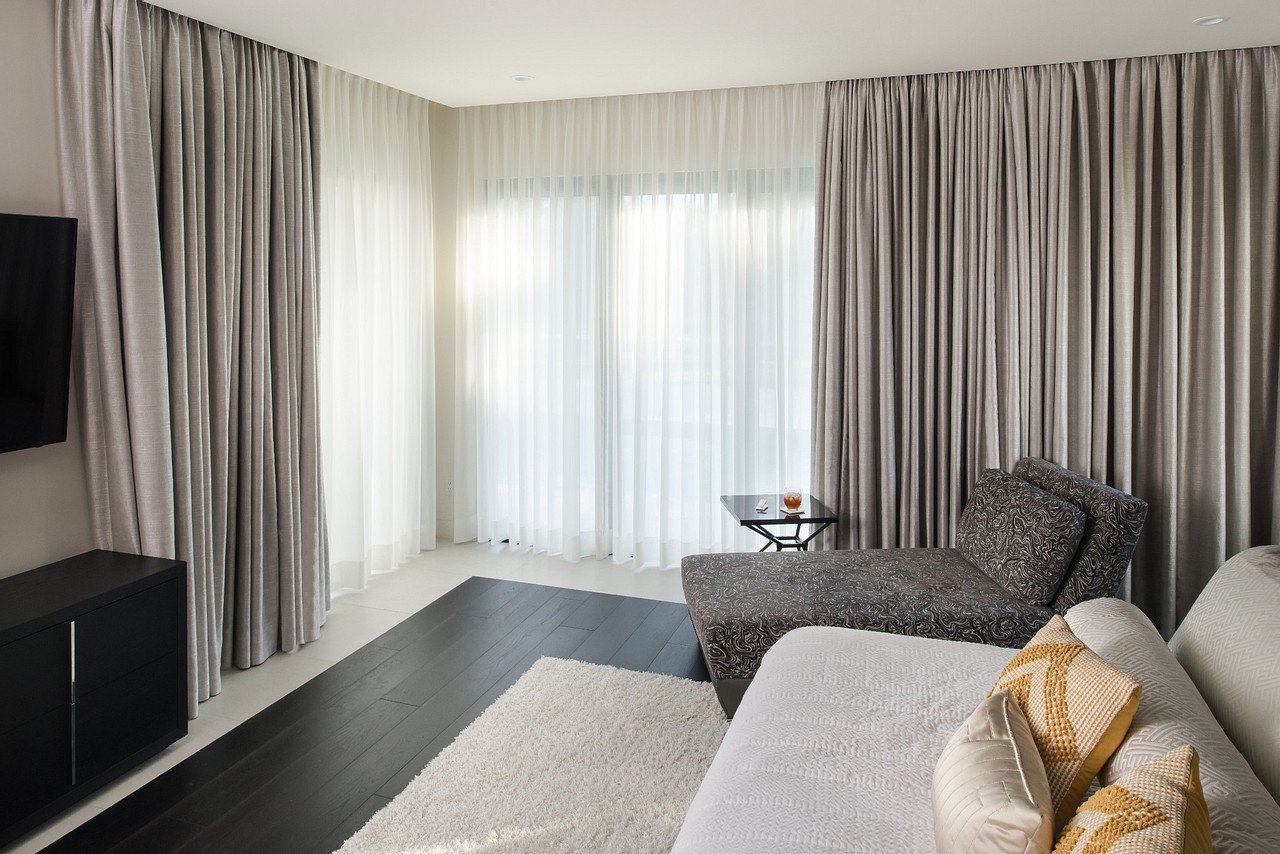
The strongest results often come from treating the window as a layered condition. A sheer may handle daylight and views during the day; a dim-out roller or lined drapery may take over at night. In bedrooms, a blackout layer can make the room more usable without asking the daytime treatment to do everything.
Different rooms often call for different priorities:
- Primary bedrooms: light control, privacy, quiet operation, and a true room-darkening strategy where desired.
- Living and dining rooms: glare management and privacy without losing the natural light that gives the room character.
- Home offices: control of screen glare and solar heat, with scenes that remain useful across a working day.
- Media rooms: reliable room darkening that can be called up with a single entertainment scene.
Coordinating these decisions with architectural lighting design keeps a shade scene from fighting the light scene. The room should feel intentional whether the shades are open, filtered, or fully lowered.
Choose the Power Strategy Before Walls Close
Power is a planning decision. It affects what is possible now, what will be easy to maintain later, and how cleanly the treatment can be detailed into the finished interior.
There are two common approaches:
- Hardwired systems are usually the preferred path for new construction and substantial renovations. They provide continuous power, reduce future maintenance, and make it easier to conceal wiring, pockets, and control hardware.
- Battery-powered or rechargeable systems can be an excellent fit for an existing home or a targeted upgrade where opening walls is not practical. The key is choosing an approach with realistic service access and a plan for charging or replacement.
Neither option is automatically better. The right one depends on the window count, treatment size, desired automation, access, and project timing. The earlier HTE is included alongside the architect, designer, electrician, and millworker, the more options remain available.
Control Should Be Simple—and It Should Belong to the Home
The value of motorization is not the phone app by itself. It is the ability to make a familiar action predictable: one button for privacy, a morning scene that welcomes daylight, a good-night scene that settles the house, or automatic glare control when the afternoon sun arrives.
We work with Lutron, Hunter Douglas, and The Bradley Collection because the final specification should match the room and project—not force every window into one product line. When appropriate, the treatments can be coordinated through lighting-control keypads and scenes or tied into a broader whole-home control system.
A well-considered control plan may include:
- individual room control from a keypad, remote, or app;
- scheduled movements tied to daily routines or sunrise and sunset;
- whole-home scenes such as Away, Entertain, Good Night, and Vacation; and
- the ability to override automation easily when the day does not follow the schedule.
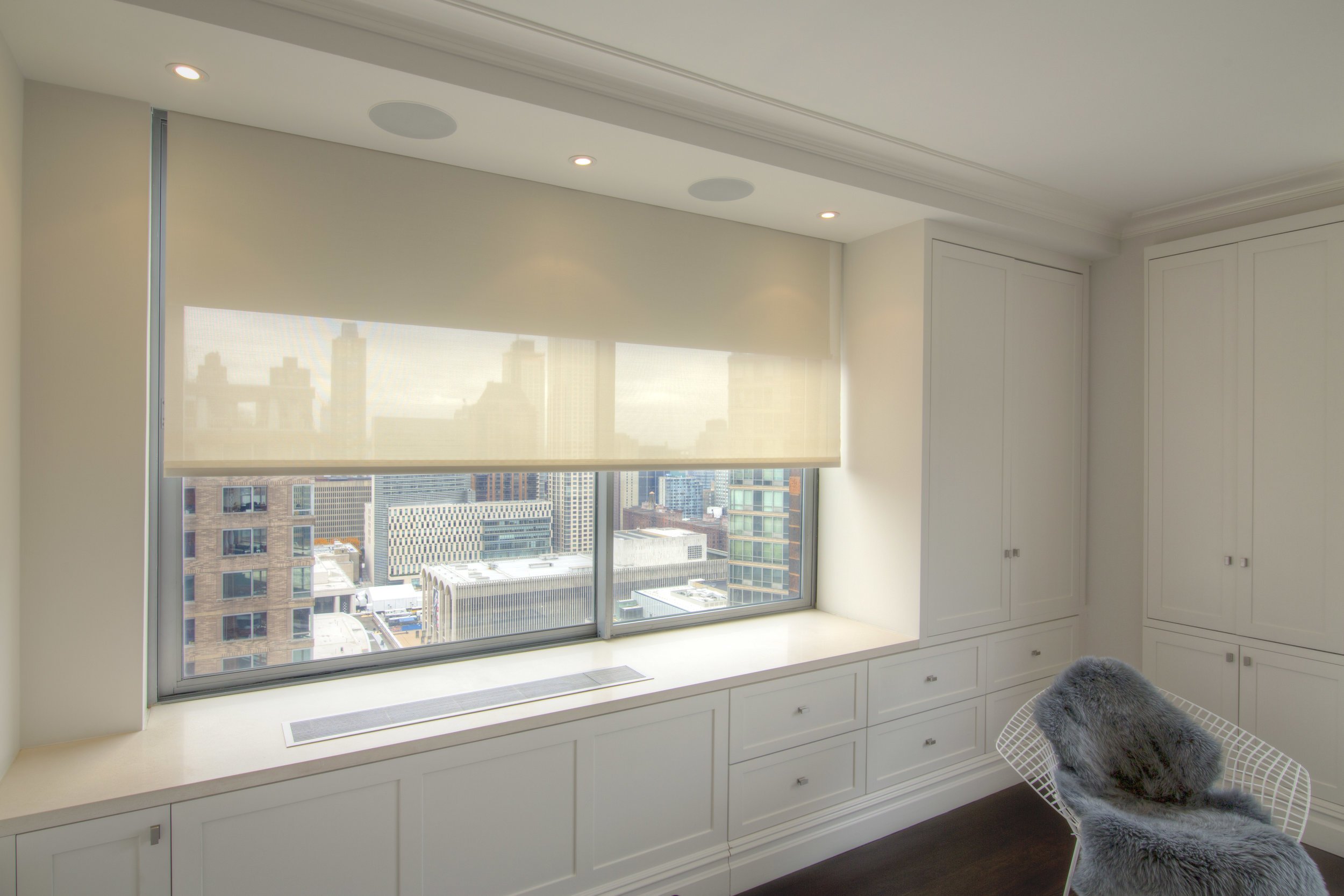
Detailing Is What Keeps the Result From Feeling Retrofitted
A shade may be beautifully made and still look wrong if it is mounted in the wrong place. Sightlines, stack height, fabric roll direction, pocket size, recess depth, hem bars, and how the fabric meets the glass all matter. On drapery, track placement and return dimensions matter just as much.
This is why professional measurement and coordination are not an afterthought. The treatment should align with trim, furniture, lighting, and the window itself. In a new build, it also needs a clear path through rough-in, millwork, finish installation, programming, and final adjustment.
Plan for Serviceability and Long-Term Use
Motorized treatments are most valuable when they remain quiet, reliable, and easy to support. That means specifying the right motor capacity for the fabric and opening, leaving reasonable access where needed, and using a control approach that the homeowner will still understand years from now.
They also bring practical benefits: reduced UV exposure for finishes and artwork, fewer cords around children and pets, more consistent privacy, and less daily friction around tall or hard-to-reach windows. Those benefits are real, but the lasting value is simpler: the home handles ordinary routines without making anyone think about the technology behind them.
The Best Starting Point
Start early, particularly for a new home or renovation. Bring the treatment conversation into the same planning meetings as lighting, millwork, electrical, and interiors. It protects the design choices, avoids last-minute compromises, and gives the system a better chance of working exactly as intended from day one.
For an existing home, start with the few rooms where glare, privacy, or daily adjustment are most frustrating. A well-planned first phase can solve a real problem now and create a sensible path for the rest of the home later.
Motorized Window Treatment Questions
Are hardwired shades always better than battery-powered shades?
No. Hardwired shades are often ideal for new construction because power and concealment can be planned cleanly. Battery or rechargeable systems can be an excellent option for a finished home, targeted retrofit, or window where wiring would be disruptive. The right answer depends on the project, not a single rule.
Can motorized shades work with drapery?
Yes. Motorized roller shades, sheers, and drapery tracks are often combined to give a room daylight filtering, privacy, and room darkening in distinct layers. The hardware and fabric need to be coordinated early so the layers operate cleanly together.
Will motorized shades work if my Wi-Fi is down?
A well-designed system should offer local control through a keypad, remote, or control processor, depending on the specification. HTE plans the control method around reliability rather than assuming every everyday action should depend on a phone or Wi-Fi connection.
When should window treatments be selected during a renovation?
As early as possible. Early selection allows the team to plan power, pockets, recesses, control locations, and window details before walls and millwork are finished. It is one of the clearest ways to avoid a compromised retrofit appearance.