
Future-Proofing a Luxury Home with Smart Technology
Future-Proofing Your Smart Home
Future-proofing a home is not about chasing new technology. It’s about creating a system that remains reliable, adaptable, and serviceable over time.
In well-designed homes, technology is planned as part of the structure—supporting lighting, climate, security, and entertainment in a way that continues to perform as needs evolve.
What Future-Proofing Actually Means
The goal is not to predict every future device or feature.
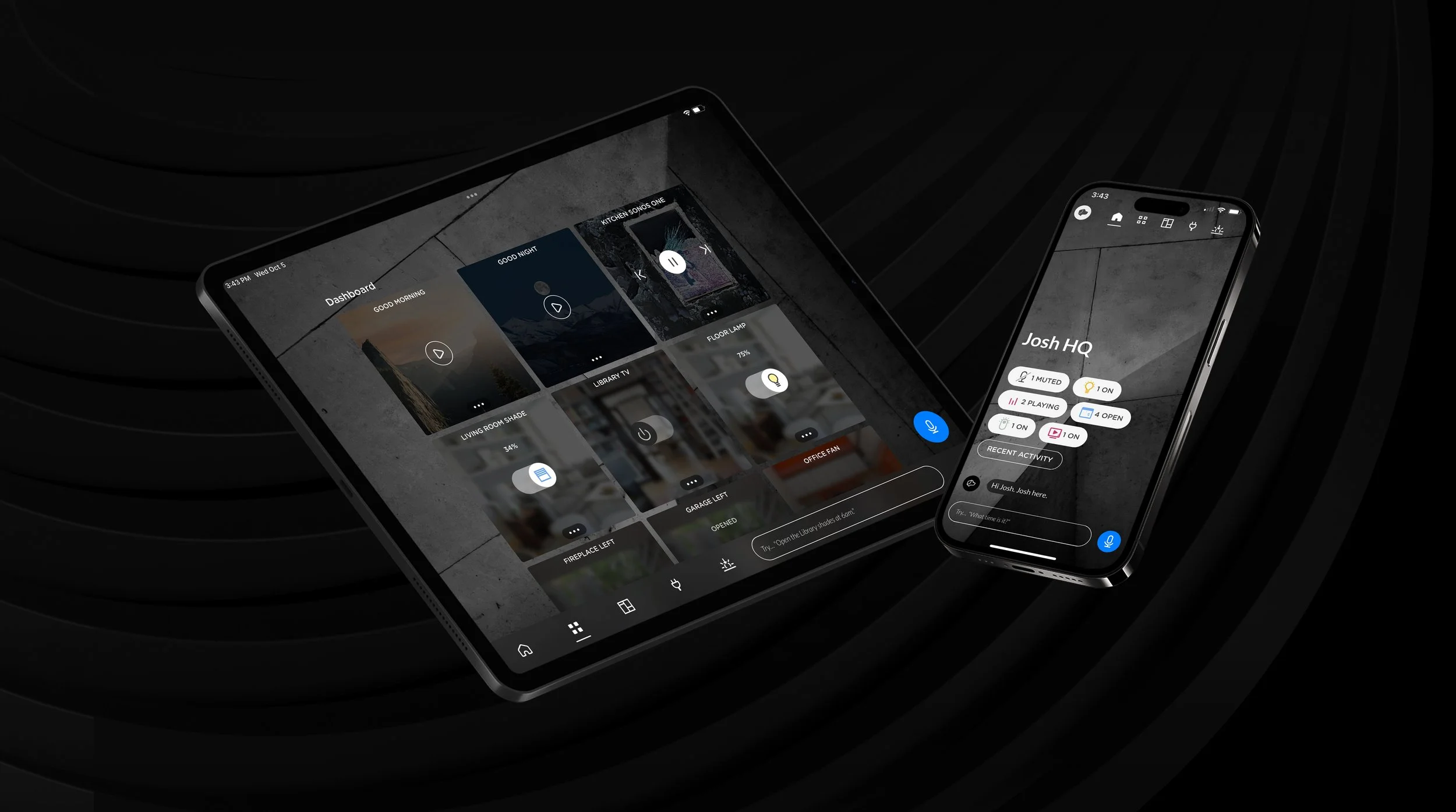
It’s to design and build infrastructure that allows the system to evolve without requiring massive overhauls to the structure or finished surfaces of a home. That comes down to three priorities: flexibility, stability, and long-term support.
Start with the Right Foundation
The most important decisions are made early.
Structured Infrastructure
A strong low-voltage and network foundation allows systems to expand over time without invasive changes.
Wiring, pathways, and equipment locations should be planned with future access in mind. This ensures new technologies can be added without rebuilding what’s already in place.
Reliable Networking
Every system depends on the network.
A properly designed network infrastructure considers immediate and future needs and provides ample connectivity for all hardwired and wireless devices in the home. It prioritizes hardwiring components that are fixed in place and leaves additional room for expansion in the future. Raceways are considered to allow additional wire to be pulled through the home in the future with minimal disruption with an understanding that needs may change in the future.
Coordinated System Design
Technology performs best when it’s planned as a complete system.
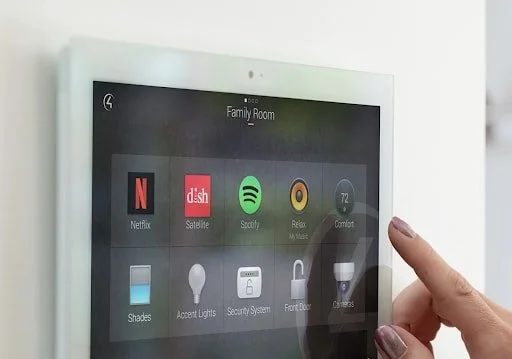
Lighting, shading, climate, and control should be coordinated from the beginning, reducing fragmentation and simplifying long-term support.
Not every component needs to last forever—but the system should be designed so parts can be updated without affecting the whole.
Planning for Long-Term Performance
Future-proofing is less about features and more about predictability.
Well-designed systems are
Stable under real-world conditions
Straightforward to maintain
Structured for ongoing updates
Supported by a team familiar with the system over time
This is what allows a home to continue performing as expected years after installation.
A More Practical Approach
Technology will continue to change.
Homes that are built around flexibility and strong infrastructure are better positioned to adapt without unnecessary complexity or disruption.
Start with the Right Plan
The difference is not the technology itself—it’s how it’s designed.
We help plan and implement systems that are structured for long-term performance, so your home continues to operate reliably as it evolves.