
A homeowner's guide | The Hamptons
How to Choose an AV Partner for Your Hamptons Estate
The right partner should understand more than speakers and screens. They should understand your property, the people who use it, and what dependable technology requires long after installation.
For a Hamptons estate, choosing an AV partner is a decision about planning, design, accountability, and peace of mind.
- Purpose
- Choose a long-term AV partner
- Property types
- Hamptons estates and seasonal homes
- Evaluate
- Planning, collaboration, support
- Next step
- Estate technology consultation
Start with the right questions
What should you look for in a Hamptons estate AV partner?
Look for a team that can evaluate the whole property, coordinate with your design and construction professionals, plan a reliable wired and wireless foundation, and explain how the systems will be tested, documented, maintained, and supported. Ask how independent systems will continue to function when an app, controller, or internet connection is unavailable.
A beautiful installation is only part of the picture. Your AV partner should be accountable for the everyday experience, from the main residence to guest accommodations, pool house, outdoor entertaining spaces, and the areas between them. The best selection process starts with how you live, rather than a list of products.
Seven criteria that matter
How to evaluate an AV company before signing
Estate-scale experience
Ask how the team approaches multiple buildings, large outdoor areas, and the different needs of family, guests, and staff. A single-room demonstration does not reveal how a system behaves across an entire property.
Ask: Can you show how you plan the entire estate?
Design and trade coordination
The AV partner should work alongside architects, interior designers, builders, and electricians early enough to resolve speaker placement, display locations, wiring routes, equipment space, and finishes.
Ask: Who coordinates technical decisions with our design team?
Network and infrastructure planning
Streaming, home controls, video, and wireless coverage require deliberate infrastructure. Understand how the team handles wired backbones, access points, property-wide coverage, and serviceable equipment locations.
Ask: What happens to AV performance when Wi-Fi is under pressure?
Resilience and ease of use
Systems should be simple for homeowners and guests, without making every basic function dependent on a single app or automation platform. Ask which essential features can work on their own.
Ask: What still works if integration or the internet is down?
Testing and commissioning
Installation is not the finish line. The team should test rooms and zones, confirm control behavior, evaluate coverage, and show you how daily activities work before handoff.
Ask: What is included in your final commissioning process?
Documentation and ownership
Request a clear scope, equipment inventory, labeled infrastructure, control documentation, and an explanation of access and ownership of system settings. Your property should remain maintainable as needs change.
Ask: What records and access do we receive at handover?
Local service and ongoing care
Seasonal use creates a different rhythm of support. Confirm who answers when a weekend guest cannot use the TV, how problems are diagnosed, and what happens before reopening the property each season.
Ask: Who supports this estate after installation, and how?
Architecture first
Choose a partner who protects the design
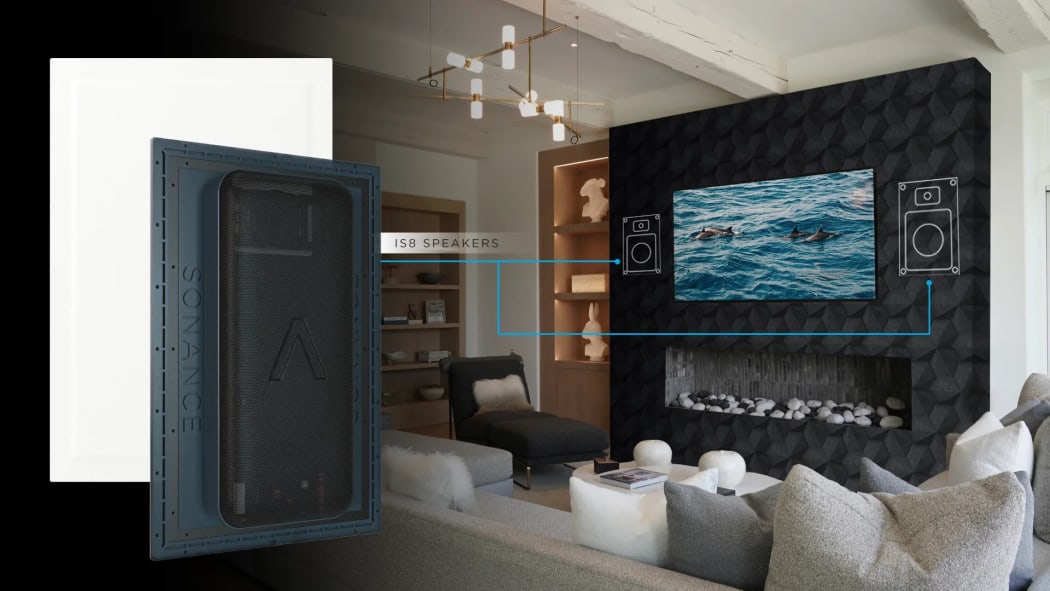
Technology in a Hamptons estate should complement the architecture, not compete with it. Concealed speakers, thoughtfully positioned displays, discreet controls, and equipment placed out of sight are easier to achieve when decisions are made during planning.
Ask your prospective partner to describe the coordination process with your architect, interior designer, and builder. Who reviews elevations? Who approves visible devices? Who notices potential conflicts before finished surfaces are installed?
Learn how HTE approaches collaboration with design and construction partners.
Before you approve a proposal
What should a useful estate AV proposal include?
A thoughtful proposal explains the decisions as well as the equipment. It should show how your home will be used, what the work covers, which disciplines need coordination, and what acceptance looks like at the end.
Compare prospective partners on the completeness of the scope, not simply the bottom-line number. Missing infrastructure, commissioning, or support requirements may not become obvious until the house is occupied.
- Room-by-room and outdoor-zone scope, including guest and ancillary buildings
- Network, wiring, and equipment-space requirements
- Plans for technology visibility and design coordination
- Clear exclusions, assumptions, and decisions still outstanding
- Testing, demonstration, handoff, and documentation expectations
- Support contacts, service arrangements, and future change planning
Why homeowners consider HTE
A technology relationship, not a one-time equipment purchase
Home Technology Experts has worked in residential technology since 2004 and maintains a presence in Southampton. Our approach begins with the experience the homeowner wants, then addresses the planning, infrastructure, coordination, commissioning, and continued support needed to make that experience dependable.
That can mean working with a design team before construction begins, helping an existing home evolve through carefully phased upgrades, or evaluating technology that has become difficult to manage. The common goal is a home whose systems feel intuitive, discreet, and predictable.
Review HTE's project portfolio to understand the range of spaces and experiences we design around.
Understand the service
See what a complete integration project can include.
AV integration for Hamptons homesStart the conversation
Discuss your property, priorities, and project stage.
Request an estate consultationCommon questions
Choosing an AV partner: FAQs
These are useful questions to ask any company you are considering, including HTE.
What is the difference between an AV installer and an AV integration partner?
An AV installer may focus on placing and connecting specified equipment. An integration partner takes responsibility for the coordinated design, infrastructure, programming, testing, documentation, and ongoing usability of multiple systems. For an estate, ask each company to define exactly which responsibilities are included.
When should I bring an AV partner into a new Hamptons estate project?
Ideally, involve the partner while architectural and interior plans are still being developed. Early coordination helps address wiring routes, speaker and display placement, wireless coverage, equipment rooms, and visible controls before construction decisions become difficult to change.
Should the AV partner also plan the estate network?
The AV team should at least coordinate network design with the responsible technology professional. Whole-home audio, streaming, control systems, and outdoor spaces depend on a suitable network foundation. Ask who owns the network scope, how the buildings connect, and how coverage and reliability will be tested.
How important is local support for a seasonal Hamptons home?
It is an important factor. Confirm how the company handles issues when the owner is away, what service is available during busy weekends, and how it prepares systems for seasonal use. Request written details of the support arrangement rather than relying on a general promise of responsiveness.
What should I ask about system independence?
Ask which everyday functions remain available if the internet fails or the central control platform becomes unavailable. A thoughtful system design can allow essential lighting, shades, and other functions to operate independently where practical, with integration providing convenience rather than becoming a single point of failure.