
YouTube TV’s New Multiview Feature: A Smarter Way to Watch Sports at Home
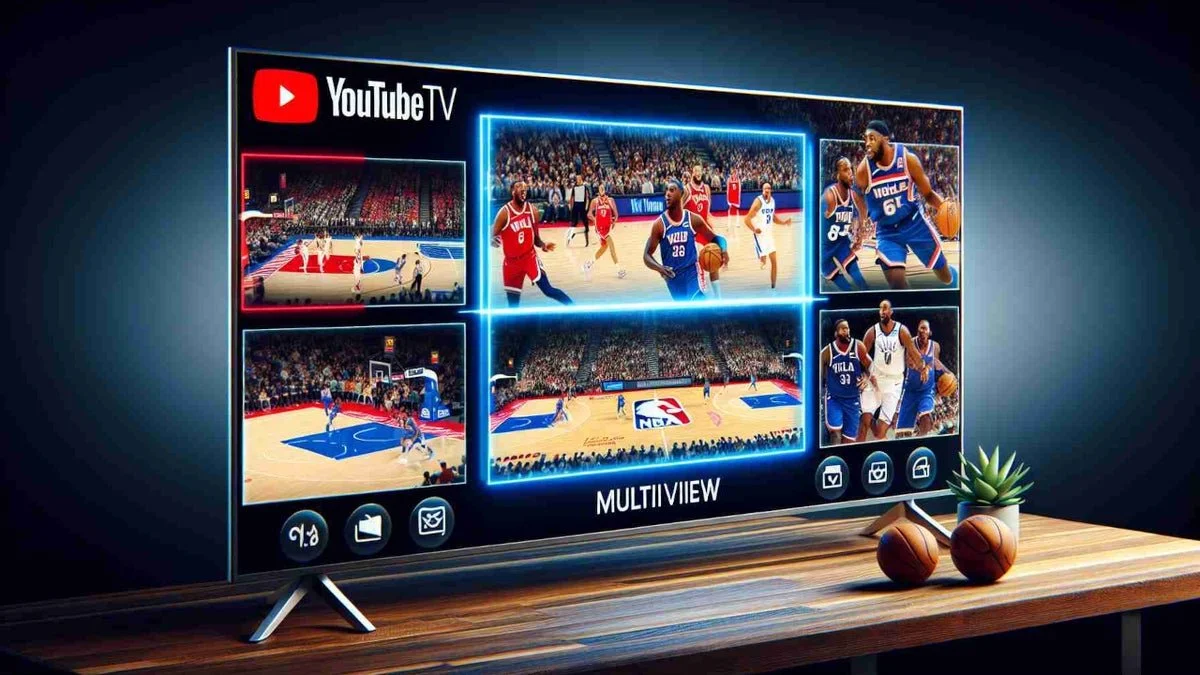
For years, watching multiple games at once required a fairly sophisticated home technology setup.
If you wanted Sunday football, the Masters, March Madness, the U.S. Open, and a news broadcast all visible at the same time, you were usually talking about a serious system: multiple video sources, advanced switching, custom programming, and sometimes even a dedicated video wall or tiling processor.
That type of system still has its place, especially in dedicated media rooms, sports lounges, bars, pool houses, and large-scale entertainment spaces. But for many homeowners, there is now a much simpler option.
YouTube TV has begun rolling out a more customizable version of its multiview feature, allowing subscribers to choose multiple live channels and watch them together on one screen. Reports describe the new experience as an “Add to multiview” option that can display up to four live streams, moving beyond the older preset combinations that YouTube TV previously controlled.
For sports fans, that is a big deal.
Why This Matters for Hamptons Homeowners
Many of our clients are moving away from traditional cable boxes and toward streaming-first entertainment.
In parts of the Hamptons, cable service is not always the most elegant or reliable experience. Seasonal homes, network limitations, service-provider constraints, and changing viewing habits have all pushed more homeowners toward platforms like YouTube TV, Apple TV, Netflix, Prime Video, ESPN, and other streaming apps.
The challenge has always been live sports.
Streaming works beautifully for movies and shows. But sports fans often want something different. They want to see multiple games at once. They want the main event on the big screen, another game in the corner, and maybe a third broadcast available without digging through menus. Until recently, that kind of experience required more equipment, more design, and more custom integration.
YouTube TV’s customizable multiview does not replace a true Savant tiling system, a dedicated video wall, or a professionally engineered multi-source distribution system. But it does bring a version of that experience to a much wider audience.
In other words: it is not the same as a custom sports bar system, but for many living rooms, media rooms, and casual entertainment spaces, it may be close enough.
A Simple Version of the Sports Command Center
The appeal is easy to understand.
With YouTube TV multiview, a homeowner can potentially watch several live channels on the same display without needing four cable boxes, four Apple TVs, a matrix switch, or custom video-wall hardware. The processing is handled by YouTube TV’s platform, which makes the experience far more accessible for everyday use. Android Authority notes that YouTube TV’s multiview can show two to four live streams and that the newer rollout is account-specific, meaning not every subscriber may see it immediately.
That distinction matters. This is still a streaming-app feature, not a guaranteed whole-home video architecture. Availability, channel eligibility, app behavior, audio control, and interface consistency are all dependent on YouTube TV.
But for the right client, it can be an excellent fit.
A homeowner who wants to watch four college football games on a Saturday may no longer need a highly customized video wall. A family hosting friends for March Madness may be able to create a more exciting game-day experience with a single app and one properly designed display setup. A casual sports fan may get the “multi-screen” feeling without adding much complexity at all.
That is the real game changer.
Not because it replaces custom technology, but because it gives more people access to an experience that used to require custom technology.
Why Ultra-Large TVs Make This Even More Interesting
Multiview becomes much more compelling when the screen is large enough to make each window feel useful.
On a modest television, four streams can feel cramped. On an ultra-large display, the experience starts to make sense. A 98-inch, 100-inch, or 115-inch TV can make each quadrant feel closer to a dedicated screen, especially in a family room, media room, or lower-level entertainment space.
This is where products like Samsung’s new 115-inch TV become especially interesting.
A display of that size changes the conversation. Instead of thinking only in terms of a projector, a traditional video wall, or multiple individual TVs mounted together, homeowners now have another option: one beautifully integrated ultra-large display that can handle movies, streaming, gaming, sports, and now a more practical multiview experience.
For many homes, that may be the sweet spot.
It is cleaner than installing multiple TVs. It is simpler than a video wall. It is easier to use than a professional tiling system. And when paired with the right network, control system, audio, seating layout, and installation plan, it can create an incredibly polished entertainment experience.
Where Custom Systems Still Win
That said, there is still a meaningful difference between app-based multiview and a true engineered video system.
A Savant tiling setup, dedicated video wall processor, or professional video distribution system can offer far more control. These systems may allow multiple independent sources, custom layouts, source routing, integration with remotes or touch panels, and more predictable behavior across different devices and rooms.
For a serious sports enthusiast, a dedicated entertainment space, or a client who wants the absolute best experience, custom technology is still the premium approach.
The difference is that not every homeowner needs that level of system.
Some clients want the full sports lounge. Others simply want an elegant way to watch several games on a Saturday without needing a technology degree to operate the room.
YouTube TV’s multiview gives us another tool in the toolbox.
The Part Many People Miss: Streaming Still Needs Infrastructure
Features like this make streaming feel simple. But behind the scenes, the home still needs to be designed properly.
A beautiful streaming experience depends on more than the app. It depends on the network. It depends on Wi-Fi coverage, hardwired connections where possible, display selection, remote control, audio design, surge protection, and support.
In larger homes, especially in the Hamptons, streaming reliability is often the difference between a room that feels effortless and a room that becomes frustrating every weekend.
That is where Home Technology Experts comes in.
We help clients design entertainment systems that match how they actually live. Sometimes that means a premium custom video distribution system. Sometimes it means a dedicated media room. Sometimes it means a simple, elegant large-screen TV with Apple TV, YouTube TV, Sonos or architectural audio, and intuitive control.
The best system is not always the most complicated one.
The best system is the one that works beautifully for the people using it.
A Better Game-Day Experience, Without the Old Complexity
YouTube TV’s customizable multiview is an important step forward for streaming households.
It gives sports fans a simpler way to enjoy multiple live events at once. It makes ultra-large TVs even more useful. And it creates a compelling middle ground between a standard single-screen setup and a fully custom video wall.
For Hamptons homeowners who are moving away from traditional cable, this is exactly the kind of technology worth paying attention to.
Not because it replaces thoughtful home technology design.
Because it makes thoughtful design even more valuable.
When the app, display, network, audio, and controls are all planned correctly, a simple feature can feel like a luxury experience.
And that is where the magic happens.
Frequently Asked Questions About Home Technology Experts
What makes your approach different from typical smart home systems?
Most systems are built over time using different products and platforms.
We design everything as a single, integrated environment from the start—so lighting, climate, audio, security, and control all work together seamlessly.
The result is a system that feels effortless, not complicated.
Do I need to be building a new home to work with you?
Not at all.
While many of our projects are part of new construction, we also work with renovations and existing homes. The key is planning the system thoughtfully so it integrates cleanly with the space.
What types of homes are the best fit for this kind of system?
Our work is typically best suited for:
New builds
Major renovations
Homes where a cohesive, whole-home experience is a priority
If you’re looking for a more tailored, long-term solution rather than piecemeal upgrades, you’re in the right place.
Is this complicated to use day-to-day?
No—that’s exactly what we solve.
The goal is not to add complexity, but to remove it. Most systems are designed around simple, intuitive control—often with one-touch scenes or automation that happens in the background.
Can this work with the technology I already have?
In many cases, yes.
We evaluate existing systems and determine what can be integrated, improved, or replaced to create a more cohesive experience. The goal is always to make everything work together cleanly.
How involved do I need to be in the process?
As involved as you’d like to be.
We guide the design and technical decisions, but everything is built around how you live. Some clients want to be deeply involved, others prefer a more hands-off approach—we support both.
What happens after installation is complete?
We stay involved.
Ongoing support ensures your system continues to perform as expected, adapt to changes, and remain easy to use over time.
How long does the process typically take?
It depends on the scope of the project.
For new construction and larger renovations, we align with the overall build timeline. For smaller upgrades, timelines are shorter. We’ll outline a clear plan once we understand your project.
Do you work with architects and builders?
Yes—collaboration is a key part of our process.
We regularly work alongside architects, builders, and designers to ensure the technology integrates cleanly into the overall vision of the home.
What is the next step if I’m interested?
Start with a consultation.
We’ll discuss your home, your goals, and how a fully integrated system could be designed around your lifestyle.