
Creating a Safer, More Inviting Home After Dark
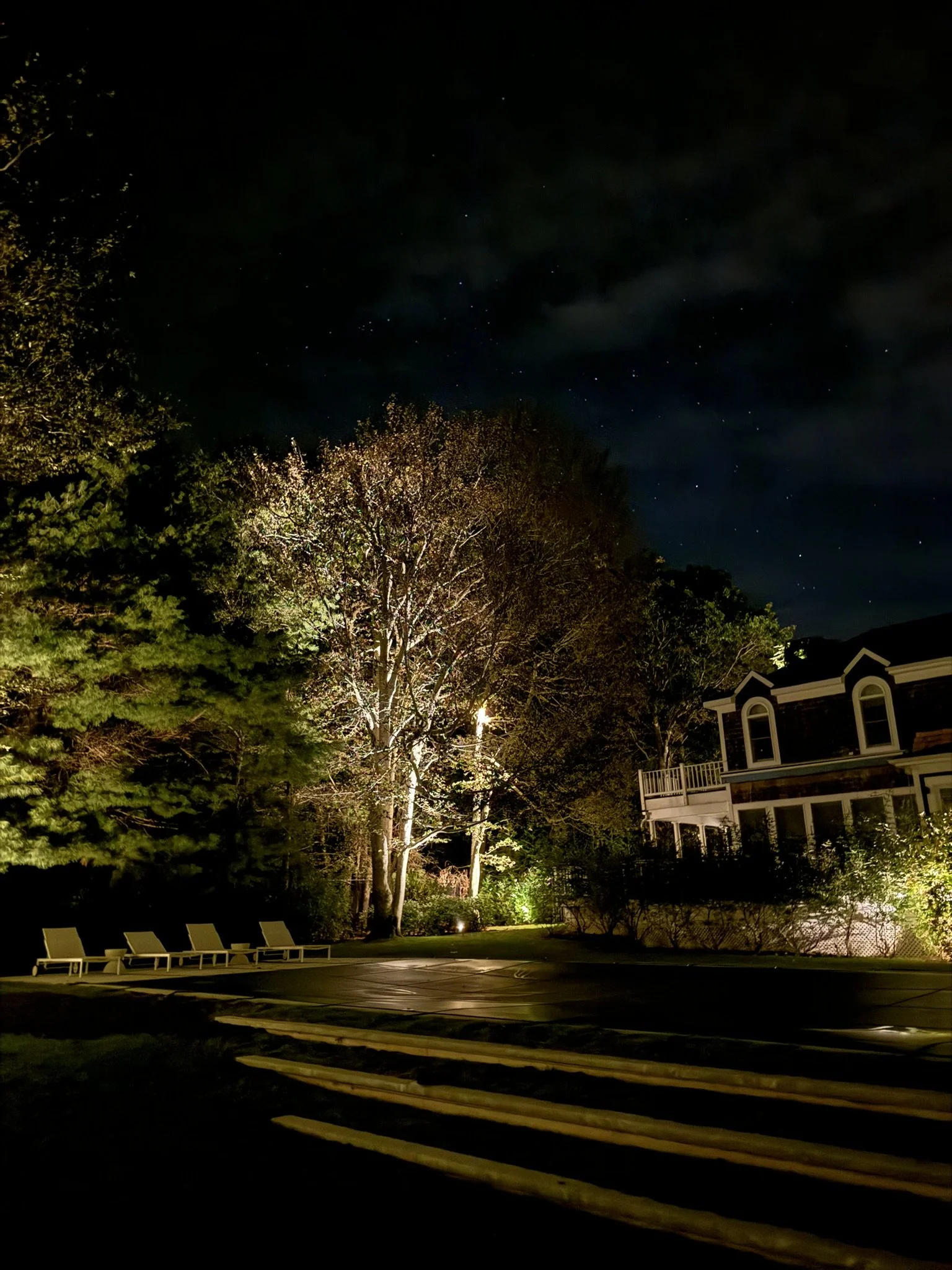
Exterior Home Lighting Ideas: Creating a Safer, More Inviting Home After Dark
Exterior home lighting does more than make a house visible at night—it shapes how your home is experienced, navigated, and enjoyed. A well-planned lighting approach balances safety, comfort, and aesthetics while working quietly in the background.
The most effective exterior lighting designs layer different types of light, each with a clear purpose. Rather than relying on a single fixture style, the goal is to create a cohesive system that feels intentional and effortless.
Task and Safety Lighting
Task lighting focuses on visibility and movement. It’s the foundation of any exterior lighting plan and often the most practical place to start.
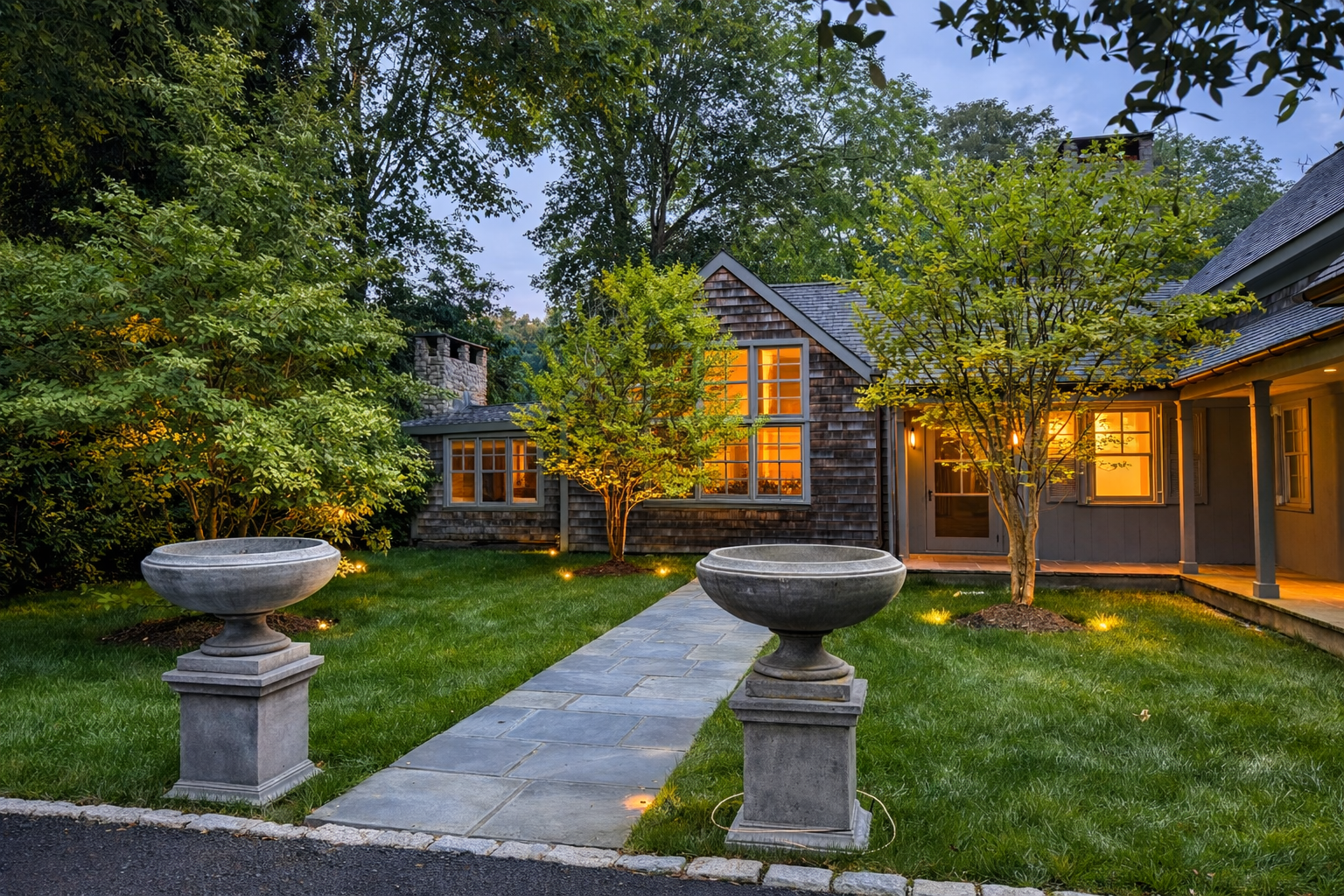
Pathway Lighting
Low-profile pathway lights guide movement along walkways, driveways, and garden paths. When spaced evenly, they provide safe navigation without glare or harsh brightness. Solar-powered options can work well for simple paths, while wired systems offer greater consistency and control for long-term performance.
Entry and Doorway Lighting
Front doors, side entrances, and garage access points benefit from focused illumination. Proper entry lighting improves visibility for keys, steps, and visitors while also reinforcing a welcoming first impression.
Driveways and Steps
Subtle lighting along steps and grade changes helps prevent trips and falls. Recessed step lights or carefully aimed fixtures keep light where it’s needed without drawing attention to the source.
Ambient and Decorative Lighting
Ambient lighting adds warmth and atmosphere, extending the usability of outdoor spaces.
String lights, lanterns, and soft decorative fixtures work well for patios, decks, and entertaining areas. These elements create a relaxed, inviting mood but are best used as accents—not primary light sources. When layered with task lighting, they add character without sacrificing function.
Architectural and Landscape Lighting
Architectural and landscape lighting brings depth and structure to the exterior of a home.
Architectural Lighting
Uplights, downlights, and spotlights highlight architectural features such as facades, columns, or unique materials. When done with restraint, this type of lighting enhances curb appeal and gives the home presence after dark.
Landscape Lighting
Trees, plantings, and garden features can be softly illuminated to add dimension and visual interest. Techniques like downlighting or grazing create natural-looking effects that feel calm rather than theatrical.
Energy-Efficient and Modern Options
Today’s exterior lighting systems prioritize efficiency and control.
LED Fixtures offer long life, lower energy use, and consistent performance
Motion-Sensor Lighting adds security where light is only needed intermittently
Dusk-to-Dawn Fixtures provide reliable illumination without daily adjustment
Solar Lighting offers simple installation for select applications, though output and consistency can vary
For homeowners looking for seamless operation, integrated lighting controls allow exterior lights to work automatically—responding to time of day, occupancy, or schedules without constant input.
A Thoughtful Approach Makes the Difference
Exterior lighting works best when it’s planned as a system, not a collection of fixtures. Each layer—task, ambient, and architectural—plays a role in creating a home that feels safe, welcoming, and refined after sunset.
At Home Technology Experts and our sister company Hamptons Landscape Lighting, we design exterior lighting to feel natural and dependable, enhancing how a home is used without overcomplicating the experience. When lighting is done right, it simply works—night after night.
LEARN MORE: MAKE 2026 THE YEAR YOUR HOME FEELS INTELLIGENT