
How AI Is Transforming the Modern Home
A Smarter, More Intuitive Home Starts With Home Technology Experts.
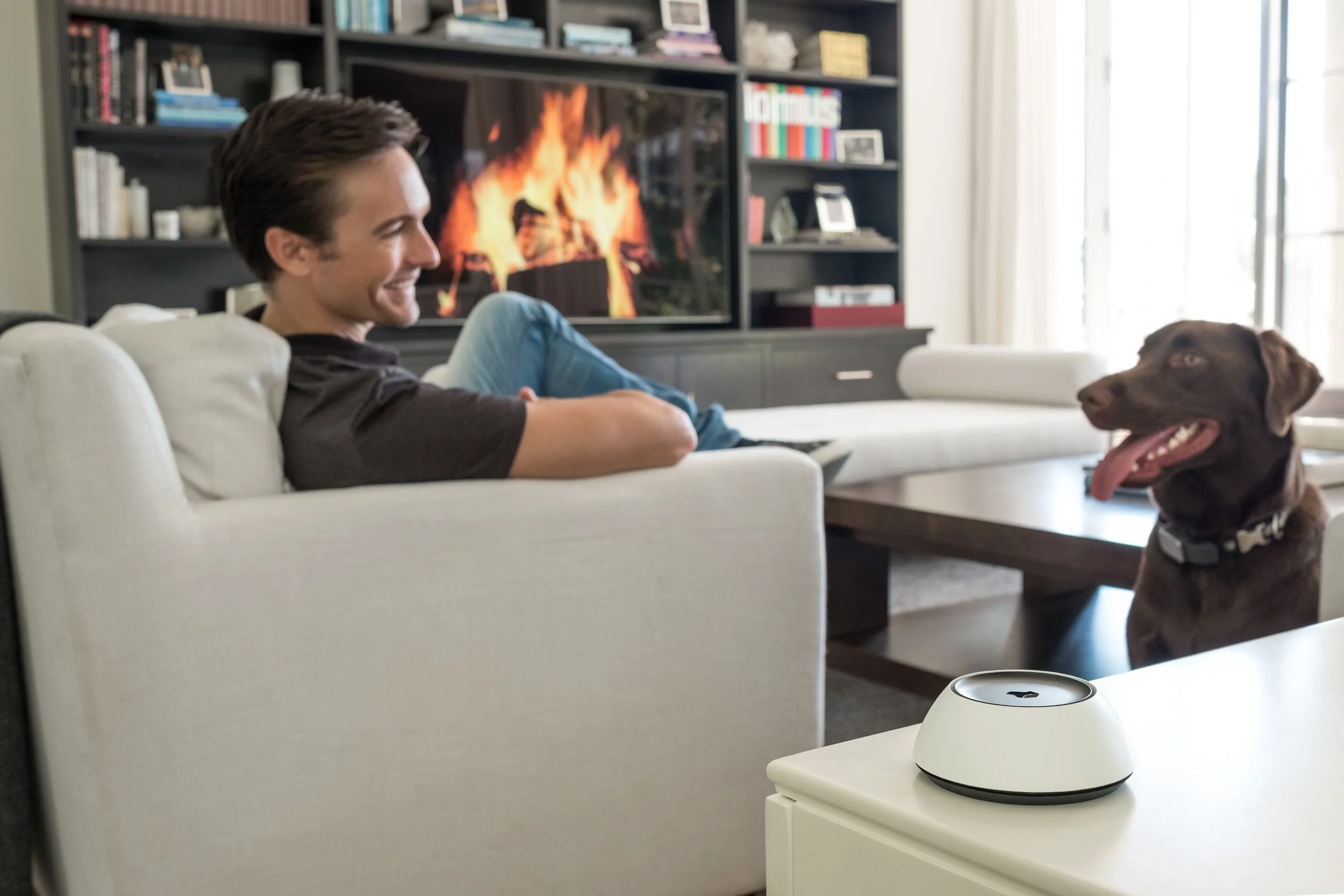
AI is shifting the smart home from device-based control to true home intelligence with products like Josh.ai.
Smart home technology is evolving quickly, and AI is changing how homeowners experience their spaces. Today’s systems are no longer just reactive—they learn, adapt, and quietly anticipate daily needs. The modern home is becoming an intelligent ecosystem, designed to simplify life rather than complicate it.
At Home Technology Experts, we help homeowners take advantage of this shift. We design AI-enabled systems that make homes easier to live in, more energy-efficient, and more secure—without making technology feel front and center.
From Smart Devices to True Home Intelligence
AI is moving the smart home beyond button presses and voice commands. Lighting, climate, audio, and security can now respond to patterns, context, and routines instead of constant manual input.
This next generation of smart homes is defined by:
Predictive automation that adjusts lighting and temperature automatically
Reliable device communication through Matter
Local, privacy-focused processing
Personalized routines that evolve as lifestyles change
Smarter energy use with minimal homeowner involvement
The result is not just convenience, but a calmer, more intuitive way of living.
Predictive Automation and Smarter Energy Use
Modern AI-driven systems learn how a home is used and make adjustments in real time—often reducing energy consumption without affecting comfort.
Today’s systems can:
Learn occupancy patterns and optimize HVAC schedules
Adjust settings based on weather and energy rates
Coordinate lighting, shading, and security seamlessly
Reduce wasted energy through intelligent sensors and controls
These systems work quietly in the background, keeping the home comfortable while operating more efficiently.
Adaptive Routines That Feel Natural
AI doesn’t lock homeowners into rigid schedules—it adapts.
Whether evenings run late or routines change seasonally, the home responds automatically. Lighting, climate, and energy usage adjust together, eliminating the need to manage each system individually.
At HTE, these experiences are carefully designed so technology feels supportive, never overwhelming.
Health, Safety, and Everyday Well-Being
AI-powered homes also enhance wellness and peace of mind. Systems can monitor air quality, support circadian lighting patterns, improve home security, and assist with aging-in-place solutions.
The home becomes more than automated—it becomes attentive.
What This Means for HTE Clients
AI is becoming the foundation of modern luxury homes. Our role is to guide clients through this complexity and design systems that are reliable, elegant, and built for the long term.
With Home Technology Experts, you can expect:
Seamless integration across all systems
Technology that adapts to how you live
A strong focus on privacy and security
Energy efficiency balanced with comfort
A Thoughtful Approach to Intelligent Living
AI-driven homes represent the next evolution of residential living—more intuitive, more efficient, and more responsive. As standards mature and technology continues to advance, the most successful homes will be those where everything works quietly in harmony.
At Home Technology Experts, we design and integrate these systems so technology enhances your home without demanding attention—delivering simplicity, reliability, and confidence every day.
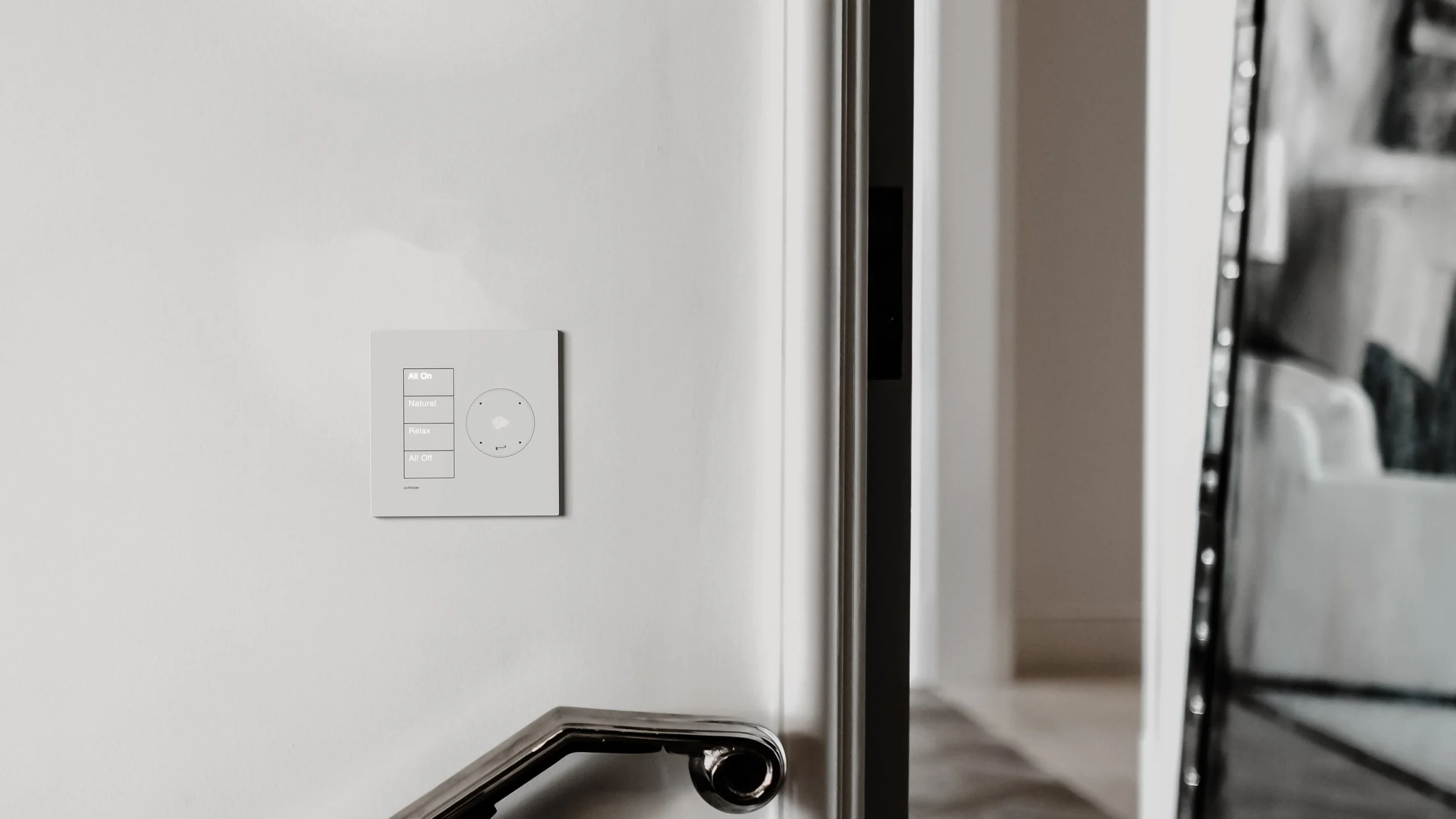
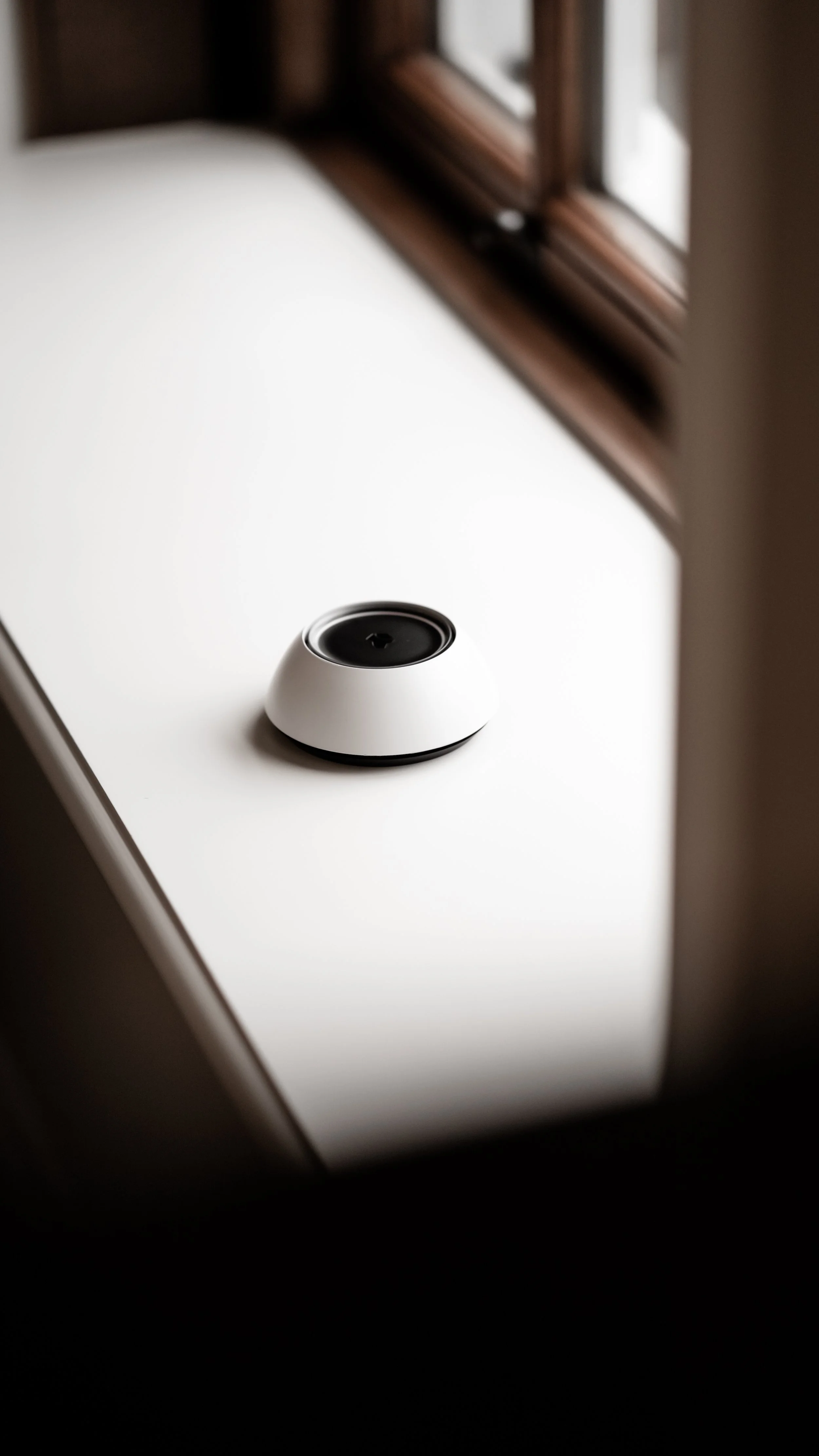
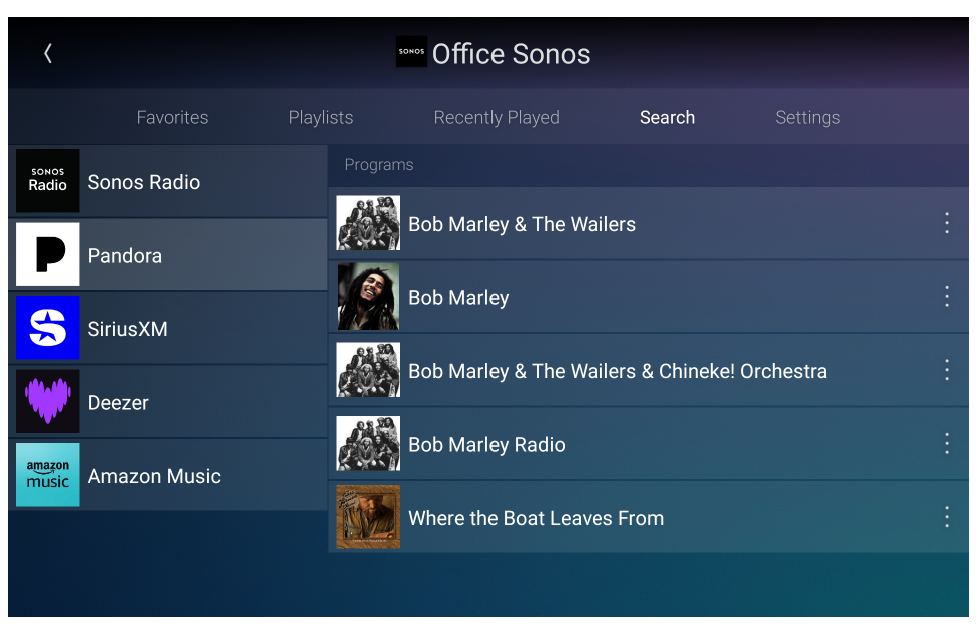

Frequently Asked Questions
1. What is predictive home automation?
AI learns your daily routines and automatically adjusts lighting, temperature, and devices to match your lifestyle.
2. How does smart home AI reduce energy usage?
By predicting occupancy, adjusting HVAC schedules, and responding to utility pricing, homes can reduce energy consumption by 15–30%.
3. Will my devices work together?
With Matter, most major smart home brands will communicate seamlessly by 2026.
4. Is this technology secure?
Yes. Edge-based AI processing keeps data local, and modern systems use zero-trust authentication for device security.