
Make Your Smart Home Intelligent
Make 2026 the Year
Your Home Finally Feels Intelligent
Luxury today is not defined by novelty gadgets or complicated apps. It is defined by homes that work quietly, reliably, and without friction.
If your smart home still feels almost smart—promising in theory but inconsistent in practice—2026 is the right moment to reset the approach.
Thanks to better local control, more capable sensors, and a more mature group of technology platforms, the modern smart home has finally grown up. The focus is no longer on tinkering or troubleshooting. It is on creating a home that supports how you actually live—calmly, predictably, and without constant attention.
The smartest luxury homes are no longer built around visible gadgets. They are built around systems that work quietly in the background, coordinated infrastructure that remains dependable over time, and technology that feels composed rather than reactive.
Here is where to focus as you bring your home into the year ahead.
A composed home starts with local control.
For years, cloud control was presented as the future of the smart home. In practice, it often became the source of its biggest frustrations—lag, outages, and unnecessary dependence on outside servers.
In 2026, local control is one of the most important upgrades a home can make. Professional platforms like Control4, Savant, and Josh.ai prioritize systems that operate inside the home rather than constantly reaching out to the cloud.
When lighting scenes, climate adjustments, or entertainment commands are processed locally, the response is immediate and consistent. The home feels calm, stable, and far more predictable.
Commands feel immediate.
Less reliance on outside services.
Fewer points of failure.
Automations behave predictably.



A refined smart home is built on infrastructure first.
Wi-Fi is essential for mobile devices, streaming, and cameras. But homes that rely exclusively on Wi-Fi for automation often feel fragile over time.
Reliable systems combine several types of networks working together. Low-power mesh protocols like Zigbee and Z-Wave remain excellent choices for lighting, switches, and sensors because they are stable, efficient, and designed specifically for automation devices.
Alongside these protocols, the overall network architecture matters just as much. Professional-grade routers, switches, wireless access points, and power management systems form the backbone that keeps everything running smoothly. These are the kinds of platforms we design and support at Home Technology Experts.
When the foundation is designed properly, everything above it becomes far more predictable—and far easier to support over time.
Better homes are built with better choices, not more products.
Some of the most meaningful innovation in the smart home world is not coming from the biggest consumer electronics companies.
Lighting manufacturers are improving color quality and fixture design. Security platforms are offering sophisticated monitoring without forcing homeowners into expensive subscription models. Sensor and control companies are creating hardware that integrates cleanly into real homes without compromising aesthetics.
Many of these brands focus on something especially important: making the existing home smarter rather than replacing everything inside it.
At HTE, we work with a carefully selected group of manufacturers that meet our standards for reliability, design, and long-term support. Explore many of those partners on our brands page.





Good automation feels like quiet coordination.
Automation in 2026 should feel less like control and more like thoughtful support. Voice assistants are improving rapidly, but what makes a home feel intelligent is still good sensing and good automation design.
Smart homes do not truly “learn” your life the way people often imagine. What actually creates a smooth experience is reliable sensing paired with clear logic.
Modern presence sensors can detect occupancy with remarkable accuracy. Lighting can respond automatically when someone enters a room and remain active as long as the space is in use. Geo-fencing can prepare the home before arrival, adjusting light, comfort, and selected scenes without requiring a command.
The visible experience depends on invisible infrastructure.
Behind every reliable smart home is infrastructure most people never see. Strong Wi-Fi coverage is only part of the equation.
A refined system typically includes Wi-Fi 6 or 6E coverage, Ethernet backhaul between network devices, dedicated switches, power management, and structured wiring that allows the home to grow over time.
In more advanced properties, local computing hardware such as a small server or NAS can support private automation services, secure storage, and specialized control.
These are not the glamorous parts of a project. They are the parts that make everything else feel smooth and dependable every day.
Wireless designed for the property, not patched together room by room.
Hardwired paths create stability where performance matters most.
Critical equipment stays protected and better behaved over time.
Private automation and secure storage can remain inside the home.
“Local computing hardware such as a small server or NAS can support private automation services, secure storage, and specialized control.”

Move the intelligence to the switch or circuit level.
Lighting remains one of the most transformative smart home upgrades, but the approach has evolved.
Instead of filling a home with individual smart bulbs, the most refined systems move the intelligence to the switch or circuit level. This allows homeowners to keep the fixtures they love while still gaining full automation and scene control.
The result is consistent lighting behavior, intuitive controls, and a home that works naturally for guests and family members alike. The technology adapts to the architecture rather than forcing the architecture to adapt to the technology.
Scenes behave the same way every time.
Wall controls still make sense for everyone.
Fixtures remain the focus, not the technology.
A truly intelligent home should also be a secure one.
Segmenting devices on the network, enabling two-factor authentication, and choosing manufacturers with strong security practices all help protect the system.
Whenever possible, systems that prioritize local operation over constant cloud reliance provide an additional layer of control.
A home that understands your environment should never expose more information than necessary.
Protects critical accounts and remote access points.
Keeps smart devices separated from other sensitive systems.
Reduces unnecessary exposure to outside services.
Reliable long-term support matters as much as product features.


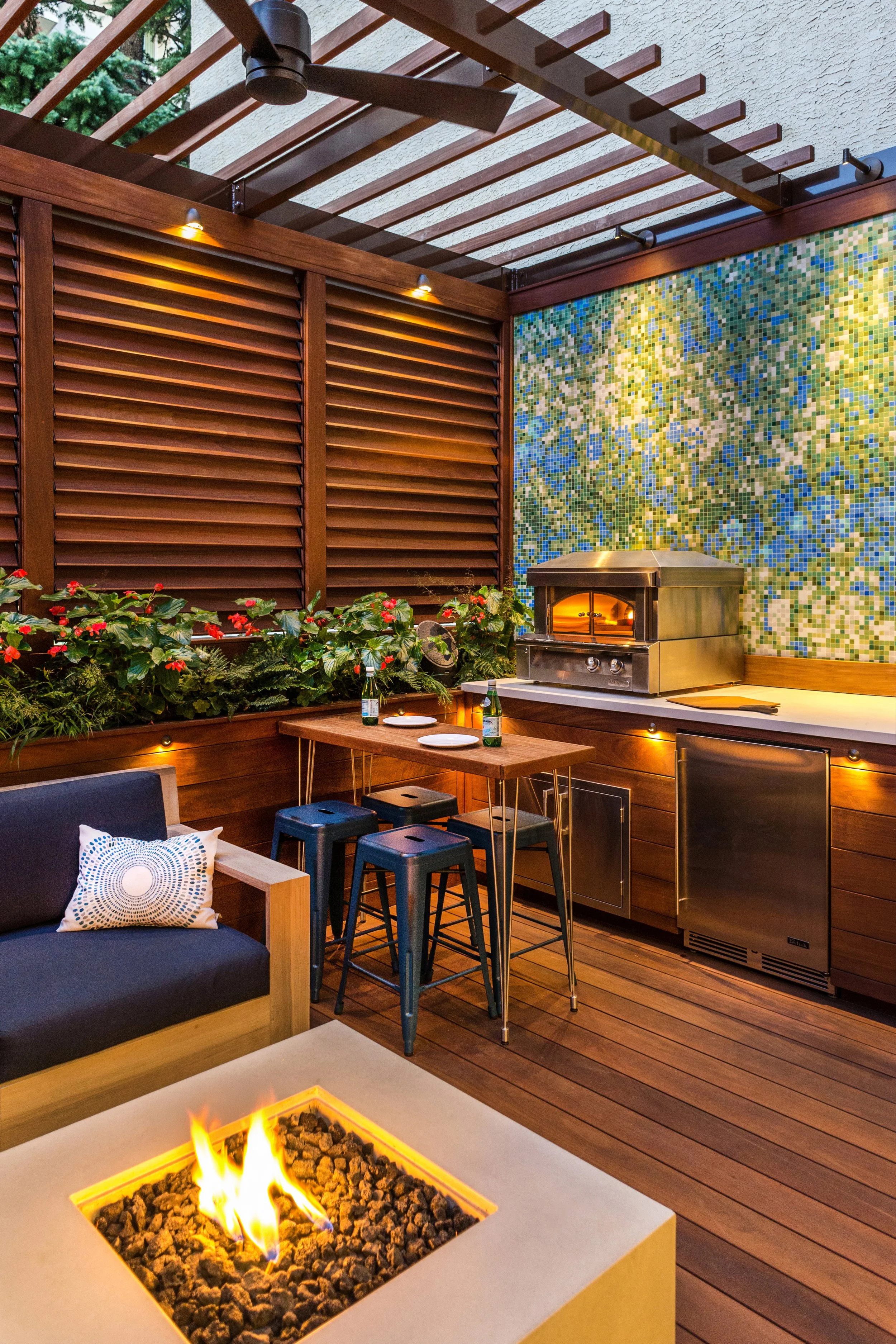
The best smart homes are designed as coordinated systems.
A central platform—such as Control4, Savant, Josh AI, or another professional automation system—quietly manages lighting, climate, security, entertainment, and sensors across the home.
Voice assistants can enhance the experience, but they should not be responsible for holding the system together. When everything is integrated properly, the home works even when apps are closed, voices are silent, and guests are present.
The experience remains consistent for everyone.
Less technology friction. More calm.
The goal of a luxury smart home is not more technology. It is less friction. A home that fades into the background. A home that adapts rather than demands. A home that supports your life instead of asking you to manage it.
When done well, the smartest home is the one you barely notice—because everything simply works.
If you are ready to move beyond “almost smart,” Home Technology Experts can help you design a system that is reliable, serviceable, and built to support your home long-term.
Designing a Smarter Home in 2026
What makes a home truly intelligent in 2026?
An intelligent home is not defined by the number of devices it contains. It is defined by how reliably lighting, climate, security, and entertainment work together to support daily life without constant input.
Do smart homes still rely on the cloud?
Some devices still do, but professionally designed systems increasingly prioritize local control whenever possible. That reduces lag, improves reliability, and gives homeowners more confidence around privacy and long-term stability.
Do voice assistants actually learn how I live?
Not in the way people often imagine. The real intelligence in most homes comes from sensors and well-designed automation logic, such as presence sensing and geo-fencing, rather than a system studying your habits.
Can a home prepare itself when I am arriving?
Yes. With properly configured geo-fencing and sensors, a home can activate pathway lighting, adjust the indoor temperature, illuminate entry points, and transition to an evening scene before you walk in.
Why is the home network so important?
Every smart home depends on a stable network. Carefully designed Wi-Fi, Ethernet backhaul, switches, and power management make the entire system more responsive and more dependable.
Should everything in a smart home run on Wi-Fi?
Not necessarily. Wi-Fi is essential, but many automation devices perform better on dedicated protocols such as Zigbee or Z-Wave. The best systems use multiple technologies working together.
Are smart bulbs the best way to automate lighting?
In most luxury environments, switch-level or circuit-level control is the better long-term solution. It preserves decorative fixtures while keeping the experience intuitive for family and guests.
Do I need major consumer brands to build a smart home?
No. Many of the most reliable solutions come from specialized manufacturers focused on lighting control, automation, networking, and sensors. HTE works with a curated set of partners selected for reliability, design, and support.
Can a smart home be private and secure?
Yes. Secure platforms, two-factor authentication, network segmentation, and local-first system design all contribute to a more private and secure home environment.
How do I know if my current system needs improvement?
Many homeowners reach out when their system feels slow, inconsistent, overly dependent on multiple apps, difficult for guests to use, or hard to maintain and expand. Those are usually signs the system was assembled product by product instead of designed as a cohesive platform.
What does a professionally designed system actually provide?
A professionally designed smart home focuses on predictability, coordination, and long-term support. Instead of juggling devices and apps, the home operates through a unified platform that quietly manages lighting, climate, security, entertainment, and automation.