
Has Your Router Been Banned? What the New U.S. Rule Actually Means
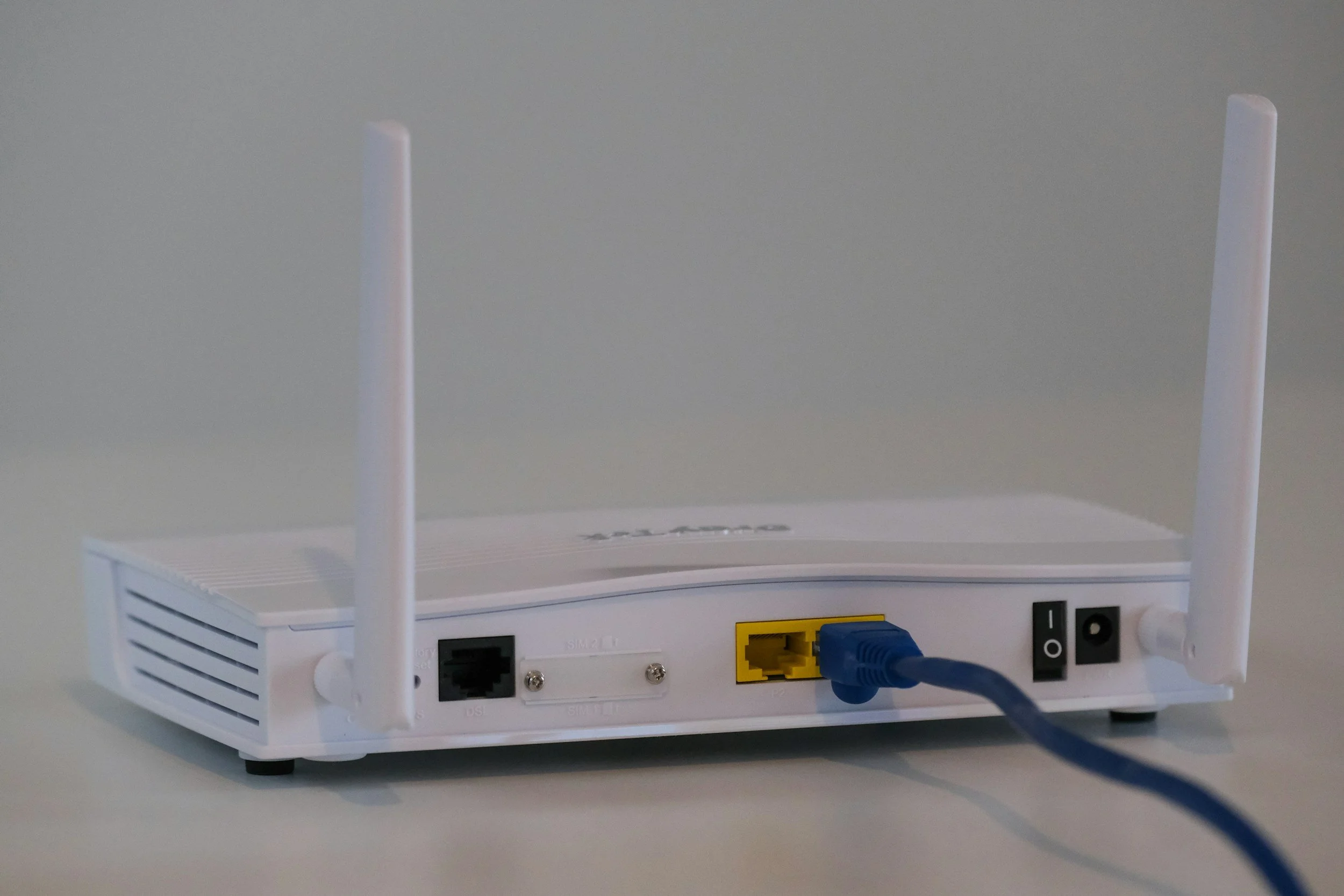
If you have seen headlines about a new router ban and immediately wondered whether the device tucked away in your closet is suddenly a problem, you are not alone.
The short answer is reassuring: if you already own a router, the government is not taking it away, and you do not need to replace it overnight. The recent FCC action targets new foreign-produced consumer-grade routers seeking authorization going forward, not the routers already installed in homes across the country. Previously authorized models can still be sold, and consumers already using covered routers do not have to do anything right now.
That said, the headlines are not meaningless. They point to a bigger issue that matters to homeowners, builders, and anyone relying on connected technology every day: your home network is no longer a background utility. It is part of your home’s infrastructure. And when that foundation is weak, outdated, or poorly planned, everything built on top of it starts to feel less reliable.
What did the government actually do?
In March 2026, the FCC moved to block new foreign-made consumer routers from receiving the approvals typically needed to be imported, marketed, or sold in the United States. The agency tied the action to national security concerns and cited cyber campaigns such as Volt Typhoon, Flax Typhoon, and Salt Typhoon in its justification.
What it did not do is just as important:
It did not ban homeowners from using routers they already own.
It did not create a recall of existing home routers.
It did not wipe current inventory off store shelves if those models were already authorized.
So if you are reading this from a house full of smart TVs, lighting controls, cameras, speakers, shades, and access points, take a breath. This is not a panic moment. It is more of a wake-up call.
Why this matters more than people think
Most people only think about their router when the Wi-Fi drops.
But in a modern home, the network touches almost everything. Streaming, music, cameras, security notifications, remote access, work-from-home performance, motorized shades, control systems, and service diagnostics all depend on a stable and well-designed foundation. When the network is treated like an afterthought, the entire experience becomes less elegant, less predictable, and far more frustrating.
That is why this story is bigger than policy. It reminds us that the router is not just a box from an internet provider. It is one of the central pieces of infrastructure in the home.
A beautiful smart home can still feel clumsy if the network behind it is unreliable.
So… should you replace your router?
Not necessarily.
A scary headline is not, by itself, a reason to start over. But it is a good reason to ask better questions:
Is your router current and still supported?
Are firmware updates still being released?
Is your network sized properly for the home?
Are connected devices dropping off unexpectedly?
Are there dead zones, slow handoffs, or inconsistent performance?
Has your internet speed improved over the years while your networking hardware stayed the same?
If your home is performing well, you may not need to do anything right now. But if you have been living with odd Wi-Fi issues, unreliable smart home performance, or a patchwork of gear added over time, this is a smart moment to evaluate what is really happening behind the scenes.
What homeowners should do right now
The best next step is not fear. It is clarity.
Start with a simple review of your current network:
1. Confirm what equipment you have.
Many homeowners are not entirely sure what router, access points, switches, or ISP equipment are actually in place.
2. Check support status and updates.
Even before this new rule, one of the biggest real-world risks with routers was not where they were made, but whether they were still being updated and properly maintained. Coverage of the FCC move has noted that vulnerable, unpatched hardware remains a broader issue across the market.
3. Look at the whole network, not just the router.
In larger or more design-sensitive homes, the better answer is often not “buy a new router,” but “design the network correctly.”
4. Plan ahead if you are building or renovating.
If future availability shifts for certain router categories or brands, thoughtful pre-planning becomes even more valuable. The best systems are designed intentionally, not assembled in a rush after move-in.
The HTE perspective
At Home Technology Experts, we believe luxury is simplicity. And simplicity is very hard to achieve when the network underneath the home is unstable, outdated, or pieced together without a plan.
This new FCC rule does not mean your current router has suddenly been “banned.” But it does reinforce something we have known for a long time: the network deserves more attention than it usually gets.
When the network is designed well, everything above it feels better. The music starts when it should. Video streams cleanly. Remote access works. Security systems stay connected. The home feels calm, responsive, and effortless.
That is the real takeaway here.
Not fear.
Not hype.
Just a reminder that the unseen infrastructure matters.
Final thought
If you are unsure whether your current network is still serving your home well, now is a good time to review it. Not because the headlines say to panic, but because your home depends on it more than ever.
And when the network disappears into the background, that is usually a sign it was designed the right way.
Need help evaluating your home network?
HTE can help you assess whether your current setup is secure, current, and properly matched to the way your home actually lives.