
Make 2026 the Year Your Home Finally Feels Intelligent
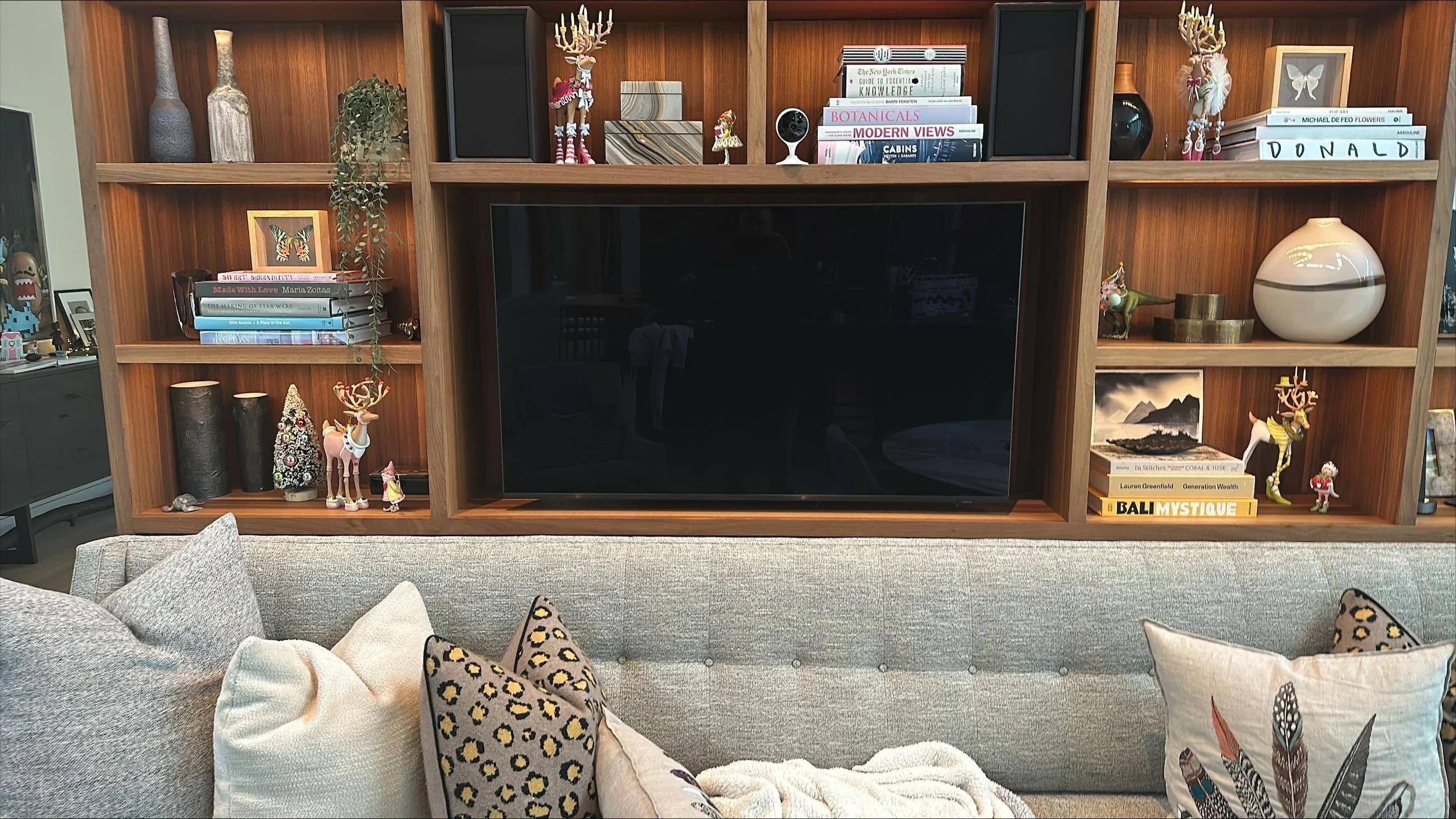
If your smart home still feels almost smart—promising in theory, inconsistent in practice—2026 is the year to reset.
Luxury today isn’t defined by novelty gadgets or complicated apps. It’s defined by homes that work quietly and reliably, without constant attention. Thanks to better local control, more capable sensors, and a maturing group of thoughtful technology brands, the modern smart home has finally grown up.
The focus is no longer on tinkering or troubleshooting. It’s on creating an environment that understands how you live—and supports it naturally, without being asked.
Here’s where to focus as you bring your home into the year ahead.
Keep Intelligence Local
For years, cloud control was positioned as the future of the smart home. In reality, it often became the source of its biggest frustrations—lag, outages, and lingering privacy concerns.
In 2026, local control is the single most important upgrade you can make.
New standards like Matter are improving compatibility, while platforms such as Apple Home and Home Assistant now prioritize on-device execution. The result is immediate response, greater reliability, and far more control over your data.
When choosing lighting, sensors, or controls, favor products designed to function locally. The difference is subtle—but unmistakable. Spaces respond instantly. Automations feel natural. Your home feels composed rather than reactive.
Build on the Right Foundations
Wi-Fi is essential for media, cameras, and cloud-based services. But homes built entirely on Wi-Fi tend to feel fragile and inconsistent over time.
That’s why established protocols like Zigbee and Z-Wave continue to matter in well-designed systems. These low-power mesh networks are stable, resilient, and ideally suited for lighting, switches, and sensors.
Even as Matter simplifies the landscape, these technologies remain the quiet backbone of reliable homes—integrated seamlessly so the complexity stays out of sight.
Look Beyond the Obvious Brands
Some of the most meaningful innovation today is happening outside the most recognizable names.
Lighting manufacturers are delivering excellent color quality without inflated pricing. Security brands are offering advanced features without locking homeowners into monthly fees. Sensor and control companies are creating elegant hardware that integrates beautifully into real homes.
Just as important, many newer brands focus on making existing elements smarter—switches, circuits, and fixtures—without forcing visual compromises or unnecessary replacements.
Luxury isn’t about excess hardware. It’s about intelligent restraint.
Let Your Home Anticipate You
Automation in 2026 should feel less like control—and more like anticipation.
Modern presence sensors can understand occupancy with remarkable accuracy, even recognizing where people are within a space. Lights stay on when they should. Climate responds to actual use rather than rigid schedules. Rooms adapt organically, without commands or reminders.
Paired with increasingly capable AI—from smarter cameras to more natural voice assistants—your home can begin refining its behavior over time, reducing the need for interaction altogether.
This is where technology disappears into experience.
Strengthen the Backbone
A refined smart home depends on a solid infrastructure.
Wi-Fi 6 or 6E mesh systems, reliable Ethernet backhaul, and carefully placed wired devices dramatically improve performance. In more advanced systems, a dedicated mini-PC or NAS provides the processing power needed for local automation, private voice control, and custom dashboards.
These elements are rarely visible—but they’re felt every day.
Rethink Smart Lighting
Lighting remains one of the most impactful smart home upgrades—but the approach has changed.
Rather than filling a home with individual smart bulbs, the most elegant systems move intelligence to the switch or circuit level. This preserves architectural and decorative fixtures while allowing the entire home to respond intelligently.
The result is consistent behavior, intuitive control, and a system that works for everyone—without retraining habits or compromising design.
Make Privacy Non-Negotiable
A truly intelligent home is also a secure one.
Segment devices on your network. Enable two-factor authentication. Choose manufacturers with clear, transparent security practices. Whenever possible, favor local control over constant cloud reliance.
A home that understands you should never overshare you.
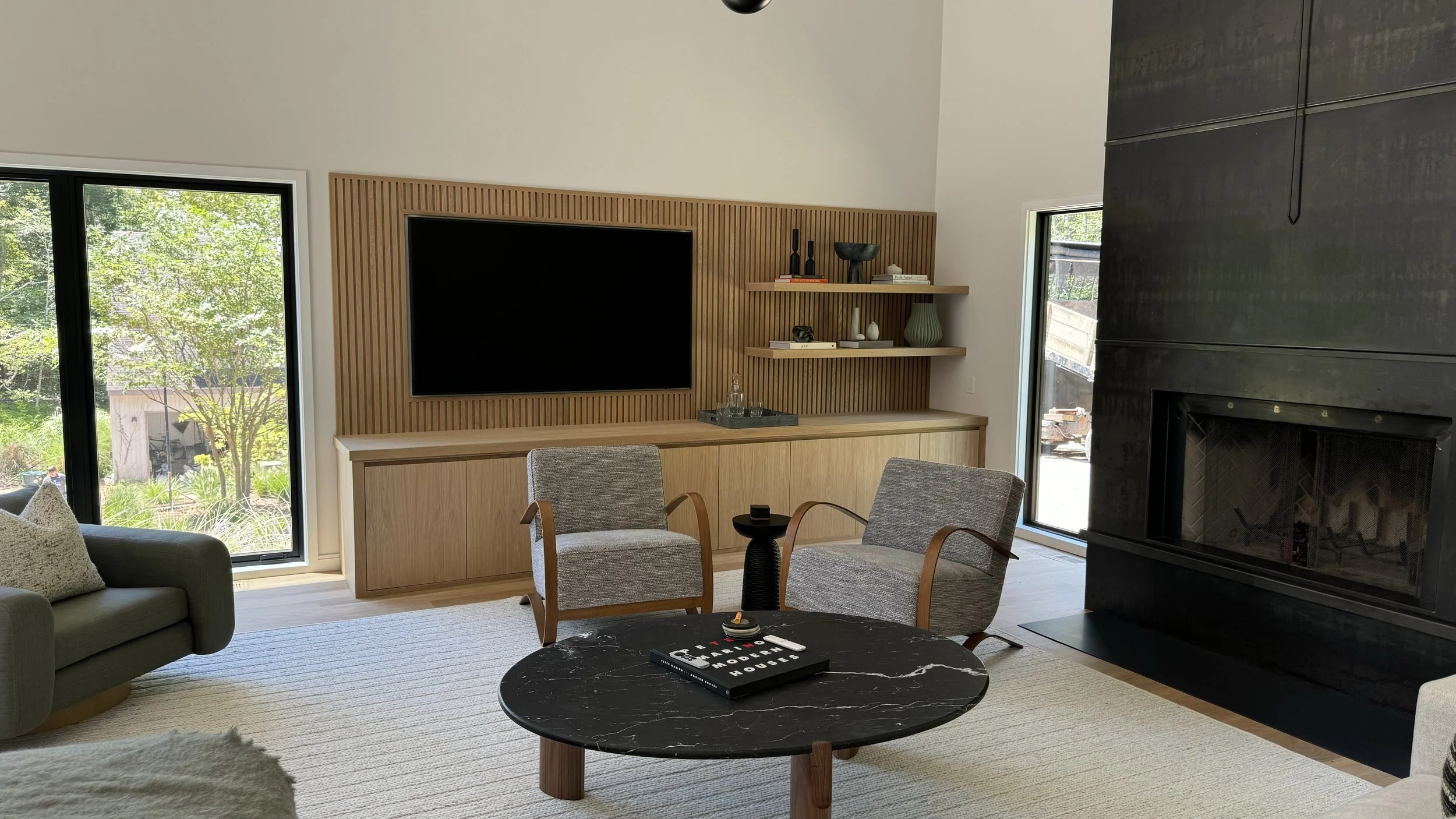
Design an Ecosystem, Not a Collection
The best smart homes aren’t built product by product. They’re designed as cohesive systems.
Whether the foundation is Apple Home, Home Assistant, or another unified platform, the principle is the same: one intelligent core quietly coordinating everything else. Voice assistants can enhance the experience—but they shouldn’t be responsible for holding it together.
Done properly, your home works even when apps are closed, voices are silent, and guests are present.
The Real Goal
The goal of a luxury smart home isn’t more technology.
It’s less friction.
A home that fades into the background.
That adapts instead of demands.
That supports your life rather than asking you to manage it.
When done right, the smartest home is the one you barely notice—because everything simply works.
If you’re ready to move beyond “almost smart,” Home Technology Experts can help you design a system that feels effortless, reliable, and truly intelligent.
LEARN MORE: