
Designing Hospitality Lighting in NYC: Supporting Energy, Experience, and Identity
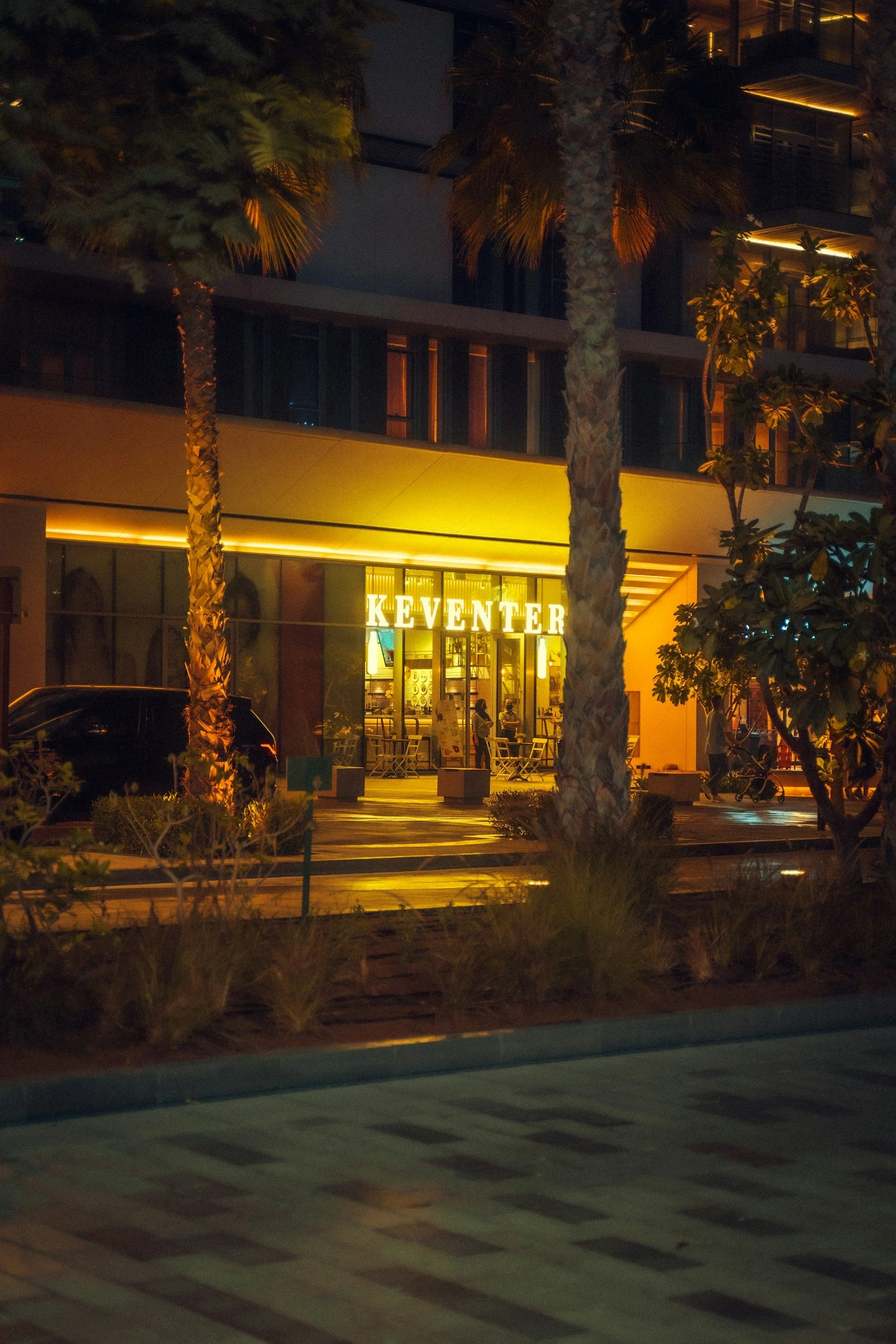
In New York’s hospitality structures, lighting does more than illuminate a space—it defines it. Hotels, restaurants, lounges, and public venues operate long hours, often seven days a week, under constant use and high customer expectations. In this context, lighting must perform flawlessly while reinforcing the identity of the space.
At Home Technology Experts (HTE), we approach hospitality lighting as a balance of experience, efficiency, and control. The goal is not spectacle, but consistency—lighting that supports how a space feels, functions, and evolves throughout the day.
Designed for Continuous Operation
Hospitality spaces rarely go dark. Lighting must support arrivals in daylight, transition smoothly into evening ambiance, and maintain safe circulation late into the night.
This requires layered, time-based lighting scenes that evolve gradually—not abrupt shifts that disrupt the experience. When lighting is designed for continuous operation, guests feel oriented and comfortable no matter when they arrive or depart.
Creating Identity Through Restraint
In a city saturated with light, successful hospitality spaces stand out by doing less, not more.
Effective lighting design:
Uses contrast and shadow intentionally
Highlights materials, textures, and architectural features
Avoids excessive brightness that flattens the space
Memorable environments are often visually restrained. Lighting should support the brand and architecture—not compete with them.
Balancing Ambiance and Function
Hospitality lighting must serve both guests and staff.
A thoughtful approach includes:
Warm, layered light in guest-facing areas
Higher functional levels in back-of-house and service zones
Clear, comfortable transitions between public, semi-public, and private spaces
This balance preserves atmosphere while supporting efficient day-to-day operations.
Integrated Controls for Flexibility
Hospitality environments are dynamic. Lighting must adapt quickly to changing conditions—time of day, occupancy, or special events.
Integrated control systems allow:
Seamless scene changes throughout the day
Simple overrides for staff
Coordination with audiovisual, shading, and building systems
This flexibility allows spaces to evolve without redesigning the lighting every time needs change.
SEE ALSO: Motorized Vs Battery-Powered Shades
DIMMING AND GLARE CONTROL
Energy Efficiency at Scale
With extended operating hours, energy use becomes a critical consideration. In NYC hospitality projects, efficiency must be built into the design—not added later.
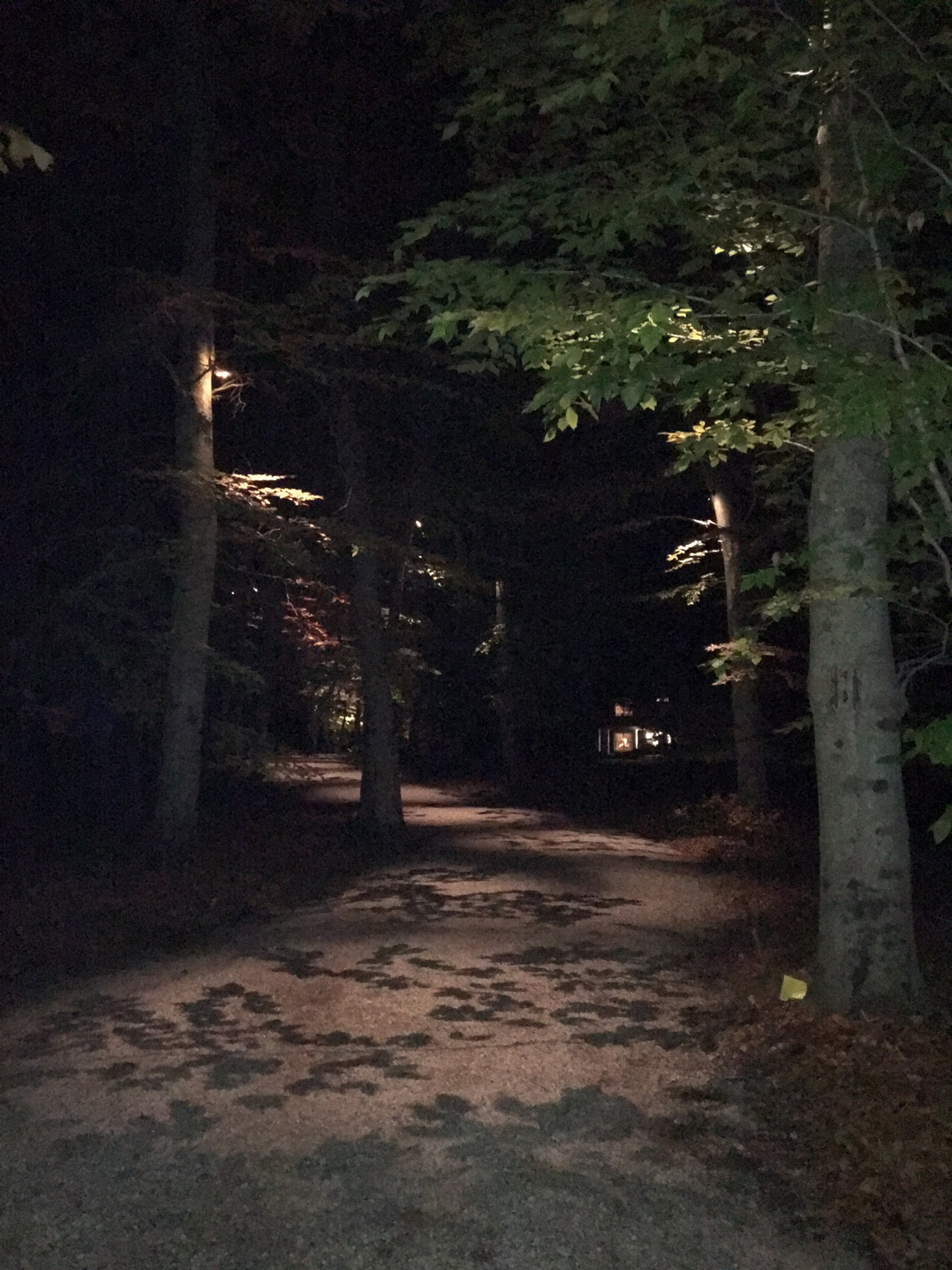
Driveway Downlighting
Effective lighting strategies:
Minimize connected load
Use efficient fixtures with precise optics
Rely on controls that actively reduce energy use
When done correctly, energy savings are achieved without compromising the guest experience.
The Hospitality Takeaway
In New York hospitality projects, lighting is inseparable from the brand. It influences how guests feel, how long they stay, and how they remember the space.
The most successful designs embrace restraint, adaptability, and performance—delivering atmosphere and efficiency in equal measure. At HTE, we design hospitality lighting systems that work quietly in the background, supporting both the experience and the operation, night after night.