
Lutron Shading Control Systems for New York Commercial Spaces
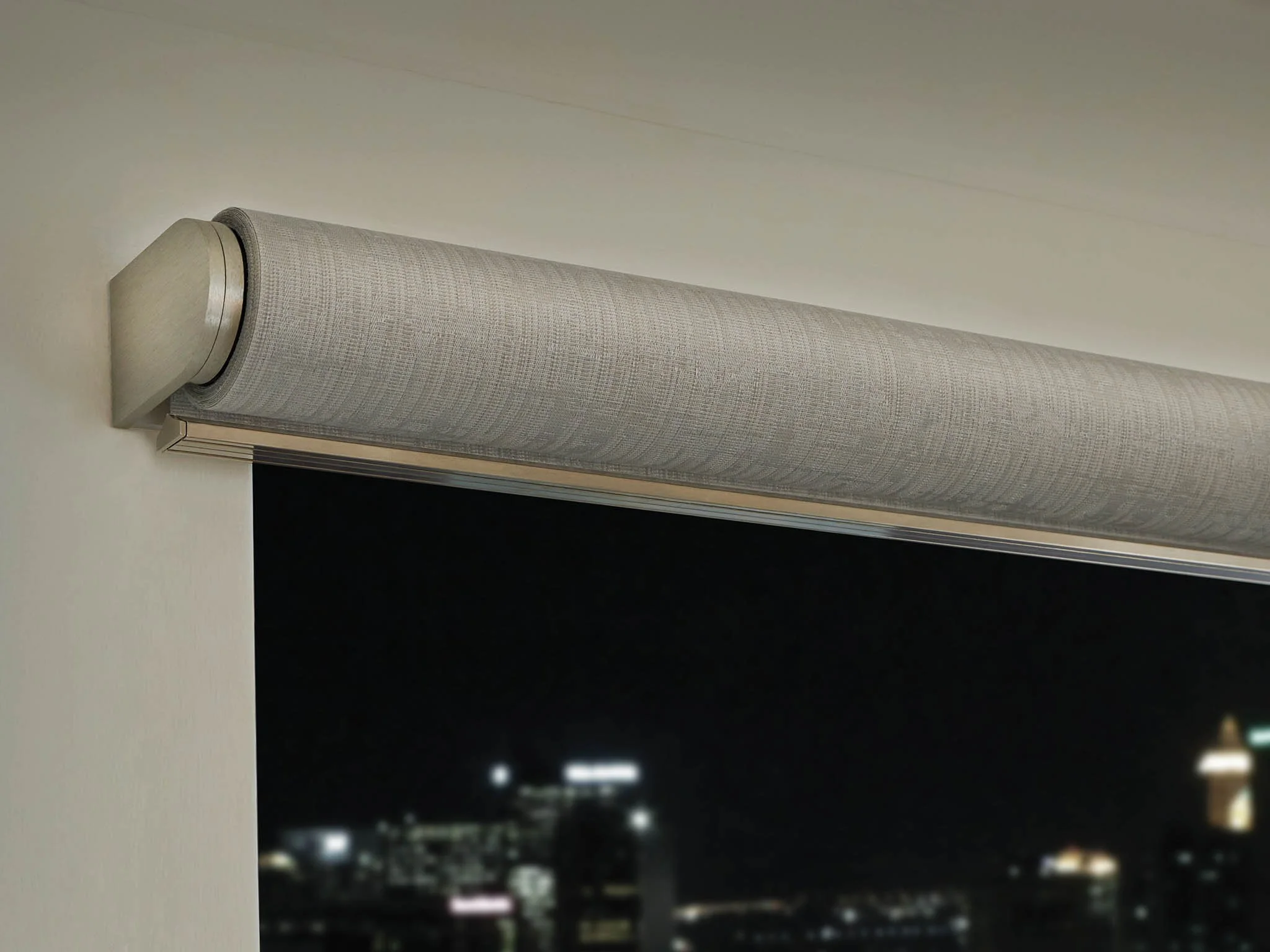
In New York commercial environments, daylight is both an asset and a challenge. Expansive glazing, changing sun angles, dense urban surroundings, and long workdays make manual shade management impractical—and often ineffective.
That’s where Lutron commercial shading control systems stand apart. When properly designed and integrated, automated shading becomes a critical building system that improves comfort, protects interiors, reduces energy use, and enhances the overall workplace experience.
Why Manual Shades Don’t Work in Commercial Buildings
In theory, manual shades give occupants control. In reality, they’re rarely used correctly—or consistently.
In New York offices, common issues include:
Glare on screens during peak sun hours
Shades left permanently down after one adjustment
Overheated perimeter zones and cold interior spaces
Inconsistent daylight levels across floors or tenant areas
Once shades are lowered to solve a short-term problem, they’re rarely raised again—eliminating daylight, increasing artificial lighting demand, and disconnecting occupants from the outside environment.
Automated shading solves this by managing daylight continuously, not reactively.
What Makes Lutron Different for Commercial Applications
Lutron shading systems are engineered as building infrastructure, not accessories. They are designed to operate reliably across large floorplates, multiple orientations, and long daily duty cycles—exactly what New York commercial buildings demand.
Key advantages include:
Precise, quiet motorized shades suitable for offices, hospitality, and institutional spaces
Centralized and distributed control options for single floors or entire buildings
Integration with lighting and building management systems
Scalable architecture that supports future tenant changes
This allows shading to behave intelligently—responding to time of day, sun position, occupancy, and lighting conditions without constant user intervention.
Automated Shading and Daylight Control
At its best, a Lutron shading system works in tandem with electric lighting.
As daylight increases:
Shades adjust incrementally to control glare
Electric lighting dims automatically to maintain consistent illumination
As daylight fades:
Shades raise to preserve views
Lighting increases smoothly to maintain comfort
This dynamic balance:
Reduces energy consumption
Improves visual comfort
Preserves access to daylight and exterior views
In New York’s dense urban environment—where sun exposure varies dramatically from façade to façade—this coordination is essential.
Supporting Occupant Comfort and Productivity
Visual comfort has a direct impact on productivity, especially in screen-heavy environments.
Lutron shading systems help by:
Eliminating harsh glare on monitors
Reducing eye strain throughout the day
Maintaining consistent light levels across workspaces
Because adjustments happen automatically and subtly, occupants remain comfortable without needing to stop work to manage their environment.
For tenants, this translates into a more usable, desirable workspace. For building owners, it supports tenant satisfaction and retention.
Energy Performance and Compliance in New York
Energy codes and sustainability goals continue to tighten in New York. Automated shading plays a meaningful role in meeting these requirements.
Benefits include:
Reduced solar heat gain during peak cooling hours
Lower reliance on artificial lighting
Improved HVAC efficiency along perimeter zones
Lutron shading systems can contribute to:
Local energy code compliance
LEED and WELL strategies
Corporate sustainability targets
Because the system operates automatically, these benefits are delivered consistently—not dependent on occupant behavior.
Design Flexibility for Architects and Interiors
From a design standpoint, Lutron offers extensive flexibility:
Multiple fabric options for transparency, opacity, and aesthetics
Shade styles suitable for floor-to-ceiling glazing, curtain walls, and historic retrofits
Clean integration with modern interior architecture
This allows designers to balance performance with appearance—ensuring shading supports the visual language of the space rather than competing with it.
Ideal Applications for Lutron Commercial Shading in NYC
Lutron shading control systems are particularly well suited for:
Office buildings and corporate headquarters
Law firms and financial services environments
Healthcare and institutional facilities
Hospitality and mixed-use developments
High-rise residential common areas
In each case, the system adapts to how the space is used—delivering comfort, efficiency, and long-term reliability.
The Bottom Line
In New York commercial spaces, shading is no longer a decorative afterthought. It’s a critical layer of environmental control.
Lutron commercial shading systems provide intelligent, automated daylight management that improves comfort, supports energy goals, and enhances the overall experience of a building—without adding complexity for occupants.
When shading is designed as part of a cohesive lighting and control strategy, it becomes one of the most impactful upgrades a commercial space can make.
LEARN MORE: The Future of Downlighting
FAQ: Lutron Shading Control Systems for New York Commercial Spaces
What is a Lutron commercial shading control system?
A Lutron shading control system uses automated motorized shades and intelligent controls to manage daylight throughout a commercial space. Instead of relying on manual adjustments, the system automatically responds to sun position, time of day, and lighting conditions to maintain consistent comfort and lighting levels.
Why are automated shades useful in New York commercial buildings?
Many New York buildings feature large glass façades, changing sun exposure, and dense urban surroundings. Manual shades often end up left fully open or fully closed, creating glare, inconsistent lighting, and uncomfortable workspaces.
Automated shading continuously adjusts throughout the day to control glare, preserve views, and maintain balanced daylight.
How do Lutron shading systems improve occupant comfort?
Automated shades help create a more comfortable working environment by:
Reducing glare on computer screens
Maintaining consistent daylight levels across work areas
Preventing harsh sunlight during peak hours
Preserving outside views without excessive brightness
These adjustments happen quietly and gradually, without requiring occupants to manage the shades themselves.
Can Lutron shades integrate with lighting systems?
Yes. Lutron shading systems can be integrated with lighting controls so the two systems work together.
As daylight increases, shades adjust to reduce glare while electric lighting dims. As daylight decreases, shades raise and lighting levels increase. This coordinated response maintains comfortable illumination throughout the space.
Do automated shades help reduce energy use?
Yes. By managing solar heat gain and daylight more effectively, automated shading can reduce the demand on both HVAC and lighting systems.
This can lead to:
Lower cooling loads during sunny periods
Reduced reliance on artificial lighting
More efficient operation of perimeter HVAC zones
Can shading systems support energy code compliance in New York?
In many cases, yes. Automated daylight and shading controls can support strategies used for:
Local energy code requirements
LEED certification
WELL building standards
Corporate sustainability goals
Because the system operates automatically, performance does not rely on occupant behavior.
Can occupants still adjust the shades if needed?
Yes. Most systems allow for local control when needed, such as wall controls or preset scenes for conference rooms and private offices.
However, the system typically returns to its automated schedule to maintain consistent daylight performance across the building.
Are Lutron shading systems suitable for large commercial spaces?
Yes. Lutron systems are designed to support a wide range of applications, from single conference rooms to entire office floors or multi-tenant buildings. The system architecture allows shades to be grouped, scheduled, and managed across large areas.
What types of buildings benefit most from automated shading?
Lutron commercial shading systems are commonly used in:
Office buildings and corporate headquarters
Law firms and financial services offices
Healthcare and institutional facilities
Hospitality environments
Mixed-use developments and high-rise amenity spaces
These environments often have large glazing areas and long operating hours where consistent daylight control is important.
What design options are available for commercial shades?
Lutron offers a wide range of shade fabrics and openness levels to balance daylight performance with interior design goals. Shades can be specified to preserve views, soften daylight, or provide greater privacy depending on the space.
They are designed to integrate cleanly into modern curtain wall construction, floor-to-ceiling glazing, and many retrofit conditions.
How early should shading be considered in a project?
Shading performs best when it is planned early in the design process. Early coordination allows architects, lighting designers, and building engineers to integrate shading with lighting controls, façade design, and building management systems.
This results in a more cohesive and effective daylight strategy.
Who should manage the design and installation of a Lutron shading system?
Because automated shading interacts with lighting, electrical infrastructure, and building controls, it is best designed and installed by a qualified control systems integrator with experience in commercial environments.
Proper planning ensures the system is reliable, scalable, and easy to operate long-term.