
How Lighting Design Shapes the Way People Live in Their Homes
A planning perspective for architects and builders
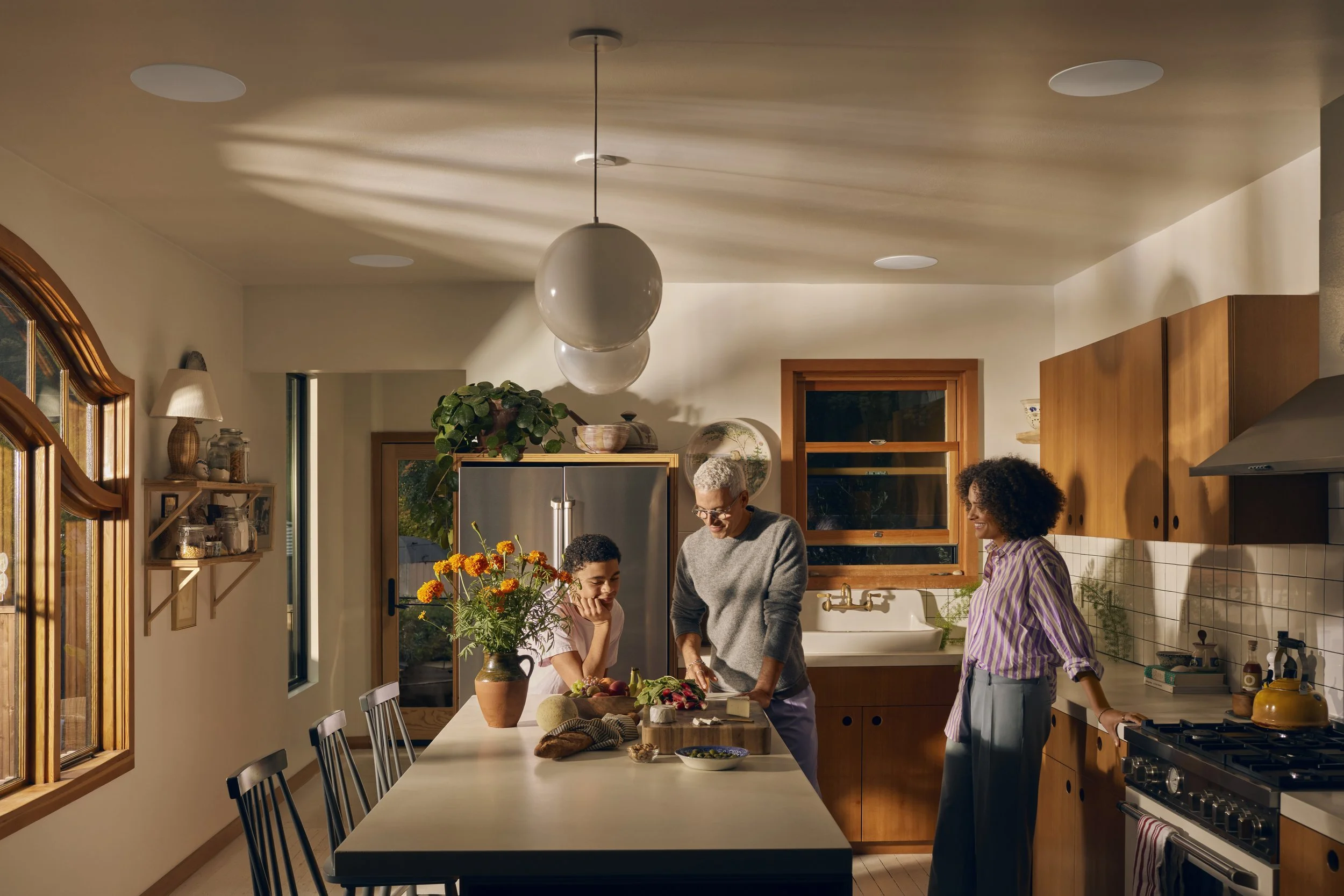
Lighting is one of the few systems in a home that affects every space, every day. Yet it’s often addressed late in the process—after layouts are finalized, and ceilings are closed.
When lighting design is considered early, it becomes a powerful tool that supports architecture, reinforces intent, and improves how a home functions from morning to night.
Morning: Supporting Daily Transitions
Morning light sets the tone for the day. Bedrooms, bathrooms, and kitchens all benefit from lighting that feels intentional rather than purely functional.
Well-planned lighting allows spaces to transition gently from rest to activity. It reduces glare, supports orientation, and works in concert with natural light instead of competing with it. From an architectural standpoint, this means fixture placement, switching logic, and ceiling details are aligned from the start—not forced in later.
Midday: Maintaining Balance as Natural Light Shifts
As daylight moves, interior lighting should quietly maintain balance.
Work areas require consistent illumination to support focus. Living spaces benefit from layered light that preserves volume and depth as exterior conditions change. Circulation zones need continuity for safety and ease of movement.
When lighting is integrated early, it supports spatial flow without visual clutter—allowing the architecture to remain the primary expression.
Evening: Reinforcing Atmosphere and Use
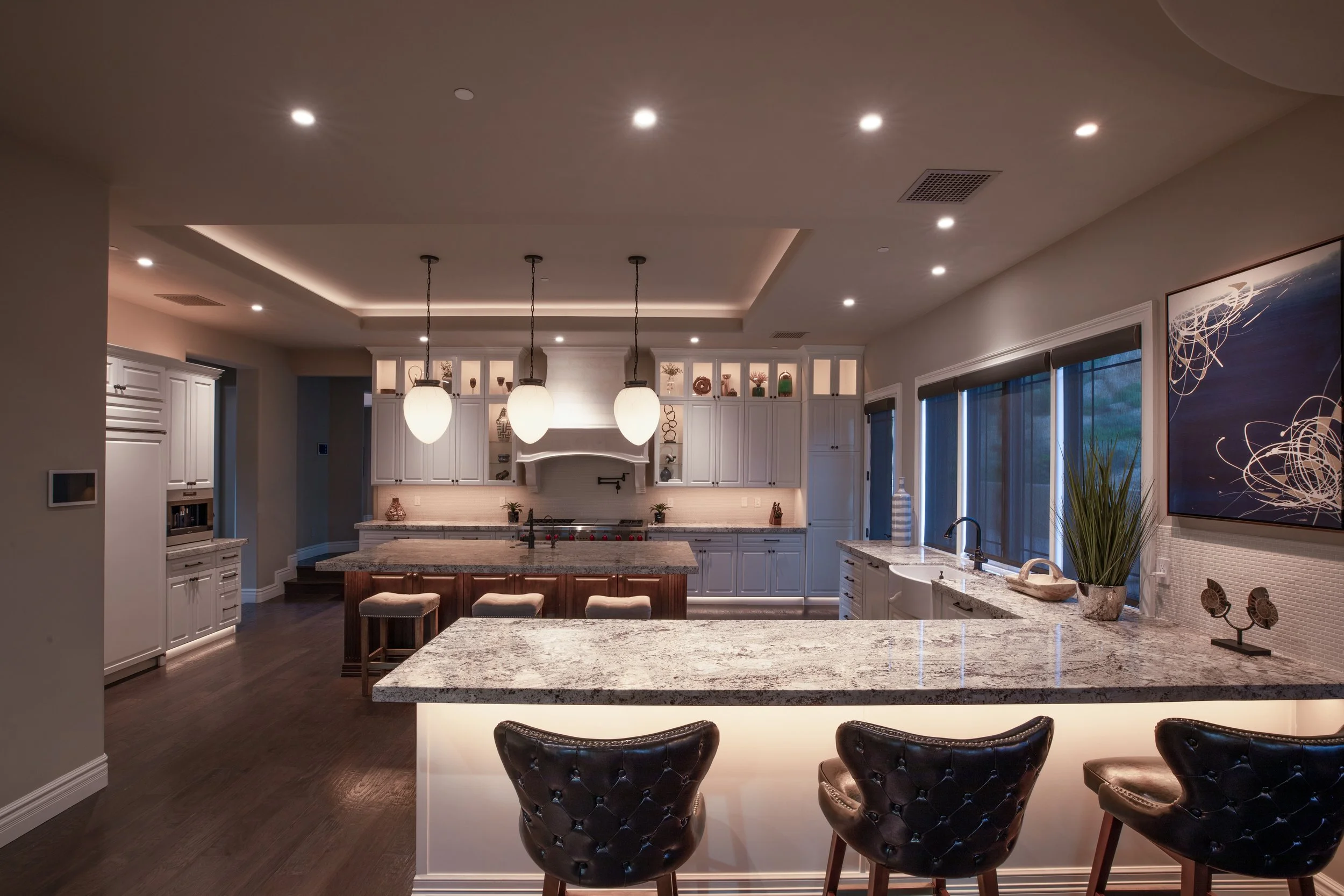
Evening lighting is where design intent becomes most visible.
Lower levels, warmer tones, and indirect sources shape how rooms are used and experienced. Dining spaces feel more intimate. Living areas feel relaxed and cohesive. The home reads as considered and complete.
For architects and builders, this is where lighting design reinforces material choices, ceiling planes, and room proportions—rather than undermining them with inconsistent or overly bright illumination.
Night: Safety Without Disruption
Nighttime lighting should be purposeful and restrained.
Pathways, stairs, and bathrooms require visibility without glare. Exterior lighting must balance security with discretion. Bedrooms should remain calm and dark.
Thoughtful lighting at night improves safety while respecting rest—an outcome that benefits homeowners long after construction is complete.
Why Early Lighting Design Matters
When lighting is treated as a planning-phase discipline rather than a finish selection, it:
Reduces field conflicts and late-stage changes
Improves coordination between trades
Protects ceiling and millwork details
Creates a more cohesive final-result
Enhances the lived experience of the home
At Home Technology Experts, we collaborate with architects and builders to translate design intent into clear, buildable lighting plans. Our process is structured, design-literate, and practical—focused on making the home feel right without adding unnecessary complexity.
When lighting is done well, it doesn’t compete with the architecture.
It completes it.