
A Deep Look at DMX Lighting Systems
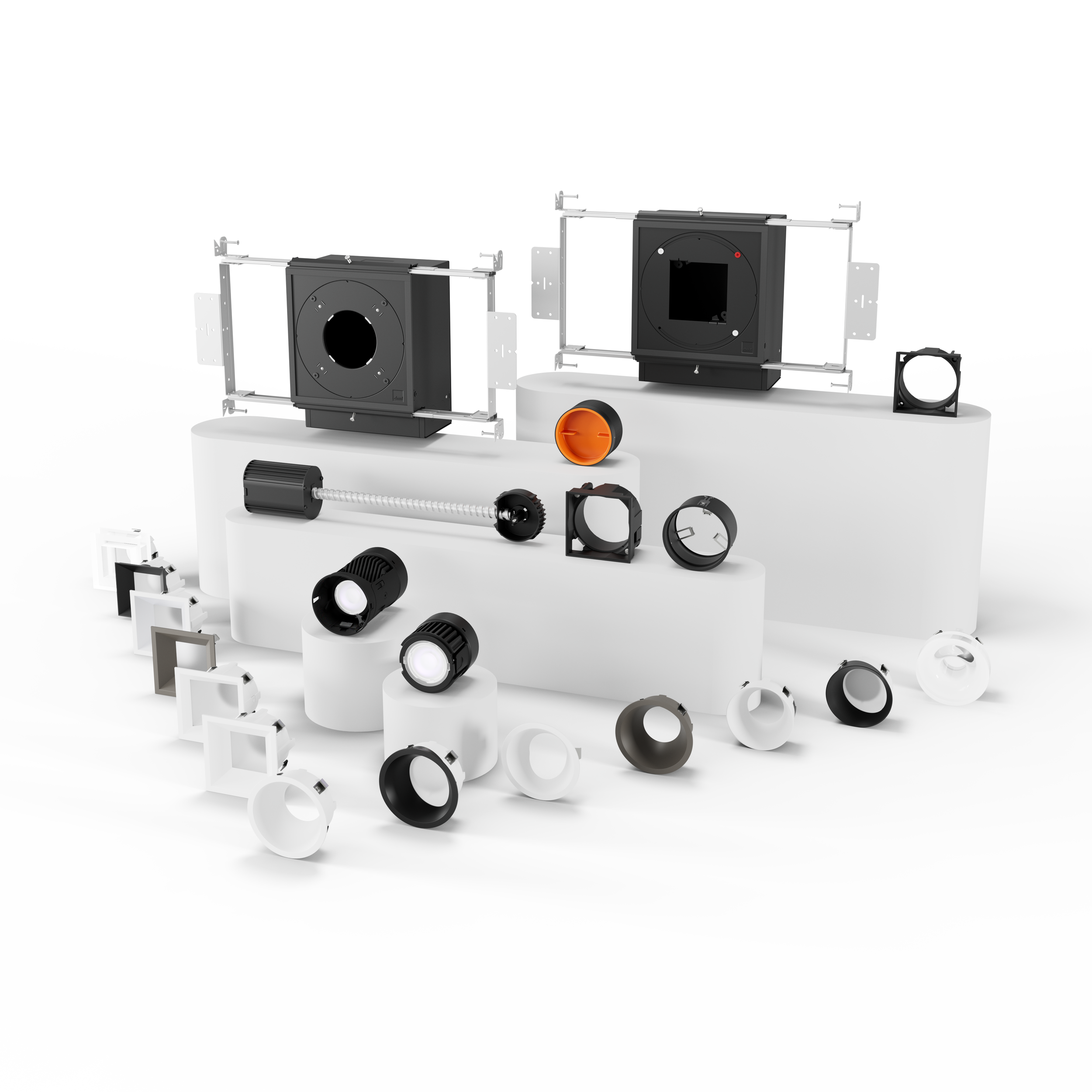
DMX Lighting Systems for Luxury Homes
DMX lighting is often associated with theaters, stages, and commercial environments, but it can also play an important role in certain high-end residential projects. When a home includes color-changing fixtures, specialty architectural lighting, linear lighting, or advanced lighting scenes, DMX can provide the level of control those systems require.
For homeowners, architects, designers, and builders, the important question is not whether DMX sounds advanced. It is whether the lighting design needs that level of precision, flexibility, and integration.
At Home Technology Experts, we help project teams determine when DMX is the right tool, how it should be planned, and how the finished system can feel simple for the homeowner.
What Is DMX Lighting?
DMX is a lighting control protocol used to communicate with fixtures that need more advanced control than simple on, off, or dimming. It is commonly used for color-changing lights, RGBW fixtures, linear lighting, architectural accent lighting, decorative lighting, and specialty lighting effects.
In a residential setting, DMX can control different lighting attributes with precision. That may include brightness, color, color temperature, or programmed lighting scenes.
The homeowner does not need to manage those technical details directly. With the right design and programming, DMX can become part of a simple keypad scene, touchscreen command, schedule, or whole-home control system.
When DMX Makes Sense in a Home
DMX is not needed for every lighting system. Many rooms can be controlled beautifully with traditional dimming, keypad scenes, or standard lighting control.
DMX becomes useful when the design calls for more advanced lighting behavior, such as color-changing cove lighting, RGBW or tunable white fixtures, linear lighting in ceilings or millwork, specialty decorative fixtures, media rooms, bars, gyms, spas, exterior accents, or scenes that shift color and intensity over time.
In these cases, DMX gives the system more control over how each fixture behaves. That flexibility can be valuable, but only when it is planned carefully.
DMX Lighting vs. Standard Lighting Control
Standard lighting control is often used for fixtures that need to turn on, turn off, dim, or become part of a scene. For many areas of a home, that is exactly what is needed.
DMX is different because it can control multiple attributes of a fixture. A single fixture may use separate control channels for red, green, blue, white, brightness, or other behaviors. This allows for more precise color and scene control, but it also makes the system more complex behind the scenes.
That complexity should not be visible to the homeowner. The goal is not to make the lighting harder to use. The goal is to use the right control method so the finished experience feels natural, flexible, and easy to live with.
How DMX Supports Architectural and Decorative Lighting
In high-end homes, lighting is often part of the architecture. It may be built into coves, ceiling details, wall reveals, staircases, cabinetry, wine rooms, entertainment spaces, or outdoor features.
DMX can support these applications when the design calls for more than standard dimming. It can allow lighting scenes to change color, shift intensity, or create different moods for daily living, entertaining, movie nights, wellness spaces, or evening use.
For designers and architects, this creates more flexibility. For homeowners, the value is simpler: the lighting can support the way the space should feel.
Why DMX Requires Early Planning
DMX lighting should be planned before construction details are finalized. The system may affect fixture selection, wiring, control locations, equipment placement, programming, and integration with the larger home control system.
When DMX is brought in too late, the project may face limitations around wiring paths, fixture compatibility, control behavior, and service access. Early coordination helps the lighting feel intentional rather than forced into the project after key decisions have already been made.
This is especially important in new construction, major renovations, and architecturally detailed homes where lighting is integrated into ceilings, millwork, outdoor structures, or finished surfaces.
Planning early allows the design team, electrician, lighting designer, builder, and technology integrator to work from the same assumptions before walls close and finishes are installed.
Integrating DMX With Smart Home Control
A DMX system should not feel separate from the rest of the home. When designed properly, it can be integrated with the broader control system so the homeowner can use simple scenes instead of managing technical settings.
A DMX lighting system may be tied into scenes such as Entertain, Dinner, Movie, Goodnight, Away, Evening, Spa, Pool, or Outdoor Living. The homeowner presses one button, and the system handles the details behind the scenes.
Brightness, color, zones, timing, and other settings can all be coordinated as part of the larger experience.
HTE helps make that integration practical. We coordinate the lighting control, home automation platform, wiring infrastructure, equipment locations, and programming so the finished system feels simple to use and reliable to support.
What Homeowners Should Know Before Choosing DMX
DMX can be a powerful tool, but it is not automatically the best choice for every project. The decision should be based on the lighting design, the fixtures being used, the desired control experience, and the level of flexibility required.
Homeowners should know that DMX usually requires more planning than basic lighting control. It may involve additional equipment, specialized wiring, programming, and coordination between multiple trades.
That planning is worth it when the home needs advanced lighting scenes, specialty fixtures, or precise control. It is unnecessary when a simpler system can achieve the same experience.
The right technology partner should be able to explain the difference clearly.
What Architects, Designers, and Builders Should Know
For project teams, DMX lighting should be discussed early. It can affect electrical planning, fixture specifications, ceiling and millwork details, control locations, equipment rooms, and programming expectations.
A DMX system also needs clear documentation. The team should know which fixtures require DMX control, where the control equipment will live, how the wiring should be handled, and how the system will integrate with the rest of the home.
HTE works with architects, designers, builders, electricians, and lighting professionals to clarify these requirements before they become field issues.
The goal is to avoid late-stage surprises and protect the finished design.
Making Advanced Lighting Feel Simple
The best residential technology hides its complexity. DMX lighting may be advanced behind the scenes, but the homeowner experience should feel straightforward.
A room should shift into the right mood with a single scene. A specialty fixture should behave consistently. A media room, bar, spa, or outdoor space should feel ready when it is time to use it. The homeowner should not need to think about protocols, channels, or programming.
That is where professional planning matters.
At Home Technology Experts, we design lighting control systems around the way the home will actually be used. When DMX is the right solution, we integrate it carefully so the finished experience feels refined, intuitive, and reliable.
Frequently Asked Questions About DMX Lighting Systems
What is DMX lighting?
DMX is a lighting control protocol used for fixtures that need advanced control, such as color-changing lights, RGBW fixtures, tunable lighting, linear lighting, and specialty architectural lighting.
Is DMX lighting used in homes?
Yes. DMX can be used in high-end residential projects when the lighting design includes advanced color control, specialty fixtures, architectural lighting, entertainment spaces, or complex lighting scenes.
Is DMX needed for every lighting system?
No. Many homes do not need DMX. Standard dimming and lighting control systems are often the better choice for typical rooms and everyday lighting. DMX is most useful when the project requires more control than traditional dimming can provide.
What types of lights use DMX control?
DMX is often used for RGBW fixtures, color-changing linear lights, tunable white fixtures, cove lighting, decorative fixtures with multiple controllable elements, architectural accent lighting, and specialty lighting effects.
Can DMX lighting integrate with a smart home system?
Yes. DMX lighting can often be integrated with a larger smart home control system, depending on the equipment, control platform, and design requirements. With proper integration, the homeowner can use simple scenes rather than technical controls.
Does DMX lighting require special wiring?
DMX systems often require specific wiring and control planning. The requirements depend on the fixtures, control equipment, and overall system design. That is why DMX should be coordinated early in the design or construction process.
When should DMX lighting be planned?
DMX lighting should be planned before walls close and before lighting fixtures, wiring paths, control locations, and equipment spaces are finalized. Early planning helps avoid compatibility issues, wiring limitations, and late-stage design compromises.
Is DMX better than standard lighting control?
DMX is not automatically better. It is better for certain applications, especially where advanced color, intensity, or fixture behavior needs to be controlled. For many rooms, standard lighting control is simpler and fully appropriate.
Where does DMX lighting make the most sense in a luxury home?
DMX often makes sense in media rooms, bars, wine rooms, gyms, spas, outdoor living areas, architectural lighting details, cove lighting, stair lighting, and spaces with color-changing or specialty fixtures.
Why should HTE be involved in a DMX lighting project?
HTE helps coordinate the lighting control system, automation platform, wiring infrastructure, equipment locations, programming, and long-term support. Our role is to make the advanced system feel simple and reliable for the homeowner.