
From “Smart” to Truly Intelligent
Where the Modern Home Is Headed
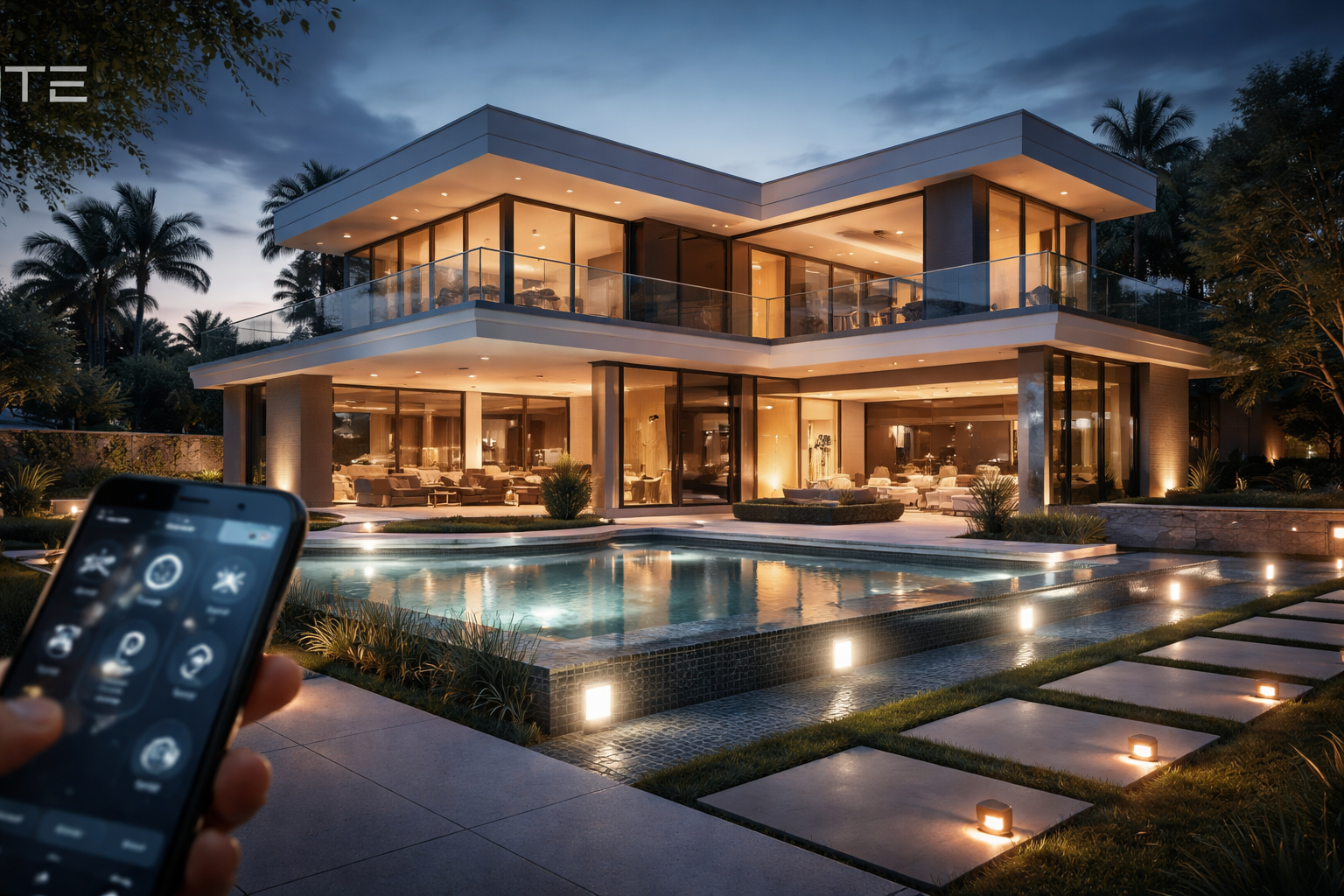
Today’s “intelligent” homes often include a collection of smart devices—lights, speakers, motorized shades, Wi-Fi networks, thermostats—that work well on their own, but rarely work together. Each waits for a command. Each lives in its own app. The result is convenience, but not cohesion.
Over the next decade, that model will change.
At Home Technology Experts (HTE), we see the smart home evolving from a set of reactive tools into an integrated, predictive system—one that understands context, anticipates needs, and operates quietly in the background.
The shift isn’t about adding more gadgets. It’s about designing homes that think ahead. That’s where a professional integrator like Home Technology Experts comes in.
Most smart homes today are just collections of gadgets.
Apps stacked on apps. Devices that need constant prompts. Systems that only work when you tell them exactly what to do.
At HTE, we believe home control should feel less like managing technology—and more like living in a home that understands you.
That’s why we’re shifting from reactive automation to predictive, context-aware intelligence.
A Home That Understands Context
Your home shouldn’t need instructions every time.
Predictive AI allows systems to understand what’s happening, not just what button was pressed:
Who’s home—and who isn’t (without learning to cover for your teenager who isn’t home but should be)
Time of day, weather, and season
Patterns in movement, lighting, and usage
Changes in routine or environment without being told
Instead of isolated commands, the home responds to real-world context.
Anticipating Needs Before You Ask
The most advanced homes don’t wait for input—they prepare.
Using learned behavior from previous days and ongoing usage, predictive systems can:
Adjust lighting before you enter a room
Pre-condition comfort based on arrival patterns
Optimize shading and climate before heat or cold is felt
Prepare entertainment, security, or privacy automatically
It’s not automation that reacts—it’s intelligence that anticipates.
Memory That Improves the Experience
A truly intelligent home remembers.
Over time, predictive AI learns:
How you like your mornings vs. evenings
What changes on weekdays versus weekends (remember the excitement when we could finally schedule alarms for different days of the week)
Seasonal preferences and long-term patterns
Subtle habits you don’t consciously program
The result is a home that gets better the longer you live in it, without constant reconfiguration.
Quiet Intelligence, Always Working
The best technology doesn’t demand attention.
HTE designs systems that operate silently in the background:
Fewer notifications
Less manual control
Minimal app dependency
Seamless adjustments without disruption
You don’t notice the system working—you notice that everything just feels right.
The Future of Home Control
This is the evolution of smart living:
From gadgets → integrated systems
From commands → understanding
From automation → anticipation
At HTE, we don’t build homes that show off technology.
We build homes that think ahead, adapt naturally, and support the way you live—without getting in the way.
From Smart to Intelligent
Most smart devices today respond to explicit triggers: a tap, a schedule, a voice command. They don’t act unless they’re told to.
The next generation of systems will be context-aware. Instead of waiting for instructions, they’ll learn patterns—how a home is used, when it’s occupied, how light, temperature, and sound should adjust throughout the day. Decisions will be made automatically, without constant input, creating an experience that feels natural rather than programmed.
As I move around my home during the workday, I control my Fire TV with an app on my phone- no no bad dog likes to eat remotes. But if the phone rings I cannot go to the Fire TV app and mute the television and then go back and answer the call. The technology isn’t smart or intelligent.
Kitchens and Bathrooms Become Adaptive
Core living spaces will become more responsive and personalized.
In kitchens, appliances will increasingly adjust to usage habits—refining settings, reducing waste, and supporting daily routines without manual setup. Bathrooms will follow a similar path, with environments that adapt to comfort, lighting, and wellness needs automatically.
The emphasis won’t be novelty. It will be subtle improvement—spaces that quietly work better over time.
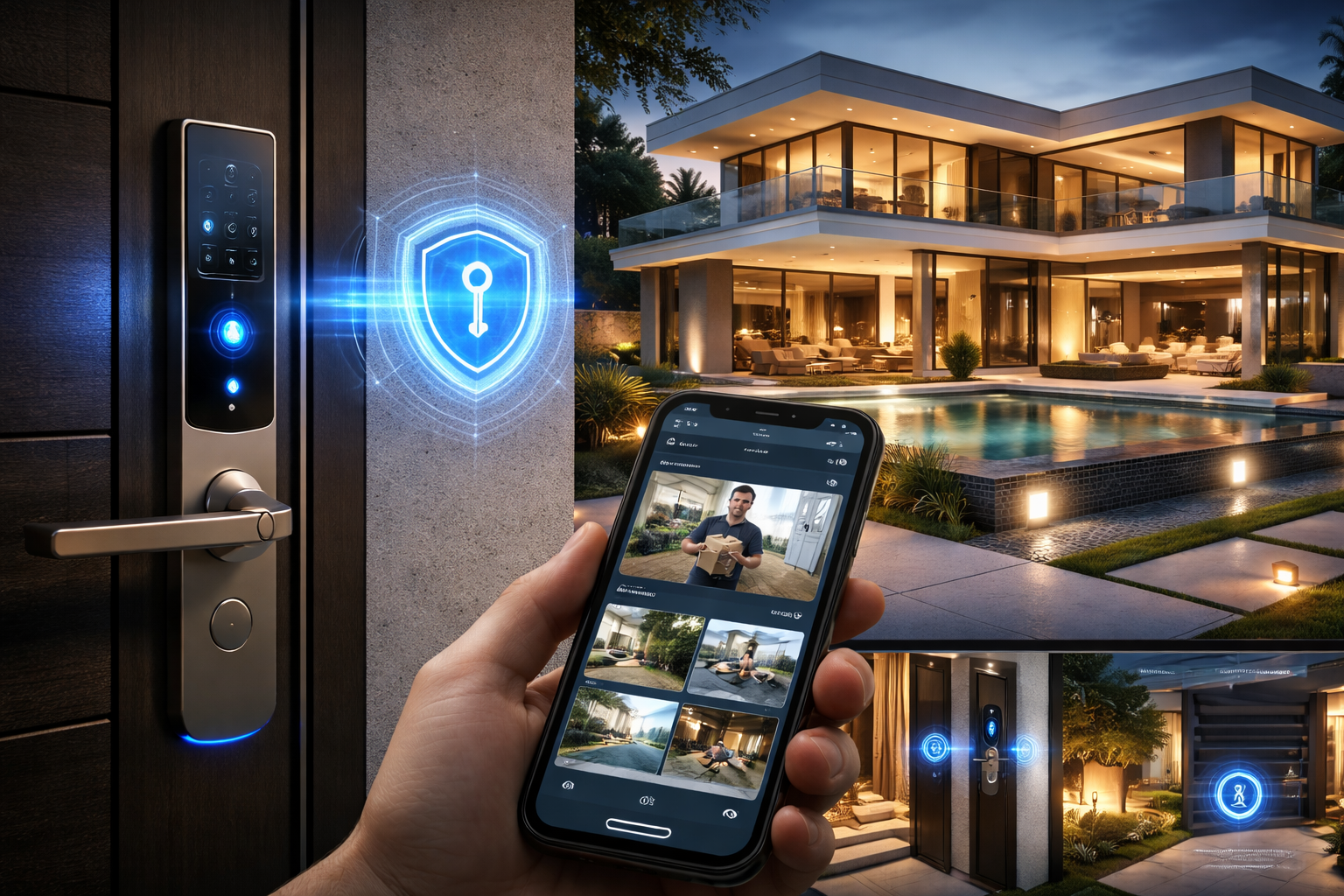
Smarter Security and Access
As homes collect more data and manage more access points, security systems will move beyond simple alerts.
Future systems will recognize normal patterns—daily deliveries, neighborhood activity, household routines—and identify deviations before they become issues. When homeowners travel, security won’t rely on obvious lighting timers. Instead, the home will replicate real, lived-in behavior across lighting, shades, audio, and video.
The goal is protection that feels calm and invisible, not reactive or intrusive.
Passive Health and Wellness Support
Homes will increasingly support health without becoming clinical.
Sleep environments will adapt to biometric patterns. Morning routines will adjust based on rest quality. Lighting, climate, and daily prompts will gently guide better habits—without dashboards, alerts, or constant interaction.
Wellness becomes ambient. The home supports it quietly, in the background.
It isn’t overbearing or adjustment-dependent.
Interfaces That Fade Away
As systems grow more intelligent, interfaces will continue to disappear.
Control won’t be limited to screens or remotes. Information and adjustments will become contextual—available when needed, hidden when not. Whether through simplified controls or emerging interface models, the direction is clear: less friction, fewer touchpoints, more intuition.
The home feels less like a collection of devices and more like a unified environment.
Designing for What Comes Next
The future home automation isn’t about predicting every technology trend. It’s about building homes that can adapt—through proper infrastructure, integrated systems, and thoughtful planning.
At HTE, we design with that future in mind. Not by chasing features, but by creating systems that evolve gracefully, remain reliable, and feel effortless to live with.
They grow and evolve intelligently when designed, implemented, and monitored by the professional integrators at Home Technology Experts.
The most advanced homes won’t announce themselves.
They’ll simply work—better every year.
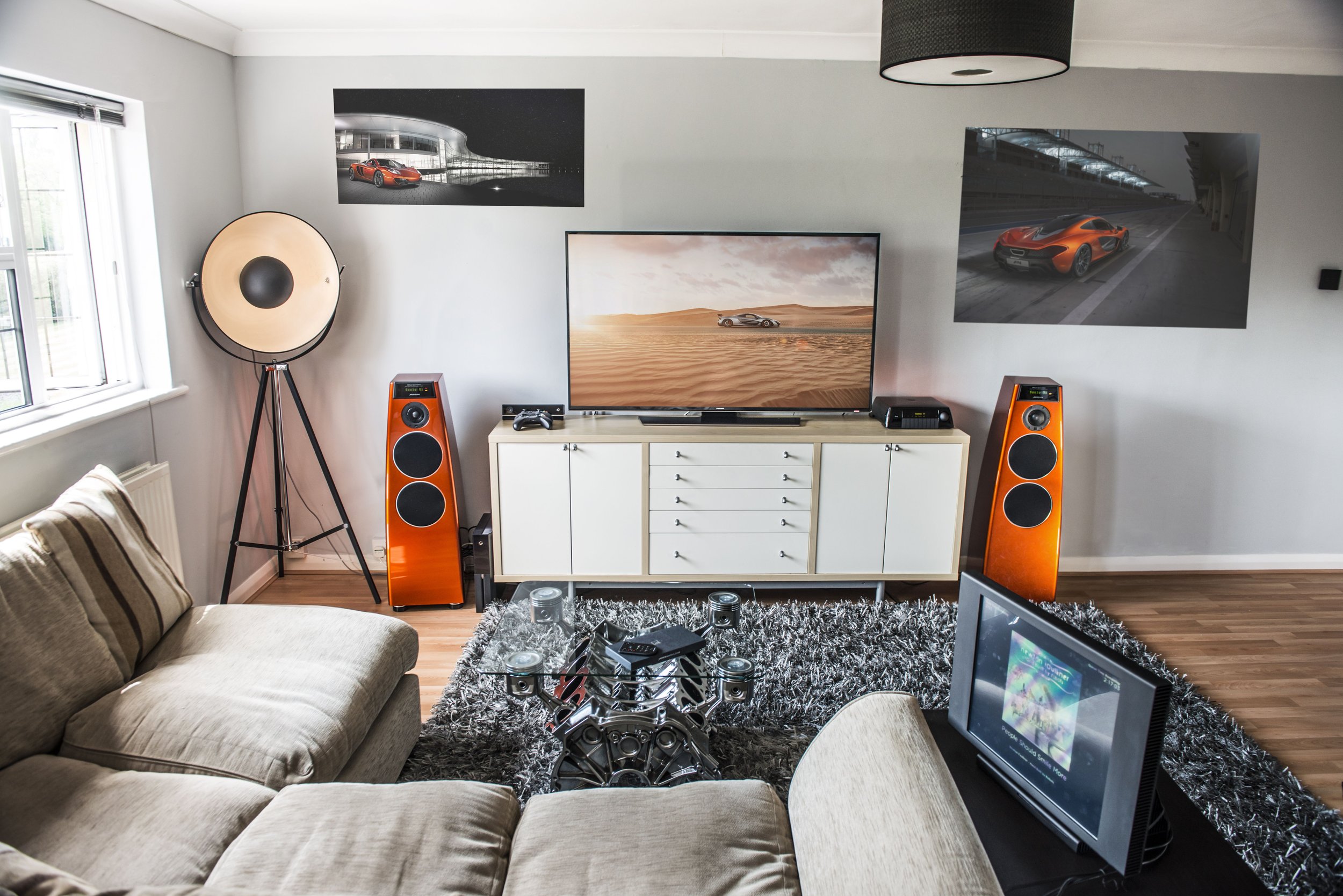
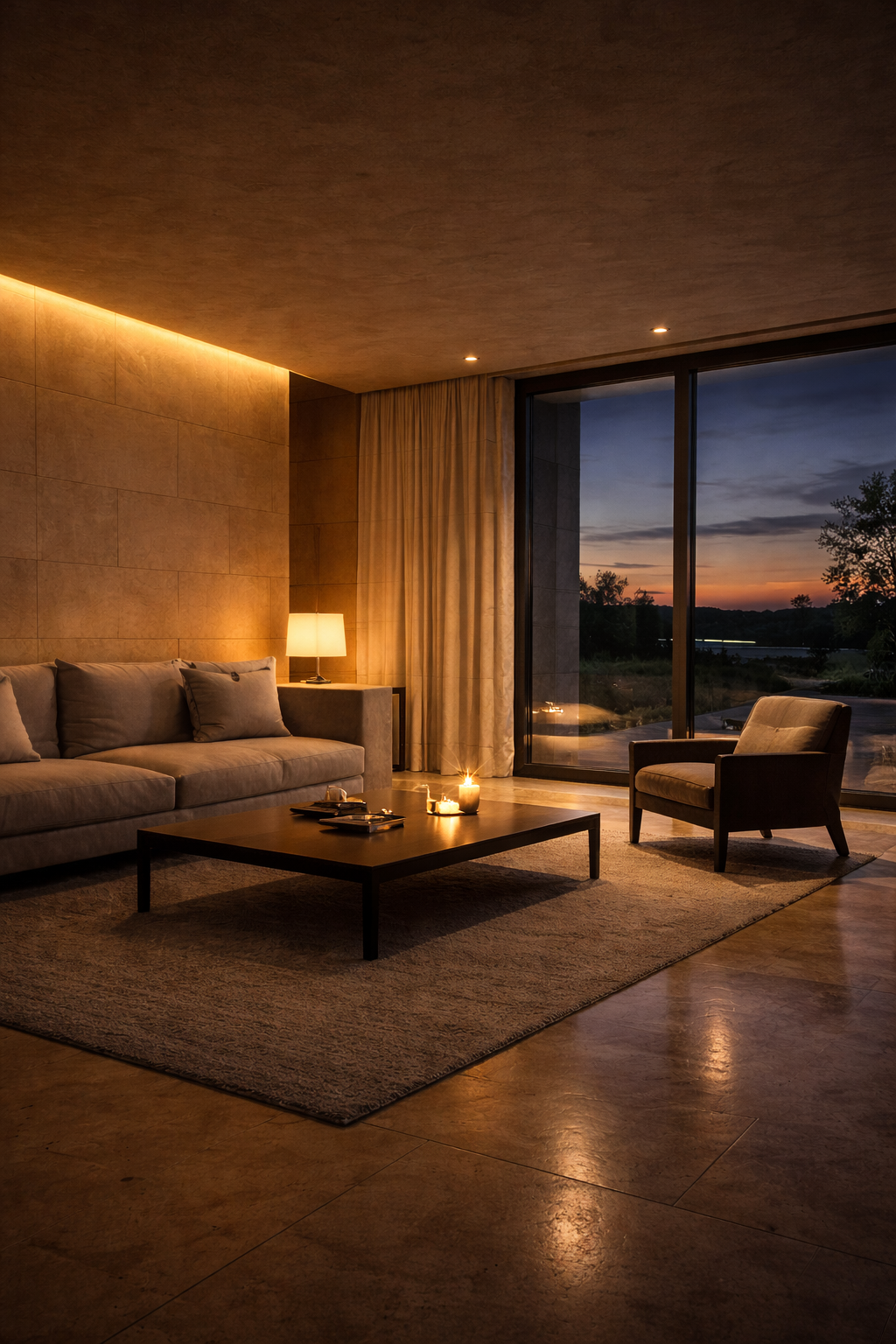
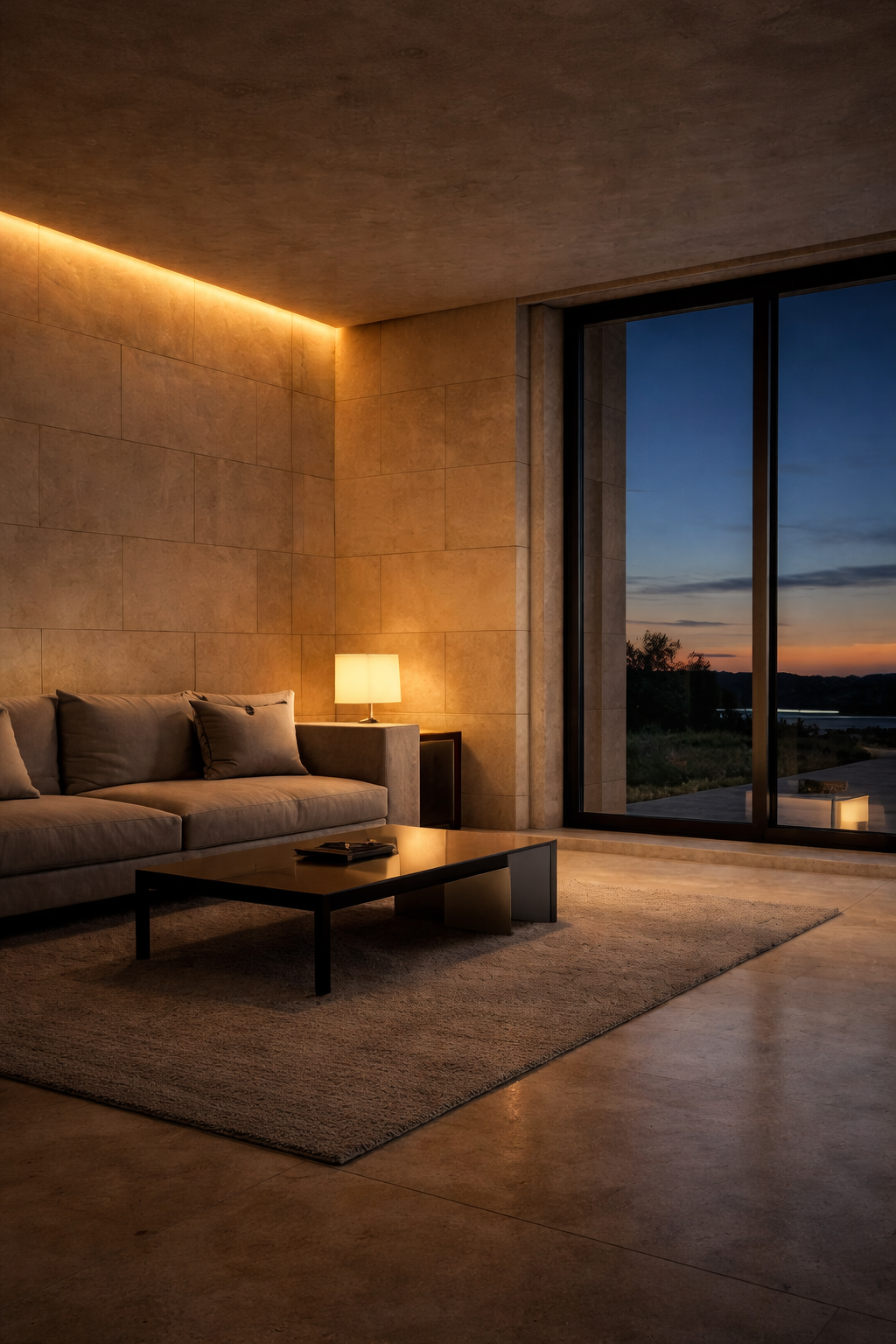
Truly Intelligent Home Inspirations


LEARN MORE: CONTROL4 IN 2025