
Designers & Integrators: Why the Best Smart Homes Start With Both at the Table
A Better Way to Build Modern Homes
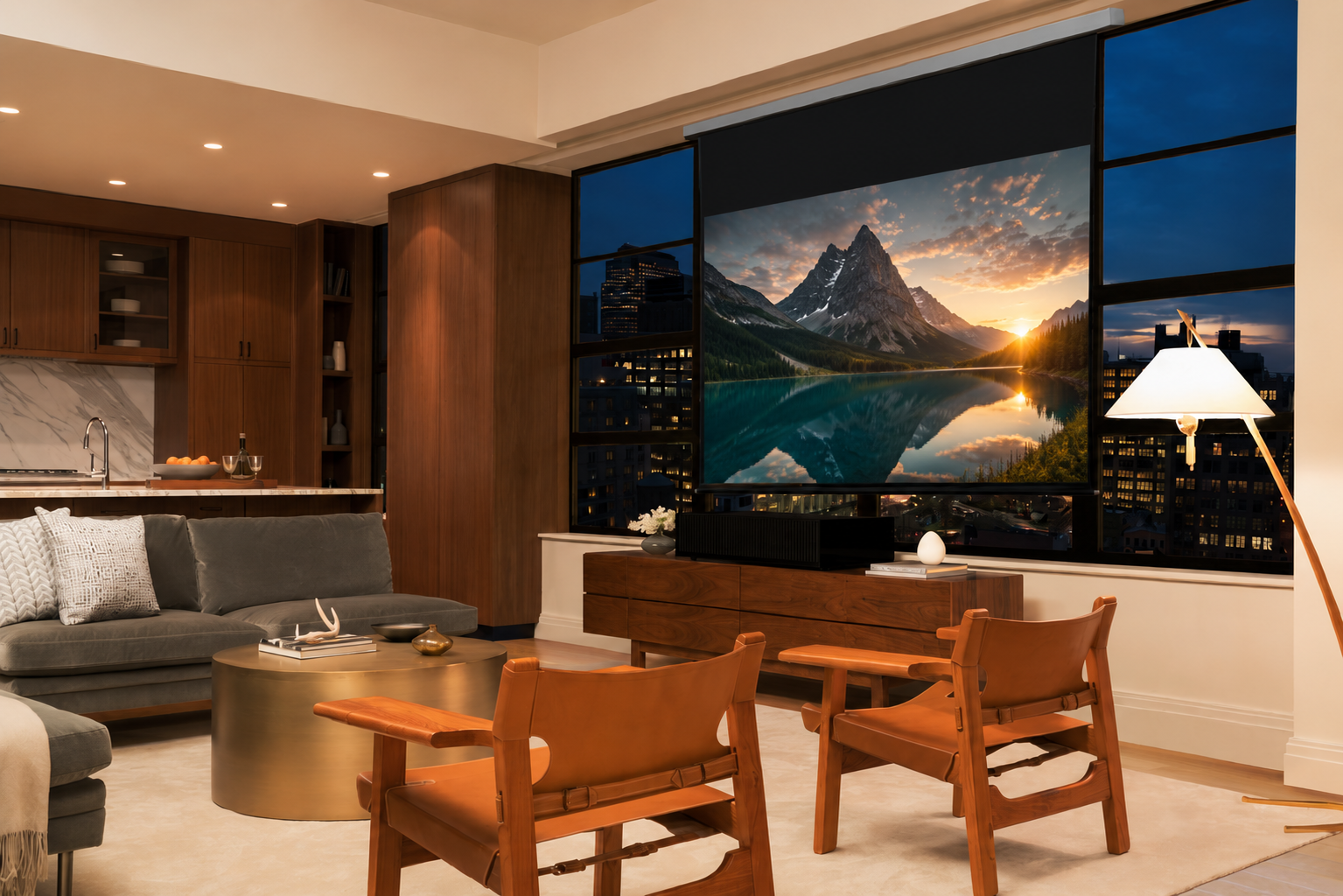
As residential technology becomes more integrated into daily life, one challenge continues to surface: interior designers and technology integrators are often working toward the same goal from different starting points.
Both want homes that feel intuitive, functional, and visually resolved. But when design and technology are planned separately, the homeowner is usually the one left managing the compromises.
At HTE, we have seen how much better the outcome becomes when these conversations begin early and stay coordinated throughout the project.
Where Misalignment Starts
Designers focus on how a home feels. They think in terms of proportion, materiality, flow, and light.
Integrators focus on how a home works. They think in terms of infrastructure, performance, coordination, and long-term support.
Both perspectives matter. Neither is complete on its own.
The problem usually begins when technology planning starts after key design decisions have already been made. At that point, even good teams are forced into avoidable tradeoffs:
Visible technology that interrupts the design
Wiring paths that complicate millwork and finishes
Spaces that look polished but feel inconsistent to live in
Systems that work technically but are not intuitive day to day
The result may still be impressive on paper, but it rarely feels fully resolved in practice.
Why Early Coordination Matters
The most effective projects bring designers and integrators together from the beginning.
That early coordination leads to better decisions across the board.
Infrastructure can be planned properly
Low-voltage wiring, lighting controls, network hardware, and shade pockets can be accounted for early, before they create pressure on the design.
Technology can support the visual intent
Lighting, controls, and shading can be integrated in ways that feel quiet, intentional, and appropriate to the architecture.
Communication becomes clearer
When everyone is working from the same plan, clients receive more consistent guidance, and the project avoids unnecessary revisions.
The home stays flexible over time
A coordinated foundation makes it easier to adapt, expand, and support the home long after move-in.
When planning is aligned, design and technology stop competing for space. They begin to support each other.
Everyone’s clients are happy.
Learning to Work Across Disciplines
Even when the timing is right, communication is not always simple.
Designers and integrators often use different language to describe the same space. One may be thinking about visual balance and atmosphere. The other may be thinking about control loads, coverage, and serviceability.
That gap is normal, but it needs to be addressed directly.
A stronger working relationship usually comes down to a few simple habits:
Ask questions early
Designers do not need to manage programming details, but understanding how a system behaves can shape better design decisions.
Use visual references
Mockups, finish samples, and placement drawings make it easier to evaluate how controls, fixtures, and panels will actually appear in the home.
Define terms clearly
Words like “ambient,” “scene,” “minimal,” or “low-profile” can mean different things to different teams. Shared definitions help avoid misalignment later.
A shared vocabulary does not just improve communication. It improves execution.
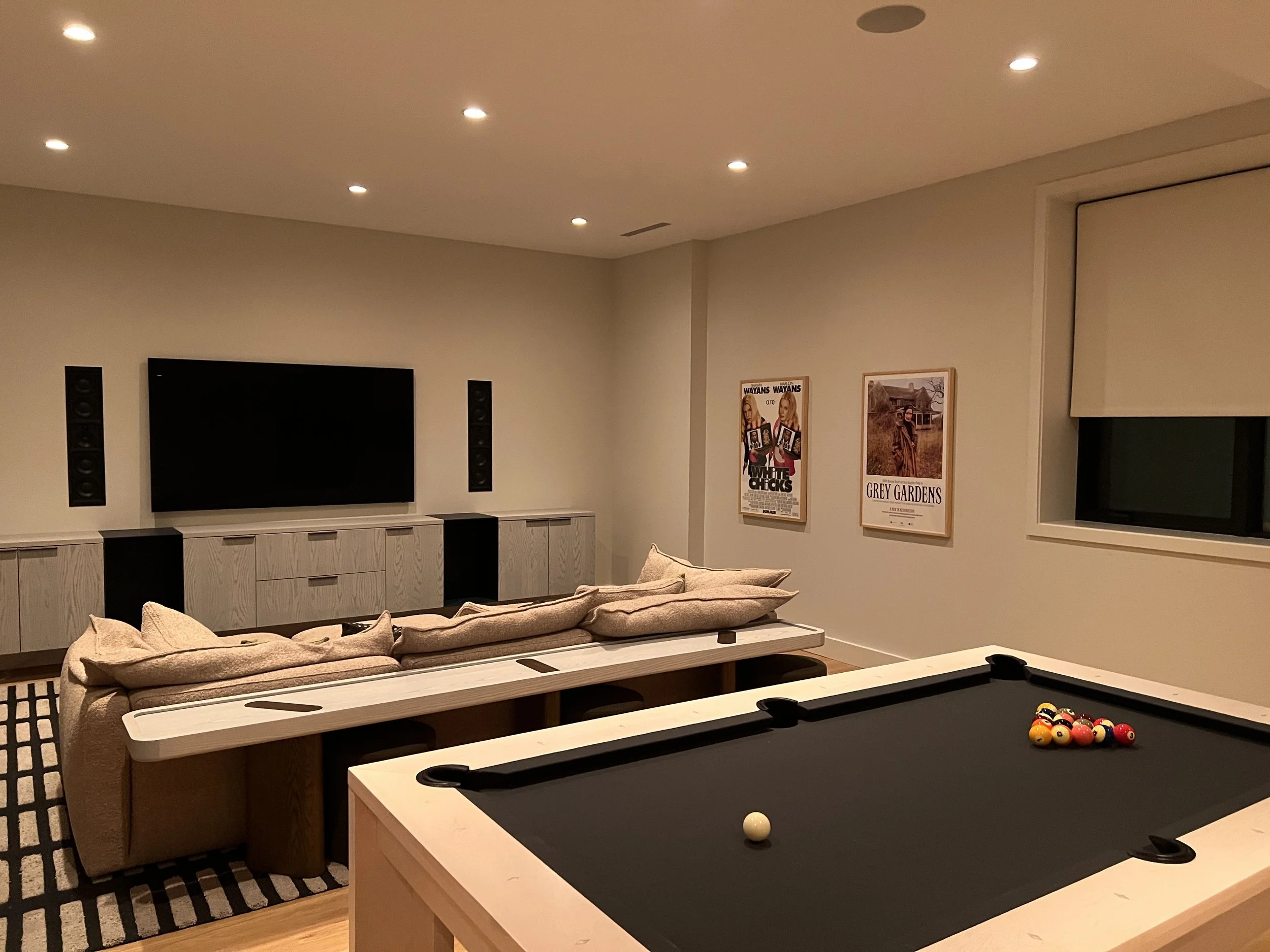
Technology Should Belong in the Architecture
Well-integrated technology should feel considered, not added on.
At HTE, we believe the best systems are the ones that support how a home looks and lives without drawing unnecessary attention to themselves.
That can mean:
Motorized shades concealed within the architecture
Controls selected and placed with the surrounding finishes in mind
Touch panels integrated carefully into millwork or wall layouts
Audio solutions planned to preserve both performance and visual clarity
Lighting is often where this collaboration matters most.
When lighting is coordinated early, the result is more predictable and more cohesive. Layering feels intentional. Scenes reflect how people actually live. Automation supports the mood of the home instead of distracting from it.
Done well, lighting helps shape the experience of a home from morning through evening without ever feeling overstated.
A Shared Responsibility
Designers and integrators are not solving separate problems. They are contributing to the same outcome: a home that is easier to live in, more comfortable to use, and more complete in how it feels.
That only happens when collaboration is treated as part of the process, not an afterthought.
The strongest projects are usually the ones where:
Designers and integrators are involved early
Each team respects the other’s role
Communication stays active throughout the project
Technology is planned to support the design, not compete with it
Clients increasingly expect homes to be beautiful, intuitive, and reliable at the same time. Meeting that expectation takes more than good products or good intentions. It takes coordination.
The best homes are not divided between design and technology.
They are planned so both work together, seamlessly.
If you are planning a new home or renovation, bringing design and technology into the conversation early leads to a more coordinated result. HTE works alongside designers, architects, and builders to create systems that are practical, reliable, and aligned with the home from the start.