
Pre-wiring for motorized window treatments ensures seamless automation, no batteries, and a truly turnkey luxury home from day one.
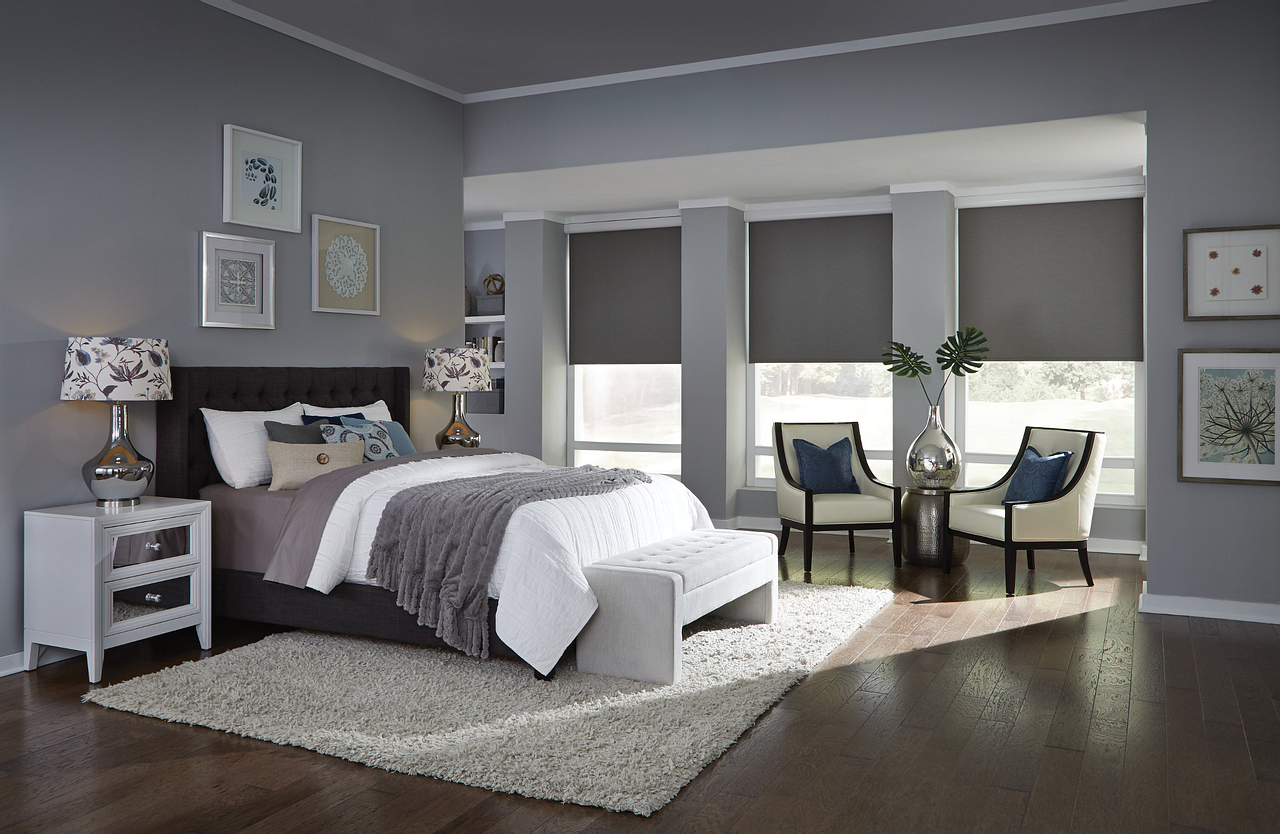
Residential construction wired for motorized shades
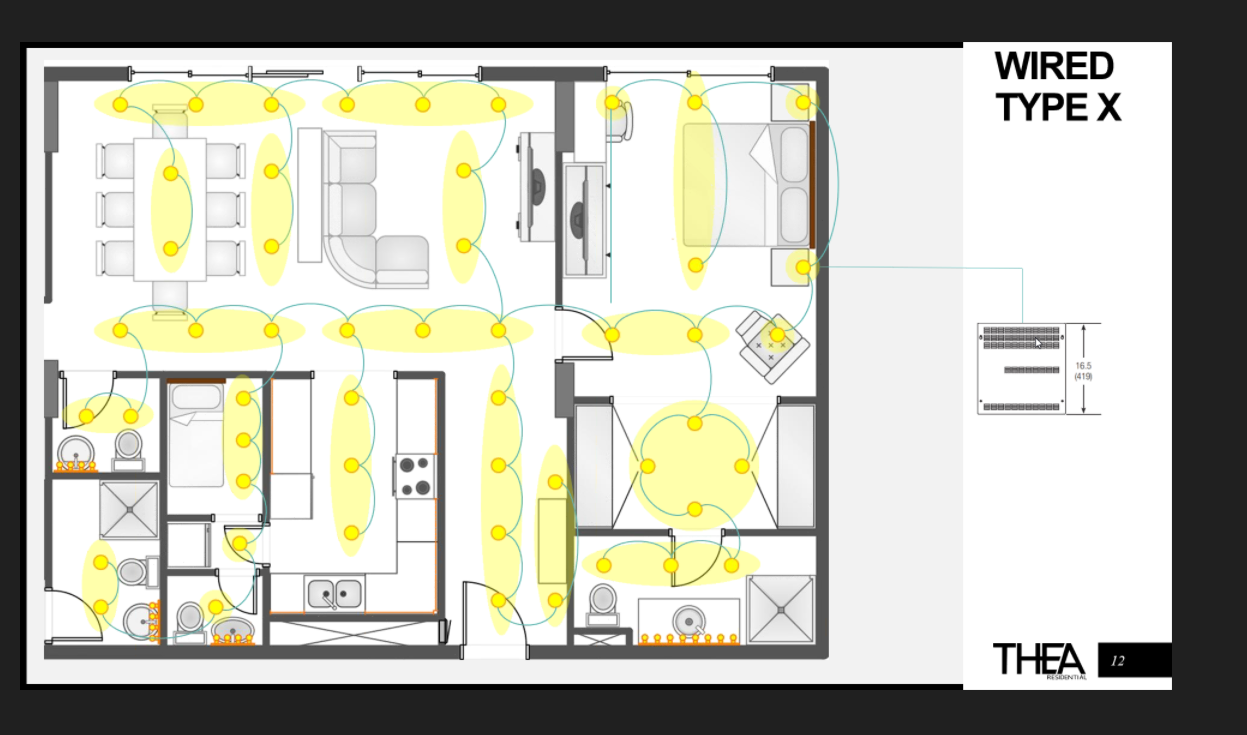
New construction pre-wired for motorized shades
There’s a persistent misconception in the window-treatment world — that you don’t need wiring for shades. After all, battery-powered or manual shades are “good enough,” right? Technically yes. But when you’re building a new home — especially a luxury one — choosing not to wire for automated shades is a serious oversight. Wiring is inexpensive to plan for, effortless to conceal, and unlocks far greater performance, flexibility and long-term value.
Let’s break down why.
The Real Reasons Homeowners Want Shades
Installing shades isn’t just about making a window look neat.
The best homeowners understand they’re investing in comfort, preservation and control.
Sunlight control & comfort — Big windows are a hallmark of modern luxury, but open expanses of glass bring issues: glare, heat gain, and lack of privacy. Motorized shades can adjust automatically (morning, afternoon, evening) so you maintain view and light, but mitigate discomfort.
Protecting interiors — Natural light is beautiful, but it’s also damaging. According to the Florida Solar Energy Center (FSEC), ultraviolet radiation (UV) is attributed with about 40% of interior fabric/furnishing damage, with visible light and infrared/heat accounting for much of the rest.
One article notes that “leather furniture placed near a window is likely to become faded, dried out or cracked as a result of prolonged exposure to UV-A rays.”
Another gives a breakdown: UV ≈ 40% of fade, visible light ≈ 25%, heat ≈ 25%.
These are strong arguments for shading. If expensive flooring, artwork, furnishings are in direct sun, they’re being damaged every day.
Usage behavior & aesthetics — With manual shades, many homeowners end up leaving them either fully open (letting damage happen) or fully closed (blocking light, losing view). Motorized shades, when wired and integrated, allow for schedules, presets and smart control — so shades go down when the sun hits, come up when it’s safe, and you stay in your environment rather than constantly remembering to pull cord. The result: better light control and better protection of your investment.
So yes: the decision to plan for motorized shading is about luxury, but it’s also about protecting value.
The Truth About Battery-Powered Shades
Battery-powered shades (for example, many Lutron roller models) are convenient — especially in retrofit scenarios. Each uses standard non-rechargeable batteries (for example, eight Duracell batteries in some models) because these non-rechargeables have been tested for longest life under load. In ideal conditions they may last three-to-five years; usage, fabric weight, window size and frequency all affect that timeframe.
At first glance they seem sufficient — but do the math: suppose your master bedroom has six windows. That’s 48 batteries just for that room. Add the great room, dining room, baths etc and you’re likely up to hundreds of batteries. Changing them requires lowering the shade, replacing batteries, resetting limits, re-programming if needed. It’s not just cost of batteries — it’s labor/time and disruption.
In retrofit cases (where wiring wasn’t run) batteries may be your only practical option. But in new construction? It’s a compromise. And for a luxury homeowner who expects seamless systems, “change eight batteries” is not the experience.
Why Wiring Matters
When wiring is planned early, shades become part of the home’s permanent infrastructure — not an afterthought. Here are the major advantages:
Power reliability — No battery replacement, no downtime, no degradation of power.
Cleaner integration & control — Wired motorized shades can integrate with home-automation systems (lighting, HVAC, security) more cleanly. Some systems allow the same run of wire to carry control signals, reducing need for repeaters or extra RF endpoints.
Reduced wireless complexity — With battery/wireless shades you often need RF receivers, signal coordination, battery-monitoring. Wired systems reduce the load on the wireless network and reduce risk of interference or signal drop-outs.
Concealed installation — Running low-voltage or power wiring during rough-in is very low cost; the walls are open, so you can hide every conduit or low-voltage run. If you wait until after drywall, it becomes expensive and disruptive. Plus, if shades are not installed immediately, the wiring can be left dormant but ready for future installation.
Future-proofing — Even if the initial homeowner waits to install shades, the next one almost certainly will. Having the wiring in place makes the property more turnkey and appealing.
Precise group syncing & aesthetics — This is where systems like Lutron’s shine. Their patented feature, “Intelligent Hembar Alignment” (IHA), synchronises all motorised shades in a space so that the bottom rails (the hembar) align perfectly within ⅛-inch across multiple windows, at all times. The visual effect is one of precision and luxury, and you simply can’t achieve that with a mix of manual or mismatched motorized shades.
For example: “IHA uses a patented two-part electronic control system to maintain hembar alignment within 1/8” during motion, and at all resting positions.”
That means in a wide window wall with multiple shades, all will move in unison and sit flush with one another, creating a clean and intentional aesthetic. Manual or poorly synced shades often end up misaligned, sagging hembars, uneven bottom rails — all things a luxury homeowner notices.
In short: wiring unlocks the full luxury shading feature set — performance, control, aesthetics, durability.
The Cost Perspective
Motorized shades are often perceived as a “luxury add-on” and thus costly. But when you look at the full scope, the incremental cost makes sense.
Today’s typical installed price for a motorized custom shade is around $1,700-$1,800 per unit. Yes, that’s significant — but consider that even non-motorized custom roller shades in a luxury build cost hundreds (because of premium fabric, custom sizing, fabrication, installation). So your comparison should be: “motorised vs custom manual,” not “motorized vs $0 blind.”
For that incremental cost you gain:
automated operation
integrated controls (e.g., schedules, scenes, remote operation)
better longevity (no batteries to replace)
cleaner, more consistent aesthetics (synchronised hems)
interior protection (less wear from sun, less need for furniture/flooring replacement)
When you factor in the hidden cost of battery replacement, downtime, labor, and potential damage from unrestricted sun exposure (furniture/flooring fade, etc), wiring for motorized shades becomes not just an upgrade — it’s a smart investment.
Part of a Comprehensive Wiring Strategy
Shade wiring should not be an afterthought. It forms part of a whole-home wiring package often expected in luxury homes:
lighting control wiring
networking (CAT6/7, fiber)
distributed audio/video
security/surveillance wiring
motorised shading wiring
When handled together, these systems can share infrastructure (e.g., conduit, low-voltage pathways, control hubs). Running wire for shades during rough-in is minor cost compared to opening finished walls later (patching, painting, disruption). And the payoff — in performance, aesthetics and resale appeal — is immense.
Conclusion: Building for Turnkey Luxury
In luxury homebuilding, the details matter. A home should feel finished, elevated, seamless — and that includes window treatments. A true luxury home is turn-key — ready for comfort, control and elegance from day one.
Battery-powered shades certainly have their place (particularly in retrofit situations). But for new construction, wiring for motorized shades is the only smart choice. It costs little to plan, hides completely, and ensures that whoever owns the home (today or tomorrow) enjoys the full benefits: comfort, control, aesthetics and protection of their investment.
A true luxury home isn’t just built beautiful — it’s built intelligently, from the inside out.
Ready to prepare your new space with wiring for motorized shades? Request a custom quote today and bring your vision to life.