
Lutron Shading Control Systems - Commercial Architecture
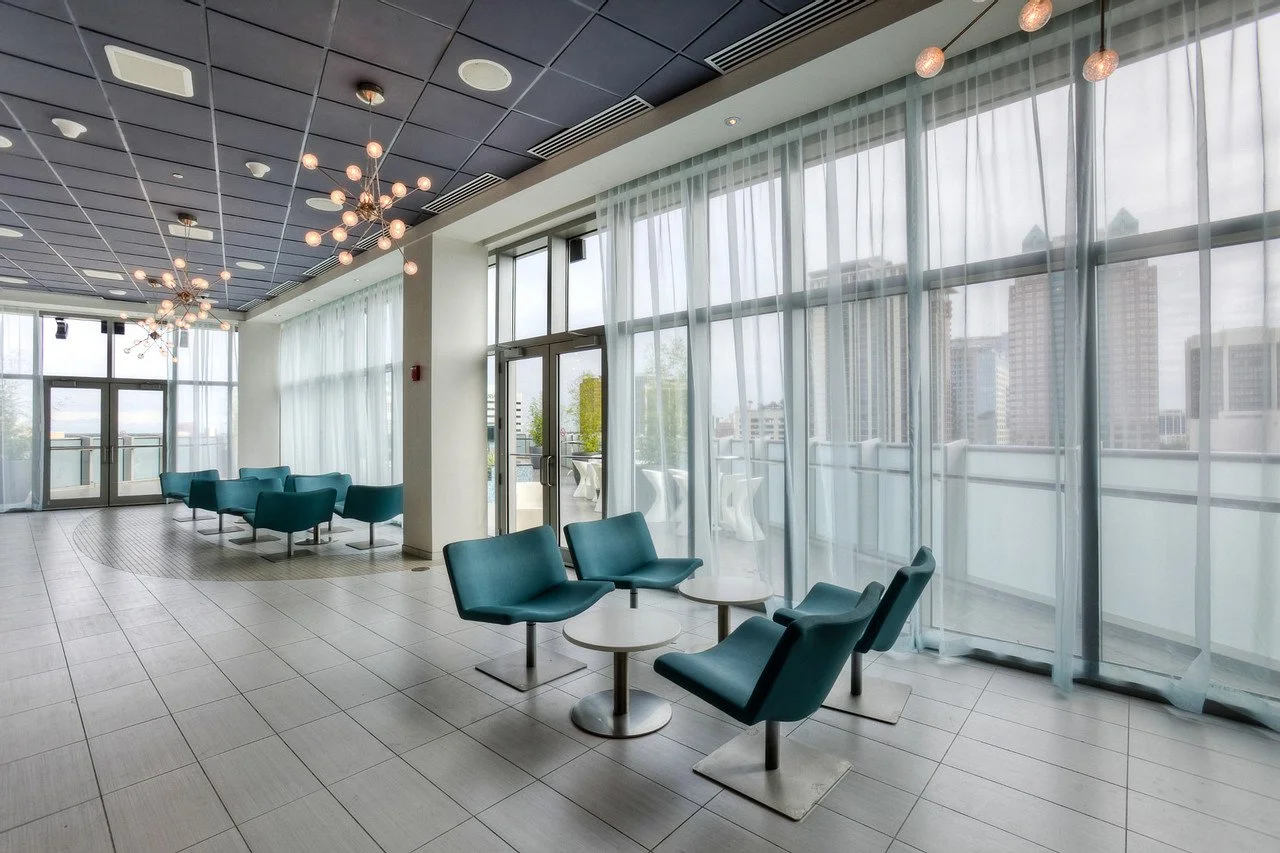
In New York commercial architecture, daylight is a defining design element—but without control, it quickly becomes a liability. Expansive glazing, varied orientations, and dense urban context create glare, thermal imbalance, and inconsistent interior light conditions that undermine even the best architectural concepts.
Lutron commercial shading control systems allow architects to treat daylight as a controllable building material rather than a variable condition.
Shading as Part of the Building System
Lutron shading systems are designed to integrate directly with lighting controls and building management strategies. Rather than relying on manual occupant intervention, shading responds automatically to:
Sun position and façade orientation
Time of day and seasonal shifts
Interior lighting levels and occupancy
This ensures that daylight remains consistent, intentional, and aligned with the original design vision throughout the life of the building.
Supporting Visual Comfort Without Compromising Design
From an architectural standpoint, one of the biggest challenges in commercial spaces is balancing transparency and comfort. Manual shades often end up permanently lowered, eliminating daylight and views altogether.
Automated shading allows façades to remain visually open while mitigating glare incrementally—preserving both exterior connection and interior comfort.
Lutron’s quiet motors, refined hardware, and extensive fabric options allow shading to disappear visually while performing continuously in the background.
Energy Performance and Code Alignment
In New York’s regulatory environment, shading is a meaningful contributor to overall building performance.
When coordinated with lighting controls:
Solar heat gain is reduced during peak cooling hours
Electric lighting demand is lowered through daylight harvesting
HVAC loads along perimeter zones become more predictable
Lutron shading systems support compliance with energy codes and contribute toward LEED, WELL, and other sustainability frameworks—without introducing operational complexity.
Design Flexibility Across Building Types
Lutron systems are scalable and adaptable, making them suitable for:
Large open-plan floorplates
Multi-tenant office buildings
Historic retrofits and landmarked façades
Hospitality, healthcare, and institutional projects
As tenant layouts evolve, the shading infrastructure remains intact—protecting the architectural investment over time.
Architectural Takeaway
For architects, Lutron commercial shading systems provide a way to maintain control over daylight long after construction is complete. They preserve design intent, improve environmental performance, and integrate seamlessly into the building’s broader control ecosystem.
Shading becomes not a compromise—but a tool.