
If the Lighting Scenes Aren’t Documented, They Don’t Exist
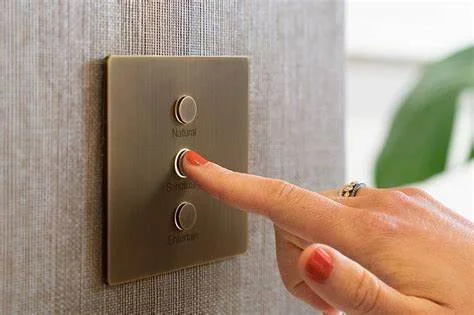
Lighting scenes are one of the most useful features in a well-designed smart home. With a single tap, dozens of fixtures can shift together, adjusting brightness, color temperature, and shades to support the way a room is being used.
Movie Night. Dinner Party. Morning Wake-Up.
When scenes work well, they feel effortless.
When they are not documented, they become fragile.
A keypad button may still be labeled, but the thinking behind that scene can disappear the moment the original programmer steps away. Which fixtures are included? What levels were set? Which shades are supposed to move? What was the room meant to feel like?
Without clear records, future changes become guesswork.
At Home Technology Experts, we treat documentation as part of the system itself. It is what allows a lighting system to remain reliable, serviceable, and aligned with the original design intent over time.
As-Builts: The Foundation of Continuity
Professional lighting systems should begin with accurate as-built documentation. This means clear records of every lighting load, zone, keypad, control point, and related system connection.
As-builts are not only for electricians. They are what allow future adjustments to be made intelligently.
Homes change. Artwork is added. Furniture layouts evolve. Rooms are used differently as families’ needs shift. When the system is documented properly, lighting scenes can evolve with the home without undoing the balance that made them work in the first place.
Without that foundation, even small changes can create uncertainty.
Programming Documentation: Scenes Explained, Not Hidden
A finished lighting system should never feel like a black box.
Clear programming documentation turns each scene into something understandable and maintainable. It preserves not only what the system does, but why it was set up that way.
This documentation should include:
A complete scene list
Lighting levels and color temperatures
Keypad button assignments
Shade behavior where applicable
Scene logic and automation rules
Backups of the full programming file
Clean labeling for racks, processors, wiring, and related equipment
With this information in place, scenes can be refined, restored, or rebuilt accurately years after installation.
That matters because lighting is rarely static. The best systems are designed to adapt. Documentation is what makes that adaptation practical instead of risky.
Client Handover: Preserving Intent Over Time
A proper handover should do more than show someone how to turn the system on.
It should explain how the lighting system is intended to work.
Whether delivered through a digital portal, a physical binder, or both, the handover should give the homeowner and future service team a clear record of the system. It should make the home easier to support, easier to understand, and easier to adjust when needs change.
This protects the homeowner. It protects the design intent. It also protects future owners and service technicians from inheriting a system that only one person ever truly understood.
Why This Matters
Undocumented lighting scenes do not usually fail all at once. They fade.
A scene stops being adjusted because no one is sure what it controls. A button stays in place, but the experience behind it no longer matches the room. Service calls take longer than they should. Features that once felt effortless are quietly abandoned because no one wants to risk breaking something.
Lighting design is an investment in how a home feels and functions every day.
Documentation is what protects that investment.
At Home Technology Experts, we believe a lighting system should remain as thoughtful and functional in ten years as it is on day one. That only happens when scenes are planned carefully, programmed clearly, and documented with the same discipline used to build the system itself.
FAQs
Why do lighting scenes need to be documented?
Lighting scenes need documentation so they can be adjusted, restored, and supported over time.
A scene may appear simple from a keypad or app, but it often controls many details at once: fixture levels, color temperature, shades, timing, and room conditions. Without clear records, future changes become guesswork.
What happens when lighting scenes are not documented?
When scenes are not documented, they can become difficult to maintain.
The button may still say “Movie Night” or “Dinner Party,” but the logic behind that scene may no longer be clear. Over time, this can lead to inconsistent performance, unnecessary service calls, or scenes being abandoned because no one wants to risk changing them.
What should be documented in a lighting scene?
A properly documented lighting scene should include the scene name, the fixtures or zones involved, brightness levels, color temperatures, shade positions, keypad assignments, and any related automation logic.
It should also include a backup of the programming file, along with clear labeling for racks, processors, keypads, and cabling.
What are as-builts, and why do they matter?
As-builts are accurate records of how the system was actually installed.
For lighting control, they typically show lighting loads, zones, keypads, control points, and related wiring. They matter because homes change over time. Artwork moves. Furniture changes. Rooms are used differently. As-builts allow future updates to be made carefully without undoing the original design intent.
Are lighting scene records only useful for the original installer?
No. Good documentation protects the homeowner, the service team, and anyone who may work on the home in the future.
A lighting system should not depend on one programmer’s memory. Documentation gives qualified technicians the information they need to support the system accurately, even years after installation.
Can lighting scenes be updated after the home is finished?
Yes. In a well-documented system, lighting scenes can be refined as the home evolves.
This is especially important in luxury homes where furnishings, artwork, window treatments, and room use may change over time. Documentation allows the system to adapt without starting from scratch.
Why does HTE treat documentation as part of the system?
At Home Technology Experts, documentation is part of building a reliable, serviceable system.
A smart home should be designed for real-world conditions, not just for the day it is installed. Proper records help our team maintain continuity, make informed adjustments, and support the home long-term.
What should a client handover include?
A proper handover should explain how the lighting system is intended to work.
This may include a digital portal or physical binder with scene lists, keypad layouts, programming backups, as-built records, equipment labels, and service information. The goal is to preserve the intent behind the system, not just provide basic operating instructions.
How does documentation protect the lighting design investment?
Lighting design is not only about fixtures. It is about atmosphere, comfort, and how the home feels throughout the day and evening.
Documentation protects that investment by making sure the scenes can be maintained, restored, and refined over time. Without it, even well-designed lighting can slowly become harder to use.
Do homeowners need to understand the technical details?
No. Homeowners should not have to manage the technical side of the system.
The purpose of documentation is to make the system easier to support. Homeowners get confidence that the system is organized, reliable, and built for long-term use.
When should lighting scene documentation be created?
Documentation should be created throughout the project, not after a problem appears.
As-builts, programming records, labeling, backups, and handover materials should be treated as part of the installation process. That discipline is what keeps the system predictable and supportable over time.