DIY Systems

diy not so functional
Why DIY Smart Home Systems Often Fail Over Time | Hamptons & NYC | HTE
Smart Home Design + Long-Term Reliability

Why DIY Smart Home Systems
Often Fail Over Time

DIY smart home systems often become unreliable over time because they rely on cloud services, fragmented device ecosystems, and short consumer electronics product lifecycles.

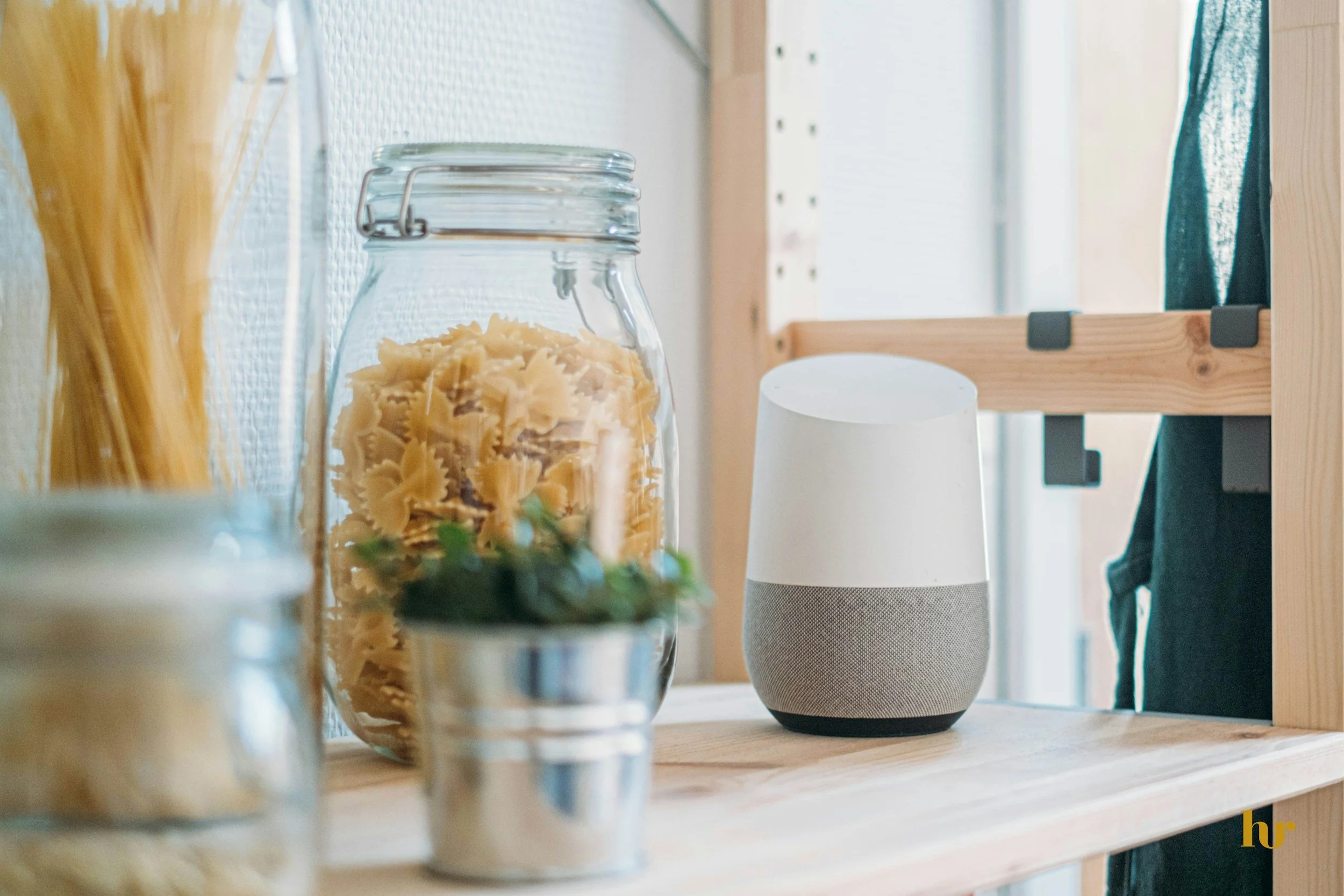
Most DIY systems combine devices from multiple manufacturers using platforms like Amazon Alexa, Google Home, or Apple HomeKit. While these ecosystems allow devices to communicate, they also introduce dependencies on software updates, cloud infrastructure, and third-party integrations.

As companies update apps, discontinue products, or change service models, devices that once worked together can gradually lose functionality.

For homeowners, this often leads to smart homes that technically still operate — but feel increasingly unreliable, fragmented, and difficult to manage.

The Reality Behind DIY Automation

What starts as convenience often becomes complexity.

For many homeowners, the idea of the smart home once felt inevitable.

Over the past decade, DIY smart home devices promised affordable automation — lighting control, climate management, security monitoring, voice assistants, and remote access — all without professional installation.

At first, these systems seemed revolutionary. Devices could be installed in minutes and controlled through apps connected to platforms like Amazon Alexa, Google Home, and Apple HomeKit.

But over time, many homeowners have discovered a frustrating reality: DIY smart home systems often become unreliable as they age.

Homes that once felt cutting-edge begin to feel fragmented, unpredictable, and increasingly difficult to manage.

This outcome is not accidental. It is largely the result of how most consumer smart home ecosystems are designed.

Ownership + Dependence

The illusion of owning your smart home devices.

One of the most overlooked issues with many consumer smart home products is ownership.

While it feels like you are purchasing a device, you are often relying on services that exist outside your home — including cloud servers, mobile apps, and vendor-controlled platforms.

The hardware may sit in your house, but much of its functionality depends on software running elsewhere.

Many DIY devices rely heavily on cloud platforms connected to ecosystems like:

  • Amazon Alexa
  • Google Home
  • Apple HomeKit
  • Samsung SmartThings

These platforms coordinate devices that communicate using technologies such as Wi-Fi, Zigbee, Z-Wave, or Matter.

While these standards enable compatibility, they also introduce additional layers of complexity.

When cloud services change, integrations break, or companies discontinue products, homeowners may suddenly lose functionality — even though the device itself still works.

In those situations, the hardware has not failed. The support structure behind it has.

Apple Home formerly known as Apple HomeKit

No Central Control Means No Accountability

Most DIY smart homes are assembled one device at a time.

Homeowners might install:

  • lighting from one manufacturer
  • cameras from another
  • smart locks from a third
  • thermostats and sensors from several more

While these devices are often marketed as “compatible,” the connections between them are frequently fragile.

Each product typically has its own:

  • mobile app
  • update cycle
  • cloud platform
  • customer support team

When one manufacturer changes direction or releases a software update, the rest of the system may stop behaving as expected.

Because no single company is responsible for the system as a whole, accountability becomes difficult.

What would normally be resolved with a single service call becomes a series of conversations with different manufacturers — each responsible only for their own device.

For homeowners, this often results in unresolved issues and growing frustration.

Whole-Home Control is the answer.

Why DIY Smart Homes Often Get Worse Over Time

One of the more surprising characteristics of many DIY smart home systems is that they often degrade over time.

Software updates may introduce:

  • advertising inside apps
  • simplified interfaces designed for mass-market users
  • removed advanced features
  • new subscription requirements

Integrations that once worked reliably may disappear entirely.

Subscription models also change. Services that once included certain features may begin charging additional monthly fees for functionality homeowners assumed was permanent.

These patterns are common in consumer technology.

But they create significant challenges when applied to home infrastructure.

Systems responsible for lighting, climate control, security, and comfort should become more reliable with time — not less.

Short Product Cycles in a Long-Term Environment

Homes are a long-term environment.

Many systems inside a home — such as HVAC, electrical infrastructure, and security systems — are expected to operate reliably for a decade or more.

Consumer electronics operate on very different timelines.

Smart home products are frequently replaced every few years as manufacturers release new hardware and discontinue older product lines.

When a product line no longer aligns with a company's business strategy, it may simply be abandoned.

The device itself may still function physically, but software updates, integrations, and cloud services behind it disappear.

This creates a fundamental mismatch between consumer technology lifecycles and homeowner expectations.

What We See in Real Homes

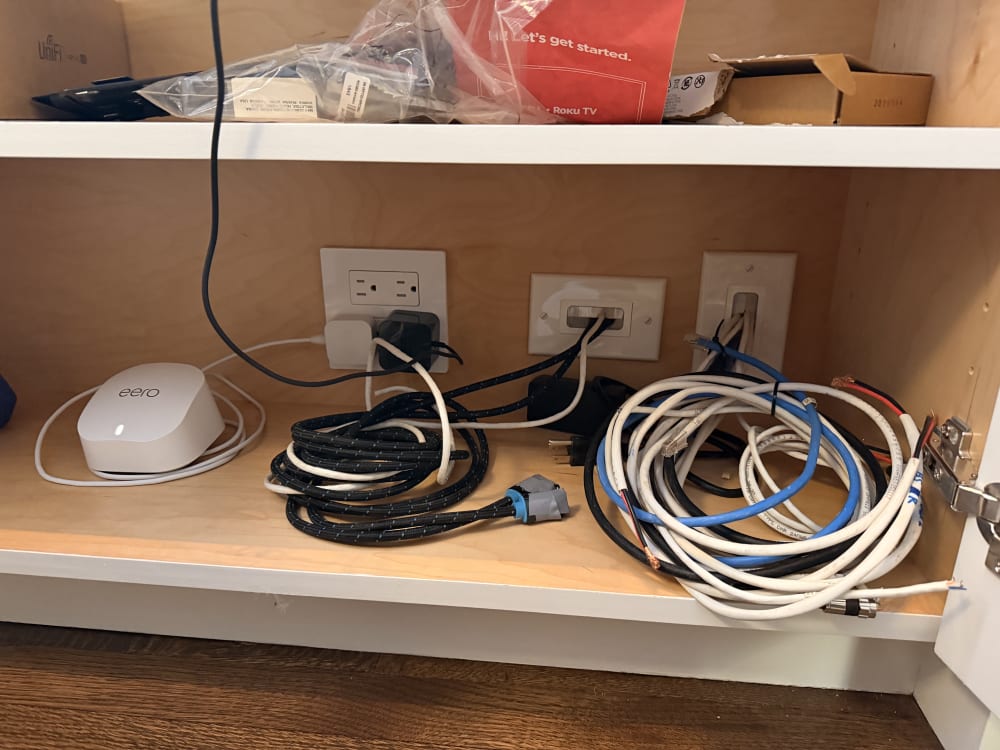
In many homes we evaluate, the smart system has gradually evolved into a patchwork of disconnected devices.

It is not uncommon to find five or more different apps controlling:

While each device may function individually, the overall system becomes difficult to manage.

Homeowners frequently report problems such as:

  • automations that stop working
  • devices disconnecting from the network
  • integrations disappearing after software updates
  • cameras or locks losing compatibility with voice assistants

These problems rarely stem from a single device.

More often, they result from the absence of coordinated system architecture. Whole-home control systems solve this problem by design.

Control4 whole-home control system

DIY Smart Home vs Professional Smart Home Systems

DIY systems prioritize affordability and simplicity, but they often sacrifice long-term reliability.

Professionally designed systems approach the home as a coordinated technology environment.

DIY Smart Home

  • Multiple apps controlling devices
  • Heavy cloud dependence
  • Device compatibility issues
  • Self-support troubleshooting
  • Consumer electronics lifecycle

Professionally Designed Smart Home

  • Unified control interface
  • Local processing for reliability
  • Engineered system architecture
  • Dedicated professional support
  • Long-term system planning

Professional platforms such as Control4, JoshAI, and Savant are designed to coordinate lighting, climate, security, audio, and networking through a centralized system.

Rather than managing disconnected devices, the home operates as a unified environment.

Why Professionally Designed Systems Age Differently

Professionally designed smart homes are built with long-term reliability in mind.

Instead of assembling individual gadgets, the system is designed as an integrated platform.

Key design priorities typically include:

  • centralized control systems
  • local processing to reduce cloud dependence
  • coordinated device integration
  • long-term manufacturer support
  • professional service and maintenance

At Home Technology Experts, we assume complexity and plan for real-world conditions. Systems are designed to be resilient, serviceable, and supported by a team that understands how the entire environment works.

When technology is planned this way, the experience becomes far more predictable.

Key Reasons DIY Smart Home Systems Fail

The most common causes of long-term DIY smart home problems include:

  • heavy reliance on cloud services
  • fragmented ecosystems from multiple manufacturers
  • frequent software and app changes
  • lack of centralized system management
  • short consumer electronics product lifecycles
  • limited long-term manufacturer support

Understanding these limitations helps homeowners make more informed decisions when planning technology for their homes.

A Smarter Long-Term Foundation

If a smart home begins to feel fragmented or unreliable, the issue is rarely a single device.

More often, it is the underlying structure of the system.

Technology in a home should simplify daily life — not introduce constant troubleshooting.

A thoughtfully designed smart home system provides stability, accountability, and continuity over time.

A smarter home is not about adding more devices.

It is about building a reliable technology foundation designed to evolve with the home for years to come.

Are DIY Smart Homes Worth It?

DIY smart home systems can work well for simple automation tasks like smart lighting or voice control. However, as more devices are added, reliability often declines due to compatibility issues, cloud dependencies, and fragmented device ecosystems.

For homeowners seeking long-term stability, professionally designed smart home systems typically provide more consistent performance and centralized control.

Frequently Asked Questions

Why do DIY smart home devices stop working well over time?

Many DIY devices rely heavily on cloud services and third-party platforms. When companies update software, discontinue products, or remove integrations, functionality can be reduced or lost even if the hardware still works.

Are DIY smart homes reliable long term?

DIY systems can work well for simple automation. However, as more devices are added from different manufacturers, reliability often declines due to fragmented ecosystems and cloud dependencies.

Can DIY smart home systems be improved?

Small improvements are possible by consolidating platforms and improving network infrastructure. However, without centralized system architecture and long-term support, maintaining consistent reliability can be difficult.

What is the alternative to DIY smart home products?

Professionally designed smart home systems use coordinated platforms, centralized control, and local processing to deliver more predictable long-term performance.