
What Is Motion Detection
What Is Motion Detection — and Why It Matters
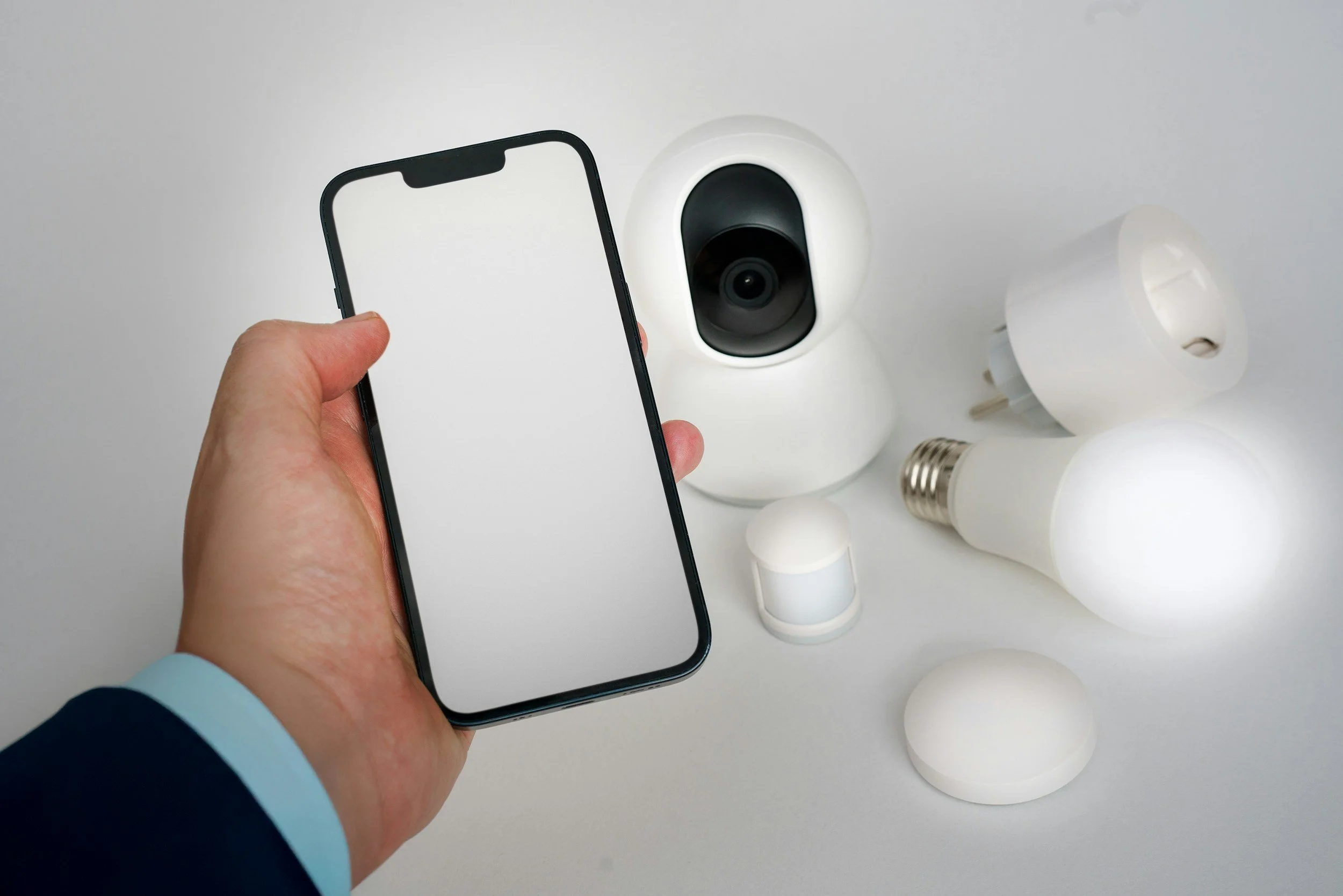
Motion detection is the technology that allows smart systems to respond automatically when someone enters a space. Instead of running all the time, devices “wake up” only when movement is detected—triggering lights, cameras, alerts, or automations exactly when they’re needed.
Why this is valuable:
Improves security by recording and alerting you only when something is happening
Saves energy by turning systems on and off automatically
Reduces noise and false alerts compared to always-on monitoring
Creates a home that feels more responsive and intelligent

Motion detection is used in security cameras, smart lighting, shades, thermostats, and automation systems throughout the home.
The Main Types of Motion Detection
Passive Infrared (PIR)
The most common and reliable option for homes
PIR sensors detect changes in heat. When a person or animal moves through a space, the sensor recognizes the shift in infrared energy.
Why it’s good:
Very energy efficient
Excellent at detecting people
Fewer false alerts from non-living movement
Best used for:
Motion-activated lights, security cameras, and alarms (indoors and outdoors)
Video-Based Motion Detection
Uses the camera’s image to detect movement
This method compares video frames and looks for changes in the image—anything from a person to a moving shadow.
Why it’s useful:
Can detect all types of motion
Allows custom detection zones (ignore streets, trees, etc.)
Things to know:
More sensitive to lighting changes and weather
Works best when carefully tuned
Best used for:
Indoor cameras or controlled outdoor environments
Smart / AI-Based Motion Detection
The most advanced and precise option
Modern systems combine motion sensing with AI to understand what is moving—such as a person, vehicle, animal, or package.
Why it’s better:
Far fewer false alerts
More meaningful notifications
Can tell the difference between a person and a pet
Best used for:
Homes where accuracy, convenience, and fewer notifications matter most
Where Motion Detection Makes the Biggest Difference
Security cameras – Record only when activity occurs, saving storage and battery life
Smart lighting – Lights turn on automatically when you enter a space
Window shades – Adjust for privacy or comfort when rooms are occupied
Thermostats – Reduce energy use when no one is home
Designing Motion Detection the Right Way
Good motion detection isn’t just about the sensor—it’s about placement, tuning, and the right technology for each space.
To reduce false alerts and improve performance:
Use smart detection instead of basic motion where possible
Adjust sensitivity and detection zones
Avoid placing sensors near heat sources or direct sunlight
Choose outdoor-rated hardware for exterior areas
The Bottom Line
Motion detection makes your home smarter, safer, and more efficient—but only when it’s designed correctly. The right system feels invisible when you don’t need it and instantly responsive when you do.