
Moore’s Law and Technology
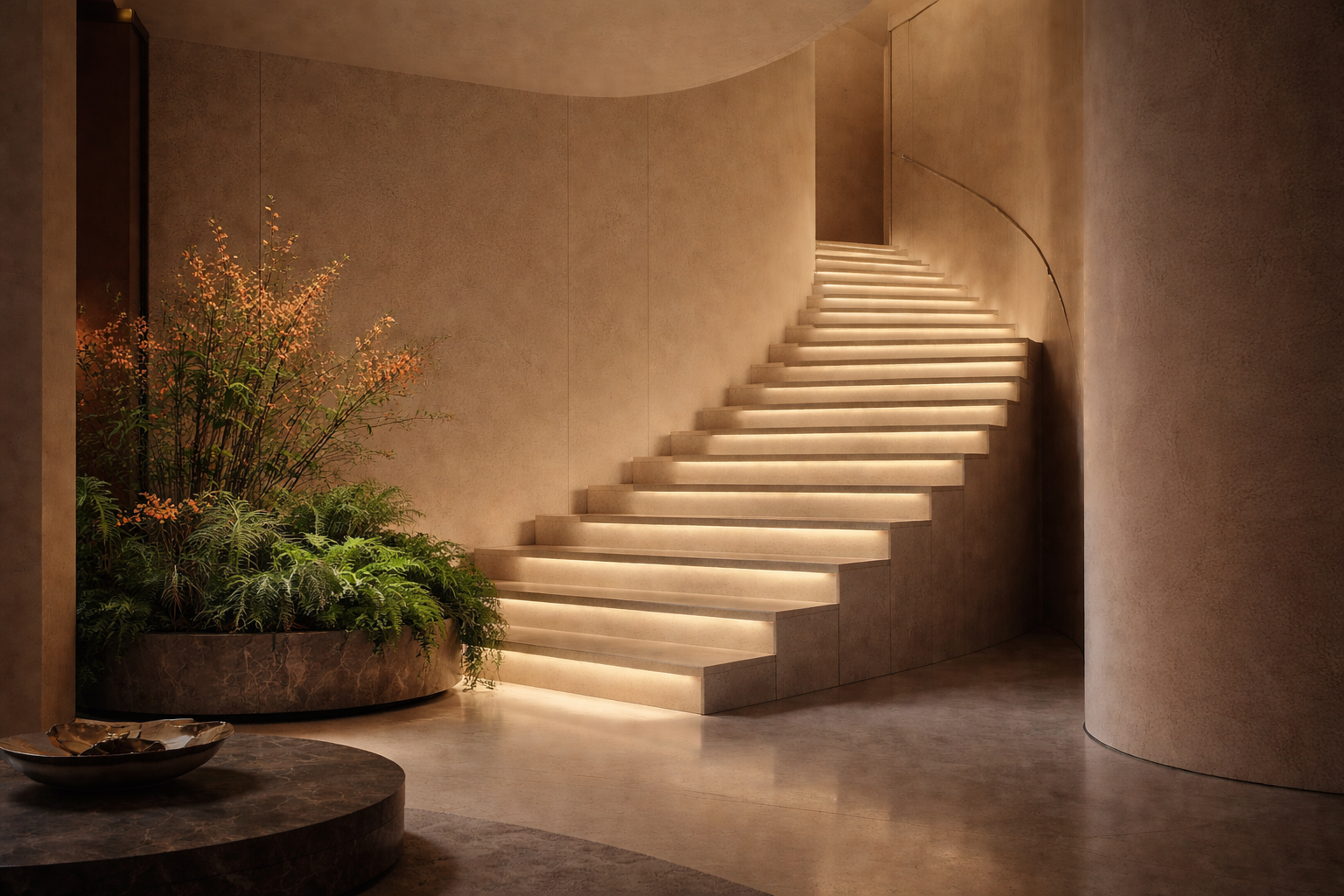
“Moore’s Law is the observation that the number of transistors on a microchip doubles approximately every two years, leading to a corresponding increase in computing power while costs tend to decrease.
Originally proposed by Gordon Moore in 1965, it’s less a physical law and more a guiding trend that has shaped the pace of innovation in electronics and computing for decades.”
From Computing Power to Everyday Living
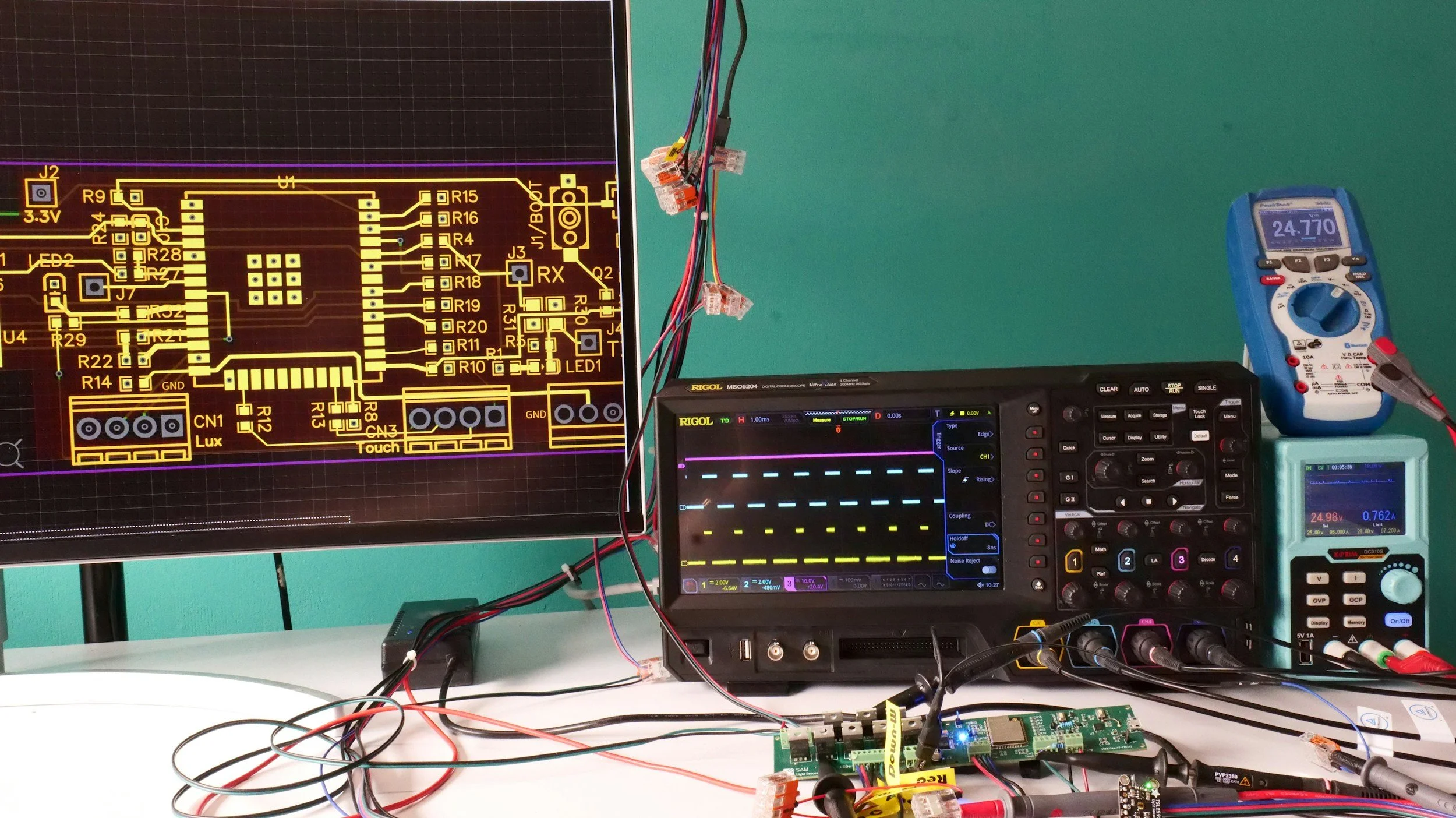
As chips became more capable and affordable, computing stopped being something you actively used and became something that simply existed around you.
Phones replaced computers.
Keypads and touch panels replaced switches.
Connectivity became assumed.
Inside the home, this shift enabled:
Always-on connectivity
Lighting, climate, and audio that respond instantly
Systems that communicate with each other rather than operate in isolation
What once required dedicated rooms and more money than the consumer made in a year is now embedded quietly throughout the home. HTE’s specialized expertise saves costs.
Moore’s Law Impact That Matters to Homeowners
The real impact of Moore’s Law isn’t technical. It’s experiential.
As technology became more efficient:
Systems grew smaller, more affordable, and more integration opportunities opened up
Performance improved without adding complexity
Costs stabilized as baseline technologies improved, allowing for long-term planning
This created a new expectation: technology should work quickly, quietly, and reliably—without demanding attention.
That expectation now defines how homes are designed and lived in.
From speed
to intelligence.
As traditional chip scaling slows, innovation hasn’t stopped. It has shifted.
Instead of focusing solely on speed, the industry now prioritizes:
Specialized processors designed for specific tasks
Smarter system architectures that emphasize efficiency
Software, AI, and machine learning that adapt to behavior rather than require constant input
In the home, this means technology becomes less visible and more intuitive—anticipating needs instead of reacting to commands.
What Comes Next for the Smart Home
The next phase of home technology isn’t about more devices. It’s about better systems.
Environments that adjust automatically to daily routines
Systems that reduce errors, waste, and maintenance
Technology that brings experience to the foreground and hardware to the background while improving comfort and reliability
This is the true legacy of Moore’s Law—not endless speed, but effortless performance.
Moore’s Law calls out that we are doubling the processing power of chips every 2 years, infinitely increasing the capability of home systems.

Technology That Works Quietly in the Background
At Home Technology Experts, we don’t chase trends for their own sake. We focus on what they enable: homes that feel easier to live in, year after year.
The smartest systems aren’t the ones you notice.
The smartest systems aren’t the ones you notice.
They’re the ones that feel intuitive to use, bring value to your life, and encourage you to enjoy them.[RW9]
That’s where decades of innovation have been leading—and where thoughtful home technology belongs.
The smart systems are the ones that feel intuitive to use bring value to your life and encourage you to enjoy them.
FAQ
Q1: What is Moore’s Law in simple terms?
Moore’s Law observes that computing power tends to double every two years, while costs decrease—making technology smaller, faster, and more accessible.
Q2: How does Moore’s Law affect smart homes?
It enables powerful home systems to run quietly in the background, supporting lighting, climate, audio, and automation without added complexity.
Q3: Are smart homes becoming more complicated?
No—while systems are more capable, modern design focuses on simplicity, reliability, and automation that adapts to homeowners’ routines.
Q4: What’s the future of smart home technology?
The future is system intelligence: fewer visible devices, more integration, and homes that anticipate needs rather than react to commands.
Q5: Why does professional system design matter?
Thoughtful design ensures long-term reliability, scalability, and ease of use—so technology enhances daily living instead of distracting from it.
LEARN MORE: