
Dimming Curves and Glare Control
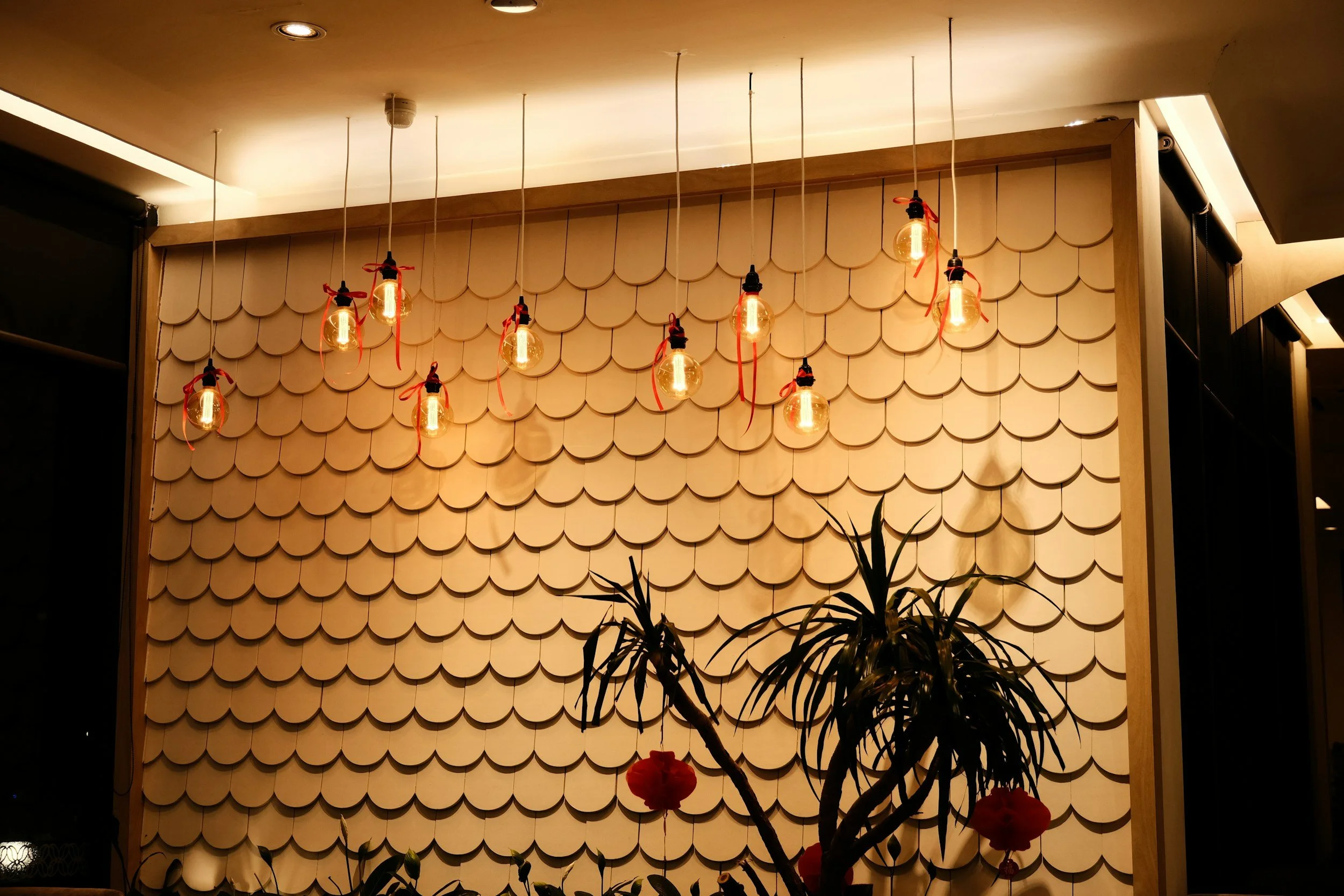
Dimming Curves and Glare Control in Hamptons & Long Island Homes
In high-end homes across the Hamptons and Long Island, lighting quality is defined as much by control as by fixture selection. Dimming curves and glare control play a critical role in creating spaces that feel comfortable, balanced, and consistent throughout the day.
In large coastal homes with open layouts and expansive glazing, these details often determine whether lighting feels refined or distracting.
What Are Dimming Curves?
A dimming curve defines how light levels change as they are adjusted.
While a control may indicate a percentage, the human eye does not perceive brightness linearly. Without proper calibration, lighting can feel uneven—dropping off too quickly or lacking usable low-end range.
Well-designed dimming curves create smooth, predictable transitions from brighter daytime levels to softer evening settings. Light fades naturally, without flicker or abrupt shifts.
In a properly designed system, dimming behavior is tuned to the specific fixtures and spaces, ensuring consistent performance across scenes and over time.
What Is Glare Control?
Glare occurs when light is too intense, poorly directed, or visually unbalanced.
In homes with large windows and open sightlines, unmanaged glare can reduce comfort and strain the visual experience—particularly during bright afternoons or in the evening when contrast is higher.
Effective glare control is achieved through:
Carefully selected fixtures that shield and soften the light source
Layered lighting that balances ambient, task, and accent illumination
Coordinated lighting and shading that respond to time of day
Controlled light levels that reduce harsh contrast across the space
When lighting and shading are planned together, the home remains comfortable without constant adjustment.
Designed for Coastal Homes
In Hamptons and Long Island residences, dimming curves and glare control work together to create a more consistent lighting experience.
Lights transition smoothly throughout the day. Brightness remains balanced across large spaces. Evening environments feel calm and usable without over-lighting.
These behaviors are planned in advance—coordinating lighting and shading based on natural light, time of day, and how each space is used.
A More Considered Result
When properly designed, lighting supports the architecture and daily routines without drawing attention to itself.
The result is a home that feels visually comfortable, predictable, and easy to live in—across seasons and over time.