
Amazon Alexa Bluetooth: Where It Fits
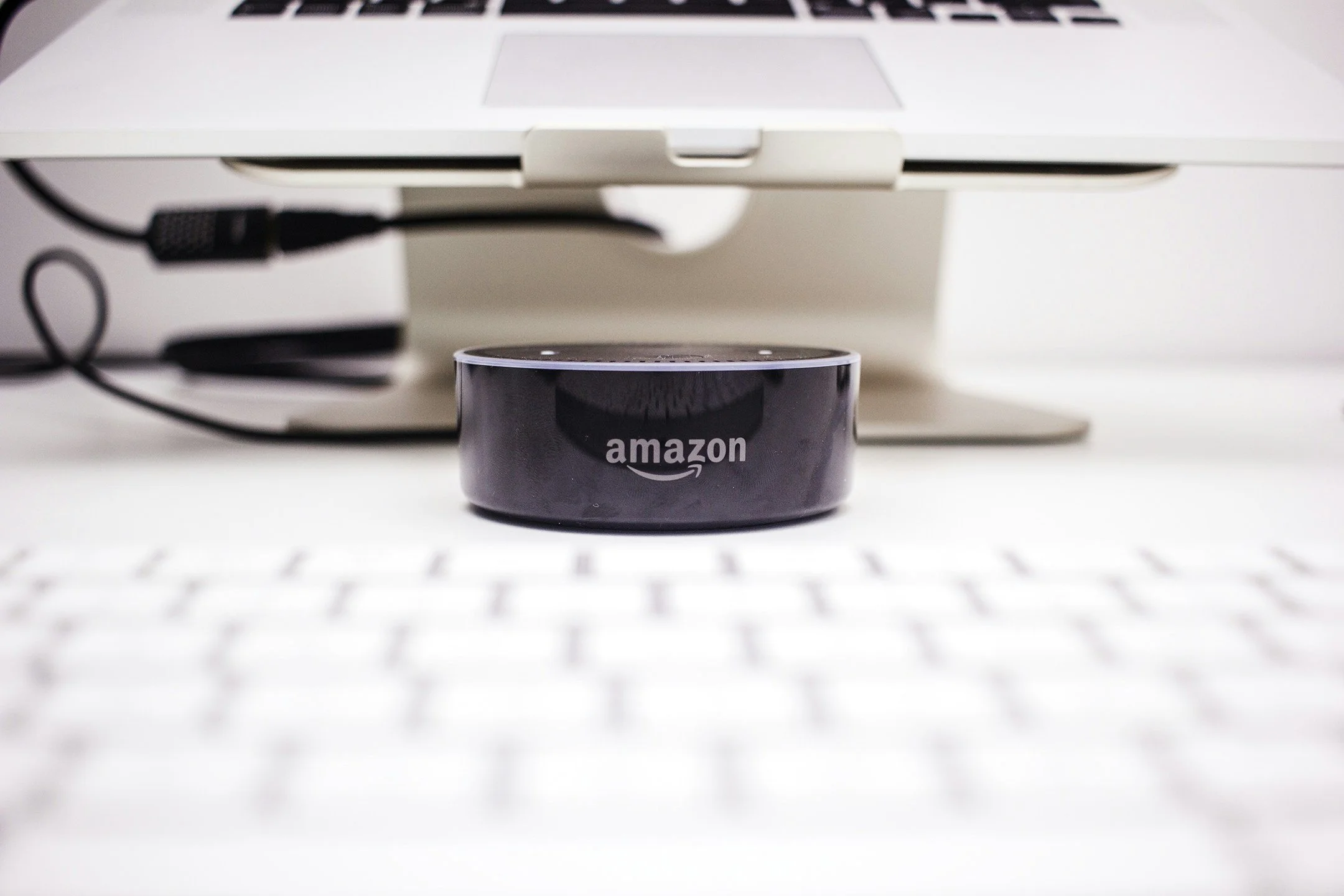
For many homeowners, Amazon Alexa is the first step into voice-enabled living. Most people associate it with simple tasks—playing music, turning lights on or off, starting the smart TV and selecting a movie, checking the weather. But one capability is often overlooked: Bluetooth audio connectivity.
Bluetooth isn’t the most sophisticated part of Alexa, but used appropriately, it plays a useful supporting role. It can improve everyday convenience, make homes more guest-friendly, and serve as a bridge between casual use and more advanced smart home systems.
Here’s how Alexa Bluetooth actually works, where it makes sense, where it doesn’t—and how it fits into a professionally designed home by Home Technology Experts.
What Is Alexa Bluetooth?
Most Amazon Echo devices—from Echo Dot to Echo Studio—include built-in Bluetooth. This allows Alexa to function in two distinct ways.
1. Alexa as a Bluetooth Speaker
Your phone, tablet, or computer can stream audio directly to an Echo, much like pairing with a portable speaker—but with the added benefit of voice control.
Common uses include:
Playing music or podcasts from a personal device
Streaming video audio with fuller sound
Allowing guests to play music without joining your Wi-Fi network
It’s simple, familiar, and requires very little setup.
2. Alexa as a Bluetooth Audio Controller
Alexa can also send audio out to a Bluetooth speaker, soundbar, or amplifier.
With a simple command like “Alexa, connect to Bluetooth,” Alexa hands audio off to a better-sounding device. In this role, Alexa becomes a voice-enabled remote—useful, but limited.
Where Alexa Bluetooth Falls Short
For HTE clients, Bluetooth is rarely the foundation of an audio system. It’s a convenience layer—not a final solution.
Limited range and reliability
Bluetooth performance drops quickly in larger homes or through walls, appliances, and interference.
No true multi-room audio
Bluetooth supports one connection at a time. You can’t distribute music throughout the home or group rooms together.
Reduced audio quality
Bluetooth compresses audio. For premium speakers, high-resolution music, or architectural systems, it’s a noticeable compromise.
No integration with the home
Bluetooth doesn’t connect to built-in speakers, centralized amplifiers, media matrices, or automation processors. It operates independently of the home’s infrastructure.
In short, Bluetooth works—but it doesn’t scale.
Alexa Bluetooth vs. Professionally Designed Audio
In HTE-designed homes, audio is typically built on platforms such as:
Sonos or HEOS
Architectural speakers with centralized amplification
Compared to these, Alexa Bluetooth is best thought of as “casual mode.” Quick, disposable, and convenient—but not cohesive.
The real value of Alexa in a luxury home isn’t Bluetooth. It’s voice control layered on top of a properly designed audio system—where commands control rooms, zones, and scenes instead of individual devices.
Where Alexa Bluetooth Does Make Sense in an HTE Home
Even in sophisticated homes, Bluetooth has its place.
Secondary spaces
Guest rooms, home offices, garages, or gyms where simplicity matters more than performance.
Temporary connections
Friends or family who want to play something quickly without learning the system.
Backup or supplemental use
When Alexa is integrated into the home’s audio platform, Bluetooth becomes a fallback—not the primary path.
Portable listening
Occasional use in spaces not tied into the main system.
Practical Tips for Better Alexa Bluetooth Use
Use voice commands for fast reconnection:
“Alexa, connect to my phone.”Name devices clearly for households with multiple users.
Keep Echo devices away from routers, microwaves, and thick walls.
If Bluetooth matters to you, higher-quality Echo models deliver a better experience.
Thinking About Using Alexa in Your Home?
At Home Technology Experts, Alexa is never treated as a novelty. We design systems where voice control, audio, lighting, and automation feel natural—and work reliably in the background.
Whether you’re enhancing a single space or planning a fully integrated home, we help you understand when Alexa Bluetooth is useful—and when a more refined solution will serve you better.
The goal isn’t more technology.
It’s technology that fits your life—and quietly does its job.
Alexa’s Bluetooth support is simple on the surface, but it plays a meaningful role in how people interact with their homes. Used correctly, it can expand sound, improve everyday convenience, and serve as an entry point into more advanced voice-driven systems.
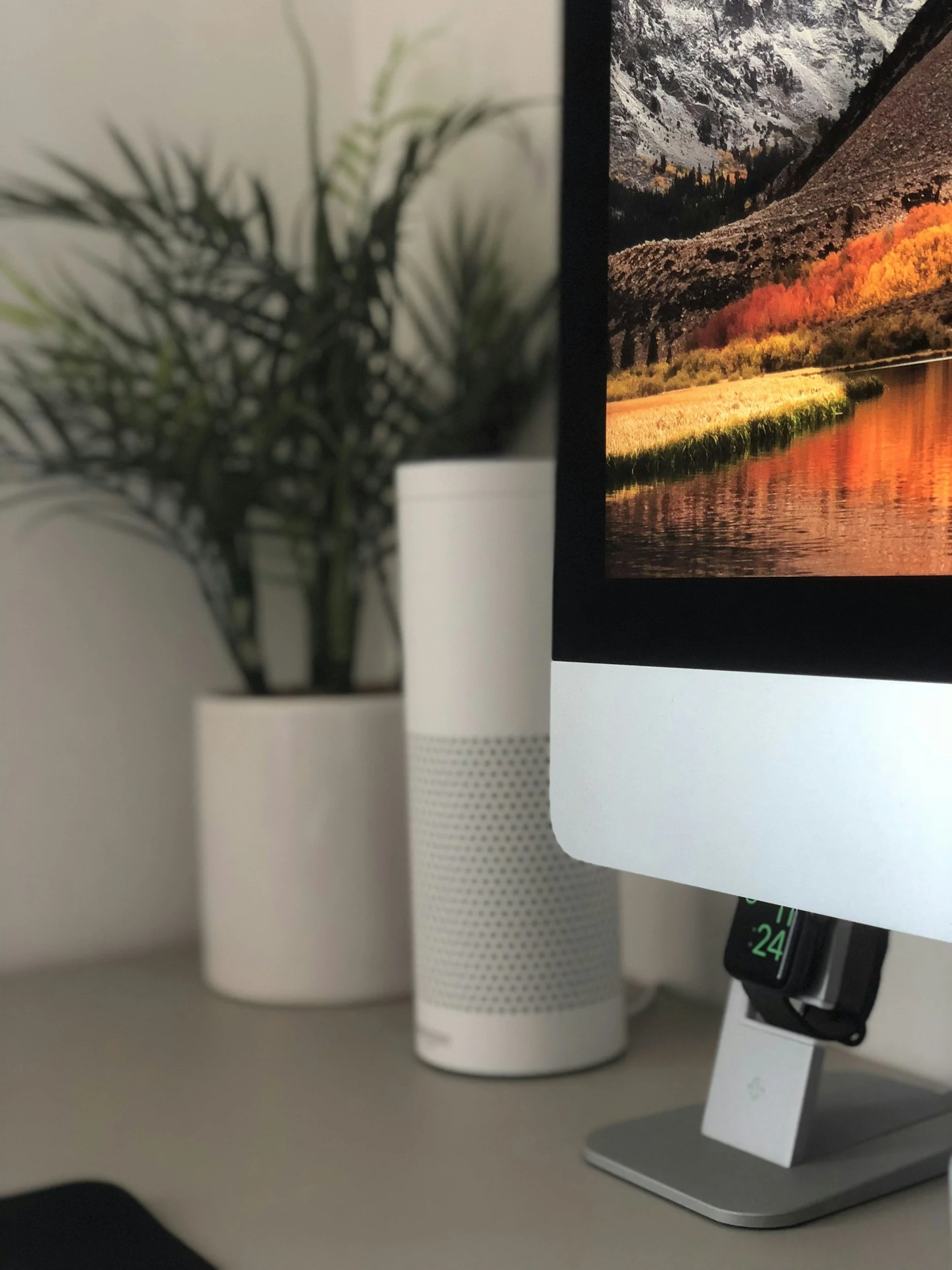
Below, we break down how Alexa Bluetooth works, where it makes sense, where it doesn’t—and how it fits into a professionally designed smart home from HTE.
What Is Alexa Bluetooth, Exactly?
Most Amazon Echo devices—from the compact Echo Dot to the powerful Echo Studio—include built-in Bluetooth. This allows the device to operate in two ways:
1. Alexa as a Bluetooth Speaker
Common uses:
Playing music from Spotify, Apple Music, or Tidal via your phone
Streaming podcasts or videos with room-filling audio
Guests connecting temporarily without joining your Wi-Fi