
2025 - The Year of Circadian
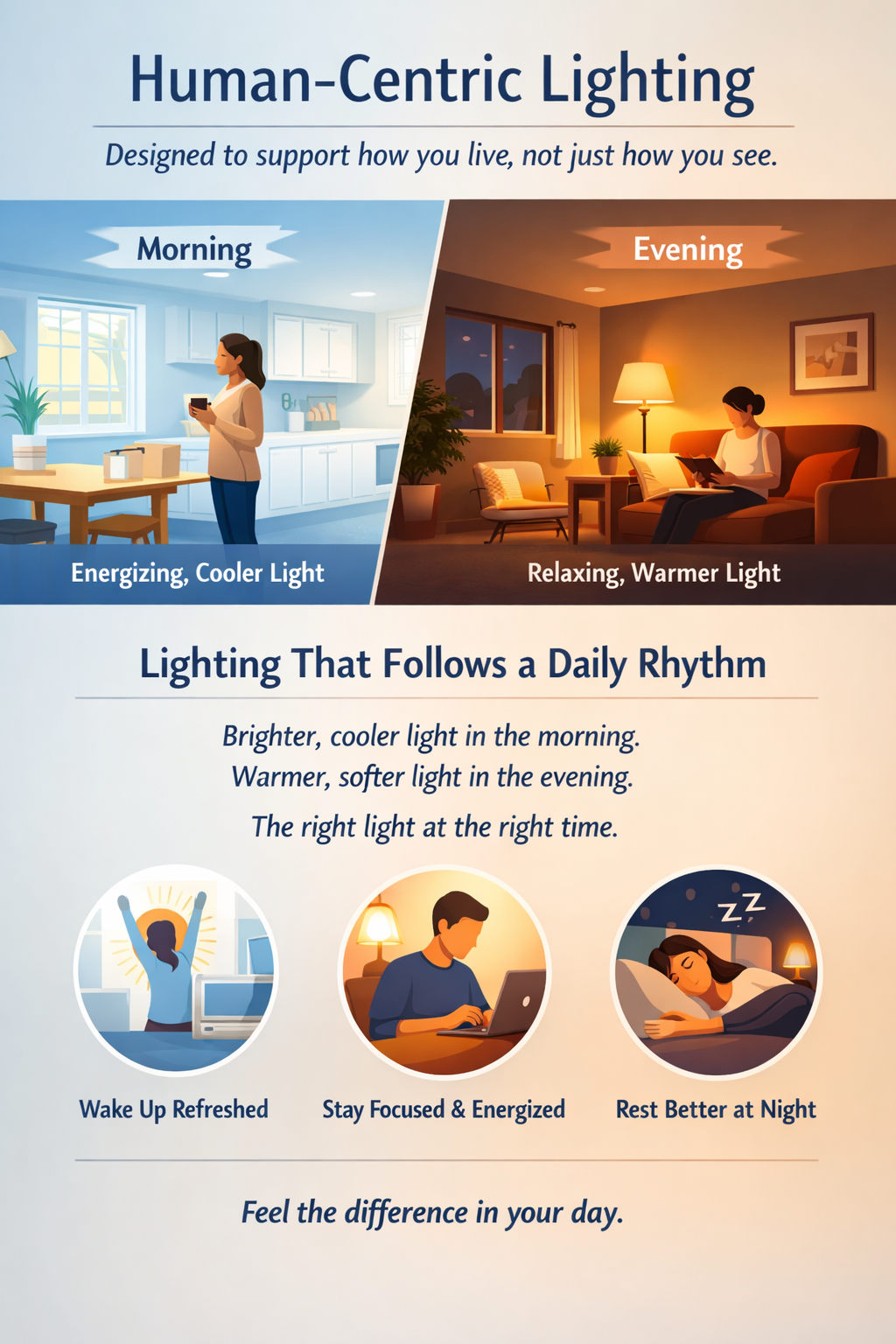

Circadian
Lighting
Circadian lighting uses controlled changes in color temperature and intensity to align indoor lighting with your body’s daily rhythm.
A Better Standard
The goal isn’t complexity—it’s consistency.
A well-designed circadian lighting system should feel natural, not technical. It should support how the home is used, respond to changing conditions, and remain dependable over time.

Designed to Disappear
When implemented properly, the system runs quietly in the background and doesn’t require ongoing adjustment.
What We Design For
Predictable
Light changes should feel intentional and repeatable, not arbitrary.
Coordinated with the home
Fixtures, controls, shading, and architecture should work together as one system.
Responsive to real-world conditions
Performance should reflect how the space is actually used throughout the day.
Built for long-term support
The system should remain serviceable and reliable well beyond installation.

Quiet Performance
Good circadian lighting doesn’t call attention to itself.
It supports the rhythm of the home, stays aligned with the architecture, and continues to perform without constant adjustment.
Evaluating Options
We can help you understand what actually works.
If you’re evaluating circadian lighting, we can help you understand what actually works—and what will hold up over time.
Lighting Design • Circadian Systems
Circadian Lighting
FAQ
A practical guide to how lighting can support how you wake, focus, and wind down—without adding complexity to your home.
Lighting that adapts to you—not the other way around
Circadian lighting is designed to quietly align your home with natural light patterns. It’s not about control—it’s about consistency, comfort, and how your home feels throughout the day.
What is circadian lighting?
Circadian lighting adjusts color temperature and intensity throughout the day to better align with your body’s natural rhythm. It supports how you wake, focus, and wind down.
How does it work in a home?
The system automatically shifts lighting based on time of day and available daylight. It runs in the background—no constant adjustments required.
Will I notice it changing?
Not directly. A well-designed system is subtle. Most clients notice the effect—more comfortable mornings and better evenings—rather than the lighting itself.
Does it actually improve sleep?
It can support better sleep by reducing harsh, cool light at night and providing appropriate light during the day. The goal is consistency, not quick fixes.
Is this the same as smart lighting?
Not exactly. Circadian lighting is a specific application of smart lighting, focused on how light impacts your daily rhythm—not just convenience or control.
Do I have to control it manually?
No. These systems are designed to be automatic and predictable, with simple overrides if needed.
Will it work in homes with limited natural light?
Yes—and that’s often where it makes the biggest difference. In spaces without strong daylight, lighting plays a larger role in how the home feels.
Do I need it throughout the entire home?
Not always. We typically prioritize bedrooms, kitchens, and primary living areas—spaces where lighting has the most daily impact.
Can this be added to an existing system?
In some cases, yes. It depends on your current lighting and control setup. We evaluate what’s in place and recommend a practical path forward.
What makes a system “done right”?
Consistency and coordination. The lighting should behave predictably across rooms, adjust smoothly, and remain reliable over time.
Is this a trend or a long-term investment?
It’s a practical improvement to how a home functions day to day. When implemented properly, it becomes part of the home—not a feature you have to think about.
Start with a conversation
We begin by understanding your home and how you use it—then design a lighting system that fits naturally into your daily routine.
Get Started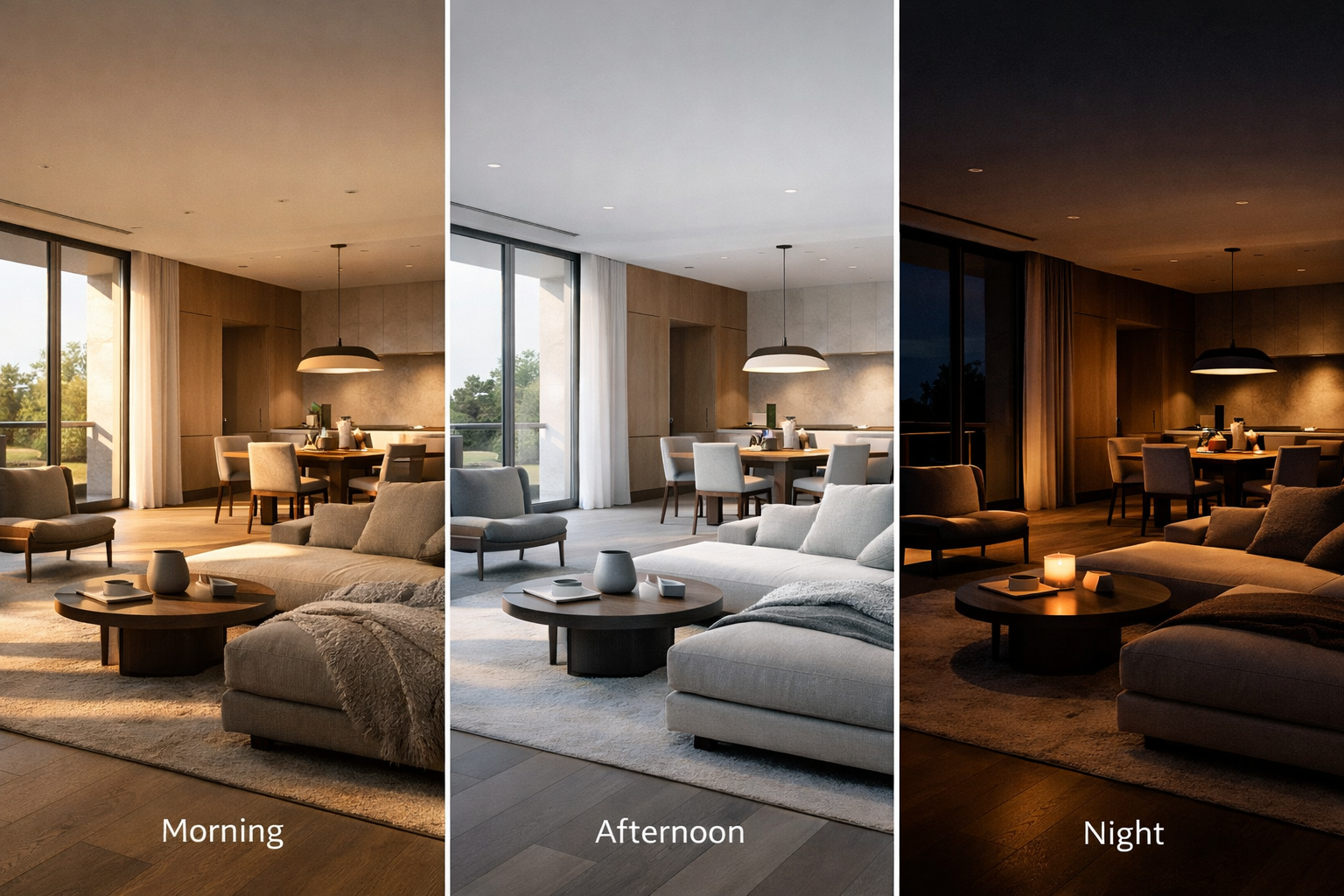
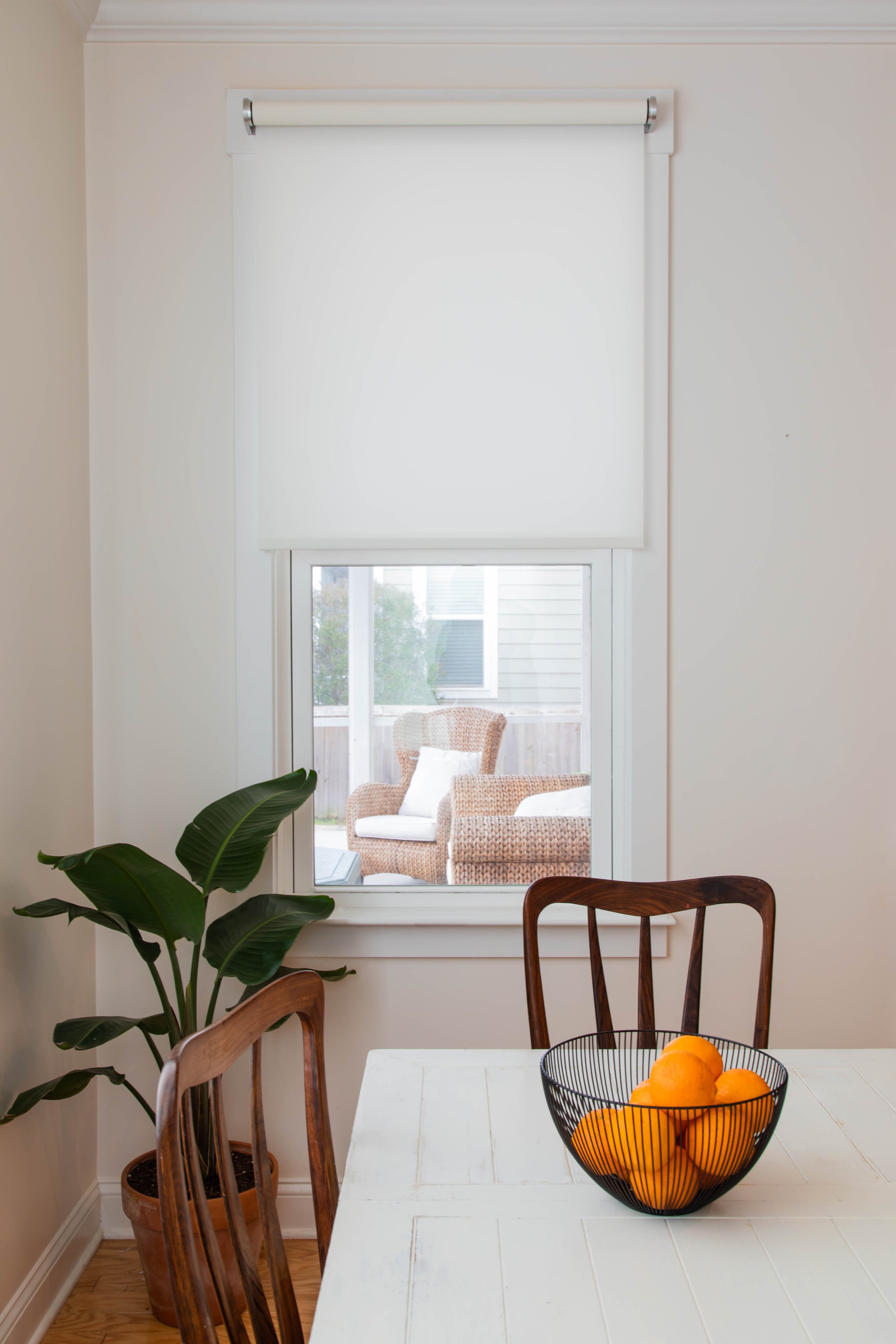
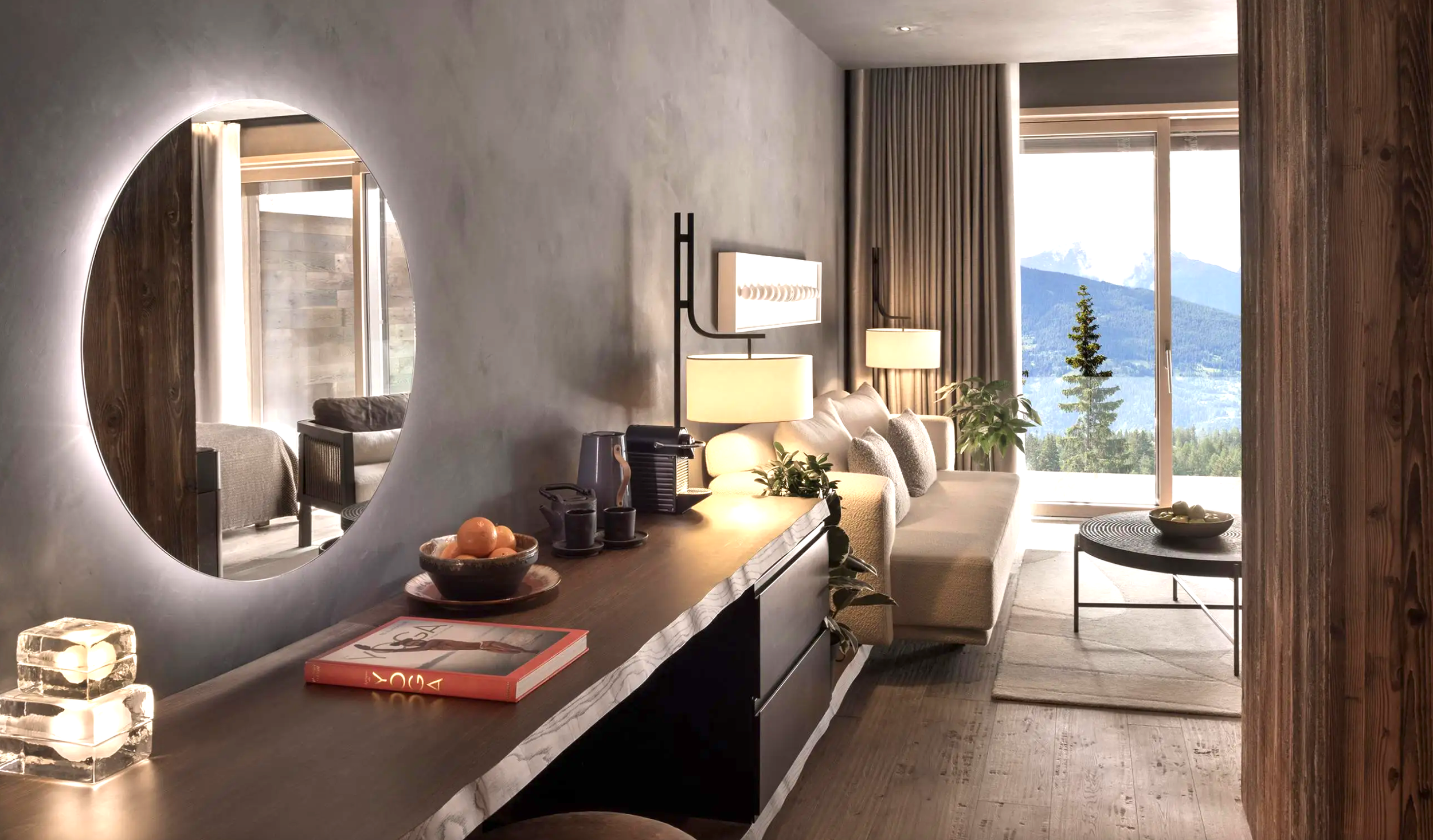
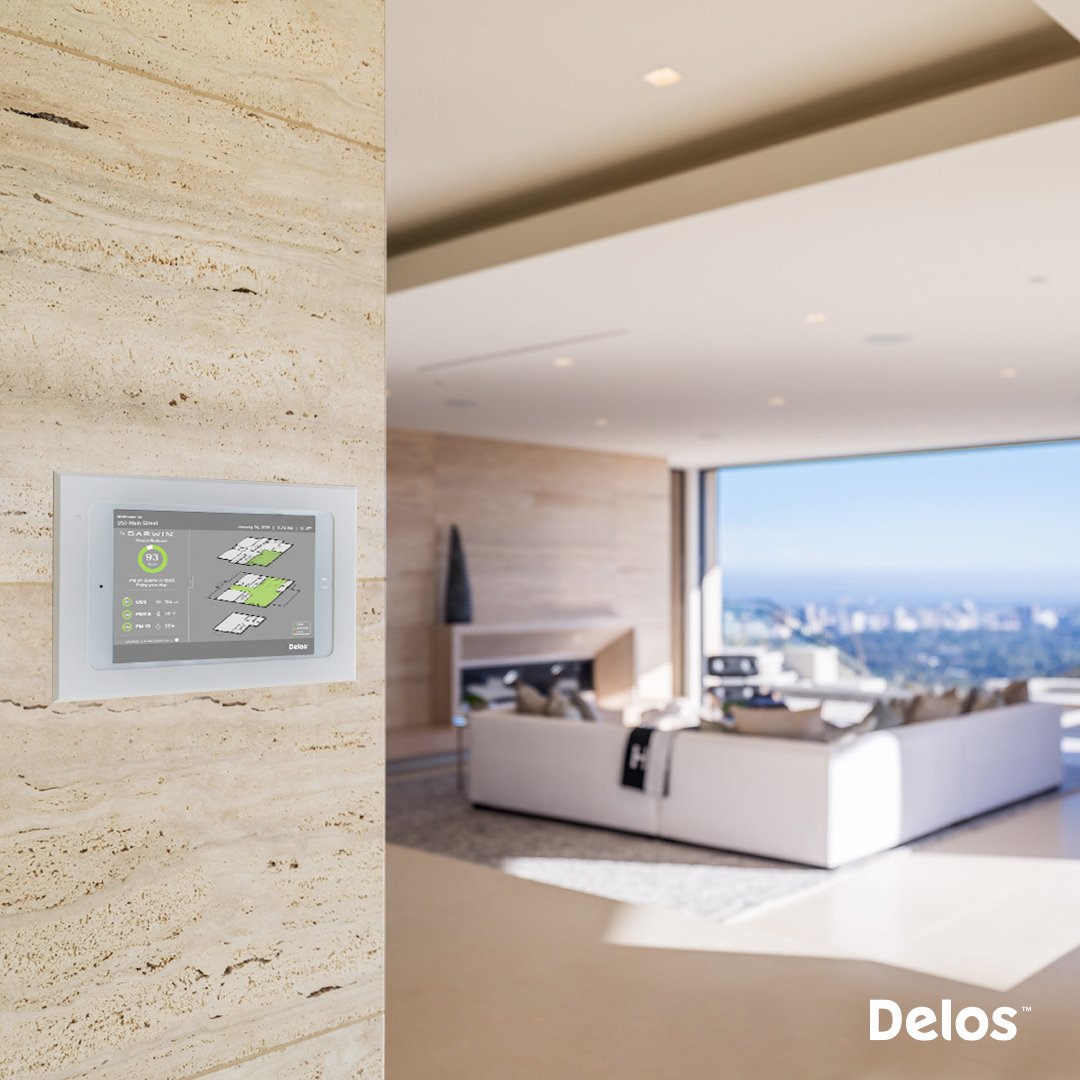
Soft morning light washes the open-plan living space in warm, golden tones, gently illuminating natural wood and linen textures.